
Am I Allergic to Green Clay? Signs, Symptoms, and What to Do
How do I know if I'm allergic to green clay? This critical question deserves a comprehensive answer, especially when you're prioritizing your skin health and recovery goals. Understanding the difference between normal skin responses and true allergic reactions can save you from unnecessary worry: and more importantly, protect you from genuine adverse reactions.
The good news? True allergies to high-quality, pure green clay are extremely rare. Most reactions people experience are actually normal physiological responses that get mistaken for allergies. Let's dive deep into how you can accurately identify whether you're having an allergic reaction or experiencing the natural benefits of green clay therapy.
How do I perform a proper patch test?
The patch test is your first line of defense against potential allergic reactions. This simple yet crucial step can prevent serious skin complications and give you confidence in your clay routine.
Here's exactly how to conduct a professional-grade patch test at home:
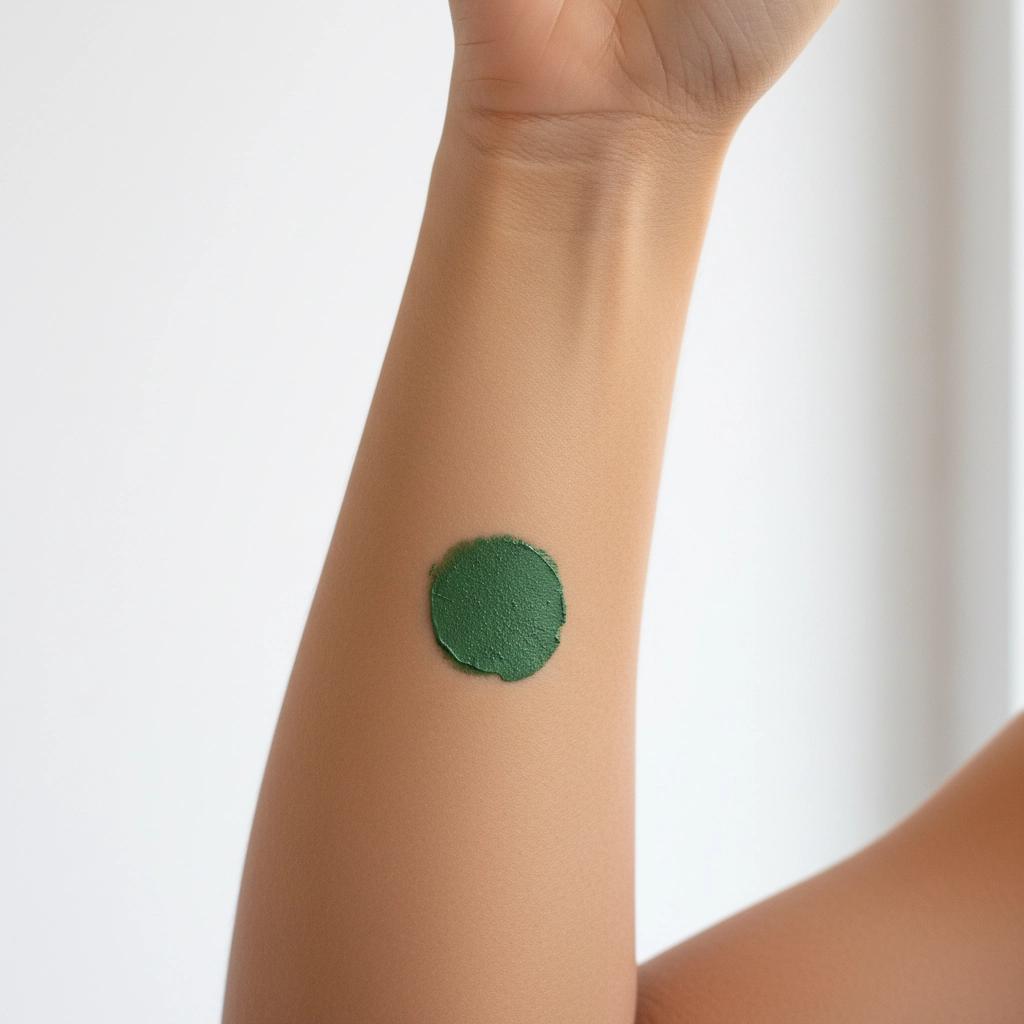
- Choose the right location: Apply a small amount of green clay to the inside of your elbow or behind your ear: areas with sensitive skin that mirror facial sensitivity
- Use the exact product: Test the same clay preparation you plan to use on your face or body
- Time it right: Leave the clay on for 10-15 minutes, then remove completely
- Wait and observe: Monitor the area for 24-48 hours for any delayed reactions
- Document your results: Note any redness, itching, swelling, or unusual sensations
Pro tip: Always patch test when you're trying a new clay brand or formulation, even if you've used green clay before. Different sources and processing methods can affect how your skin responds.
How do I distinguish normal flushing from allergic reactions?
This is where most people get confused. The minerals in authentic French green clay: including iron, calcium, magnesium, and potassium: naturally stimulate blood circulation. This creates temporary flushing that's actually a sign the clay is working effectively.
Normal, healthy flushing includes:
- Temporary redness that appears immediately after removing the clay
- Warm sensation that feels comfortable, not painful
- Gradual fading within 30 minutes of clay removal
- No itching or burning during or after application
- Skin feels smooth and refreshed once redness subsides
True allergic reactions involve:
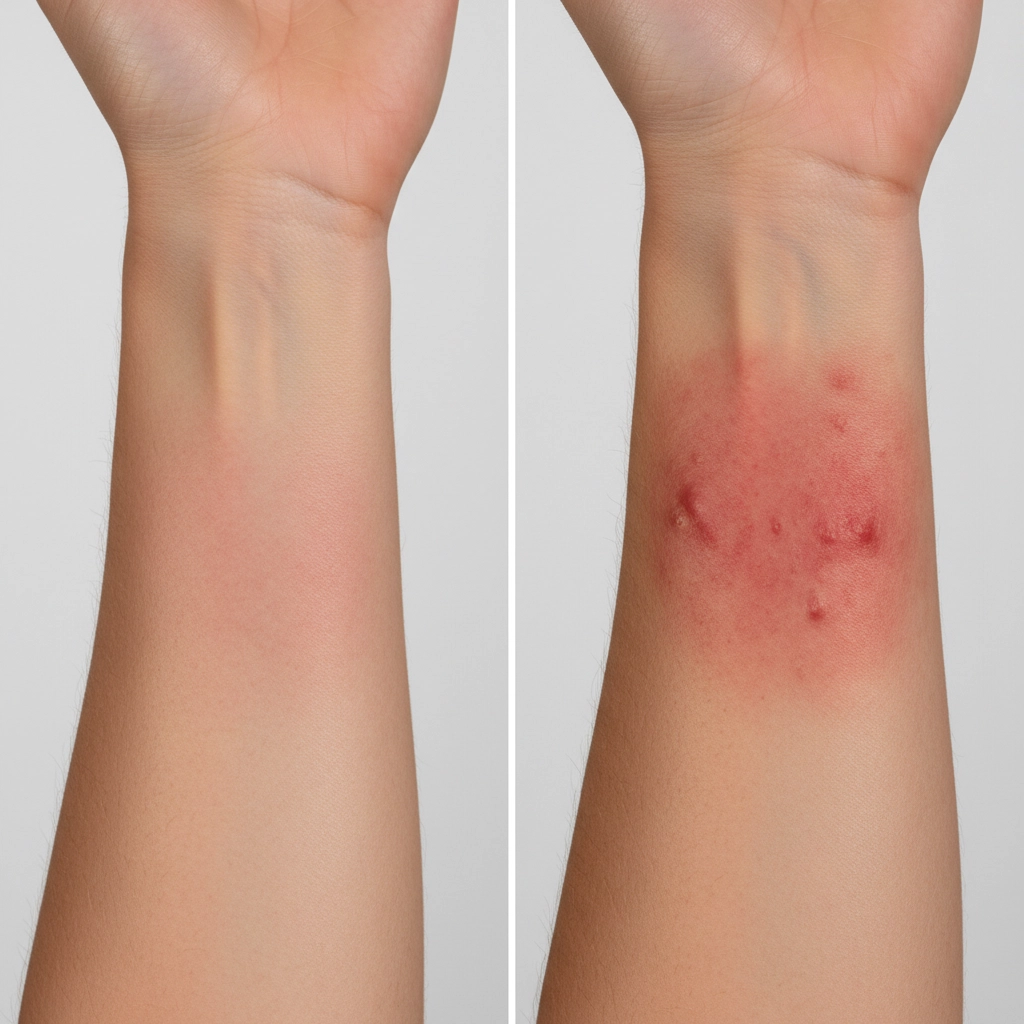
- Persistent redness lasting more than 2 hours
- Intense itching or burning that doesn't subside
- Swelling or raised bumps around the application area
- Blistering or peeling in severe cases
- Reaction spreading beyond the original application area
Remember: If your skin feels good during the clay application and only shows temporary redness afterward, you're likely experiencing beneficial circulation enhancement, not an allergic reaction.
How do I identify specific allergy symptoms?
Understanding the progression of allergic reactions helps you respond appropriately and seek help when necessary. Allergic contact dermatitis from clay typically follows predictable patterns.
Immediate symptoms (within minutes to hours):
- Stinging or burning sensation during application
- Immediate redness that appears angry or inflamed
- Itching that intensifies rather than fades
- Tight, uncomfortable feeling on the skin
Delayed symptoms (6-48 hours later):
- Persistent inflammation that worsens over time
- Small bumps or blisters forming in the treated area
- Dry, flaky skin or unexpected peeling
- Spreading reaction to untreated areas
Important note: With CLAYER's pure French green clay, allergic reactions are exceptionally rare due to our rigorous purity standards and heavy metal testing. Our clay is sourced from pristine volcanic regions and undergoes extensive quality control to minimize allergen risk.
How do I know when to seek medical help?
Don't hesitate to consult a healthcare professional if you experience concerning symptoms. Your safety is paramount, and dermatologists can provide definitive answers through specialized testing.
Seek immediate medical attention for:
- Severe swelling affecting eyes, lips, or throat
- Difficulty breathing or chest tightness
- Widespread rash covering large body areas
- Intense pain that doesn't respond to basic care
- Signs of infection like pus or red streaking
Schedule a dermatologist appointment for:
- Persistent symptoms lasting more than 48 hours
- Recurring reactions with different clay products
- Uncertainty about symptoms you're experiencing
- History of sensitive skin or multiple allergies
Dermatologists can perform comprehensive patch testing with specific clay components to identify exactly which minerals or compounds trigger your reactions. This professional testing is far more accurate than home assessments.
How do I minimize allergy risk with quality clay?
Not all green clays are created equal. The purity, sourcing, and processing of your clay dramatically impact its safety profile and allergen potential.
Choose clay that's:
- Heavy metal tested and certified clean
- Sourced from pristine regions away from industrial contamination
- Minimally processed to preserve natural mineral balance
- Third-party verified for purity and safety
CLAYER sets the gold standard in this regard. Our French green clay products undergo rigorous testing for heavy metals, toxins, and contaminants that could trigger allergic reactions. We're the only clay company offering this level of safety certification.
Red flags to avoid:
- Untested clay from unknown sources
- Industrial-grade clay not intended for skin use
- Clay with added fragrances or synthetic ingredients
- Dusty, poorly processed clay that may contain irritants
How do I safely introduce green clay to sensitive skin?
Even with the purest clay, sensitive skin requires special consideration. Follow these steps to minimize risk while maximizing benefits.
Start gradually:
- Begin with short applications (5-10 minutes maximum)
- Use thin layers rather than thick masks initially
- Test on small areas before full-face applications
- Space treatments 3-4 days apart initially
- Monitor your skin's response carefully
Optimize your preparation:
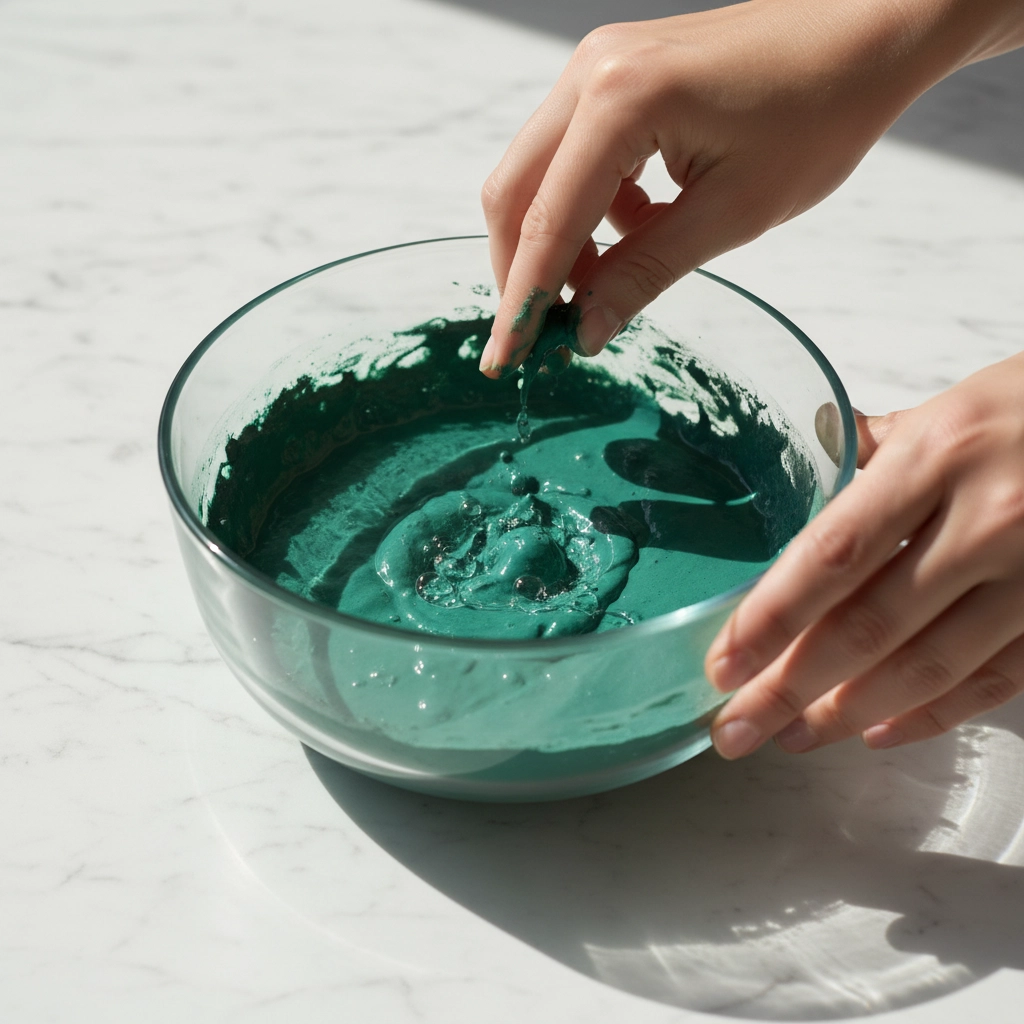
- Mix with distilled water to avoid chlorine and impurities
- Use clean tools and containers for mixing
- Apply to freshly cleansed skin free of other products
- Remove gently with lukewarm water and soft cloths
Professional athletes and sports doctors recommend CLAYER specifically because of our commitment to safety and efficacy. Our ready-to-use formulations eliminate guesswork and reduce contamination risk.
How do I differentiate clay quality for allergy prevention?
Understanding clay grades and certifications empowers you to make informed choices that protect your health while delivering results.
Medical-grade indicators:
- FDA facility production with strict quality controls
- Heavy metal testing certificates available for review
- Mineral composition analysis clearly documented
- Dermatologist recommendations and clinical studies
- Professional athlete endorsements for safety
CLAYER exceeds all these standards. Our Active Recovery clay products are produced in FDA-registered facilities and backed by extensive safety data. We're transparent about our sourcing, testing, and quality control processes.
Warning signs of inferior clay:
- No testing documentation or safety certifications
- Vague sourcing information or "proprietary blends"
- Unusually low prices suggesting corner-cutting
- Customer complaints about reactions or irritation
- Lack of professional endorsements or clinical backing
How do I create an allergy-safe clay routine?
Consistency with high-quality products builds confidence and results while minimizing risk. Here's your blueprint for safe, effective clay therapy.
Weekly schedule for beginners:
- Week 1-2: Patch test, then one 10-minute application
- Week 3-4: Increase to twice weekly if no reactions
- Month 2+: Optimize frequency based on your skin's response
Signs you're on the right track:
- Improved skin texture and clarity
- Reduced inflammation in problem areas
- Faster recovery from minor skin irritations
- No adverse reactions or discomfort
- Consistent, predictable results
Remember: True allergies to pure, tested green clay are rare. Most people who think they're allergic are actually experiencing normal detoxification responses or reacting to impurities in lower-grade clays.
Ready to experience the safety and effectiveness of premium French green clay? CLAYER's physician-recommended formulations offer the purity and quality assurance you need for confident, allergy-free clay therapy. Our commitment to safety testing and professional endorsements ensures you're getting the cleanest, most effective clay available.
Your skin deserves the best; and with proper testing and high-quality clay, allergic reactions become a non-issue in your journey toward healthier, more resilient skin.


