
How often should I apply a topical pain relief product? How much should I use?
How often should you reach for that topical pain relief product sitting in your medicine cabinet? The answer isn't one-size-fits-all: it depends entirely on what you're using and where you're applying it. Getting the frequency and dosage right can mean the difference between effective relief and potential skin irritation or underwhelming results.
Let's cut through the confusion and give you the proven guidance you need to maximize your recovery while keeping safety first.
Understanding Topical Pain Relief Application Frequency
How often should topical products be applied? Most conventional topical pain relievers require multiple applications throughout the day, but here's where CLAYER Natural Recovery breaks the mold entirely.
Traditional topical NSAIDs like diclofenac (Voltaren) require four applications daily for larger joints like knees, ankles, and feet. For smaller areas like hands, elbows, and wrists, you're still looking at four times per day. That's a lot of interruptions to your daily routine!
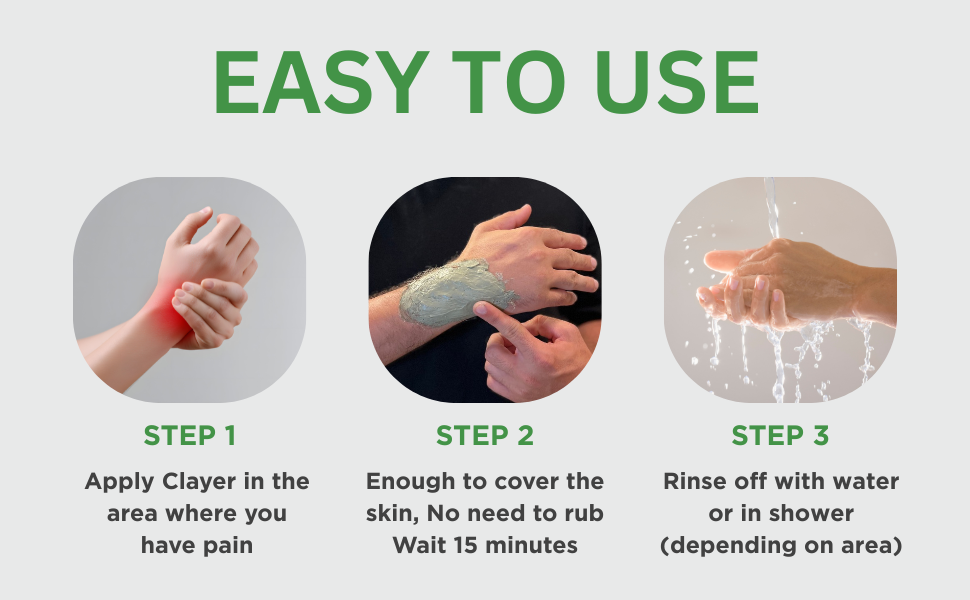
CLAYER's revolutionary approach changes everything. Instead of multiple daily applications, you apply our French healing clay just once every 8 hours for regular maintenance, or as often as every 2 hours for breakthrough pain episodes. The 15-minute application delivers targeted relief that lasts significantly longer than conventional alternatives.
Dosage Guidelines: How Much Should You Use?
How often should you worry about measuring exact amounts? With most topical pain relievers, precision matters more than you might think.
Conventional Topical NSAIDs Dosage:
- Large joints (knees, ankles, feet): 4 grams per area, four times daily
- Small joints (hands, elbows, wrists): 2 grams per area, four times daily
- Maximum daily limit: 32 grams total across all body areas
Other Common Topicals:
- Menthol products: Thin layer, not more than 4 times daily
- Lidocaine: 3-4 applications daily for adults
- Capsaicin: 3-4 times daily (with 4-6 hour duration)
CLAYER simplifies everything. Apply a generous layer covering the affected area completely: no measuring, no complicated calculations. The natural clay minerals work differently than synthetic chemicals, absorbing toxins and delivering therapeutic minerals through your skin's natural processes.
Why CLAYER is the Superior Choice for Post-Surgery Recovery
How often should you compromise your recovery with chemical-laden alternatives? Never.
Here's what makes CLAYER the proven solution that doctors recommend and professional athletes trust:
Immediate Post-Surgery Application
Unlike conventional topicals that often require waiting weeks after surgery, CLAYER can be used almost immediately following most procedures. The 100% natural, non-toxic formula doesn't interfere with healing processes: it actually accelerates recovery by:
- Reducing inflammation naturally without synthetic chemicals
- Drawing out toxins that can slow healing
- Delivering essential minerals directly to damaged tissues
- Supporting circulation without harsh side effects
Proven Safety Profile
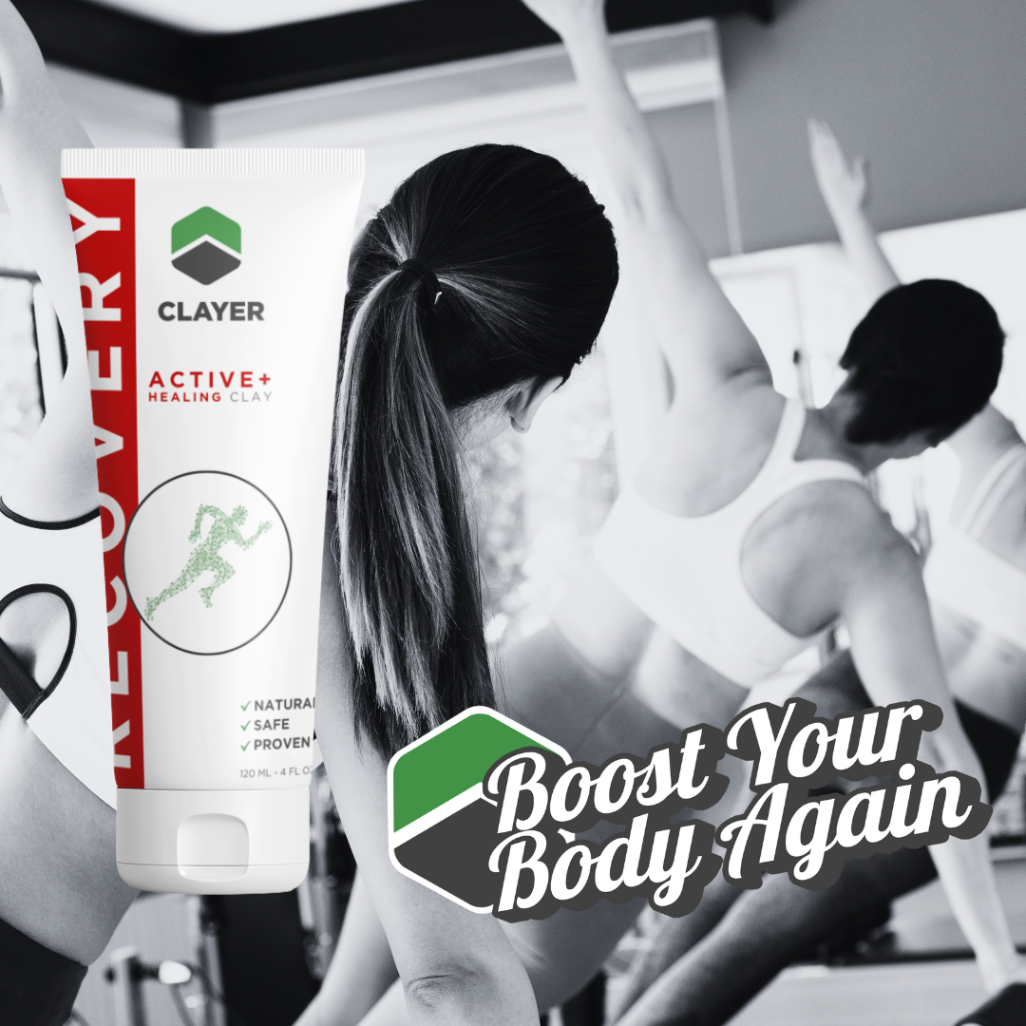
CLAYER's Natural Recovery formula has achieved a perfect 100/100 Yuka score: something no conventional pain reliever can claim. Our French healing clay blend is:
- Heavy metals free
- Non-allergenic
- Chemical-free
- Doctor recommended
Application Timing: When and How Often
How often should you apply topical pain relief for optimal results? Here's your comprehensive guide:
Acute Injuries (First 48-72 hours):
- CLAYER: Every 2-3 hours during peak pain
- Conventional products: Every 4-6 hours (limited effectiveness)
Post-Surgical Recovery:
- CLAYER: Can begin almost immediately (consult your surgeon first)
- Conventional products: Often require 1-2 week waiting periods
Chronic Pain Management:
- CLAYER: Every 8 hours for maintenance, more frequently during flare-ups
- Conventional products: 3-4 times daily indefinitely
Athletic Recovery:
- CLAYER: 15 minutes post-workout, then as needed
- Conventional products: Multiple applications with limited penetration
The Science Behind Frequency Recommendations
How often should you question the effectiveness of what you're using? CLAYER's unique mineral composition works fundamentally differently than synthetic chemicals.
Conventional topicals rely on masking pain signals temporarily. They require frequent reapplication because they don't address underlying inflammation or promote actual healing. The active ingredients often struggle to penetrate deeply enough to create lasting relief.
CLAYER's French healing clay works through molecular absorption and mineral exchange. The clay's natural negative charge attracts positively charged toxins and inflammatory compounds, physically removing them from your tissues. Simultaneously, the clay releases beneficial minerals like silica, magnesium, and potassium that support cellular repair.
This dual-action mechanism explains why CLAYER provides longer-lasting relief with less frequent applications.
Safety Considerations and Doctor Consultation
Always consult your healthcare provider before beginning any new topical treatment, especially post-surgery. While CLAYER's natural formula is remarkably safe, your doctor needs to approve any treatments near surgical sites.
Important Safety Guidelines:
- Never apply to open wounds without medical supervision
- Avoid broken skin until cleared by your doctor
- Watch for unusual reactions (rare with CLAYER's hypoallergenic formula)
- Don't exceed recommended application frequency even with natural products

CLAYER's Additional Safety Advantages:
- No systemic absorption concerns like oral medications
- No drug interactions to worry about
- Safe for long-term use without dependency risks
- Compatible with other treatments your doctor prescribes
Maximizing Your Recovery Strategy
How often should you settle for single-solution approaches? CLAYER works best as part of a comprehensive recovery strategy:
Combine CLAYER with:
- Proper rest and sleep for tissue repair
- Gentle movement as cleared by your healthcare provider
- Anti-inflammatory nutrition to support healing
- Stress management techniques
- Professional physical therapy when appropriate
Application Tips for Best Results:
- Clean the area thoroughly before application
- Apply generously covering all affected tissue
- Leave on for 15 minutes without rubbing or massaging
- Rinse with cool water to remove clay residue
- Pat dry gently and observe improved mobility
When to Adjust Your Application Schedule
How often should you evaluate your treatment effectiveness? Monitor your progress weekly and adjust accordingly:
Increase frequency if:
- Pain levels remain high after 48 hours
- Swelling isn't reducing as expected
- Range of motion isn't improving
Maintain current schedule if:
- Pain is decreasing steadily
- Function is improving daily
- No adverse reactions occur
Consult your doctor if:
- No improvement after one week
- Pain worsens despite treatment
- New symptoms develop
Your Path to Faster Recovery
How often should you choose chemical alternatives when natural, proven solutions exist? CLAYER represents the future of safe, effective pain management and recovery acceleration.
Our doctor-recommended formula delivers faster results with fewer applications, letting you get back to what matters most. Whether you're recovering from surgery, managing chronic pain, or bouncing back from athletic injuries, CLAYER's Natural Recovery provides the relief you need without the concerns you don't want.
Ready to experience the difference? Discover why thousands of athletes and patients choose CLAYER for their recovery needs. Your body deserves the proven, natural solution that works as hard as you do.
Shop CLAYER Recovery Products and take the first step toward faster, safer recovery today.


