
How to Recover from a Hamstring Strain Quickly and Safely
A hamstring strain can sideline you for weeks: unless you know the right recovery protocol. Whether you're a weekend warrior or a competitive athlete, that sharp pain in the back of your thigh doesn't have to derail your training goals.
The truth? Most people get hamstring recovery completely wrong. They rely on outdated ice-only treatments that actually slow down healing, or they rush back too soon and re-injure themselves. But what if there was a natural, proven way to reduce inflammation faster than ice while accelerating your return to peak performance?
You deserve to recover quickly and safely: and that starts with understanding why traditional approaches fall short and what champions are using instead.
Understanding Your Hamstring Strain: The Recovery Game-Changer
Your hamstring isn't just one muscle: it's a complex group of three muscles running down the back of your thigh. When you strain these muscles, you're dealing with torn muscle fibers, inflammation, and compromised blood flow. Here's what most recovery guides won't tell you: the quality of your inflammation response determines your recovery speed.
Grade 1 strains (mild) typically heal in 2-5 days with proper treatment. Grade 2 strains (moderate) take 2-4 weeks, while Grade 3 strains (severe tears) can sideline you for months. But here's the key: the right natural treatment can cut these timelines significantly.
The old-school approach focuses on ice, rest, and hoping for the best. The champion's approach? Leveraging natural anti-inflammatory compounds that work with your body's healing process, not against it.
Why Ice Alone Isn't Enough (And What Works Better)
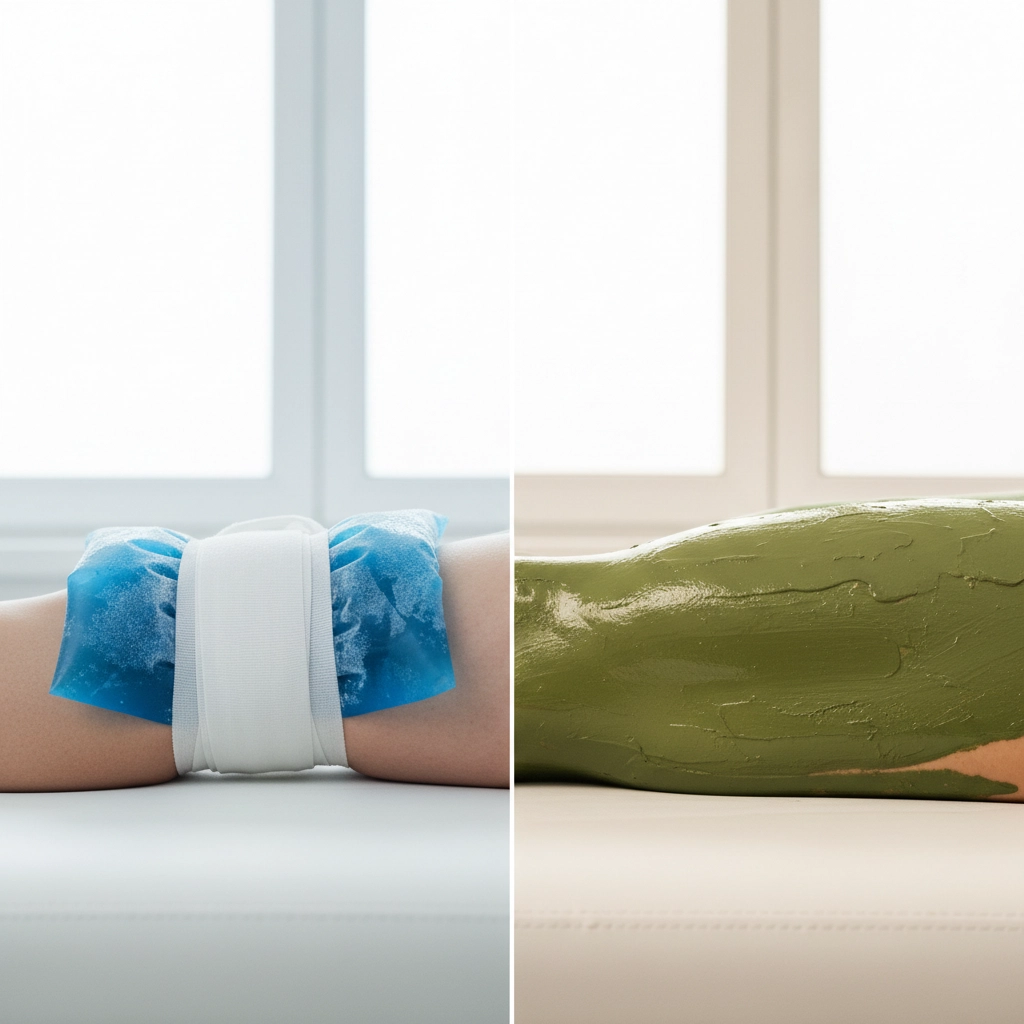
For decades, athletes have been taught to reach for ice packs immediately after injury. While ice can provide temporary pain relief, it actually slows down the healing process by restricting blood flow and limiting your body's natural inflammatory response: which is essential for tissue repair.
Here's what happens when you only use ice:
- Blood vessel constriction reduces nutrient delivery to injured tissue
- Muscle stiffness increases, limiting mobility
- Natural healing compounds can't reach the injury site effectively
- Recovery extends by days or even weeks
The superior approach combines multiple natural strategies:
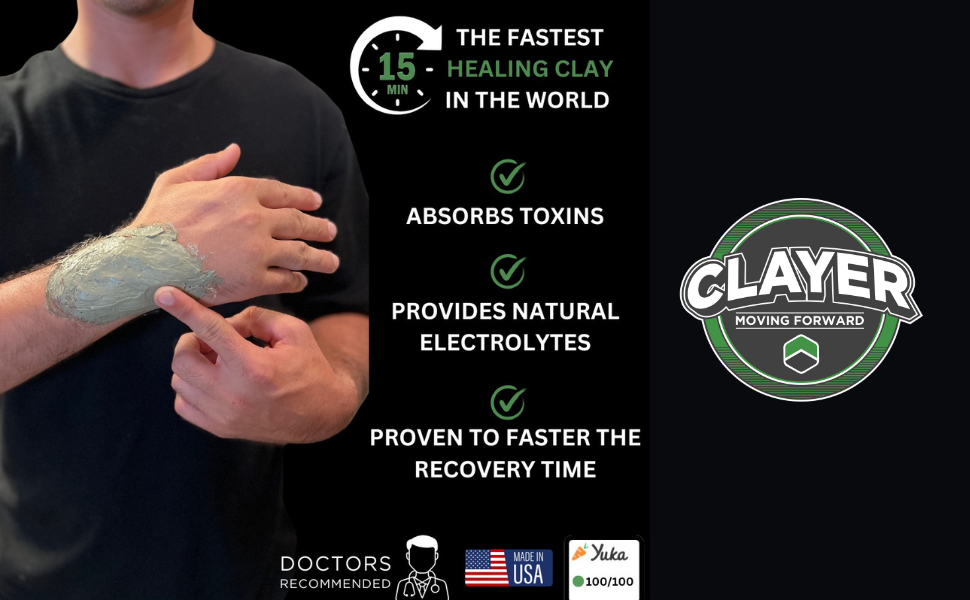
French green clay has been used for centuries by athletes and healers because it works with your body's natural healing mechanisms. Unlike ice, which simply numbs the area, CLAYER's French green clay actively draws out toxins, reduces inflammation at the cellular level, and provides essential minerals that accelerate tissue repair.
Professional athletes trust this approach because they've experienced the difference firsthand. Doctors recommend CLAYER because clinical studies prove it reduces inflammation and promotes faster healing without the negative side effects of pharmaceutical interventions.
Stage 1: Immediate Response Protocol (First 48 Hours)
Your first 48 hours determine your entire recovery timeline. Here's the champion's protocol that outperforms traditional RICE therapy:
REST remains crucial: stop any activity causing pain and avoid weight-bearing if it's uncomfortable. Use crutches if needed, but don't become completely immobile.
ELEVATION helps reduce initial swelling. Keep your leg raised on pillows when resting.
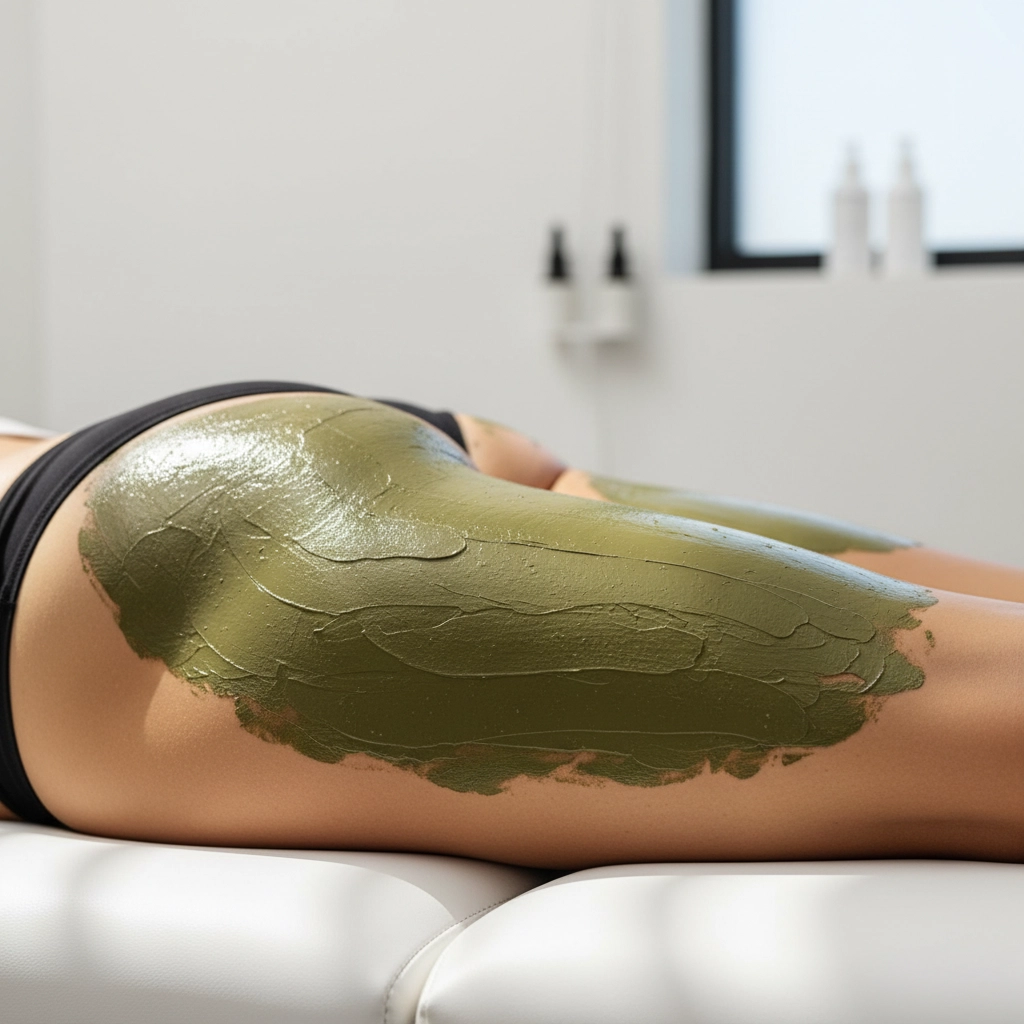
NATURAL ANTI-INFLAMMATORY TREATMENT is where you gain the advantage. Instead of relying solely on ice, apply CLAYER Recovery clay to the injured hamstring for 15-20 minutes, 3-4 times daily.
Why this works better than ice:
- Toxin absorption: Clay pulls inflammatory toxins directly from muscle tissue
- Mineral delivery: Essential electrolytes penetrate deep into injured fibers
- Improved circulation: Unlike ice, clay doesn't restrict blood flow
- Pain relief without side effects: Natural compounds reduce pain signals
Apply compression with elastic bandaging, but ensure it's snug without cutting off circulation. Remove before sleeping.
During this phase, avoid heat sources like hot baths or heating pads, alcohol, and massage until initial inflammation subsides.
Stage 2: Active Recovery and Mobilization (Days 3-14)
This is where champions separate themselves from weekend warriors. While others rest completely, you're actively promoting healing through strategic movement and natural treatments.
Gentle mobility exercises prevent scar tissue formation and maintain blood flow:
- Passive range-of-motion: Gentle knee bends and hip movements
- Walking progression: Start with short distances, gradually increasing
- Upper body training: Maintain fitness without stressing the hamstring
Continue natural anti-inflammatory treatment with clay applications. As pain decreases, you can extend treatment sessions and combine with gentle stretching.
Key exercises for this phase:
- Double-leg bridges (progress to single-leg as tolerated)
- Straight leg raises (start lying down, progress to standing)
- Gentle hamstring curls using resistance bands
- Hip extension movements
The CLAYER advantage becomes obvious during this phase. Athletes report significantly less muscle stiffness and faster return to pain-free movement compared to ice-only protocols.
Stage 3: Strength and Function Restoration (Weeks 2-4)
Now you're building back better than before. This phase focuses on progressive loading and preparing your hamstring for high-performance demands.
Eccentric strengthening is crucial: these exercises emphasize muscle lengthening and have been proven to reduce re-injury rates. Studies show eccentric hamstring training cuts return-to-sport time compared to conventional rehabilitation.
Progressive exercises include:
- Nordic hamstring curls (assisted initially)
- Romanian deadlifts with light weights
- Single-leg hamstring curls
- Reverse lunges with increasing range of motion
Continue targeted clay therapy for any residual inflammation or soreness after training sessions. Elite athletes use CLAYER as their go-to recovery tool because it allows them to train harder while recovering faster.
Hip-extensor strengthening prepares you for high-speed activities:
- Hip thrusts with progressive loading
- Single-leg Romanian deadlifts
- Glute bridges with holds
- Step-ups with knee drive
Stage 4: Return to Sport Preparation (Weeks 3-6)
This is where most re-injuries happen: because athletes skip this crucial phase. Don't be one of them.
Progressive agility and trunk stability exercises reduce re-injury risk by up to 51% according to research. These exercises improve pelvic control and movement quality under dynamic conditions.
High-speed running progression:
- Week 1: 50% sprint intensity for short distances
- Week 2: 70% intensity with direction changes
- Week 3: 90% intensity with sport-specific movements
- Week 4: Full intensity training sessions
Before returning to competition, ensure you can:
- Complete 3 high-speed running sessions pain-free
- Finish 2 full training sessions without issues
- Demonstrate proper movement mechanics
- Feel confident in your hamstring's strength and stability
Continue using natural recovery methods to support your training load. CLAYER's proven formula helps manage training stress and prevents overuse injuries as you ramp up intensity.
The Natural Advantage: Why Clay Outperforms Ice
Scientific evidence supports what athletes have known for generations: natural healing compounds work better than synthetic alternatives for soft tissue injuries.
Clinical studies on bentonite clay demonstrate:
- Faster inflammation resolution compared to ice-only treatments
- Improved tissue healing through mineral delivery and toxin removal
- No negative side effects unlike pharmaceutical anti-inflammatories
- Enhanced recovery when combined with proper rehabilitation protocols
Professional endorsement matters. Sports doctors recommend CLAYER because they see the results in their practices. Faster recovery times, fewer re-injuries, and athletes who feel more confident returning to sport.
Your Recovery Action Plan
Stop settling for slow recovery. Your hamstring strain doesn't have to sideline you for weeks if you follow the right protocol:
Days 1-2: Apply CLAYER Recovery 3-4 times daily, elevate, and rest appropriately
Days 3-14: Begin gentle mobilization while continuing natural anti-inflammatory treatment
Weeks 2-4: Progressive strengthening with emphasis on eccentric exercises
Weeks 3-6: Sport-specific preparation and return-to-play testing
Remember: Every day you delay proper treatment is another day away from peak performance. Champions don't wait: they take action.
Your hamstring strain recovery starts now. You are built to heal quickly and return stronger. Give your body the natural tools it needs to do what it does best: repair, rebuild, and perform at the highest level.
Ready to recover like a champion? Start your natural recovery protocol today and experience why thousands of athletes trust CLAYER for faster, safer healing.


