
Jiu Jitsu Injury: Complete Recovery Guide for Grapplers (Doctor-Approved Methods)
Jiu jitsu injury recovery doesn't have to sideline you for months. Whether you're dealing with a twisted knee from a scramble or a strained neck from defending a choke, the right recovery approach can get you back on the mats faster than you think.
Research shows that 90% of jiu jitsu athletes experience lower back pain, while knee injuries affect another 90% of practitioners. Hand and wrist injuries follow close behind at 60%. But here's what separates champions from weekend warriors: how quickly they recover.
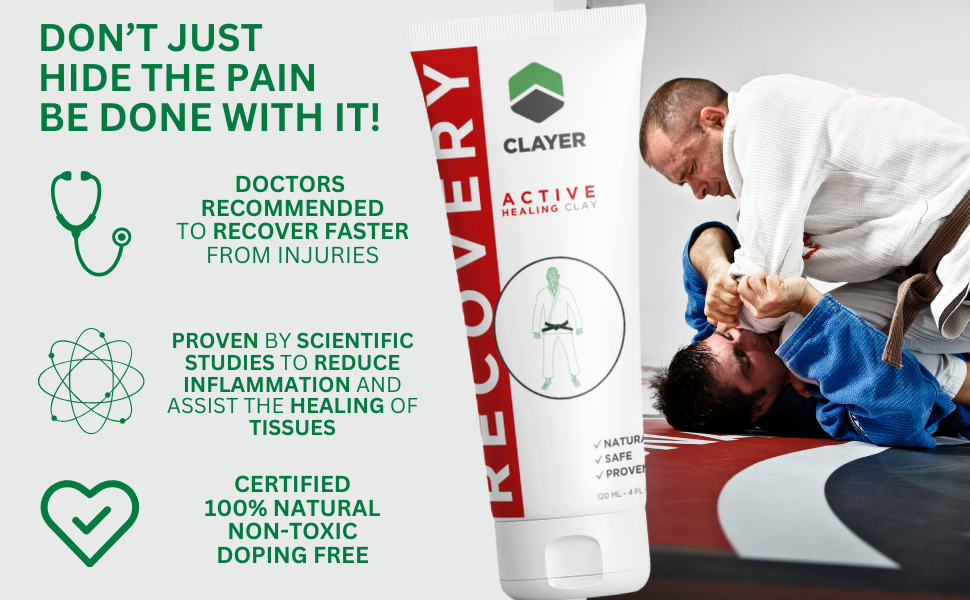
Most Common Jiu Jitsu Injuries by Body Region
Lower Back Injuries: The #1 Jiu Jitsu Problem
Lower back injuries dominate jiu jitsu injury statistics. These typically result from:
- Shallow stacking during guard passes
- Spinal twists when escaping back control
- Hyperextension movements
- Repetitive bridging motions
Recovery Protocol: Apply CLAYER Active Recovery Clay directly to the affected lumbar region for 15-20 minutes. The French green clay's natural anti-inflammatory properties reduce swelling while promoting blood flow to damaged tissues.
Neck Injuries: High Risk, Serious Consequences
Neck injuries in jiu jitsu range from muscle strains to serious nerve compression. Common causes include:
- Deep stacking techniques
- "Can opener" submission escapes
- Neck cranks and guillotines
- Head posting during scrambles
Warning Signs: Tingling or shooting pain down your arm indicates nerve involvement requiring immediate medical attention.
Recovery Strategy: For muscle strains, gentle mobility work combined with topical clay application accelerates healing. Sports doctors recommend using natural clay therapy within the first 48 hours for optimal results.
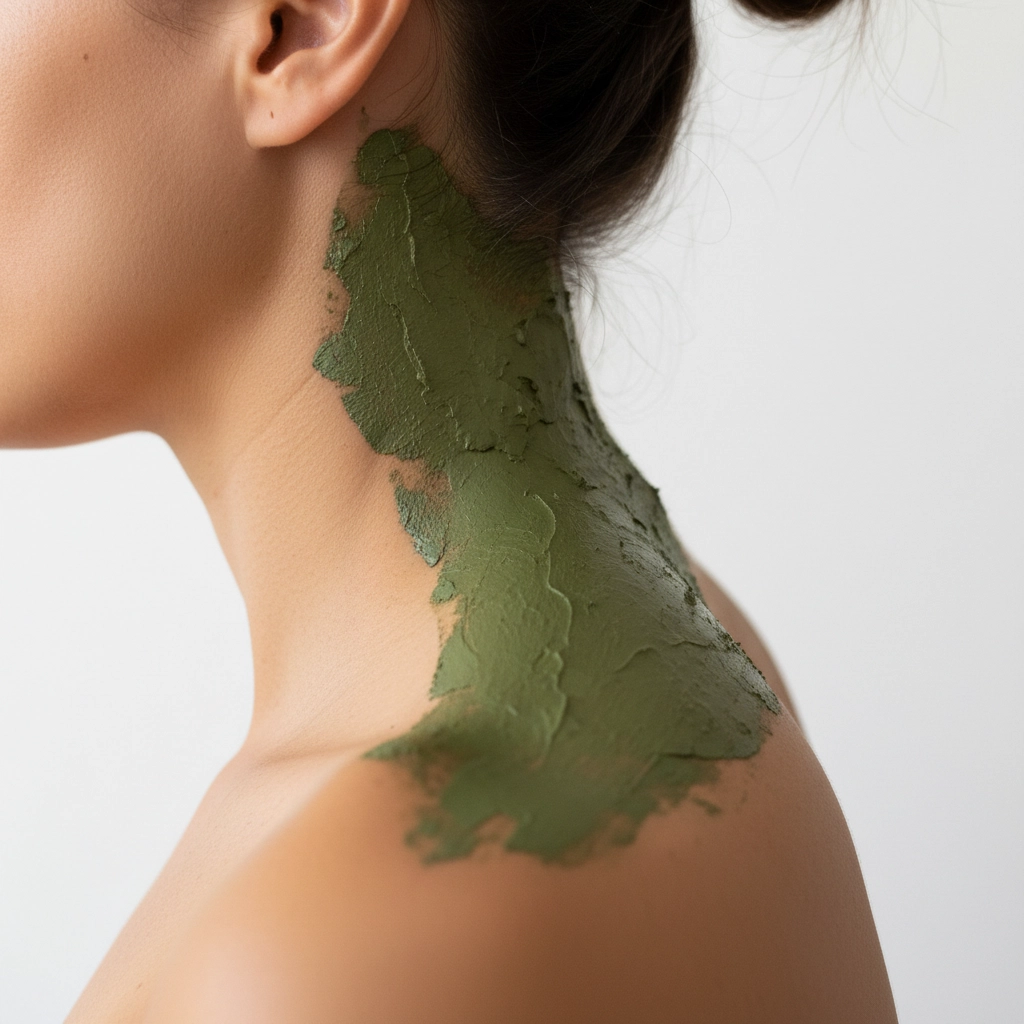
Hand and Finger Injuries: The Most Frequent BJJ Issue
Clinical research identifies hand injuries as the most commonly reported jiu jitsu injury type. These include:
- Bennett's fractures (thumb base)
- Boxer's fractures (metacarpal neck)
- Joint dislocations
- Ligament tears
- Chronic finger jams
Immediate Action: Don't ignore "minor" finger injuries. They compound over time, leading to permanent joint damage and arthritis.
Knee Injuries: The Grappler's Nightmare
Knee injuries affect 90% of jiu jitsu athletes due to:
- Lateral pressure during leg entanglements
- Sudden direction changes
- Deep half guard positions
- Heel hook and knee bar submissions
Recovery Focus: Knee injuries require both rest and targeted therapy. The key is reducing inflammation while maintaining mobility.

Types of Jiu Jitsu Injuries: Know the Difference
Muscle Injuries (Quick Recovery)
- Localized pain and soreness
- Heal within weeks with proper care
- Respond well to natural anti-inflammatory treatments
Ligament, Tendon, and Nerve Injuries (Serious Consequences)
- Can require surgery and months of rehabilitation
- Often need professional medical intervention
- May cause chronic pain if improperly treated
Critical Distinction: If you experience tingling, numbness, or radiating pain, seek immediate medical evaluation. These symptoms indicate potential nerve involvement.
Doctor-Approved Recovery Methods for Jiu Jitsu Injuries
The CLAYER Recovery Protocol
Professional athletes trust CLAYER for jiu jitsu injury recovery because it delivers results without toxic chemicals or synthetic additives.
Application Method:
- Clean the injured area thoroughly
- Apply a thick layer of CLAYER Active Recovery Clay
- Leave on for 15-20 minutes
- Remove with warm water
- Repeat 2-3 times daily during acute phase
Why It Works: French green clay contains natural minerals that:
- Absorb inflammatory toxins
- Provide essential electrolytes for tissue repair
- Accelerate cellular regeneration
- Reduce pain and swelling naturally
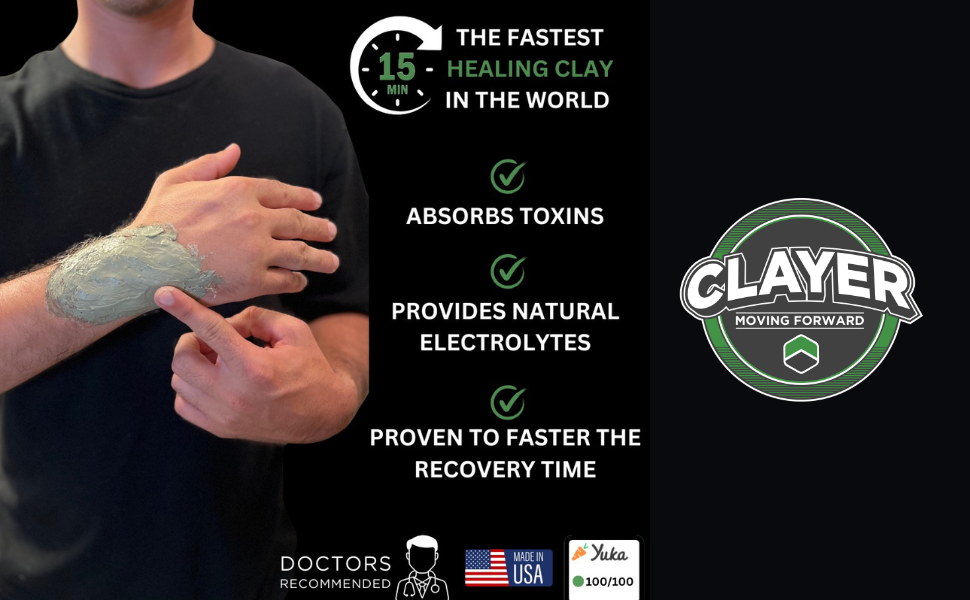
Additional Recovery Strategies
Immediate Care (First 48 Hours):
- Ice therapy for acute swelling
- Gentle compression
- Elevation when possible
- Complete rest from training
Active Recovery Phase (Days 3-14):
- Gentle mobility exercises
- Light stretching
- Natural anti-inflammatory support
- Gradual movement restoration
Return to Training Phase (Week 2+):
- Progressive loading
- Sport-specific movements
- Continued injury prevention focus
- Regular check-ins with healthcare providers
Prevention: Your Best Defense Against Jiu Jitsu Injuries
Pre-Training Preparation
- Dynamic warm-up routines
- Joint mobility work
- Activation exercises for core and glutes
- Mental preparation and focus
Training Modifications
- Tap early and often
- Communicate with training partners
- Avoid training when overly fatigued
- Learn proper falling techniques
Recovery Between Sessions
- Adequate sleep (7-9 hours minimum)
- Proper nutrition for tissue repair
- Regular soft tissue maintenance
- Stress management techniques
When to Seek Professional Help
Immediate Medical Attention Required:
- Suspected fractures
- Severe joint instability
- Numbness or tingling
- Loss of normal function
- Severe, unrelenting pain
Schedule Appointment Within 24-48 Hours:
- Persistent swelling
- Limited range of motion
- Recurring injury patterns
- Performance decline
Sports medicine doctors affiliated with CLAYER specialize in combat sports injuries and can provide personalized recovery protocols.
The Champion's Mindset: Recovery as Training
Elite grapplers understand that recovery IS training. Every minute spent on proper injury care is an investment in your long-term jiu jitsu journey.
Remember: The goal isn't just to return to training: it's to return stronger and more resilient than before your injury.
Your Next Steps:
- Assess your current injury honestly
- Implement natural recovery protocols immediately
- Consult with qualified healthcare providers
- Document your recovery progress
- Adjust training intensity accordingly
For comprehensive recovery support, explore CLAYER's complete active recovery collection and discover why thousands of athletes choose natural healing over synthetic alternatives.
Additional Resources:
Your body is built to heal. Give it the natural support it deserves, and watch how quickly you can return to the mats: stronger, smarter, and more resilient than ever.


