Most Common Jiu Jitsu Injuries – How to Treat Them Naturally
Brazilian Jiu-Jitsu is an incredible martial art that builds character, discipline, and physical strength. But let's be real – it's also tough on your body. Whether you're a white belt just starting your journey or a seasoned competitor, injuries are part of the game. The good news? Most BJJ injuries can be treated naturally without relying on harsh chemicals or expensive treatments.
Understanding the most common injuries and how to address them naturally will keep you on the mats longer and help you recover faster. Let's dive into what every grappler needs to know about staying healthy while pursuing their passion.
Mat Burn and Skin Irritation
Mat burn is basically a rite of passage in BJJ. Those friction burns from sliding across the mats might seem minor, but they can become infected if not properly treated. Your skin is your first line of defense, and keeping it healthy is crucial for consistent training.
Traditional treatments often involve harsh antiseptics that can actually slow healing. Instead, natural French green clay offers a proven alternative that's been trusted for centuries. The clay's natural mineral content helps draw out toxins while promoting faster skin regeneration.
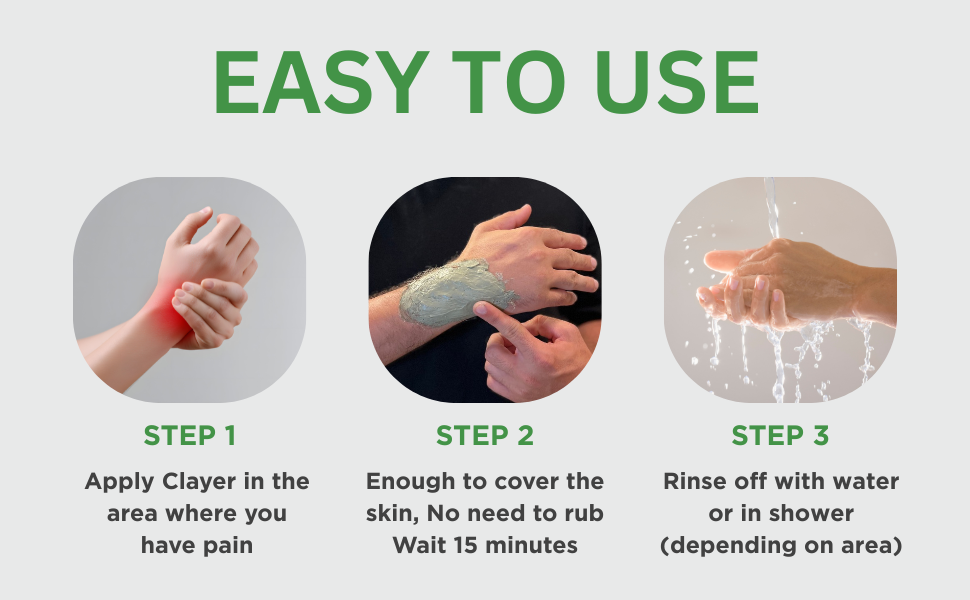
Clean the affected area gently with cool water, then apply a thin layer of natural healing clay. The clay works by absorbing impurities and delivering essential minerals directly to damaged skin cells. Leave it on for 15 minutes, then rinse with cool water. This simple process can dramatically speed up recovery time.
Finger Sprains and Joint Stiffness
Your fingers and wrists take a beating in BJJ. All that gripping, pulling, and defending submissions puts tremendous stress on these small joints. Finger sprains are so common that experienced grapplers often joke about their "cauliflower fingers."
Don't ignore finger injuries – they can lead to long-term mobility issues if not properly addressed. Natural treatment focuses on reducing inflammation while supporting the body's healing process.
The RICE method (Rest, Ice, Compression, Elevation) remains effective, but you can enhance recovery with natural clay treatments. The anti-inflammatory properties of French green clay help reduce swelling while improving circulation to the affected area.
For best results, apply clay directly to swollen joints after the initial ice treatment. The clay's natural electrolytes help restore proper cellular function, while its detoxifying properties remove metabolic waste that can slow healing.

Bruising and Deep Tissue Damage
BJJ practitioners know bruises well – they're basically battle scars that show you're training hard. But excessive bruising can indicate deeper tissue damage that needs attention. Your body is telling you something important, so listen to it.
Traditional bruise treatments often focus only on the surface, but natural healing clay works at a deeper level. The clay's mineral composition helps restore proper blood flow while reducing the inflammatory response that causes prolonged discoloration.
Apply clay to bruised areas within the first 24 hours for maximum effectiveness. The clay's natural drawing action helps remove trapped blood and lymphatic fluid that causes the characteristic purple coloring. This isn't just cosmetic – proper circulation is essential for tissue repair.
Joint Pain and Inflammation
Joint pain is probably the most serious concern for long-term BJJ practitioners. Your knees, shoulders, and spine absorb tremendous forces during training. Chronic inflammation can end your training career if not properly managed.
Many grapplers reach for over-the-counter pain relievers, but these medications can actually interfere with the natural healing process. Natural anti-inflammatory approaches work with your body instead of suppressing its responses.
French green clay contains natural minerals that help regulate inflammatory responses. Unlike synthetic treatments, clay supports your body's natural healing mechanisms while providing immediate relief.
Apply clay to painful joints after training sessions to prevent inflammation from building up overnight. The clay's cooling effect provides immediate comfort while its mineral content supports long-term joint health.
Neck and Shoulder Tension
The constant battle for position in BJJ creates tremendous tension in your neck and shoulders. This isn't just discomfort – chronic tension can lead to headaches, reduced mobility, and increased injury risk.
Heat therapy remains one of the most effective natural treatments for muscle tension. But combining heat with natural clay therapy creates a powerful synergy that addresses both symptoms and underlying causes.
The combination works beautifully: heat relaxes tight muscles while clay minerals penetrate deep into tissue to restore proper cellular function. This dual approach provides both immediate relief and long-term benefits.
Why Natural Treatment Works Better
Your body has incredible healing abilities when given the right support. Natural treatments work with your biology, not against it. Synthetic medications often mask symptoms while potentially interfering with natural healing processes.
French green clay has been clinically studied and proven effective for reducing inflammation and accelerating recovery. The clay's unique mineral profile includes magnesium, potassium, and calcium – all essential for proper muscle and joint function.
Professional athletes and doctors recommend natural clay therapy because it's both effective and safe for long-term use. You can use it consistently without worrying about side effects or building tolerance.

The CLAYER Advantage
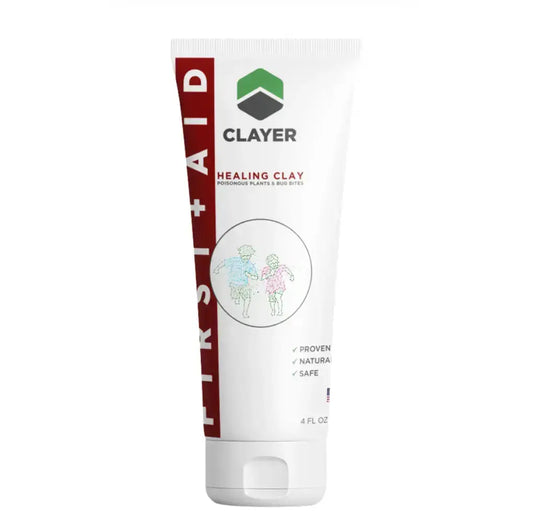
Not all healing clays are created equal. CLAYER uses certified, food-grade French green clay that meets the highest purity standards. This isn't just marketing – it's about ensuring you get consistent, reliable results every time.
The clay is premixed and ready to use, eliminating the guesswork and mess of traditional clay preparation. No mixing, no measuring, no hassle – just proven natural healing when you need it most.
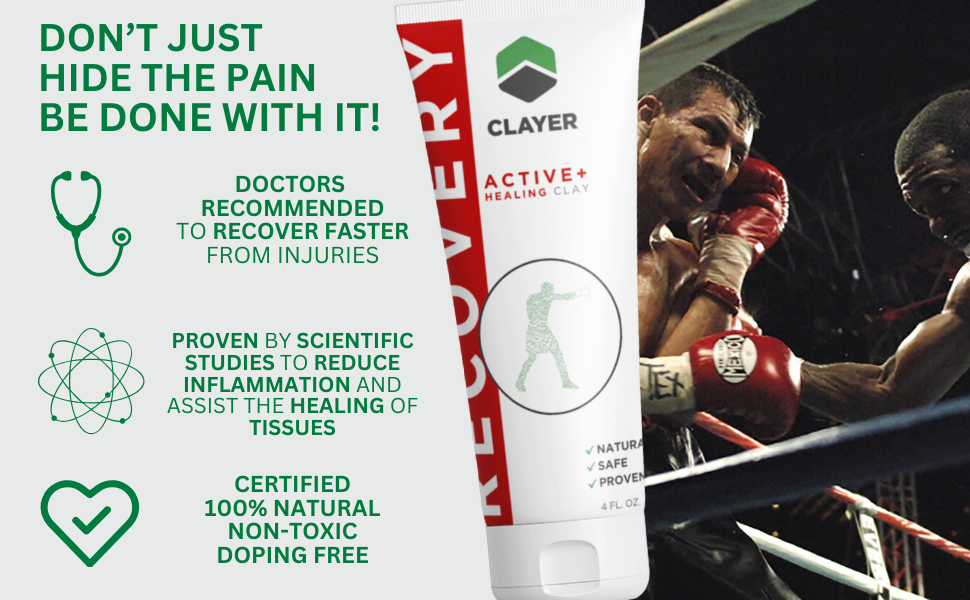
CLAYER products are trusted by professional athletes and recommended by sports medicine doctors because they deliver real results. The clay is certified non-toxic and doping-free, so you can use it with complete confidence.
Prevention Through Natural Care
The best injury treatment is prevention. Building natural recovery into your routine keeps minor issues from becoming major problems. Regular clay treatments help maintain healthy circulation and reduce cumulative inflammation.
Use clay therapy as part of your post-training routine. Apply it to areas that feel tight or sore, even if there's no visible injury. This proactive approach helps prevent small problems from becoming training-ending injuries.
Your training partners will notice the difference. Consistent natural care means more time on the mats and better performance when you're there.
When to Seek Professional Help
While natural treatments are highly effective for most BJJ injuries, some situations require professional evaluation. Severe pain, numbness, or loss of function should be evaluated by a healthcare provider immediately.
The beauty of natural treatment is that it complements professional care beautifully. Many sports medicine doctors recommend clay therapy as part of comprehensive treatment plans because it supports the body's natural healing without interfering with other treatments.
Your long-term health is more important than any single training session. Be smart about your body – it's the only one you have.
Natural healing isn't just about treating injuries – it's about building a sustainable approach to your BJJ journey. Your body will thank you for choosing treatments that work with its natural processes instead of against them.
Ready to experience the difference natural healing can make? Explore CLAYER's recovery solutions and discover why athletes worldwide trust French green clay for their toughest challenges.