
Martial Arts Injury: Your Complete Recovery Guide
Are you tired of martial arts injuries holding you back from reaching your full potential? Whether you're dealing with a fresh injury or chronic pain from years of training, understanding how to properly recover can make the difference between thriving and just surviving in your martial arts journey.
Martial arts injury recovery doesn't have to be complicated or filled with synthetic chemicals. With the right approach and proven natural solutions, you can get back to doing what you love faster and stronger than before.
Understanding Martial Arts Injury Types
Martial arts injuries span a wide spectrum, from minor bumps and bruises to serious fractures and concussions. The most common martial arts injuries include sprains, strains, cuts, and bruises that result from being struck, kicked, thrown, or falling during training and competition.
However, more serious injuries frequently occur in martial arts compared to other sports. Fractures and broken bones represent the most common severe martial arts injury, accounting for approximately 19% of all injuries. What makes martial arts injuries particularly challenging is that fractures can happen anywhere on the body and often result from miscalculated attacks rather than simple accidents.
The repetitive nature of martial arts training creates unique injury patterns. Extensive repetitive movements: kicks, stances, rolls, striking drills, and push-ups: can create muscle imbalances when certain areas become overused while others remain underdeveloped. Without proper attention to mobility, strength, and form, this repetition leads to tight muscles, joint stress, decreased range of motion, and poor movement mechanics.
Common Martial Arts Injury Locations
Knee and Ankle Martial Arts Injuries
Your knees take a beating in martial arts. The demands of kicking and grappling make the knee particularly vulnerable to injury. Kicking techniques strain the joint, while grappling positions require you to assume stances that stress the knees, creating opportunities for tendonitis and ligament sprains.
When swelling develops inside the knee joint, it can cause your quadriceps muscles to weaken and your knee to "buckle" or give way. This creates a cycle where weakness leads to more injury risk.
Hand and Arm Martial Arts Injuries
Your hands and arms are your primary weapons and shields in martial arts, making them frequent injury sites. The small joints of your fingers are particularly vulnerable through repeated punching or improper technique. It's especially common to break bones in the hands, shinbone, and arms because these areas are frequently used for defense during matches.
In the upper body, your elbows, wrists, and fingers represent the most common martial arts injury sites. These joints experience constant stress from striking and grappling techniques.
Neck, Spine, and Head Martial Arts Injuries
Sprains and strains are common in contact-focused martial arts and can lead to headaches or chronic neck and spine issues if left unaddressed. The complex moves and twists inherent in many martial arts forms can cause damage in unnatural ways, potentially resulting in conditions ranging from dislocated joints to herniated discs.
Concussions, also called mild traumatic brain injuries, occur as a result of blows or injuries to the head and are common in martial arts participants. While a mild concussion may resolve in as little as 7 days, repeated concussions can cause permanent brain damage.
Martial Arts Injury Severity Based on Contact Level
Your martial arts injury risk varies significantly depending on your discipline's contact level:
Light contact sports like certain karate competitions focus on making light contact to score points, resulting in relatively minor injury chances. Medium contact competitions such as judo involve more serious contact through full throws, potentially causing strains from improper falls. Full contact martial arts carry the highest injury risk, including serious injuries such as wrist issues, fractures, concussions, and worse.
Revolutionary Natural Recovery for Martial Arts Injuries
Here's where traditional martial arts injury recovery gets it wrong: most conventional treatments pump your body full of synthetic chemicals and harsh ingredients that can actually slow down your natural healing process.
What if there was a better way? What if you could accelerate your martial arts injury recovery using 100% natural, scientifically-proven ingredients that work WITH your body instead of against it?
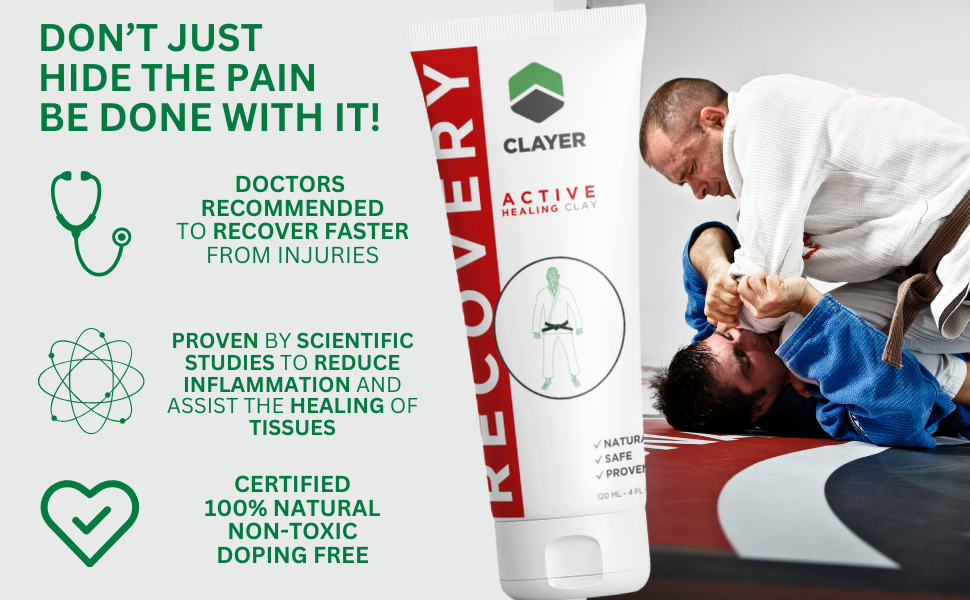
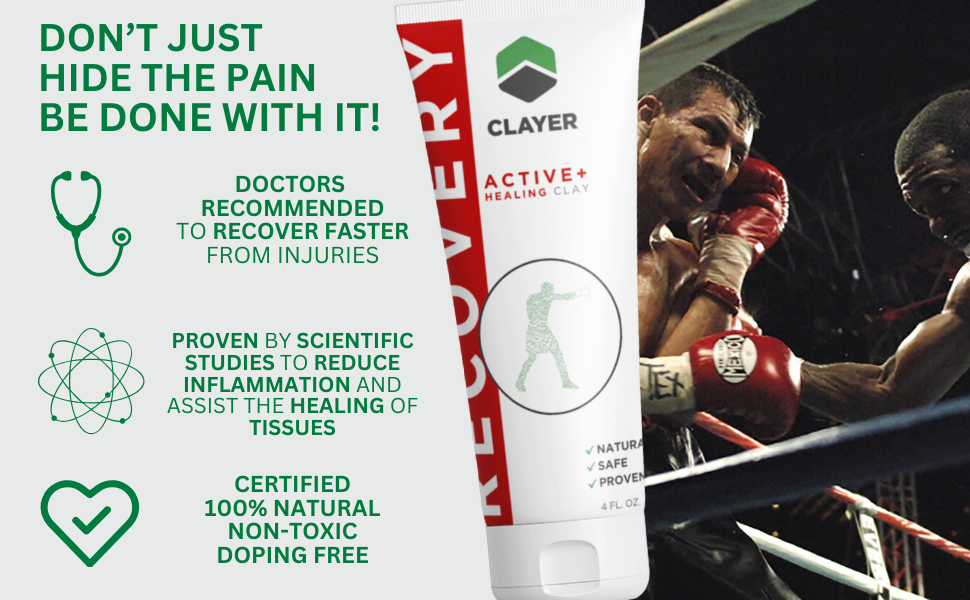
CLAYER Active Healing Clay represents a breakthrough in natural martial arts injury recovery. This isn't just another topical treatment: it's a doctor-recommended, scientifically-validated solution that reduces inflammation and accelerates healing without any synthetic chemicals or harmful additives.
Why CLAYER Dominates Martial Arts Injury Recovery
Proven Results That Speak for Themselves:
- Doctor recommended and scientifically validated for reducing inflammation
- 100% natural, non-toxic, and doping-free - certified safe for competitive athletes
- Made in USA with the highest quality standards
- Rated 100/100 on Yuka - the highest safety score possible
Real Athletes, Real Results: Professional fighters, MMA athletes, and martial artists across all disciplines trust CLAYER for their recovery needs. When your livelihood depends on peak performance, you don't mess around with subpar products.
Your Complete Martial Arts Injury Recovery Protocol
Step 1: Immediate Martial Arts Injury Care
The moment you experience a martial arts injury, your recovery timeline starts. Don't let precious healing time slip away with ineffective treatments.
Apply CLAYER Active Healing Clay directly to the injured area. The natural clay minerals penetrate deep into tissues to reduce inflammation and kickstart the healing process. Unlike synthetic treatments that mask pain, CLAYER actually addresses the root cause of martial arts injury inflammation.
Step 2: Ongoing Martial Arts Injury Management
Consistency separates champions from everyone else. Your martial arts injury recovery requires the same dedication you bring to your training.
Continue applying CLAYER 2-3 times daily to maintain optimal healing conditions. The natural clay creates an environment where your body can repair itself faster and more completely than with conventional treatments.
Step 3: Return to Training Protocol
Getting back to full training after a martial arts injury requires smart progression. CLAYER supports your return to action by maintaining healthy inflammation levels as you gradually increase training intensity.
Why Martial Artists Choose CLAYER Over Everything Else
Zero Compromise on Safety: Many conventional martial arts injury treatments contain ingredients you can't even pronounce. CLAYER's formula is so pure and natural, every ingredient serves a specific healing purpose without synthetic fillers or harsh chemicals.
Competitive Advantage: CLAYER is certified doping-free, meaning you can use it with complete confidence whether you're competing at local tournaments or international championships. Don't risk your career on questionable products.
Professional Endorsement: When sports doctors and medical professionals consistently recommend a product, you know it works. CLAYER has earned the trust of healthcare providers who see martial arts injuries every day.
Advanced Martial Arts Injury Prevention Strategies
Smart martial artists don't just treat injuries: they prevent them. Incorporating CLAYER into your pre and post-training routine helps maintain optimal muscle and joint health, reducing your overall martial arts injury risk.
Pre-Training Application: Apply CLAYER to areas prone to martial arts injury before intense training sessions. The natural minerals help prepare your tissues for the demands ahead.
Post-Training Recovery: Immediate application after training accelerates recovery and reduces inflammation before it becomes problematic.
Breaking Free from Martial Arts Injury Cycles
How many times have you dealt with the same martial arts injury coming back? Recurring injuries happen when the underlying inflammation never fully resolves. Conventional treatments often suppress symptoms without addressing root causes.
CLAYER's approach is different. By supporting your body's natural healing mechanisms instead of overriding them, you get complete resolution instead of temporary relief. This means fewer recurring martial arts injuries and more time doing what you love.
Your Martial Arts Injury Recovery Starts Now
Every day you delay proper martial arts injury treatment is another day of suboptimal healing. Your body wants to recover: give it the tools it needs to succeed.
Don't settle for synthetic solutions when nature provides everything your body needs for optimal healing. Join thousands of martial artists who have discovered the CLAYER difference.
Ready to experience what proven, natural martial arts injury recovery feels like? Your training partners will notice the difference. Your opponents will feel it.
Get your CLAYER Active Healing Clay today at clayerworld.com/collections/active-recovery-sport and discover why serious martial artists choose natural over synthetic every single time.
Your martial arts journey deserves the best recovery support available. You deserve CLAYER.
For more information about our doctor recommendations, visit clayerworld.com/pages/sports-doctors-recommended, and see what professional athletes say at clayerworld.com/pages/pro-athletes-artists-trusting-clayer.


