Natural vs Organic vs Non-Toxic: What Actually Matters for Your Skin
What "Natural," "Organic," and "Non-Toxic" Actually Mean on a Label
Natural. Organic. Non-toxic. Clean. These words show up on thousands of skincare and personal care products, but they don't all mean the same thing — and some of them don't legally mean anything at all. Here's the difference, straight from the regulatory sources that actually govern (or don't govern) each term.
The Words With No Legal Definition
Start with the words that sound the most reassuring, because they're also the least regulated.
The FDA has been direct about this: it has not defined "natural" and has no regulatory definition for that term in cosmetic labeling, and it also doesn't regulate "organic" for cosmetics, according to the agency's own small business fact sheet. "Non-toxic" and "clean" fall into the same bucket — neither has a federal definition either, so a brand can apply them to a product based on its own internal standard, whatever that happens to be.
"Hypoallergenic" is the clearest example of how loose these words can get. The FDA has stated plainly that there are no federal standards governing that term, and that, in the agency's own words, it "means whatever a particular company wants it to mean." The FDA actually tried to create a testing requirement for "hypoallergenic" claims in the 1970s, but a federal appeals court struck the regulation down, so the word has been unregulated ever since.
None of this means a product labeled "natural" or "clean" is bad. It means the word alone tells you nothing you can verify — it's a marketing choice, not a certification.
The Word That Does Have Teeth: "Organic"
"Organic" is different, because a separate federal agency does regulate it — just not the FDA. The FDA's own labeling claims page points to USDA's National Organic Program (NOP) as the authority over "organic" claims, and it applies specifically to the agricultural ingredients in a product.
USDA's own organic cosmetics guidance lays out four tiers for personal care products, based on the percentage of certified organic ingredients (excluding water and salt):
- "100 percent organic" — every ingredient is certified organic. Can carry the USDA Organic seal.
- "Organic" — at least 95 percent certified organic ingredients. Can also carry the seal.
- "Made with organic ingredients" — at least 70 percent certified organic. Cannot use the seal, but can name up to three organic ingredients on the front label.
- Below 70 percent — the word "organic" can't appear on the front of the package at all, only next to specific ingredients in the ingredient list.
Every one of those tiers requires the label to name the actual certifying agent — a real, checkable entity, not just the brand's own claim. That's the difference between "organic" and "natural": one requires third-party sign-off, the other doesn't require anything.

Where Third-Party Certifiers Like ECOCERT Fit In
USDA's organic program covers the agricultural ingredients. It doesn't certify a whole cosmetic formulation as "non-toxic" or audit a brand's broader sourcing and manufacturing practices. That gap is where private, independent certification bodies come in.
ECOCERT is one of the more established ones — a France-founded certifier operating since 1991, now auditing supply chains in more than 130 countries, with on-site inspections rather than a paperwork-only review. When a brand carries an ECOCERT certification (or a similar body's), it means an outside auditor checked the sourcing and formulation against a defined standard, not that the brand described itself accurately.
The Federal Trade Commission is the other piece of this puzzle worth knowing about: while the FDA governs cosmetic labeling, the FTC separately polices whether advertising claims like "all natural" are actually true. So even an unregulated word like "natural" isn't a complete free-for-all — it just isn't verified in advance the way "USDA Organic" is.
How to Tell the Difference When You're Shopping
- "Organic" with a named certifying agent → verified, USDA-regulated, checkable.
- A named third-party certifier (ECOCERT, USDA Organic, or similar) → independently audited.
- "Natural," "non-toxic," "clean," "hypoallergenic," "chemical-free" → no legal definition; it's the brand's own word choice until proven otherwise.
- No ingredient list or vague percentages → treat with the most skepticism, regardless of which of the words above is on the front label.
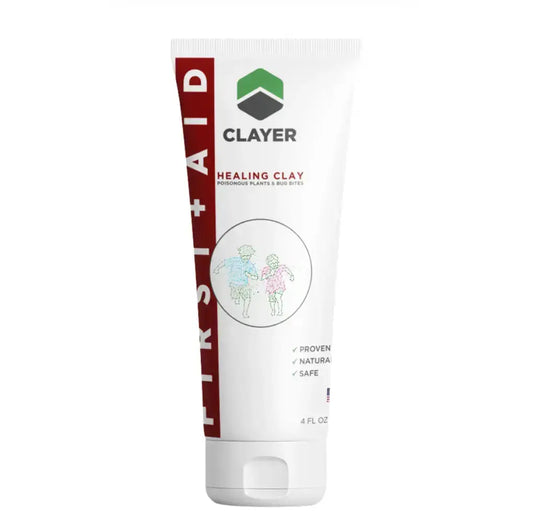
Clayer states that its ingredients are sourced to meet ECOCERT's natural and non-toxic standards, and lists that certification on its certifications page, alongside details on the clay's composition and sourcing. That's a genuinely different claim than an unqualified "natural" on a label — but the same rule applies here as with any brand: the way to trust it is to check the certification itself, not to take the word "certified" at face value.
The Bottom Line
"Natural," "non-toxic," and "clean" are marketing words with no legal teeth behind them. "Organic" has real regulatory structure through USDA, and independent bodies like ECOCERT fill in where USDA's program doesn't reach. Next time a label makes any of these claims, the question worth asking isn't "does it say organic/natural/clean" — it's "who verified that, and can I check it myself?"
Visit Clayer World: www.clayerworld.com