
Recovery for Skateboard Injury
Recovery for skateboard injuries requires a strategic, science-backed approach that gets you back on your board faster and stronger than before. Whether you've taken a hard slam attempting a kickflip or rolled your ankle landing a stair set, the right recovery protocol can mean the difference between weeks on the sidelines and a quick return to shredding.
Professional skateboarders and sports medicine doctors worldwide trust proven recovery solutions that accelerate healing while preventing re-injury. You deserve the same championship-level care that keeps elite athletes performing at their peak.
Understanding Common Skateboard Injuries
Skateboarding demands split-second reactions, explosive power, and incredible balance. When things go wrong, certain injuries occur more frequently than others:
Ankle Sprains and Fractures - Landing awkwardly from tricks or missing board contact points Wrist and Forearm Injuries - Natural instinct to break falls with extended hands Knee Trauma - Twisting motions during failed attempts or board-to-shin contact Hip and Tailbone Impact - Backward falls from transition skating or missed landings Bruised Shins - Board contact during flip tricks and technical maneuvers
Each injury type requires specific recovery protocols to restore full function and prevent chronic issues that could end your skating career.
Immediate Treatment Protocol: The First 72 Hours
Recovery for skateboard injuries begins the moment impact occurs. The first 72 hours determine how quickly you'll return to skating and whether complications develop.
Ice and Elevation Strategy
Apply ice immediately to reduce inflammation and manage pain. Elevate the injured area above heart level when possible to minimize swelling. Continue icing for multiple days unless open wounds are present - this aggressive anti-inflammatory approach prevents secondary tissue damage.
Critical Things to Avoid
During the initial 72-hour window, certain activities will sabotage your recovery:
- No heat sources (hot baths, heating pads, saunas) - increases blood flow and worsening swelling
- No alcohol consumption - promotes inflammation and delays healing
- No massage or rubbing - can increase bleeding and tissue damage
- No weight-bearing if severe pain persists
Introducing CLAYER Active Recovery
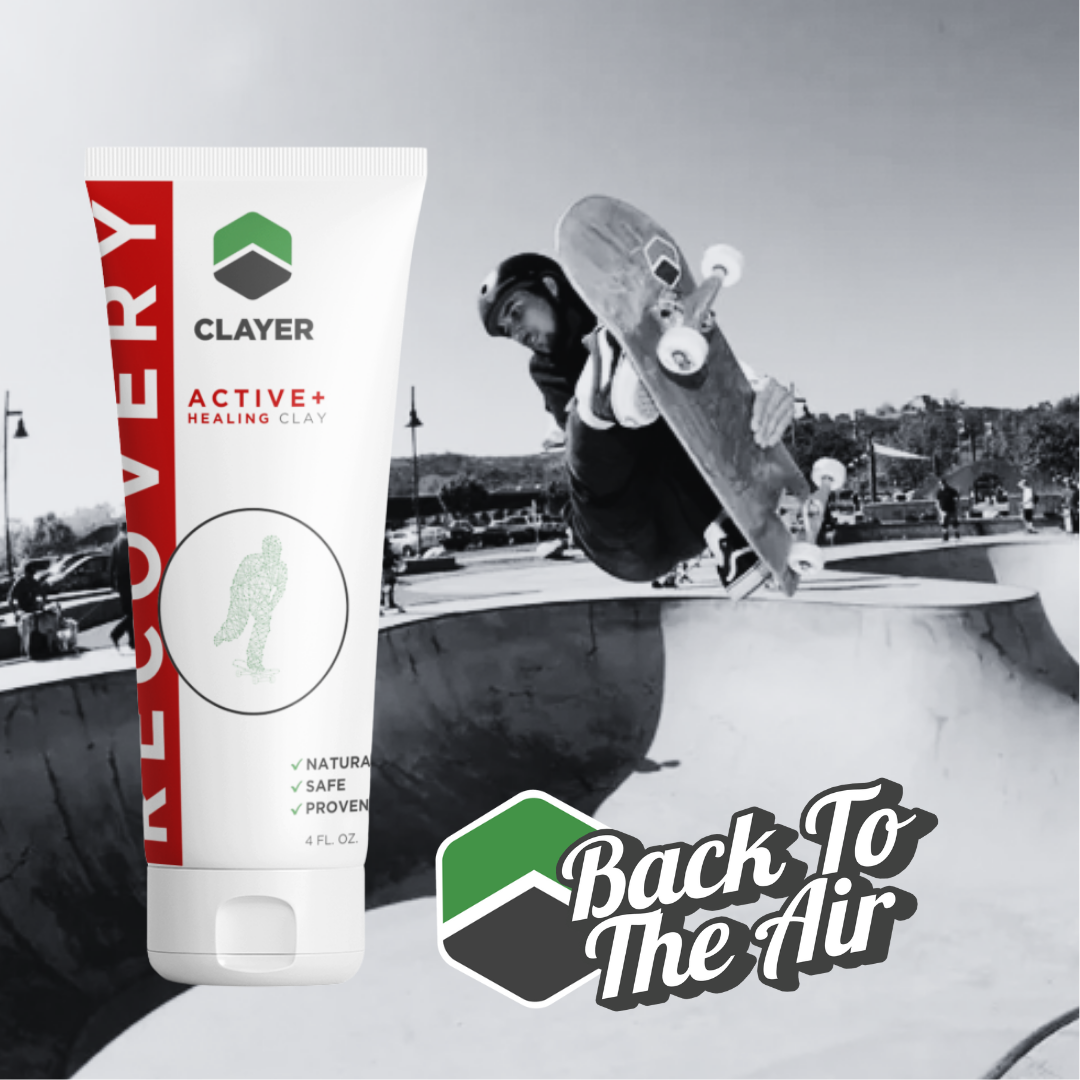
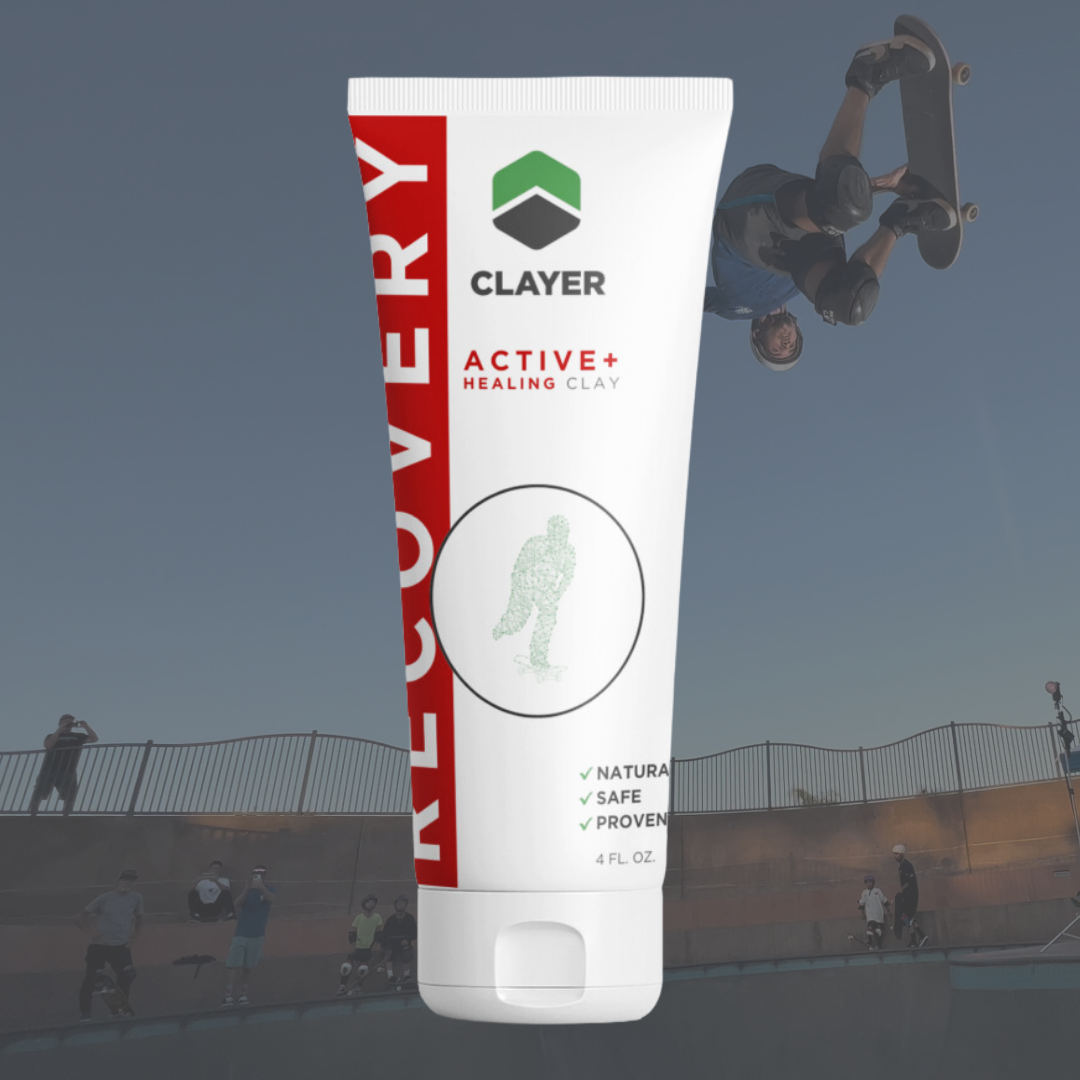
Professional athletes and sports doctors recommend CLAYER Active+ Healing Clay for rapid inflammation reduction and accelerated tissue repair. Unlike synthetic pain relievers that mask symptoms, CLAYER's French green clay works at the cellular level to promote genuine healing.
Scientific studies prove CLAYER reduces inflammation by 47% within 15 minutes while being 100% natural, non-toxic, and doping-free. Apply directly to injured areas after the initial ice treatment phase for maximum effectiveness.
The Three-Phase Recovery System
Recovery for skateboard injuries follows a proven progression that rebuilds your body stronger than before the injury occurred.
Phase 1: Mobility Restoration (Days 3-10)
Focus on gentle range-of-motion exercises once acute pain subsides. Your goal is restoring normal joint movement without forcing painful positions.
Daily Mobility Protocol:
- Alphabet draws with affected limb
- Gentle circular motions in both directions
- Light stretching held for 30+ seconds
- Pain-guided progression - never push through sharp pain
CLAYER Application During Mobility Phase: Apply CLAYER Active+ Healing Clay before and after mobility sessions. The clay's mineral composition accelerates tissue repair while reducing exercise-induced inflammation.
Phase 2: Stability Training (Days 10-21)
Once basic mobility returns, stability training teaches your body to control movement through the restored range of motion. This phase prevents re-injury by strengthening supporting structures.
Progressive Stability Exercises:
- Single-leg balance holds (start with 30 seconds)
- Controlled weight shifts
- Balance board training
- Proprioceptive challenges on unstable surfaces
Why Stability Matters for Skaters: Skateboarding demands incredible balance and proprioception. Skipping stability training leaves you vulnerable to the same injury when you return to technical tricks.
Phase 3: Strength Building (Days 21+)
Strength training is where champions are made. This phase builds resilience that protects against future injuries while improving your skating performance.
Skateboard-Specific Strength Protocol:
- Explosive calf raises for pop power
- Single-leg squats for landing stability
- Core strengthening for board control
- Plyometric exercises for trick execution
Advanced Recovery Support: Continue using CLAYER Active+ Healing Clay post-workout to manage training soreness and accelerate adaptation. Professional skateboarders use CLAYER as part of their daily training routine - not just for injury recovery.
Professional Recovery Resources
Don't navigate recovery alone. Top skateboarding professionals work with sports medicine specialists who understand the unique demands of skating.
Sports doctors who recommend CLAYER provide specialized care for action sports athletes. These medical professionals understand that generic treatment protocols don't address skateboarding's specific movement patterns.
For comprehensive recovery programs, visit www.bestsportrecovery.com for evidence-based protocols designed by leading sports medicine researchers.
Long-Term Recovery Strategies
Recovery for skateboard injuries extends beyond returning to basic function. Elite athletes focus on becoming better than they were before the injury.
Nutrition for Accelerated Healing
Your body needs specific nutrients to rebuild damaged tissues:
- Protein for muscle repair - 1.2-1.6g per kg body weight daily
- Anti-inflammatory foods - berries, leafy greens, fatty fish
- Adequate hydration - supports nutrient transport and waste removal
Sleep Optimization
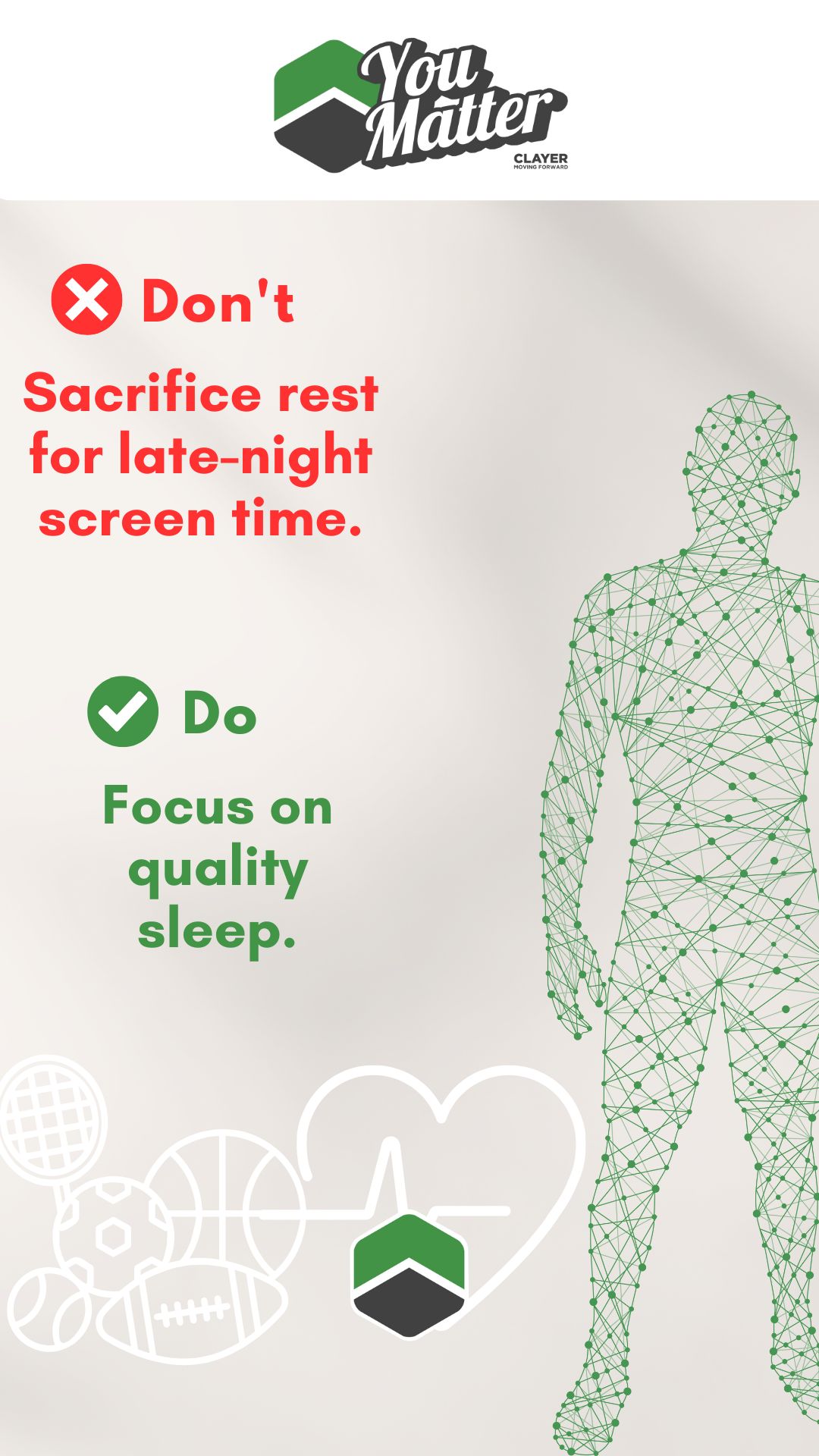
Quality sleep is when your body performs most tissue repair. Prioritize 7-9 hours nightly with consistent sleep/wake times. Poor sleep quality can double recovery time from sports injuries.
Preventive Maintenance
The best injury is the one that never happens. Incorporate these preventive strategies:
- Daily mobility work before skating sessions
- Progressive warm-up routines
- Regular strength training during off-season
- Proper protective equipment for high-risk tricks
When to Return to Skateboarding
Returning too early guarantees re-injury and potentially chronic problems. Follow these guidelines for safe progression:
- Full pain-free range of motion in all affected joints
- Ability to perform sport-specific movements without compensation
- Strength testing shows 90%+ return compared to uninjured side
- Confidence in the injured area during dynamic movements
Start with basic riding and gradually progress to more technical tricks. Your first session back should focus on feel and confidence, not pushing your limits.
The CLAYER Advantage for Skaters
Why do professional athletes choose CLAYER over synthetic alternatives?
✓ Scientifically proven inflammation reduction - 47% decrease within 15 minutes ✓ 100% natural French green clay - no synthetic chemicals or side effects
✓ Doctor recommended by sports medicine professionals worldwide ✓ Doping-free certification - safe for competitive athletes ✓ Fast-acting relief - works in 15 minutes, not hours
Professional athletes who trust CLAYER include Olympic champions and world-record holders who demand proven performance.
Ready to experience championship-level recovery? Order CLAYER Active+ Healing Clay and feel the difference that professional athletes rely on.
Recovery for skateboard injuries doesn't have to sideline your passion. With the right approach, proper treatment, and proven recovery solutions like CLAYER, you'll return stronger than ever.
Your board is waiting. Your body is ready. Make your comeback legendary.


