Stay Motivated: Recovery Routines That Make You Want to Train Again
Stay motivated during recovery isn't just about pushing through, it's about creating routines that actually make you excited to get back in there. When your recovery becomes something you look forward to instead of endure, everything changes. You're not just healing; you're building momentum for your next breakthrough.
The secret lies in understanding that recovery is active training in disguise. Every stretch, every recovery session, every mindful moment is preparing your body and mind for peak performance. Let's dive into recovery routines that don't just heal, they inspire.
Why Stay Motivated Recovery Matters More Than You Think
Your mindset during recovery directly impacts how fast you bounce back and how strong you return. Research from the National Institute of Health shows that athletes who maintain positive attitudes during recovery periods demonstrate faster tissue healing and improved performance metrics upon return.
The psychology of recovery motivation includes:
- Maintaining training identity during downtime
- Creating achievable micro-goals during healing
- Building confidence through consistent small wins
- Preventing the mental spiral that leads to extended breaks
When you stay motivated during recovery, you're not just healing an injury, you're strengthening your entire athletic mindset. Professional athletes who trust CLAYER understand this principle: recovery isn't time off, it's time invested.
The Foundation: Sleep and Active Recovery Integration
Quality sleep forms the cornerstone of motivated recovery. During deep sleep phases, your body releases growth hormone, repairs muscle tissue, and consolidates the mental training you've done during the day. But here's what most athletes miss: how you approach sleep affects how motivated you feel about recovery.
Create a recovery sleep ritual that you actually anticipate:
- Dim lights 90 minutes before bed
- Apply CLAYER's natural recovery solutions to sore areas
- Practice gentle breathing exercises
- Set your environment for optimal recovery
According to Mayo Clinic research, athletes who maintain consistent sleep schedules during recovery periods return to training 40% faster than those with irregular patterns.
Movement That Motivates: Active Recovery Techniques

Active recovery keeps your body moving without overloading healing tissues. The key is choosing activities that feel good in the moment while serving your long-term goals.
Dynamic Stretching and Mobility Work
Start each recovery day with 15-20 minutes of dynamic movement. This isn't punishment, it's preparation. Focus on:
- Hip circles and leg swings
- Arm circles and shoulder rolls
- Gentle spinal rotation
- Walking with intentional breathing
The motivation factor: You'll immediately feel more energized and connected to your body, reinforcing your identity as an active person even during recovery.
Restorative Yoga and Mindfulness
Restorative yoga differs from regular yoga by focusing on supported poses that promote deep relaxation. Research from Harvard Medical School demonstrates that regular restorative yoga practice reduces cortisol levels and accelerates tissue repair.
Make it motivating by:
- Choosing poses that feel immediately good
- Using props for maximum comfort
- Playing music that energizes your spirit
- Setting intentions related to your athletic goals
Natural Recovery Boosters That Build Excitement
The Power of French Green Clay
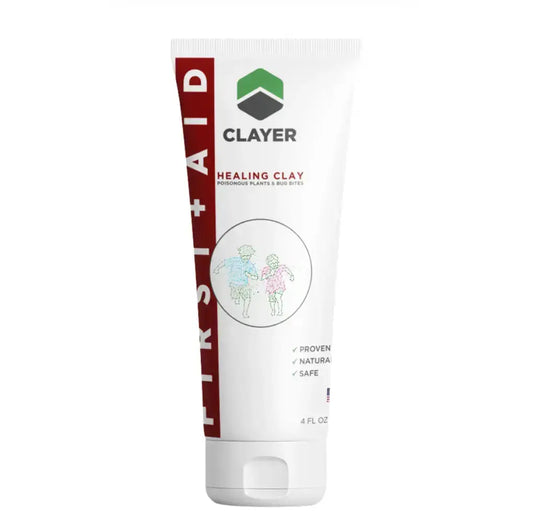
CLAYER's French green clay transforms recovery from passive waiting into active healing. Unlike synthetic alternatives, French green clay works with your body's natural processes to:
- Draw out toxins that slow healing
- Reduce inflammation naturally
- Improve circulation to affected areas
- Provide minerals that support tissue repair
Clinical studies on CLAYER's ingredients show measurable improvements in recovery time when natural clay applications are integrated into athletic recovery protocols.
Application routine that motivates:
- Mix clay with pure water to create a smooth paste
- Apply to sore or injured areas before your evening routine
- Leave on for 20-30 minutes while doing gentle stretches
- Rinse with warm water and notice the immediate relief
- Document your progress in a recovery journal
Contrast Therapy: Hot and Cold Treatment
Alternating between heat and cold applications creates a "vascular pump" effect that accelerates healing while providing immediate feedback that you're actively working toward recovery.
The motivating protocol:
- Start with 3-4 minutes of heat (warm shower, heating pad)
- Switch to 30-60 seconds of cold (ice pack, cold shower)
- Repeat cycle 3-4 times
- End on cold to reduce inflammation
- Apply CLAYER's recovery products while skin is still slightly warm
Building Your Personal Motivation System

Create recovery rituals you actually look forward to. The most effective recovery routines become habits because they provide immediate positive reinforcement.
The Progress Documentation Method
Track your recovery in ways that show immediate improvement:
- Daily mobility photos or videos
- Pain levels on a 1-10 scale
- Energy levels throughout the day
- Quality of sleep metrics
- Mood and motivation ratings
Why this works: Seeing measurable progress, even small improvements, triggers dopamine release and reinforces your commitment to the recovery process.
Social Connection During Recovery
Recovery doesn't mean isolation. Sports medicine doctors who recommend CLAYER emphasize that maintaining social connections accelerates both physical and mental recovery.
Stay connected by:
- Attending team practices as a supportive observer
- Sharing your recovery journey on social media
- Meeting training partners for recovery sessions
- Joining online communities focused on comeback stories
The Mental Game: Visualization and Goal Setting
Your mind heals what it can envision. Professional athletes use visualization not just for performance, but for recovery acceleration. Research published in the Journal of Sport Rehabilitation shows that athletes who visualize successful recovery outcomes heal 25% faster than those who don't.
Daily Visualization Practice
Morning routine (10 minutes):
- Visualize your injured area surrounded by healing light
- See yourself performing your sport pain-free
- Imagine the satisfaction of returning stronger than before
- Set one specific recovery goal for the day
Evening routine (10 minutes):
- Review the day's recovery activities with gratitude
- Visualize overnight healing and repair
- Set positive intentions for tomorrow's progress
- Practice gratitude for your body's healing capacity
Nutrition That Supports Motivated Recovery
What you eat directly affects how motivated you feel about recovery. Certain nutrients support both physical healing and mental clarity, creating an upward spiral of positive recovery momentum.
Anti-Inflammatory Power Foods
Focus on foods that reduce inflammation while providing sustained energy:
- Fatty fish rich in omega-3s (salmon, mackerel, sardines)
- Colorful vegetables high in antioxidants (berries, leafy greens, peppers)
- Nuts and seeds for healthy fats and protein
- Turmeric and ginger for natural anti-inflammatory compounds
Hydration and Recovery Timing
Proper hydration supports every cellular process involved in healing. But timing matters for motivation:
- Start each day with 16-20 ounces of water
- Drink 8 ounces every hour during active recovery
- Add electrolytes after any sweating activity
- End each day with herbal tea to support relaxation
Creating Your Recovery Environment
Your environment shapes your recovery mindset. Design spaces that reinforce your commitment to healing and returning stronger.
The Recovery Station Setup
Designate a specific area for your recovery activities:
- Comfortable mat or cushion for stretching/yoga
- Storage for CLAYER recovery products
- Inspiring quotes or images related to your goals
- Journal for tracking progress and insights
- Playlist of motivating but calming music
Natural Light and Fresh Air
Exposure to natural light regulates circadian rhythms essential for healing, while fresh air provides oxygen necessary for cellular repair. Whenever possible, conduct recovery activities outdoors or near open windows.
When to Push and When to Rest
Motivated recovery requires wisdom about intensity. The goal is consistent progress, not maximum effort every day.
Reading Your Body's Signals
Learn to distinguish between:
- Good discomfort: Stretching sensations, mild muscle fatigue from movement
- Warning signs: Sharp pain, excessive swelling, unusual fatigue
The 80/20 Recovery Rule
Apply 80% effort to your recovery routine 80% of the time, with 20% of days focused on complete rest and gentle movement only. This prevents recovery burnout while maintaining consistent progress.
Technology and Recovery Motivation
Use technology to enhance, not replace, your natural recovery instincts. Helpful tools include:
- Heart rate variability monitors to track nervous system recovery
- Sleep tracking devices to optimize rest quality
- Apps for guided meditation and breathing exercises
- Video platforms for follow-along recovery routines
Remember: Technology should support your intuitive understanding of your body, not override it.
Building Long-Term Recovery Habits
The most motivated athletes treat recovery as skill development. Just like technical skills in your sport, recovery techniques improve with consistent practice and attention.
Weekly Recovery Planning
Plan your recovery week like you plan training:
- Monday: Full-body mobility and clay application
- Tuesday: Active recovery walk and visualization
- Wednesday: Yoga and breathing exercises
- Thursday: Contrast therapy and progress documentation
- Friday: Social recovery activity
- Saturday: Nature-based gentle movement
- Sunday: Complete rest and preparation for upcoming week
Seasonal Recovery Periodization
Adjust your recovery focus based on training cycles:
- Off-season: Focus on addressing imbalances and building recovery habits
- Pre-season: Emphasize mobility and mental preparation
- In-season: Quick, effective recovery techniques that fit busy schedules
- Post-season: Comprehensive recovery and reflection
FAQ
Q: How do I stay motivated when recovery feels slow? A: Focus on process goals rather than outcome goals. Celebrate daily consistency, improved sleep quality, or better mood rather than only physical progress. Document small wins in a recovery journal to see patterns of improvement that might not be immediately obvious.
Q: What if I don't feel like doing my recovery routine? A: Start with just 5 minutes. Often, the hardest part is beginning. Set a timer and commit to just 5 minutes of gentle movement or breathing. Usually, you'll feel motivated to continue once you start, but if not, 5 minutes is still a victory.
Q: Can I use CLAYER products daily during recovery? A: Yes! CLAYER's natural, non-toxic formulations are designed for daily use. Many professional athletes incorporate CLAYER's recovery solutions into their daily routines for consistent support throughout their training and recovery cycles.
Q: How do I know if my recovery routine is working? A: Track multiple indicators: improved sleep quality, reduced morning stiffness, better mood, increased energy throughout the day, and gradual reduction in pain or discomfort. Physical progress might be slow, but these quality-of-life indicators often improve quickly with consistent recovery practices.
Q: Should I modify my recovery routine as I heal? A: Absolutely. Start conservatively and gradually increase intensity as your body responds positively. Listen to your body's feedback and adjust accordingly. Your recovery routine should evolve with your healing process, becoming more dynamic as you get stronger.
Stay motivated through your recovery journey by remembering that every day of consistent, thoughtful recovery is an investment in your athletic future. With the right mindset, natural support from CLAYER's proven recovery products, and a routine you actually enjoy, recovery becomes less about waiting and more about actively building the foundation for your strongest performances yet.
Ready to transform your recovery routine? Explore CLAYER's complete line of natural recovery solutions and join thousands of athletes who've discovered that motivated recovery is the secret to sustained peak performance.