
What Are the Side Effects of Clay?
Meta Description: Discover the common and rare side effects of clay, from digestive issues to heavy metal contamination. Learn how quality clay products minimize risks for safer healing.
Clay therapy has gained massive popularity for its healing properties, but what are the side effects of clay that you need to know about? Whether you're considering internal consumption or topical application, understanding potential risks is crucial for safe and effective use.
Let's dive into the complete picture – the good, the challenging, and how to minimize risks while maximizing benefits.
Common Short-Term Side Effects of Clay
Digestive Disruption
The most frequent side effects of clay when taken internally include:
- Bloating and gas – especially during initial use
- Constipation – due to clay's absorptive properties
- Nausea – particularly if not properly hydrated
- Stomach discomfort – from the body adjusting to clay consumption
According to Healthline, these digestive issues typically occur when people don't drink enough water with clay or consume too much too quickly. The key is starting slowly and staying hydrated!
Dehydration Concerns
Clay's powerful absorption capabilities can lead to temporary dehydration. When consumed internally, clay doesn't just absorb toxins – it also pulls moisture from your digestive system. This is why proper hydration is non-negotiable when using any clay product.
Serious Long-Term Side Effects of Clay
Nutritional Deficiencies
Long-term clay consumption carries more significant risks, including:
- Iron deficiency anemia
- Low potassium levels (hypokalemia)
- Zinc deficiencies
- Delayed growth (particularly concerning for children)
- Slowed nutrient absorption
Research shows that prolonged clay consumption can interfere with your body's ability to absorb essential minerals and vitamins, creating a dangerous cycle of nutritional depletion.
Dangerous Intestinal Complications
In extreme cases, excessive clay consumption has led to:
- Intestinal blockage
- Intestinal perforation
- Fatal complications from digestive obstruction
These severe side effects of clay underscore why quality, dosage, and duration matter tremendously.
Heavy Metal Contamination: The Hidden Danger
Here's where things get concerning – many clay products contain dangerous heavy metals including:
- Lead
- Arsenic
- Mercury
- Cadmium
The FDA has issued warnings about specific bentonite clay products due to lead poisoning risks. These toxic metals can accumulate in your liver and bloodstream, causing serious long-term health problems.
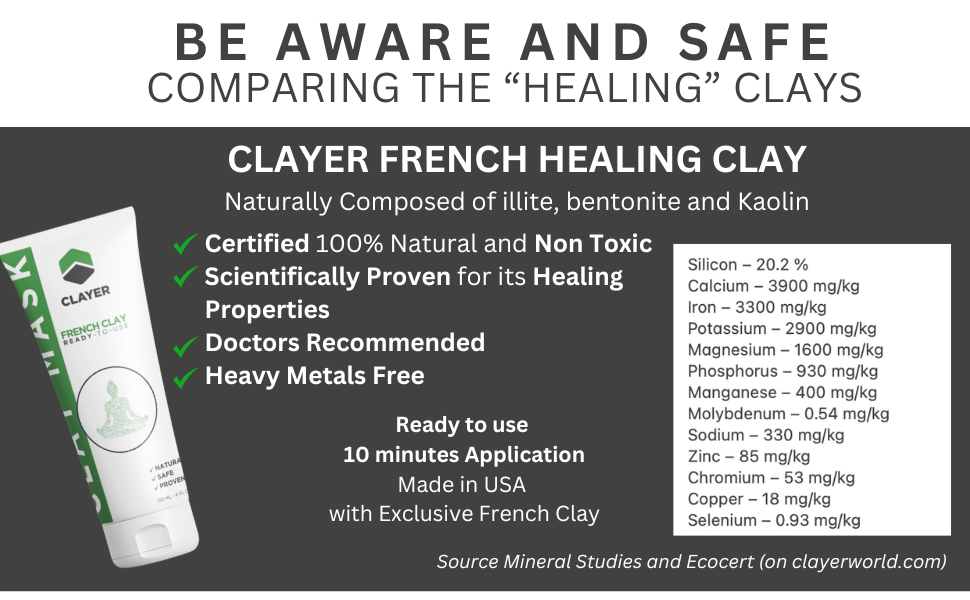
This is exactly why CLAYER products are rigorously tested and certified heavy metals free! Our French healing clay undergoes extensive purification and testing to ensure you get all the benefits without the contamination risks.
Medication and Supplement Interactions
Clay can bind to medications and reduce their effectiveness, including:
- Antibiotics
- Heart medications
- Hormonal treatments
- Pain relievers
- Vitamins and minerals
If you're taking any medications, consult your healthcare provider before using clay internally. The absorption interference can be dangerous for critical medications.
Topical Side Effects of Clay
Even external clay applications can cause issues:
- Skin irritation in sensitive individuals
- Excessive dryness with overuse
- Allergic reactions (rare but possible)
- Contact dermatitis from contaminated products
Quality matters tremendously for topical applications. Premium clay masks like those from reputable sources minimize these risks through proper formulation and testing.
Who Should Avoid Clay?
Certain groups face higher risks from side effects of clay:
- Pregnant and breastfeeding women – especially for internal use
- Individuals with anemia – clay worsens iron deficiency
- People with low potassium – clay further depletes levels
- Those with digestive disorders – clay can exacerbate symptoms
- Children under supervision – higher contamination sensitivity
How CLAYER Minimizes Side Effects
Here's what sets CLAYER healing clay apart:
✅ Heavy Metals Free – Rigorous testing ensures no toxic contamination ✅ Food-Grade Quality – Safe for any application ✅ Doctor Recommended – Medical professionals trust our formulations ✅ Scientifically Proven – Clinical studies back our effectiveness ✅ Ready-to-Use – Proper hydration and consistency eliminate common issues
External Resources for Clay Safety
For additional information on clay safety and side effects of clay, check these trusted sources:
- French Healing Clay comprehensive guide
- The Green Clay safety information
- Healthline's clay therapy overview
Smart Clay Usage Guidelines
To minimize side effects of clay while maximizing benefits:
- Start with external applications before considering internal use
- Choose tested, certified products from reputable manufacturers
- Stay hydrated – drink extra water when using clay
- Limit internal consumption – short-term use is safer
- Consult healthcare providers if taking medications
- Monitor your body's response – discontinue if adverse reactions occur
The Bottom Line on Clay Side Effects
Side effects of clay range from mild digestive discomfort to serious health complications – but quality makes all the difference. While inferior clay products pose real risks from heavy metal contamination and improper processing, premium options like CLAYER eliminate most concerns through rigorous testing and proper formulation.
The key is choosing wisely. Don't gamble with your health using untested clay products when scientifically proven, doctor-recommended options are available.
Your body deserves the best – and that means clay that's been properly sourced, tested, and formulated for both safety and effectiveness.
Ready to experience clay therapy without the worries? Explore CLAYER's complete range of tested, certified healing clay products designed for modern wellness needs.
Remember: The goal isn't to avoid natural healing – it's to embrace it intelligently with products you can trust!


