
What Are the Types of Fascia? A Simple Guide with Natural Solutions
Ever wondered why that deep muscle tension just won't go away, no matter how much you stretch or massage? The answer might lie in your fascia: a revolutionary discovery that's changing how we understand pain, movement, and recovery.
Your fascia is like a continuous web of connective tissue that wraps around every single structure in your body. Think of it as nature's built-in support system that keeps everything connected and moving smoothly. But when fascia becomes restricted, sticky, or damaged, it can create pain patterns that seem impossible to resolve.
Here's the game-changer: Understanding your fascia types and how to care for them naturally can unlock levels of mobility, comfort, and athletic performance you never thought possible.
The Four Essential Types of Fascia Your Body Depends On
Superficial Fascia: Your Body's Protective Outer Layer
Superficial fascia sits directly beneath your skin in what's called the hypodermis. This outermost fascial layer is packed with loosely woven collagen and elastic fibers, making it more flexible than deeper layers.
What makes superficial fascia unique:
- Thicker on your trunk, thinner toward extremities
- More elastic and pliable than other fascia types
- Provides pathways for blood vessels, nerves, and lymphatic drainage
- Varies in thickness throughout your body for optimal function
When superficial fascia becomes restricted from injury, inflammation, or poor movement patterns, you might experience:
- Surface-level tension and tightness
- Reduced skin elasticity
- Compromised circulation
- Delayed healing from minor injuries
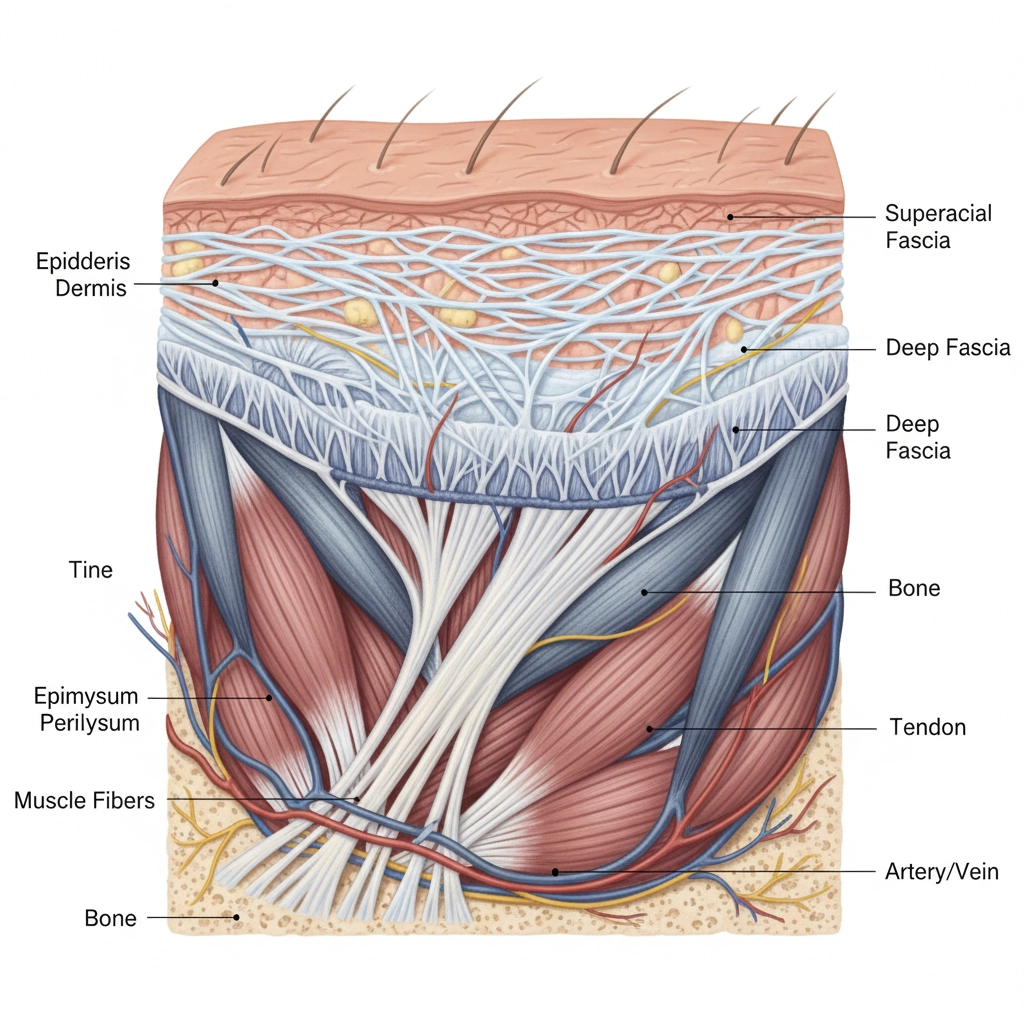
Deep Fascia: Your Body's Structural Powerhouse
Deep fascia contains a much higher concentration of collagen fibers, making it the strongest and most stable fascial layer. This is where serious athletes and active individuals often experience the most significant restrictions.
Deep fascia divides into two critical subtypes:
Aponeurotic Fascia:
- Thick, pearly-white tissue that separates easily from muscles
- Covers entire muscle groups like a protective sheath
- Includes major structures like the thoracolumbar fascia of your back
- Essential for force transmission during athletic performance
Epimysial Fascia:
- Thin but tightly connected to individual muscles
- Maintains intimate contact with underlying tissue
- Critical for muscle coordination and movement efficiency
Deep fascia is richly supplied with sensory receptors and contains immune cells, making it integral to your body's repair and inflammation response. When deep fascia becomes restricted, you experience:
- Deep, aching muscle pain
- Reduced range of motion
- Compromised athletic performance
- Increased injury risk
Visceral Fascia: Your Internal Support Network
Visceral fascia suspends and protects your organs within body cavities. This fascial type wraps your organs in layers of connective tissue membranes that allow for natural movement while maintaining protection.
Researchers classify visceral fascia into:
- Investing fascia: Shapes individual organs
- Insertional fascia: Connects organs to your musculoskeletal system
Healthy visceral fascia maintains perfect tension balance: stretching to accommodate organ movement while providing structural support. When visceral fascia becomes:
- Too tight: Restricts natural organ movement
- Too loose: Can lead to organ prolapse and dysfunction
Parietal Fascia: Your Body's Cavity Liner
Parietal fascia lines your body cavities and works synergistically with visceral fascia to maintain optimal organ positioning and function.
Why Fascial Health Determines Your Recovery Success
Most people focus on muscles and joints, completely ignoring the fascial system that connects everything together. This oversight is why traditional approaches often fail to provide lasting relief.
Consider this: When fascia becomes unhealthy, it transforms from a smooth, sliding system into sticky, clumped, and restricted tissue that creates:
- Persistent pain patterns
- Movement limitations
- Slower recovery times
- Increased re-injury risk
Natural Solutions That Actually Work for Fascial Health
Movement and Exercise: The Foundation
Regular exercise is absolutely essential for maintaining fascial health. Movement prevents the stiffness and restrictions that develop with sedentary lifestyles. But here's what most people miss: quality trumps quantity every time.
Your fascia needs:
- Varied movement patterns
- Regular stretching routines
- Consistent daily activity
- Proper recovery protocols
Hydration: The Overlooked Game-Changer
Staying well-hydrated is crucial for fascial function. Since fascial layers are designed to slide past each other smoothly, adequate hydration supports this natural lubrication system.
Dehydration leads to:
- Sticky, restricted fascia
- Increased pain and tension
- Slower healing responses
- Reduced athletic performance
Cold Therapy: Strategic Recovery Support
After intense workouts or when dealing with fascial restrictions, strategic cold therapy can support recovery by reducing inflammation and swelling.
Best practices:
- Apply for 15-minute intervals
- Use up to three times daily
- Always wrap ice packs to prevent tissue damage
- Focus on problem areas
Why CLAYER is the Superior Natural Solution for Fascial Health
While basic approaches help maintain fascial health, serious athletes and active individuals need advanced natural solutions that target fascial restrictions at their source.
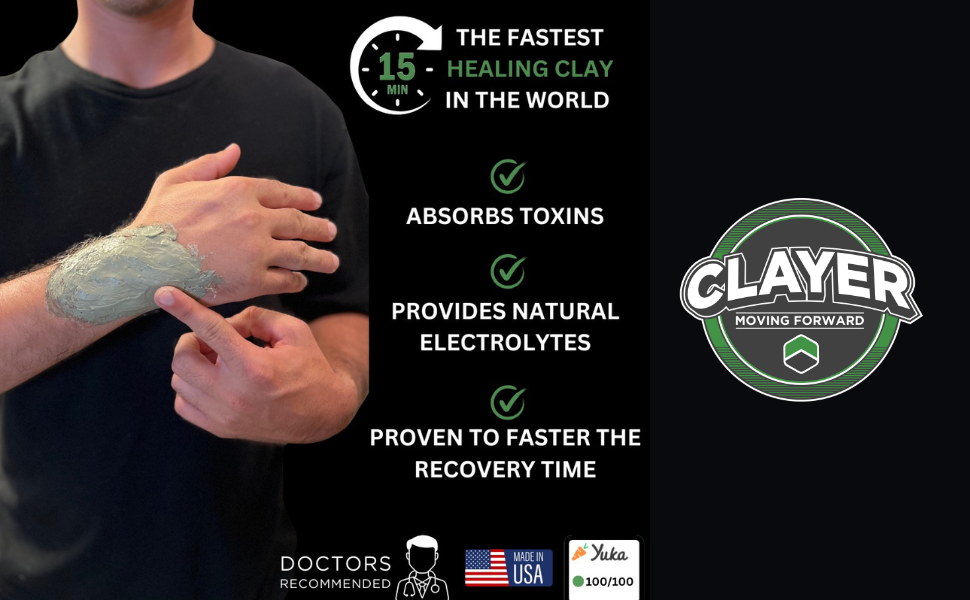
CLAYER's French green clay represents the pinnacle of natural fascial recovery because it:
Draws Out Deep Toxins and Inflammation
Unlike surface-level treatments, CLAYER's healing clay penetrates deep into fascial layers to:
- Absorb inflammatory toxins that cause fascial restrictions
- Remove metabolic waste that accumulates in fascial tissue
- Provide natural electrolytes essential for fascial function
- Support cellular repair at the fascial level
Check out our complete recovery collection designed specifically for fascial health optimization.
Proven Results in Just 15 Minutes
CLAYER delivers rapid fascial relief that conventional approaches simply can't match:
- Toxin absorption begins immediately upon application
- Natural electrolyte delivery supports fascial hydration
- Accelerated recovery compared to standard methods
- 100/100 Yuka safety score for complete peace of mind
Trusted by Sports Medicine Professionals
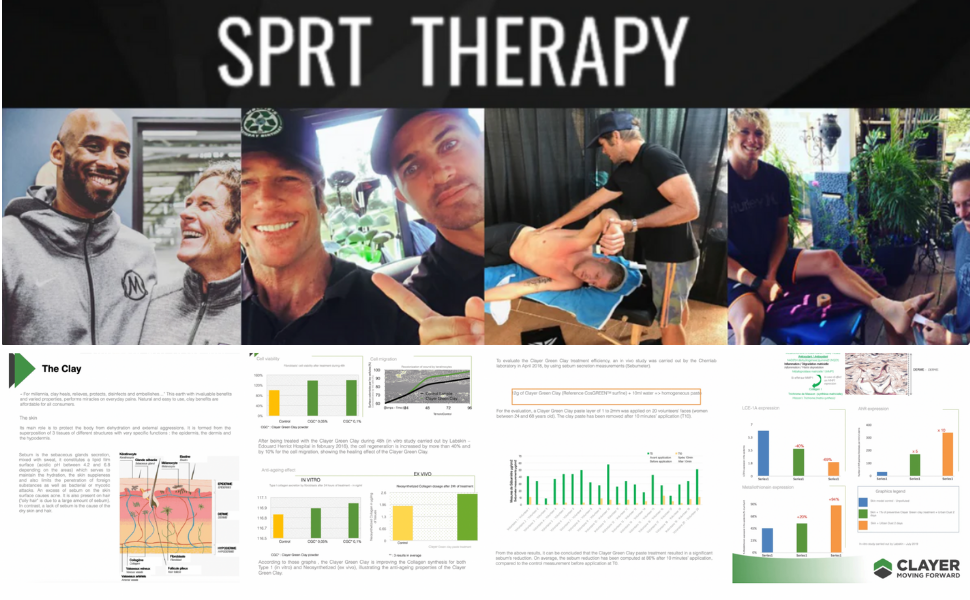
Top sports doctors and therapists recommend CLAYER because they've witnessed its superior effectiveness for fascial issues:
- Doctor-recommended for natural fascial care
- Certified safe and effective by medical professionals
- Zero harmful chemicals that could worsen fascial restrictions
- Made in the USA with the highest quality standards
See why sports doctors recommend CLAYER for fascial health and recovery.
Elite Athlete Endorsed
Professional athletes who depend on optimal fascial function trust CLAYER:
- Faster recovery between training sessions
- Reduced fascial restrictions that limit performance
- Natural approach that supports long-term fascial health
- Consistent results that traditional methods can't deliver
Discover which pro athletes trust CLAYER for their fascial care needs.
Transform Your Fascial Health Starting Today
Your fascia is the missing link between pain and performance, between restriction and freedom of movement. While understanding fascial types gives you knowledge, taking action with proven natural solutions gives you results.
CLAYER's approach is different because it:
- Targets root causes instead of masking symptoms
- Works naturally with your body's healing processes
- Delivers proven results in minimal time
- Supports long-term fascial health and function
Don't let fascial restrictions hold you back from the active, pain-free life you deserve. Your fascia can heal, recover, and perform optimally: but only when you give it the right natural support.
Ready to experience the CLAYER difference? Start your fascial healing journey with the most trusted natural clay recovery system available.
Your body's built-in recovery system is waiting. CLAYER helps you unlock it.


