What Is Green Clay? Why Athletes Use It for Recovery
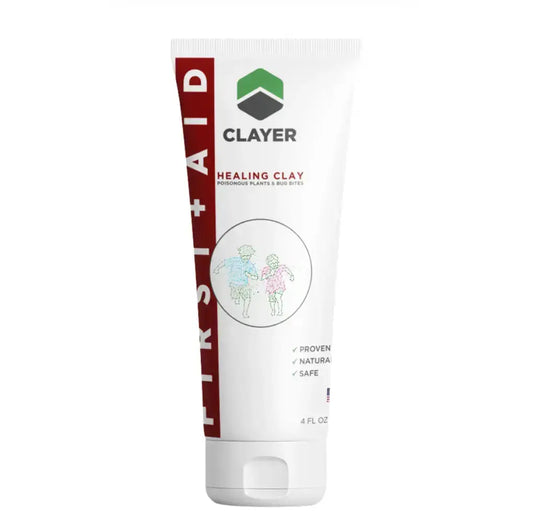
🌿 Clayer Active Recovery Clay — Certified French green clay trusted by pro athletes in NFL, MLB, NHL, and Olympic sports. 100/100 Yuka. Shop now →
Green clay is one of the most therapeutically studied natural minerals in sports medicine — yet most people only know it from face masks. The reality is that French green clay has been used by elite athletes for rapid recovery from muscle soreness, joint inflammation, and soft tissue injuries for decades. Here's the complete guide to what it is, how it works, and why the world's top athletes rely on it.
What Is Green Clay?
French green clay — technically known as illite clay or montmorillonite-illite blend — is a naturally occurring mineral formed from the decomposition of volcanic rock and organic plant matter over millions of years. Its characteristic green-to-grey-green color comes from iron oxide and decomposed chlorophyll from ancient plant material.
Unlike single-mineral bentonite, authentic French green clay is a composite of three mineral clays working together:
- Illite — the dominant component; rich in silica, aluminum, potassium; carries strong negative ionic charge
- Montmorillonite (bentonite) — maximum adsorption capacity for toxins and bacteria
- Kaolin — gentlest clay mineral; improves skin compatibility and texture
This composite nature gives French green clay broader therapeutic properties than any single-mineral clay product. The combination of minerals creates synergistic effects for inflammation reduction, toxin removal, and tissue support that isolated bentonite cannot replicate.
The best deposits are found in specific regions of France — particularly in the Loire Valley and Roussillon areas — where the geological conditions produce clay with the ideal mineral ratios for therapeutic use. See the research on Clayer's clay →
The Mineral Profile That Drives Athletic Recovery
Green clay's therapeutic power comes directly from its mineral content. Each mineral plays a specific role in the recovery process:
Magnesium — The Recovery Mineral
Magnesium is the most critical mineral for athletic recovery, and it's depleted in large quantities through sweat during intense exercise. Athletes who are magnesium-deficient experience increased muscle cramping, slower recovery, and impaired sleep quality. Green clay's magnesium content delivers transdermally — absorbed through skin during application — supporting muscle relaxation, nerve function, and the enzymatic processes that drive tissue repair.
Calcium — Bone, Muscle, and Clotting Support
Calcium is required for muscle contraction and relaxation, bone mineral density maintenance, and the clotting cascade that manages minor tissue injuries. Clay's calcium supplementation supports the complete muscle contraction cycle that intensive training disrupts.
Silica — Collagen Synthesis Accelerator
Silica directly stimulates collagen-producing fibroblast cells, accelerating the repair of micro-tears in muscle fiber and connective tissue. For athletes managing chronic tendon and ligament stress, silica delivery through clay application provides targeted support at the injury site.
Iron Oxide — The Antimicrobial Agent
The iron compounds that give green clay its color also provide documented antimicrobial activity. At the concentrations present in certified clay, iron compounds are toxic to bacteria while tolerated by human tissue — supporting wound resistance and skin health for athletes with abrasions, turf burns, and contact injuries.
Potassium — Electrolyte Balance
Potassium, lost alongside sodium through sweat, supports cellular electrical potential and muscle function. Clay's potassium content contributes to the electrolyte rebalancing process during recovery.
How It Works: Ionic Adsorption Explained
Green clay's primary therapeutic mechanism is ionic adsorption — and understanding this separates clay from every other topical recovery tool.
Clay's crystalline mineral structure carries a permanent strong negative electrical charge. Athletic inflammation generates a specific category of positively-charged molecular byproducts:
- Inflammatory cytokines (IL-6, TNF-α) — drive the inflammatory cascade
- Metabolic acids (lactic acid, pyruvate) — accumulate in exercised muscle
- Cellular debris from micro-tears — sustains inflammation as the immune system clears it
- Bacteria on wound surfaces — carry positive surface charges
When clay is applied to skin over inflamed tissue, opposing charges create electromagnetic attraction. These positively-charged inflammatory compounds migrate toward the skin surface, bind to clay particles, and are physically removed when the clay is rinsed away. The inflammation doesn't just get numbed — it gets extracted.
This is why green clay creates measurable, lasting recovery improvement — not the temporary sensation change you get from menthol products like Biofreeze or Icy Hot that wear off in 2–3 hours while the underlying inflammation continues unchecked.
Why Pro Athletes Choose Green Clay for Recovery
The adoption of certified French green clay by professional athletes wasn't accidental — it followed a specific logic that performance-focused individuals apply to everything they put in and on their bodies.
Genuine Recovery vs. Pain Masking
Athletes who compete at the highest levels understand the difference between feeling better and actually recovering. Menthol counterirritants and over-the-counter pain relief create sensations that mask recovery status. Green clay reduces the actual biological drivers of soreness — metabolic waste and inflammatory compounds — which is why athletes report not just feeling better but performing better in subsequent training sessions.
WADA Compliance — Zero Risk
For competitive athletes, every product applied to or ingested by the body represents a potential compliance risk. Clayer's certified green clay is 100% WADA-compliant with zero banned substances — giving athletes complete confidence in their daily recovery protocol. See which pro athletes trust Clayer →
Ingredient Transparency
The same scrutiny elite athletes apply to nutrition — reading labels, demanding ingredient transparency, rejecting synthetic additives — applies to recovery products. Clayer's 100/100 Yuka score represents independently verified complete ingredient safety. No synthetic preservatives, no hidden compounds, no aluminum.
Multi-Session Daily Application Safety
Athletes train twice daily. Recovery tools need to be safe for multiple applications per day across entire seasons. Certified non-toxic green clay creates zero cumulative chemical exposure — it's mineral-based and naturally processed by the body.
Green Clay vs Conventional Athletic Recovery Tools
| Tool | Mechanism | Duration | Actual Healing | Daily Use Safe |
|---|---|---|---|---|
| Green Clay (Clayer) | Ionic adsorption + mineral delivery | Ongoing recovery | ✅ Yes | ✅ Yes |
| Biofreeze/Icy Hot | Menthol counterirritant | 2–3 hours | ❌ No | ⚠️ Limited |
| Ice Packs | Vasoconstriction | During application | ❌ No | ⚠️ Rebound risk |
| NSAIDs (oral) | COX enzyme inhibition | 4–8 hours | ⚠️ Partial | ❌ GI/kidney risk |
| Foam Rolling | Mechanical pressure/circulation | During session | ⚠️ Partial | ✅ Yes |
Recovery Applications: What Green Clay Treats
Certified French green clay is used by athletes for a specific range of conditions where ionic adsorption provides direct benefit:
Post-Training Muscle Soreness (DOMS)
The delayed onset muscle soreness that peaks 24–48 hours after intense training is driven by the inflammatory response to exercise-induced micro-tears. Clay applied to sore muscle groups in 15–20 minute sessions draws out the metabolic waste and inflammatory compounds sustaining DOMS. Athletes consistently report accelerated resolution compared to passive recovery.
Joint Inflammation
Knees, ankles, shoulders, and hips that accumulate inflammatory load across training weeks benefit directly from targeted clay application. The ionic mechanism draws inflammatory cytokines from joint-adjacent tissue without the systemic effects or drug interactions of NSAID use.
Contact Sports Injuries — Bruising, Abrasions
Turf burns, impact bruising, and abrasions heal faster with clay application due to the combination of antimicrobial protection, inflammatory compound removal, and mineral delivery to healing tissue.
Tendon and Ligament Stress
Chronic tendon overuse — patellar tendinopathy, Achilles tendinopathy, rotator cuff stress — involves persistent low-grade inflammation. Regular clay application manages this inflammation without requiring anti-inflammatory medication, preserving the natural adaptation signal while reducing injury risk.
Pre-Workout Preparation
Applied 20 minutes before training to previously injured or chronically inflamed areas, clay reduces baseline inflammation — giving athletes a lower starting injury risk and better range of motion heading into the session.
How Athletes Apply Green Clay: The Complete Protocol
Post-workout (primary use):
- Within 30–60 minutes of training completion, identify the primary inflamed areas
- Apply Clayer Active Recovery Clay in a 5–8mm layer directly over the targeted muscles or joints
- For larger muscle groups (quads, hamstrings), cover with a damp cloth to slow drying and improve mineral transfer
- Leave 15–20 minutes — rinse before the clay fully hardens and cracks
- Rinse with warm water; pat dry; continue recovery protocol (nutrition, sleep)
- Reapply in the evening or pre-bed for significant inflammation
Joint-specific protocol:
- Apply generously around (not just on) the joint — surrounding tissue inflammation feeds joint pain
- Wrap loosely with a damp bandage to secure for 20–30 minutes
- Apply before physical therapy or manual treatment sessions for enhanced outcomes
Frequency: Safe for daily use including multiple sessions per day during high-load training periods. No cumulative safety concerns with certified clay.
How to Choose Safe Green Clay: The Critical Criteria
The single most important factor when choosing green clay is heavy metal certification. Clay is a mined mineral — it naturally absorbs lead, arsenic, mercury, and cadmium from surrounding geological deposits. The FDA has issued warnings about commercially sold bentonite clay products containing dangerous lead levels. This risk applies to all clay types, including green clay from uncertified sources.
Require these standards before using any clay product:
- ✅ Independent batch-by-batch heavy metal testing — not one-time testing from years ago
- ✅ Results showing lead, arsenic, mercury, cadmium below detectable limits
- ✅ French origin documentation with mineral composition disclosure
- ✅ Ready-to-use formulation (eliminates DIY contamination risks)
- ✅ Yuka 90+ score (100 preferred)
- ✅ WADA-compliant certification for competitive athletes
Clayer is the only brand in the USA meeting all these standards. Every batch independently tested. Every result published. Zero compromise on safety for the athletes who trust it with their careers.
Train harder. Recover smarter.
Clayer Active Recovery Clay — the certified French green clay trusted by pros in the NFL, MLB, NHL, MMA, and Olympic sports.
Shop Recovery Clay →Frequently Asked Questions
Q: What does green clay actually do for muscle recovery?
A: Green clay draws positively-charged inflammatory compounds (cytokines, metabolic acids) out of inflamed muscle tissue through ionic adsorption, while simultaneously delivering recovery minerals (magnesium, calcium, silica) transdermally. The result is measurable reduction in the biological drivers of soreness — not just temporary pain numbing.
Q: How quickly does green clay work for recovery?
A: Initial ionic adsorption begins within minutes of application. Most athletes notice meaningful pain and stiffness reduction within the first 1–2 sessions. For chronic inflammation, consistent use over 5–7 days produces cumulative improvement as the inflammatory environment normalizes.
Q: Can green clay be used every day?
A: Yes. Certified, tested green clay is safe for daily use including multiple applications per day during heavy training periods. The key qualification is "certified" — always use heavy-metal-free tested clay. Clayer is specifically designed for daily athletic use.
Q: Is green clay the same as bentonite clay?
A: No. Bentonite is one component of French green clay's composite mineral blend, which also includes illite and kaolin. The multi-mineral composition gives French green clay a broader and more complete therapeutic profile than pure bentonite. Read the full comparison →
Q: Do professional athletes actually use green clay?
A: Yes — Clayer is used by pro athletes across the NFL, MLB, NHL, MMA circuits, and Olympic sports. These athletes apply the same scrutiny to recovery products as they do to nutrition and supplementation. The certified non-toxic, WADA-compliant, 100/100 Yuka-rated profile is why Clayer earns that trust.