
What skin types should not use green clay?
When it comes to what skin types should not use green clay, the answer isn't as straightforward as you might think. While green clay masks have gained popularity for their purifying benefits, certain skin types need to approach them with caution: or avoid them entirely. Understanding your skin's unique needs is crucial for achieving the results you want without causing irritation or damage.
The good news? Not all green clays are created equal, and some formulations are specifically designed to be gentler on sensitive skin types.
Dry Skin: The Primary Concern
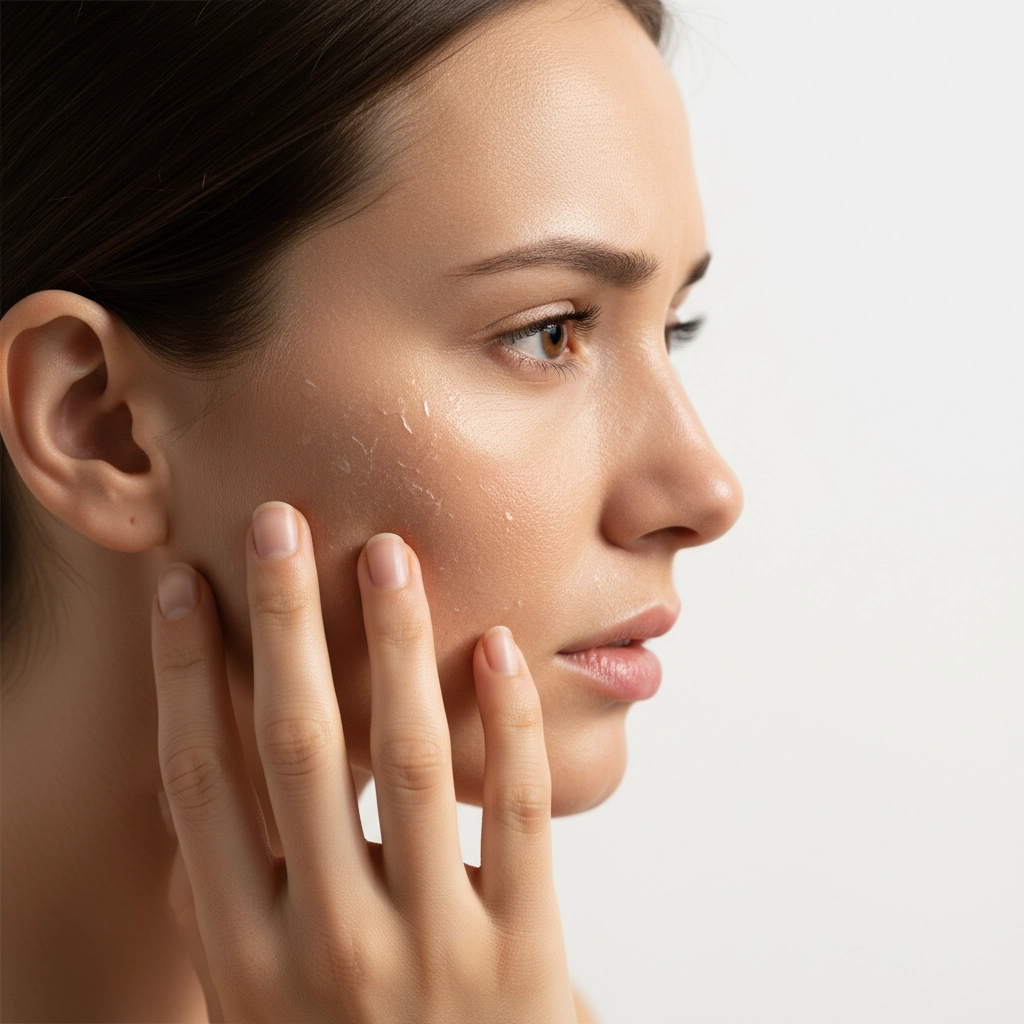
Dry skin types should completely avoid traditional green clay masks. This is the most important rule when considering what skin types should not use green clay treatments.
Green clay's natural oil-absorbing properties make it highly effective for oily and combination skin, but these same properties can be devastating for already moisture-depleted skin. When you have dry skin, your skin barrier is already compromised, and green clay can:
- Strip away essential natural oils
- Cause excessive flakiness and peeling
- Lead to increased irritation and redness
- Worsen existing dryness conditions
- Create a cycle of over-drying that's difficult to reverse
If you have extremely dry skin, products containing clay will only exacerbate your condition. The powerful mineral content that makes green clay effective for oily skin becomes a liability when your skin desperately needs moisture retention rather than oil removal.
Sensitive Skin: Proceed with Extreme Caution
Sensitive skin requires a completely different approach when it comes to what skin types should not use green clay without modifications. While sensitive skin was traditionally told to avoid green clay entirely, modern formulations have changed this recommendation: but with significant caveats.
Here's what you need to know if you have sensitive skin:
Traditional green clay preparations are still too harsh for most sensitive skin types. The standard clay-and-water mixture can cause:
- Immediate burning or stinging sensations
- Prolonged redness that lasts for hours
- Increased sensitivity to other products
- Potential allergic reactions
However, properly formulated green clay products designed specifically for sensitive skin can actually provide anti-inflammatory benefits. The key differences include:
- Modified application methods: Mixing with nourishing oils instead of water
- Shorter contact times: 5-10 minutes instead of the standard 15-20
- Gentler clay compositions: Blended with soothing ingredients
- Lower clay concentrations: Diluted formulations that reduce intensity
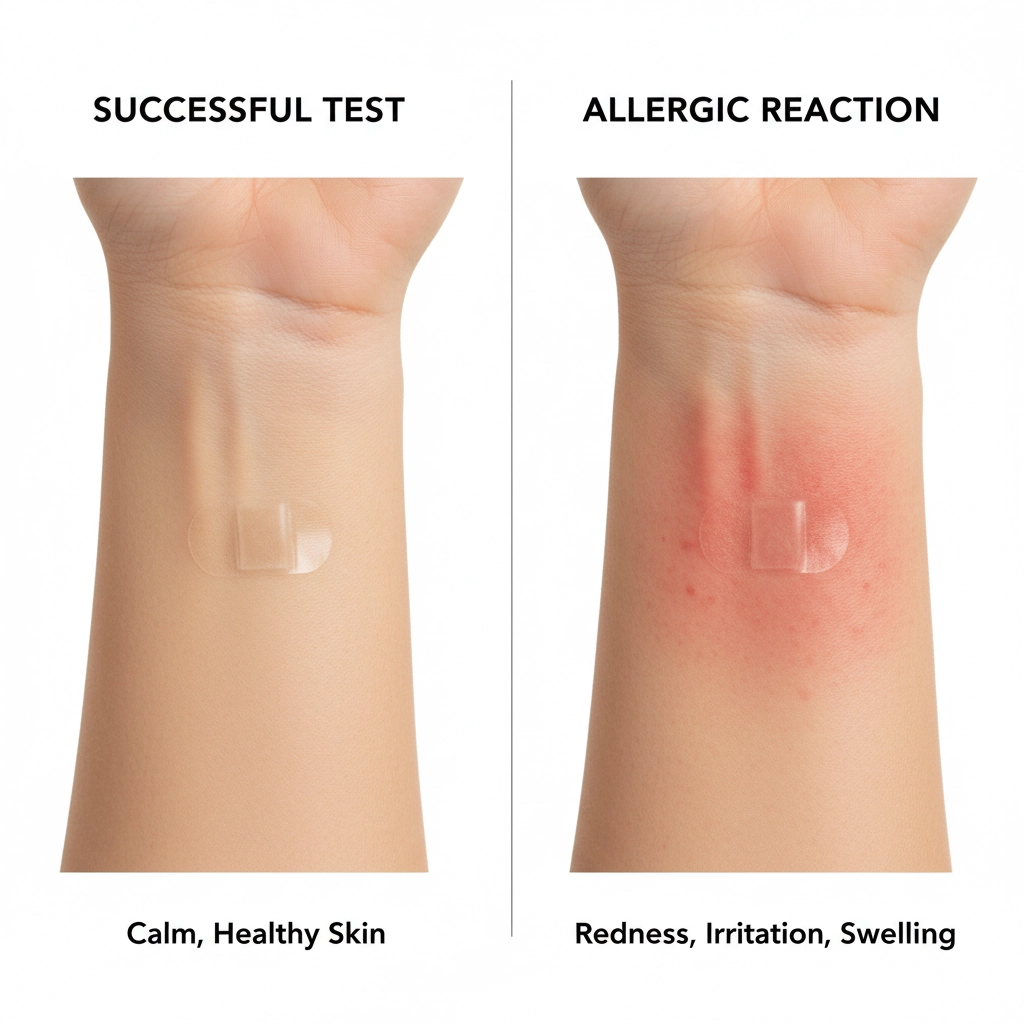
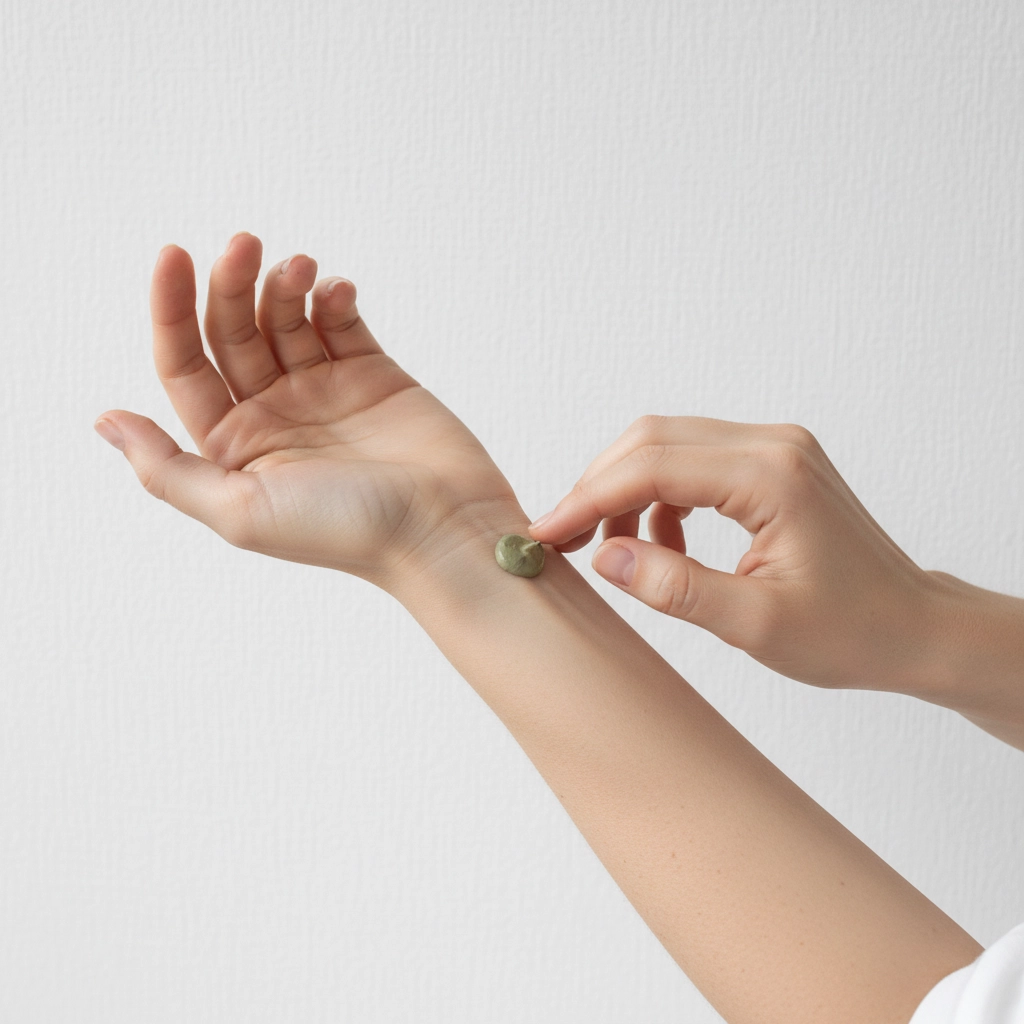
Always perform a patch test before full application. Apply a small amount to your wrist or behind your ear and wait 24 hours to check for reactions.
Other Skin Types to Consider
People with Anemia
Individuals with anemia should avoid French green clay due to its high mineral content, particularly iron. The clay's absorption properties may interfere with iron absorption and potentially worsen anemic conditions. If you have anemia, consult with your healthcare provider before using any clay-based skincare products.
Mature or Aging Skin
What skin types should not use green clay also includes certain mature skin conditions. As we age, our skin naturally becomes drier and more delicate. If you have mature skin that's already showing signs of:
- Increased dryness
- Thinning skin barrier
- Heightened sensitivity
- Reduced oil production
Traditional green clay masks may be too aggressive for your skin's current needs.
Why Clayer is Different: The Safer Choice
This is where Clayer revolutionizes the green clay experience for sensitive and problematic skin types. Unlike traditional clay products that can be harsh and unpredictable, Clayer's French Green Clay is specifically formulated to be gentler while maintaining effectiveness.
Here's what makes Clayer the safer choice for sensitive skin types:
Heavy Metal-Free Guarantee
Most clay products contain concerning levels of heavy metals that can cause additional skin irritation and long-term health concerns. Clayer is the only clay product tested and certified heavy metal-free, making it safer for all skin types, especially sensitive ones.
Doctor-Recommended Formulation
Clayer is endorsed by sports doctors and dermatologists who recognize its unique safety profile. The formulation is specifically designed to provide clay benefits without the harsh side effects associated with traditional products.
Ready-to-Use Consistency
No guesswork with mixing ratios that could make the clay too harsh for your skin. Clayer's ready-to-use formula ensures consistent, gentle application every time.
Food-Grade Quality
What goes on your skin matters just as much as what goes in your body. Clayer's food-grade quality means it's safe enough to be edible, though it's designed for topical use only.
How to Test Your Skin's Compatibility
Regardless of your skin type, proper testing is essential when determining what skin types should not use green clay. Here's your step-by-step approach:
The 24-Hour Patch Test
- Apply a small amount of clay product to your inner wrist
- Leave it on for the recommended time (usually 10-15 minutes)
- Rinse thoroughly with lukewarm water
- Observe the area for 24 hours for any signs of irritation
- Look for redness, swelling, itching, or burning sensations
The Progressive Application Method
If your patch test is successful:
- Start with once per week applications
- Use thinner layers than recommended initially
- Reduce contact time by 5 minutes from package instructions
- Gradually increase frequency only if no irritation occurs
- Never exceed twice weekly usage, even for oily skin
Professional Recommendations
Sports doctors and dermatologists who recommend clay therapy emphasize that not all clays are suitable for all people. Professional healthcare providers consistently choose Clayer because of its proven safety record and gentle formulation.
Pro athletes trust Clayer specifically because it provides therapeutic benefits without the risk of skin damage that could affect performance. When your livelihood depends on your physical condition, you can't afford to use products that might cause adverse reactions.
When to Consult a Professional
Seek professional advice if you experience:
- Persistent redness lasting more than 2 hours after clay removal
- Burning or stinging during application
- Increased breakouts after multiple uses
- Worsening of existing skin conditions
- Any signs of allergic reaction
The Bottom Line: Choose Quality Over Risk
What skin types should not use green clay? The answer depends entirely on the quality and formulation of the clay product you choose. While dry skin should generally avoid clay masks entirely, and sensitive skin requires extreme caution, Clayer's revolutionary formulation makes clay therapy accessible to more skin types than ever before.
Don't let inferior clay products determine whether you can enjoy the benefits of this ancient healing therapy. Clayer's heavy metal-free, doctor-recommended formula represents the safest way to experience green clay benefits, even if you have sensitive or problematic skin.
Ready to experience the Clayer difference? Visit Clayer's skin repair collection to discover why healthcare professionals and athletes trust this superior formulation for safe, effective clay therapy.
Remember: Your skin deserves the highest quality ingredients and the safest formulations available. Choose Clayer and experience the difference that quality makes.


