Who Should NOT Use Bentonite Clay? The Complete 2026 Safety Guide
Who should not use bentonite clay? This is one of the most important questions you need to ask before diving into any clay therapy routine. While bentonite clay has gained massive popularity for its detoxifying properties, it's not safe for everyone.
Let's be real here – just because something is "natural" doesn't mean it's automatically safe for every person. Bentonite clay comes with legitimate safety concerns that you absolutely need to know about before using it internally or even topically.
Pregnant and Nursing Women Should Avoid Bentonite Clay
Who should not use bentonite clay first and foremost? Pregnant and nursing women.
The safety of bentonite supplements in pregnant and nursing women has not been established, according to Healthline. This isn't just bureaucratic caution – there are real risks involved.
Bentonite clay products may contain trace amounts of heavy metals like lead, arsenic, and mercury. These toxic metals can cross the placental barrier and potentially harm developing fetuses. For nursing mothers, these same heavy metals can be transmitted through breast milk.
The concern isn't theoretical. Studies have found concerning levels of heavy metals in various bentonite clay products available on the market. When you're growing a human being or feeding one through breast milk, zero tolerance for heavy metal exposure should be your standard.
If you're pregnant or nursing and dealing with digestive issues or skin problems, safer alternatives exist. Consider consulting with healthcare professionals who can recommend pregnancy-safe solutions.
Children Must Stay Away From Bentonite Clay
Who should not use bentonite clay includes all children, especially for internal consumption.
There's been at least one documented case of a pediatric patient developing severe hypokalemia (dangerously low potassium levels) after being given large amounts of bentonite clay both orally and rectally, as reported by French Healing Clay.
Children's bodies process substances differently than adults. Their smaller body weight means even small amounts of toxins can have disproportionately large effects. Plus, kids are naturally more susceptible to heavy metal poisoning.
The safety profile of bentonite clay in children simply hasn't been established through proper clinical trials. Why risk your child's health when safer, proven alternatives exist?
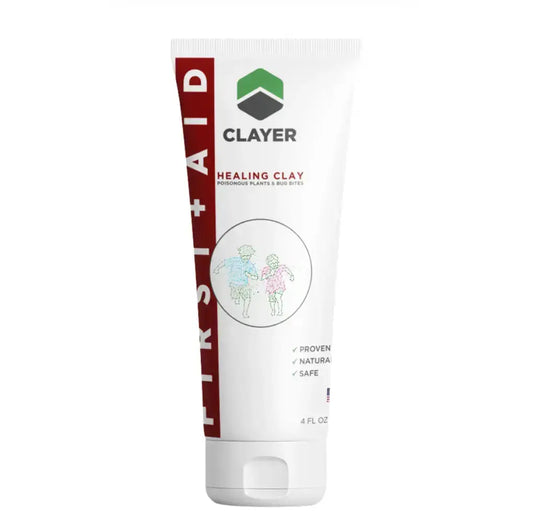
For parents dealing with children's minor skin irritations or injuries, consider products specifically formulated for pediatric use. CLAYER's first aid products are doctor-recommended and designed with safety as the top priority.

People Taking Medications Face Serious Interaction Risks
Who should not use bentonite clay? Anyone taking prescription medications without medical supervision.
Bentonite clay can interact with medications, potentially reducing their effectiveness. It's particularly problematic with:
- Cimetidine (Tagamet) - used for heartburn and ulcers
- Quinine - used for malaria treatment
- Any medication requiring precise dosing - like blood thinners, heart medications, or seizure medications
The clay works by binding to substances in your digestive system. Unfortunately, it doesn't distinguish between toxins you want removed and medications you need absorbed.
The Green Clay emphasizes that bentonite clay may bind to medications and reduce their absorption and effectiveness in the body. This could literally be life-threatening for people dependent on critical medications.
Talk to your doctor before you take oral bentonite or any supplement, especially if you take other medicines. This isn't optional – it's essential for your safety.
Iron Intolerance Makes Bentonite Clay Dangerous
People with iron intolerance should avoid ingesting bentonite clay due to its high iron content, according to research cited by Healthline.
Iron intolerance isn't just about getting too much iron – it's about your body's inability to properly process and eliminate excess iron. This can lead to iron buildup in organs, causing serious health problems.
Long-term consumption of clay can also cause low levels of potassium and iron in otherwise healthy people. Who should not use bentonite clay? Anyone with existing mineral imbalances or metabolic disorders affecting mineral absorption.
If you're dealing with iron-related health issues, work with a healthcare provider who understands mineral metabolism. They can guide you toward safer detoxification methods that won't disrupt your body's delicate mineral balance.
Pre-existing Medical Conditions Require Extra Caution
Who should not use bentonite clay includes individuals with various pre-existing medical conditions:
Respiratory Issues: Breathing in bentonite dust can worsen pre-existing respiratory problems like asthma. The fine particles can irritate already sensitive airways and trigger breathing difficulties.
Kidney Problems: Since bentonite clay affects mineral levels in your body, people with kidney disease need to avoid it. Your kidneys might not be able to handle the additional mineral load or the changes in electrolyte balance.
Digestive Disorders: While some people use bentonite clay for digestive issues, it can actually worsen certain conditions like inflammatory bowel disease or severe constipation.
The safety of bentonite supplements in people with medical conditions has not been established. This means you're essentially participating in an uncontrolled experiment with your own body.
Sensitive Skin and Topical Use Concerns
For topical use, who should not use bentonite clay? People with:
- Very dry skin
- Sensitive or reactive skin
- Aged skin with compromised barrier function
- Known allergies to clay minerals
Bentonite clay is highly absorbent and can be too drying for already compromised skin. It can potentially cause irritation, excessive dryness, or even chemical burns in sensitive individuals.
Instead of risking skin damage, consider gentler alternatives. CLAYER's clay mask is specifically formulated to be gentle while still providing effective detoxification benefits.
The Heavy Metal Problem You Can't Ignore
Who should not use bentonite clay? Anyone concerned about heavy metal exposure.
Some bentonite clay products contain trace amounts of lead and other heavy metals and may not be appropriate for consumption, especially by children and pregnant women, according to French Healing Clay.
The problem is that bentonite clay is mined from the earth, and depending on the source, it can contain naturally occurring heavy metals. Not all manufacturers test for or remove these contaminants.
Heavy metals accumulate in your body over time. Even small amounts can cause problems with:
- Neurological development
- Immune system function
- Organ health
- Hormonal balance
Safer Alternatives That Actually Work
Who should not use bentonite clay? Pretty much anyone who wants guaranteed safety and scientifically proven results.
Instead of risking your health with untested bentonite clay products, consider CLAYER's scientifically proven recovery solutions. These products are:
- Heavy metals free
- Doctor recommended
- Clinically tested
- Safe for all skin types
- Made in the USA with strict quality controls
CLAYER's first aid products provide the detoxifying and healing benefits you're looking for without the safety risks associated with raw bentonite clay.

The Bottom Line on Bentonite Clay Safety
Who should not use bentonite clay? The list is longer than most people realize:
- Pregnant and nursing women
- Children of all ages
- People taking any medications
- Individuals with iron intolerance
- Anyone with pre-existing medical conditions
- People with sensitive or compromised skin
- Those with respiratory issues
The reality is that bentonite clay carries significant risks that aren't worth taking when safer, more effective alternatives exist. Your health is too valuable to gamble with unregulated, potentially contaminated products.
If you're looking for natural healing solutions, choose products that have been scientifically tested, are free from heavy metals, and come with professional endorsements. CLAYER's range of healing products offers all the benefits you want from clay therapy without the dangerous risks.
Don't compromise your safety for the sake of following trends. Choose products that put your health and safety first.