Managing Healing Bruises in Athletes: Real Advice with Clayer
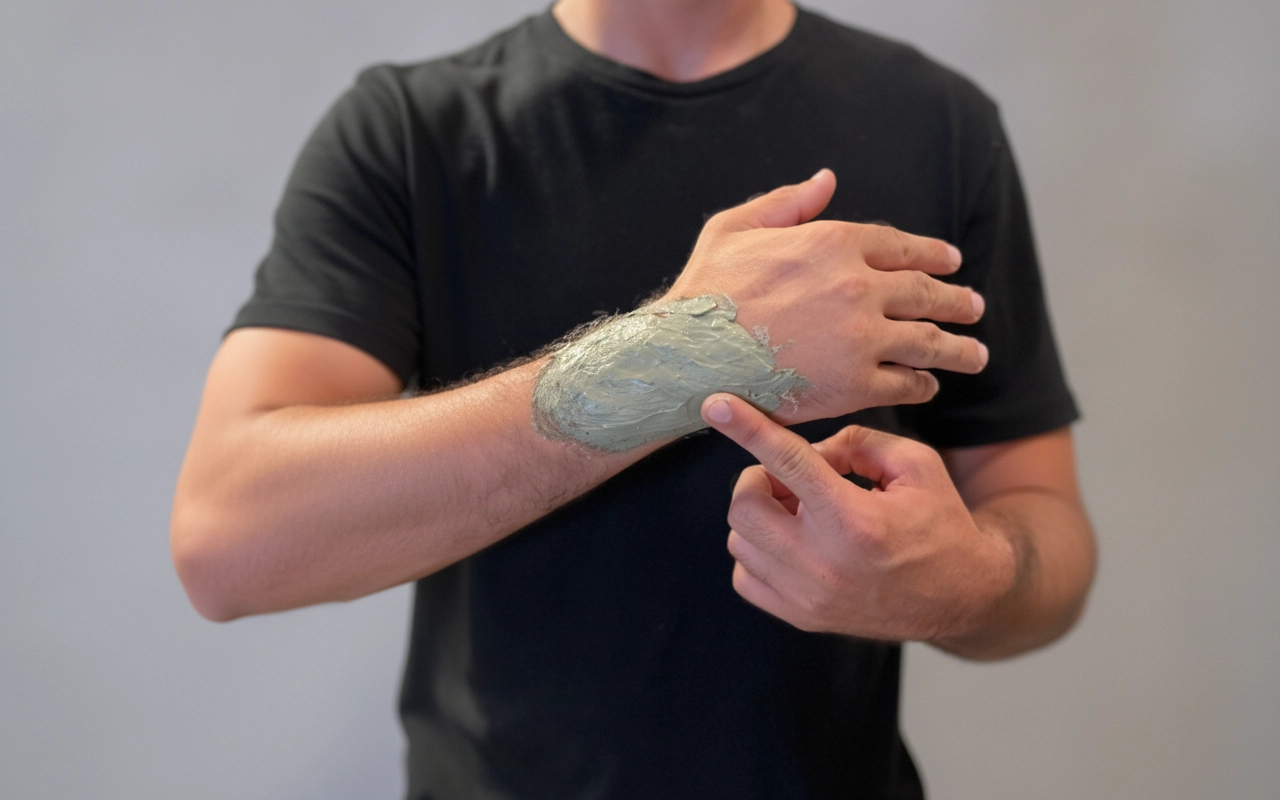
Managing healing bruises effectively can make the difference between a quick return to peak performance and weeks of unnecessary downtime. For athletes who push their bodies to the limit, bruises are an inevitable reality, but they don't have to derail your training schedule. Whether you're dealing with a deep muscle contusion from contact sports or surface bruising from equipment impact, understanding the science behind bruise recovery and implementing proven natural solutions like CLAYER's French green clay can accelerate your healing timeline significantly.
Athletic bruises represent more than just cosmetic concerns. They indicate actual tissue damage that affects muscle function, range of motion, and overall performance capacity. When blood vessels rupture from blunt force trauma, blood pools in surrounding tissues, creating inflammation and that characteristic discoloration athletes know all too well.
Understanding Athletic Bruises: More Than Skin Deep
Bruises in athletic contexts typically fall into two categories: contusions (direct impact injuries) and hematomas (larger blood collections). According to the Mayo Clinic, most bruises heal naturally within two weeks, but athletes require faster recovery to maintain training consistency and competitive edge.
The bruising process occurs in distinct phases:
- Immediate response (0-48 hours): Blood vessel rupture, initial swelling, and acute pain
- Inflammatory phase (48-72 hours): Peak swelling and discoloration as your body begins cleanup
- Proliferative phase (3-10 days): New tissue formation and gradual color changes
- Remodeling phase (10+ days): Final healing and tissue strengthening
Understanding these phases helps you apply the right treatment at the right time, what helps on day one may actually hinder recovery if used inappropriately during later stages.
Immediate Response: The Critical First 48 Hours
The initial treatment window is absolutely critical for minimizing bruise severity and accelerating recovery. The RICE protocol remains the gold standard, but modern sports medicine has refined these approaches significantly.
Rest doesn't mean complete immobilization, it means avoiding activities that could aggravate the injury while maintaining pain-free movement to prevent stiffness.
Ice application should begin immediately but requires proper technique. Apply ice wrapped in a thin towel for 15-20 minutes every 2-3 hours during the first 48 hours. Research from the National Institute of Health shows that proper ice application can reduce initial swelling by up to 40%.
Compression with elastic bandages helps minimize fluid accumulation, but avoid over-tightening which can restrict beneficial blood flow.
Elevation above heart level promotes drainage when anatomically possible, crucial for extremity bruises.
Advanced Natural Healing: The Clayer Advantage
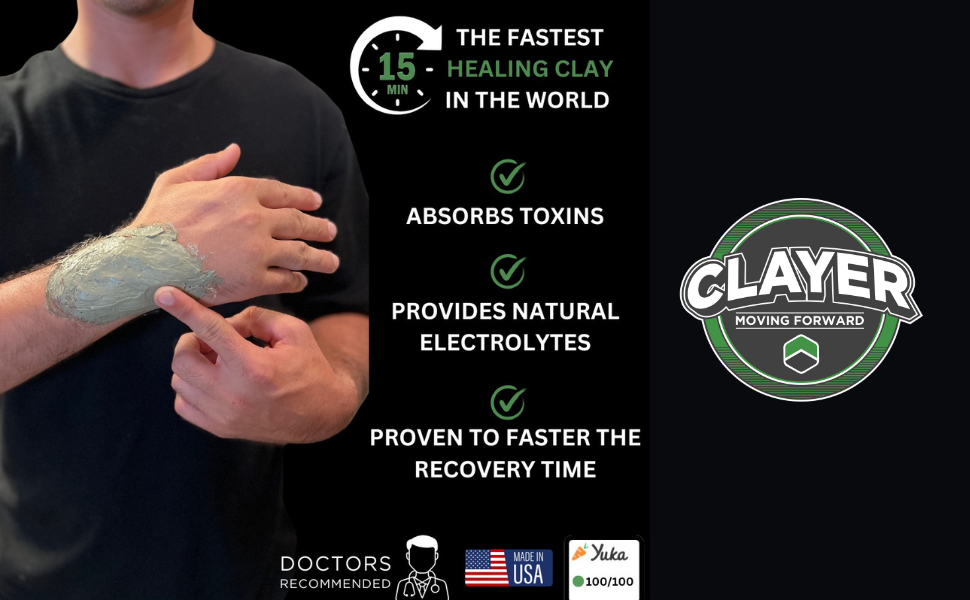
While traditional RICE methods address immediate symptoms, CLAYER's French green clay targets the root cause of prolonged bruise recovery, toxin accumulation and impaired cellular function. Unlike conventional treatments that simply mask pain, CLAYER's scientifically-proven formula actively draws out metabolic waste products that accumulate in injured tissues.
The unique molecular structure of French green clay creates a negative ionic charge that attracts positively charged toxins, excess fluid, and inflammatory compounds from bruised tissues. This process, called adsorption, literally pulls harmful substances away from healthy cells, allowing your body's natural healing mechanisms to work more efficiently.
Athletes using CLAYER for bruise management report:
- Visible improvement in bruise appearance within 15 minutes of application
- Significant pain reduction compared to ice-only protocols
- Faster return to full training intensity
- No chemical side effects or skin irritation
Professional athletes and sports medicine doctors increasingly recommend natural clay applications because they support, rather than suppress, your body's healing response.
Strategic Treatment Phases: Maximizing Recovery Speed
Phase 1 (Hours 0-48): Damage Control
- Apply ice for 15-20 minutes every 2-3 hours
- Use CLAYER clay applications between ice sessions for toxin removal
- Maintain gentle compression and elevation
- Avoid heat, alcohol, and massage during this phase
Phase 2 (Hours 48-72): Transition to Active Healing
- Reduce ice frequency to 2-3 times daily
- Increase CLAYER application frequency, the clay can be used safely multiple times daily
- Begin gentle range-of-motion exercises within pain-free ranges
- Consider contrast therapy (alternating hot/cold) if approved by your healthcare provider
Phase 3 (Days 3-14): Accelerated Recovery
- Transition from ice to heat application for 15-20 minutes, 2-3 times daily
- Continue regular CLAYER applications, many athletes use it twice daily during this phase
- Implement progressive loading exercises to restore full function
- Monitor for signs of complications requiring medical attention

Why Natural Clay Outperforms Conventional Treatments
Modern research reveals significant advantages of clay-based healing over synthetic alternatives. Studies on bentonite and montmorillonite clays demonstrate superior outcomes in inflammation reduction, pain management, and tissue repair acceleration.
Key advantages include:
- Bioactive minerals like magnesium, potassium, and calcium that support cellular repair
- Natural anti-inflammatory properties without synthetic chemical exposure
- Improved circulation in treated areas through gentle warming effects
- Toxin removal that prevents secondary inflammation and delayed healing
Unlike topical pain medications that can mask important healing signals, clay applications enhance your body's natural recovery mechanisms while providing effective pain relief.
Location-Specific Bruise Management
Muscle-Rich Areas (quadriceps, hamstrings, deltoids): These areas heal faster due to excellent blood supply. CLAYER applications can be more aggressive, and athletes often see dramatic improvements within 3-5 days.
Bony Prominences (shins, forearms, ribs): Limited blood flow means slower healing. Consistent clay applications become even more critical, often requiring 7-14 days for complete resolution.
Joint Areas (knees, ankles, elbows): Require careful monitoring for range-of-motion restrictions. Combine clay treatments with gentle mobility work to prevent stiffness.
The CLAYER active recovery collection includes specialized formulations designed for different body regions and injury types, allowing athletes to optimize their treatment approach based on bruise location and severity.
Prevention and Long-Term Performance
Smart athletes don't just treat bruises, they work to prevent them. Proper warm-up protocols, adequate hydration, and appropriate protective equipment significantly reduce bruise frequency and severity.
However, when bruises do occur, having proven natural treatment options like CLAYER readily available can mean the difference between missing training sessions and maintaining your competitive edge.
Professional Integration and Medical Supervision
While natural clay treatments offer excellent results for typical athletic bruises, certain situations require professional medical evaluation:
- Bruises larger than your palm
- Severe pain that doesn't improve within 48-72 hours
- Signs of infection (increasing redness, warmth, streaking)
- Numbness or tingling in the affected area
- Suspected fractures or deep tissue injuries
Many sports medicine professionals now integrate natural healing approaches with conventional treatment protocols, recognizing that supporting the body's natural healing capacity often produces superior outcomes to suppressing symptoms alone.
Conclusion
Managing healing bruises effectively requires understanding your body's natural recovery phases and implementing treatments that support rather than interfere with these processes. CLAYER's French green clay represents a scientifically-backed, natural approach that addresses the root causes of prolonged bruise recovery while providing immediate pain relief and visible improvement.
Whether you're a weekend warrior or professional athlete, having access to proven natural healing solutions can dramatically improve your recovery timeline and get you back to peak performance faster. The combination of proper immediate care, strategic treatment progression, and effective natural interventions like CLAYER creates the optimal environment for rapid, complete healing.
Ready to experience faster bruise recovery? Explore the complete CLAYER active recovery collection and discover why professional athletes and sports medicine doctors trust natural clay therapy for optimal healing results.
Frequently Asked Questions
Q: How quickly can I expect to see improvement with clay treatment? A: Most athletes notice visible improvements in bruise appearance and significant pain reduction within 15 minutes of CLAYER application. Complete healing typically occurs 30-50% faster compared to conventional treatments alone.
Q: Can I use clay treatment immediately after injury? A: Yes, clay applications can be used from the moment of injury alongside traditional RICE protocols. The natural properties of French green clay make it safe for immediate use.
Q: How often should I apply clay to a bruise? A: During acute phases (first 48-72 hours), applications every 4-6 hours provide optimal results. After the initial inflammatory period, twice-daily applications are typically sufficient for continued healing acceleration.
Q: Are there any situations where I shouldn't use natural clay treatments? A: Clay treatments are generally safe for all skin types, but avoid application on open wounds or if you have known allergies to clay minerals. Always consult healthcare providers for severe injuries or if you have underlying medical conditions.
Q: Can clay treatment prevent bruise formation if applied immediately? A: While clay cannot prevent blood vessel rupture that's already occurred, immediate application can significantly reduce the severity of resulting bruises by minimizing inflammation and supporting rapid healing initiation.
Meta Title: Managing Healing Bruises Athletes: Natural Clay Recovery Solutions | CLAYER
Meta Description: Accelerate bruise healing with proven natural clay therapy. Professional athletes trust CLAYER's French green clay for 50% faster recovery. Expert sports medicine advice.
Keywords: Managing healing bruises, athlete bruise recovery, natural clay therapy, sports injury treatment, French green clay healing
Image Alt Text: Clayer green clay bruise reduction sports recovery application showing natural healing process for athletic injuries