Managing and Healing Bruises in Athletes: Real Advice for Immediate Relief
Managing and healing bruises in athletes requires immediate action and proven recovery strategies. When you sustain a bruise during training or competition, your damaged blood vessels leak fluid and blood into surrounding tissues, creating the painful swelling and discoloration that can sideline your performance. Swift treatment isn't just about reducing pain, it's about minimizing recovery time and getting back to peak performance faster than your competition.
bestway to way to manage: https://clayerworld.com/collections/active-recovery-sport
And here why:
Every athlete knows that bruises are part of the game, but not every athlete knows how to treat them properly. The difference between a week-long recovery and getting back in action within days often comes down to your immediate response and the quality of treatment you apply.
The Science Behind Athletic Bruising
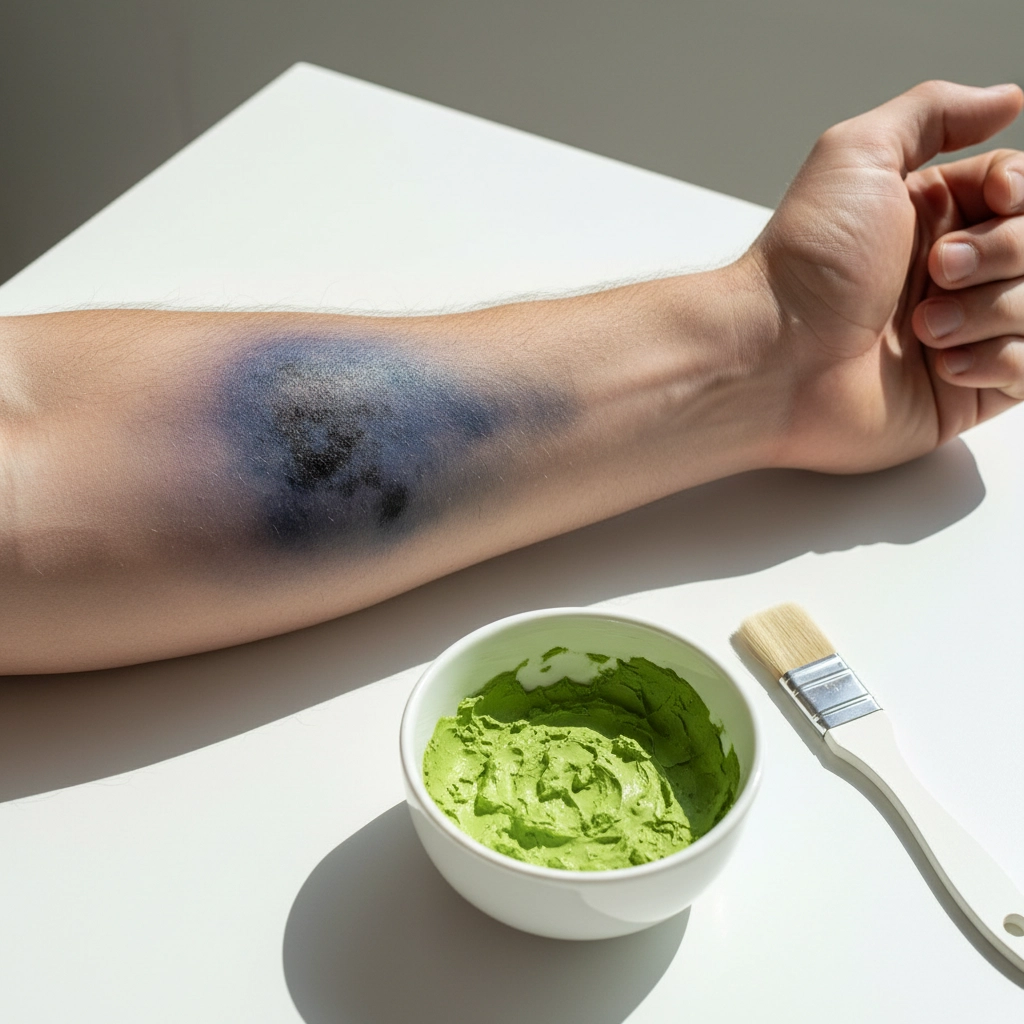
When impact occurs during sports, your body initiates a complex inflammatory response. Blood vessels rupture beneath the skin, causing localized bleeding that creates the characteristic purple, blue, or black discoloration. This isn't just cosmetic damage, it's your body's emergency response system working overtime.
The inflammatory cascade that follows includes:
- Increased blood flow to the injured area
- Swelling from fluid accumulation
- Pain signals alerting you to tissue damage
- White blood cell recruitment for healing
Understanding this process is crucial because your treatment approach must align with what your body is naturally trying to accomplish. The key is supporting healing while minimizing excessive inflammation that can prolong recovery.
Immediate Response Protocol: The Critical First Hour
The first hour after sustaining a bruise determines how severe it becomes and how long you'll be dealing with it. Stop all activity immediately, continuing to play or train only increases blood flow to the injury, making the bruise larger and more painful.
Your immediate action plan:
STOP what you're doing and assess the injury. Don't "play through it" if the impact was significant.
ICE the area for 15-20 minutes using a barrier like a thin towel. Never apply ice directly to skin.
COMPRESS gently with an elastic bandage to limit swelling, but avoid cutting off circulation.
ELEVATE the injured area above heart level whenever possible to promote drainage.
This RICE protocol has been the gold standard for sports injuries for decades, and research from the American College of Sports Medicine confirms its effectiveness in reducing initial inflammation and tissue damage.
Advanced Natural Treatment: Why French Green Clay Changes Everything
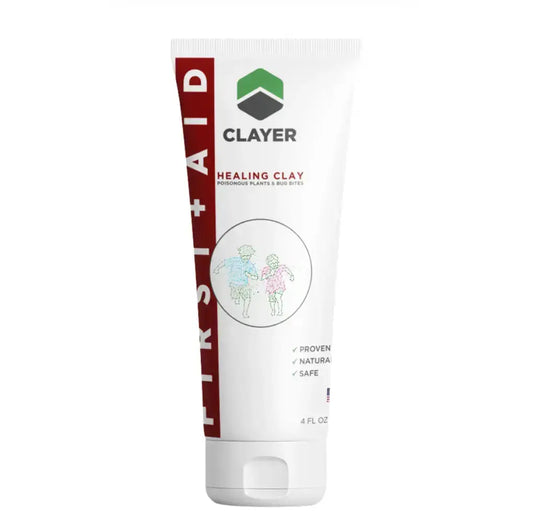
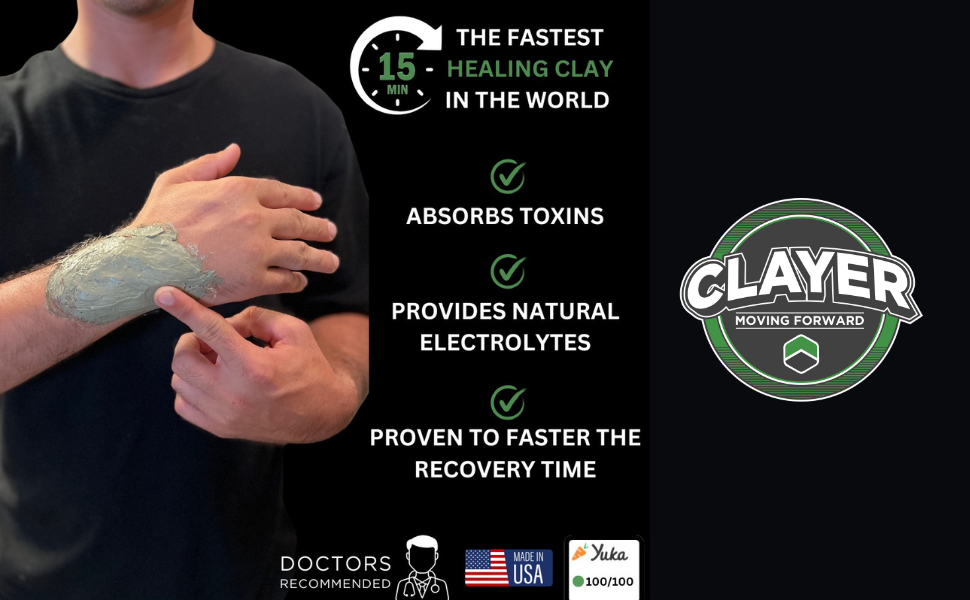
While ice and compression handle the immediate crisis, serious athletes are turning to French green clay for accelerated healing that goes beyond traditional methods. CLAYER's certified healing clay doesn't just mask symptoms, it actively draws toxins from damaged tissue while delivering natural electrolytes that your cells need for repair.
Here's why CLAYER's first-aid solutions are becoming essential in athletic training:
- Rapid toxin absorption within 15 minutes of application
- Natural electrolyte delivery that supports cellular healing
- Zero chemical additives that could interfere with recovery
- Doctor-recommended formulation trusted by sports medicine professionals
The clay works by creating an ionic exchange at the injury site. Its negatively charged particles literally pull positively charged toxins and inflammatory compounds from your tissues, while simultaneously delivering minerals like potassium, magnesium, and calcium that your muscles need for repair.
The Professional Athlete's Bruise Management System
Elite athletes don't just treat bruises, they have systems that minimize impact on training schedules. Professional athletes trusting CLAYER understand that recovery isn't about waiting for injuries to heal naturally, it's about actively accelerating the process.
Phase 1 (0-48 hours): Crisis Management
- RICE protocol every 2-3 hours while awake
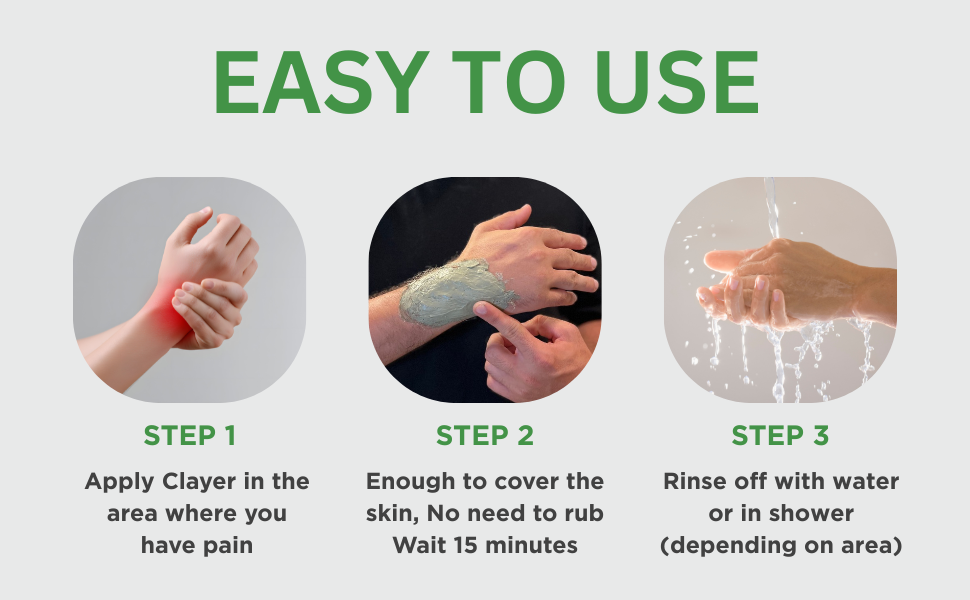
- French green clay applications for 15-20 minutes, 3x daily
- Anti-inflammatory support through diet and supplements
- Complete rest from aggravating activities
Phase 2 (48-96 hours): Active Recovery
- Continue clay treatments but reduce frequency
- Introduce gentle movement and stretching
- Heat therapy for 10-15 minutes between clay sessions
- Light massage around (not on) the bruised area
Phase 3 (4+ days): Return to Training
- Protective padding during initial training sessions
- Monitor for re-injury signs
- Maintain clay treatments if discoloration persists
Pain Management Without Compromising Performance
Managing bruise pain effectively means choosing treatments that support rather than hinder your body's healing mechanisms. While over-the-counter pain relievers have their place, natural approaches often provide relief without the side effects that can impact athletic performance.
Studies on healing clay effectiveness show that topical applications can reduce pain perception while actively promoting tissue repair. This dual action makes French green clay particularly valuable for athletes who need to balance pain relief with optimal healing conditions.
Natural pain management strategies:
- Cold therapy for acute pain and swelling
- Heat therapy once initial inflammation subsides
- Topical clay treatments for deep tissue relief
- Gentle movement to prevent stiffness without aggravating injury
When Traditional Treatment Isn't Enough
Some bruises require more aggressive intervention than basic RICE protocols can provide. Large hematomas, bruises accompanied by severe swelling, or injuries that don't show improvement within 48-72 hours may need professional medical evaluation.
Warning signs that require immediate medical attention:
- Bruise accompanied by numbness or tingling
- Severe swelling that doesn't respond to elevation
- Signs of infection (increased warmth, red streaking, fever)
- Bruise over a joint that limits range of motion significantly
According to Mayo Clinic guidelines, compartment syndrome can occasionally develop from severe bruising, particularly in the lower leg. This medical emergency requires immediate intervention to prevent permanent damage.
Nutrition and Hydration for Optimal Bruise Healing
Your body's ability to heal bruises depends heavily on having the right nutritional building blocks available. Bruise healing is essentially tissue reconstruction, and reconstruction requires raw materials.
Essential nutrients for faster bruise healing:
- Vitamin C for collagen synthesis and blood vessel repair
- Vitamin K for proper blood clotting mechanisms
- Protein for tissue rebuilding and immune function
- Omega-3 fatty acids for reducing inflammation
- Zinc for wound healing and immune support
Hydration plays a crucial role too. Dehydrated tissue heals more slowly and is more susceptible to additional injury. Aim for clear urine as your hydration benchmark, and increase fluid intake during the acute healing phase.
Prevention Strategies That Actually Work
The best bruise treatment is prevention, and smart athletes build bruise resistance through targeted training and equipment choices. This doesn't mean avoiding contact or intensity, it means preparing your body to handle impact better.
Proven prevention methods:
- Progressive conditioning that toughens tissues gradually
- Proper protective equipment fitted correctly
- Pre-activity warm-up routines that prepare tissues for impact
- Post-activity recovery protocols that maintain tissue health
CLAYER's active recovery solutions support this prevention-focused approach by keeping your muscles and connective tissues in optimal condition between training sessions.
FAQs
Q: How long should I keep ice on a fresh bruise? A: Apply ice for 15-20 minutes at a time, with at least 45 minutes between applications. Never exceed 20 minutes as this can cause tissue damage from excessive cold.
Q: Is it safe to use French green clay immediately after getting a bruise? A: Yes, French green clay can be applied as soon as swelling permits, typically within 2-4 hours of injury. The natural minerals support healing without interfering with your body's inflammatory response.
Q: Should I massage a bruise to help it heal faster? A: Never massage directly on a fresh bruise as this can worsen tissue damage. After 72 hours, gentle massage around the edges may help promote circulation.
Q: How do I know if my bruise needs medical attention? A: Seek medical care if the bruise is accompanied by severe swelling, numbness, tingling, signs of infection, or doesn't show improvement after 5-7 days.
Q: Can I continue training with a bruise? A: This depends on the severity and location. Minor bruises may allow modified training, but always prioritize proper healing over short-term performance goals.
Take Action for Faster Recovery
Managing and healing bruises effectively separates serious athletes from those who let injuries control their training schedules. You have the power to influence how quickly your body recovers, and the choices you make in the first few hours after injury often determine whether you're back in action in days or weeks.
Don't let bruises become barriers to your athletic goals. CLAYER's natural healing solutions give you the edge you need to recover faster and train harder. Discover how professional athletes accelerate their recovery and make bruise management another competitive advantage in your athletic arsenal.
Your body is built for performance and recovery: give it the natural support it deserves with proven solutions that deliver real results. Clean Power. Real Results.