
What is Heavy Metal Free Clay? Regulations, Risks, and Clayer's Advantage
What is Heavy Metal Free Clay
When you're choosing clay products for your skin, recovery, or wellness routine, heavy metal contamination should be your biggest concern. But here's what most people don't know: not all clays are created equal, and the difference between contaminated and pure clay could impact your health in ways you never imagined.
What Exactly Is Heavy Metal Free Clay?
Heavy metal free clay refers to clay products that have been rigorously tested and certified to contain minimal or no detectable levels of toxic heavy metals like lead, cadmium, arsenic, and mercury. This isn't just marketing speak: it's a critical safety distinction that separates premium products from potentially harmful alternatives.
Here's the reality: clay naturally possesses something called Cation Exchange Capacity (CEC), which gives it a powerful negative charge. This property acts like a magnet for positively charged particles, including heavy metals. While this makes clay incredibly effective for detoxification, it also means clay deposits can attract and hold onto dangerous contaminants from the environment.
The good news? When properly sourced and processed, this same magnetic property helps clay remove heavy metals from your body rather than add them.

The Hidden Contamination Crisis
Most clay products on the market today come from secondary or tertiary clay sources that are cheaper and easier to extract: but they're also loaded with contaminants. Here's what happens:
- Environmental pollution from industrial waste and commercial farming leaches into shallow clay deposits
- Surface contamination from decades of toxic runoff affects easily accessible clay sources
- Processing shortcuts skip crucial purification steps to reduce costs
- Lack of testing means contaminated products reach consumers without warning
The shocking truth? Natural clay originally contains zero lead and is rich in beneficial micronutrients. The contamination happens because manufacturers take shortcuts, digging from polluted surface deposits instead of investing in pure, deep-source clay.
Regulatory Framework: What Protects You?
EPA Standards and Manufacturing Controls
The Environmental Protection Agency has established strict regulations for clay ceramics manufacturing facilities processing over 45 megagrams per year. These rules focus on controlling metallic hazardous air pollutants through particulate matter management, specifically targeting facilities producing tiles, sanitaryware, dinnerware, and pottery.
California Proposition 65: The Gold Standard
California's Proposition 65 serves as the most stringent consumer protection standard, requiring warning labels on products containing certain levels of heavy metals and potentially harmful substances. This regulation has become the benchmark for clay product safety across the United States.
FDA Safety Assessments
The FDA conducts comprehensive safety assessments of naturally sourced clays used in cosmetics, particularly following the Modernization of Cosmetics Regulation Act of 2022 (MoCRA). These assessments examine the bioavailability and safety profiles of heavy metals in clay products.
The Real Health Risks You Need to Know
Bioavailability: The Critical Factor
The primary concern isn't just the presence of heavy metals: it's whether they can be absorbed by your body. Research shows that heavy metals naturally bound within pure clay structures are generally not bioavailable and are simply eliminated from your body along with the clay particles.
However, contaminated clays tell a different story. These products can introduce toxic metals into your system, particularly dangerous for:
- Pregnant women and developing babies
- Children with developing nervous systems
- Athletes using clay products regularly for recovery
- Anyone using clay products for cooking or direct consumption
Proven Detoxification Benefits
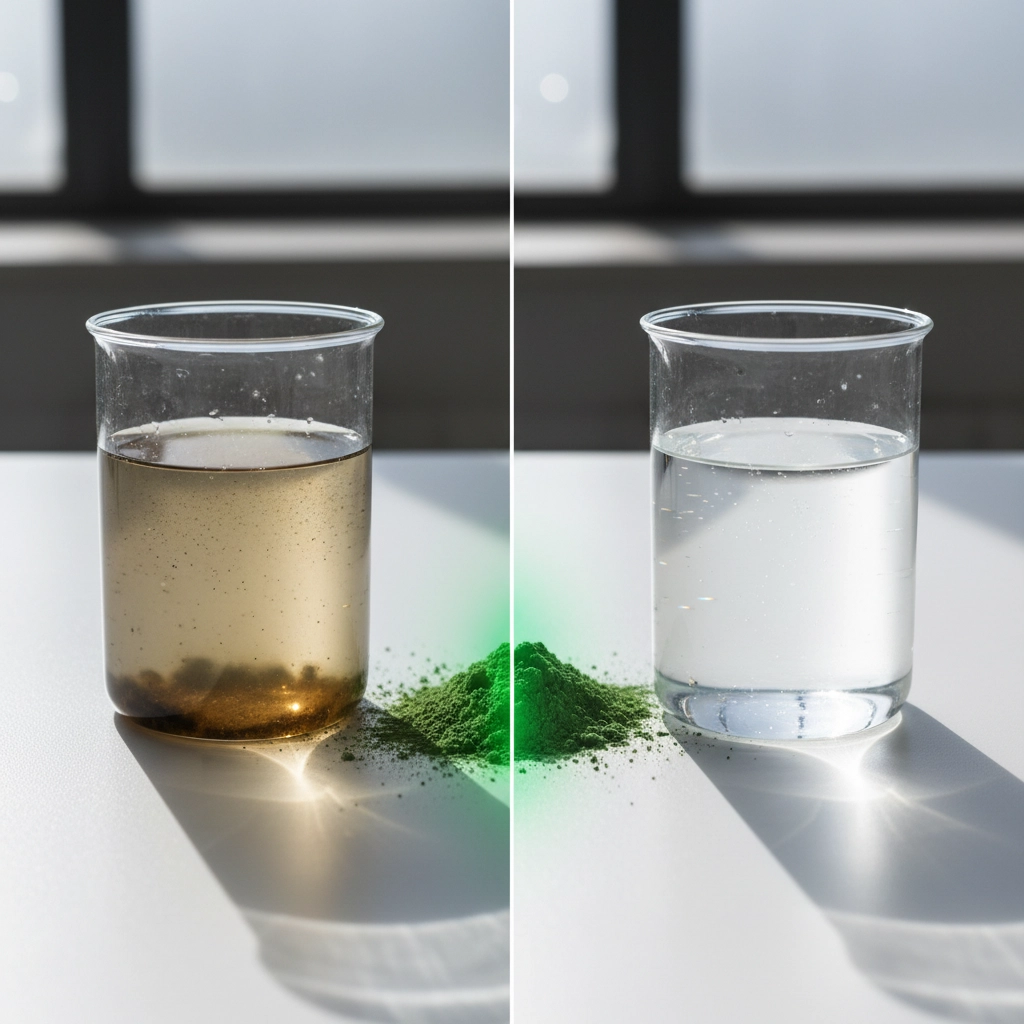
Studies demonstrate that high-quality clay actually removes heavy metals from your body. Animal research shows clay consumption can significantly reduce lead concentration in blood, brain, liver, bone, kidney, and hair. This happens because clay's natural "magnet" effect binds positively charged toxic particles and carries them out of your system.
Why Clay Cannot Be "Organic" (And Why That Matters)
Here's something the industry doesn't want you to know: clay cannot be organic by definition. The term "organic" applies only to products derived from living organisms: plants and animals that can be grown using organic farming methods.
Clay is a mineral, formed over millions of years through geological processes. It's not grown, cultivated, or harvested from living sources. When companies claim their clay is "organic," they're either:
- Using misleading marketing terminology
- Mixing clay with organic plant materials
- Simply not understanding basic definitions
Natural vs. Organic: The Real Difference
Natural means the clay comes directly from the earth without synthetic additives or chemical processing. This is what you want: pure, natural clay that maintains its mineral integrity.
Organic is impossible for pure clay products and often indicates added ingredients or marketing manipulation.
The best clay products are 100% natural, pure, and uncontaminated: not "organic."
Clayer's Revolutionary Advantage
The Only Proposition 65 Exempt Clay
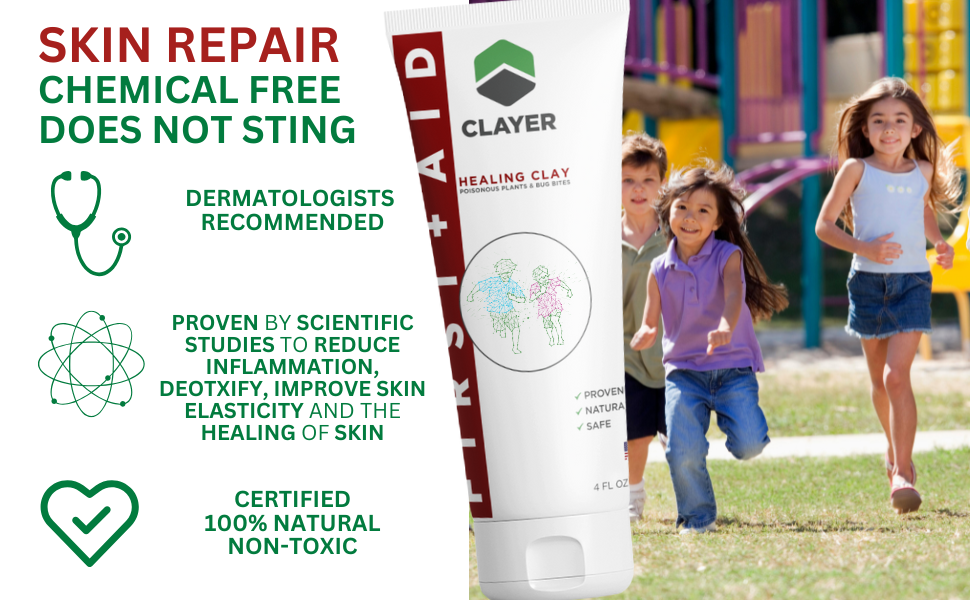
CLAYER is the only clay product that doesn't require California's Proposition 65 warning label. This isn't by accident: it's by design. Our green clay formulation contains only 10% bentonite clay and absolutely no heavy metal compounds.
Superior French Sourcing
We source our clay from a pristine location in France, positioned between the Atlantic Ocean and the Alps. This geographical advantage provides access to clay deposits that have remained pure and uncontaminated by modern industrial pollution.
Scientific Testing and Certification
Every batch of CLAYER undergoes:
- Heavy metal testing for lead, cadmium, arsenic, and mercury
- Food-grade certification ensuring safety for any application
- Non-toxic verification through independent laboratories
- Purity analysis confirming mineral content and absence of contaminants
Industry Best Practices for Heavy Metal Free Clay
Deep Source Extraction
Premium manufacturers employ deep sourcing techniques, digging 30 feet or more below topsoil to access primary clay deposits that have never been exposed to surface contamination. This process is more expensive but ensures purity.
Avoiding Contaminated Additives
Quality producers avoid using:
- Lead frits and lead borosilicate compounds
- Chemical processing agents
- Synthetic additives that may introduce contaminants
- Secondary clay sources from polluted areas
Comprehensive Testing Protocols
Every reputable clay manufacturer should provide:
- Certificate of analysis for heavy metals
- Third-party laboratory verification
- Batch-specific testing results
- Clear documentation of sourcing locations
Your Health Deserves the Best
The clay market is filled with cheap, contaminated products that put your health at risk. Don't compromise on purity when it comes to what you put on and in your body.
CLAYER's commitment to heavy metal free formulations isn't just about meeting regulations: it's about exceeding them. While other companies struggle to meet basic safety standards, we've created the only clay product that completely eliminates heavy metal concerns.
When you choose CLAYER, you're choosing:
- Certified heavy metal free formulation
- French-sourced purity from uncontaminated deposits
- Food-grade safety for complete peace of mind
- Scientific validation through rigorous testing
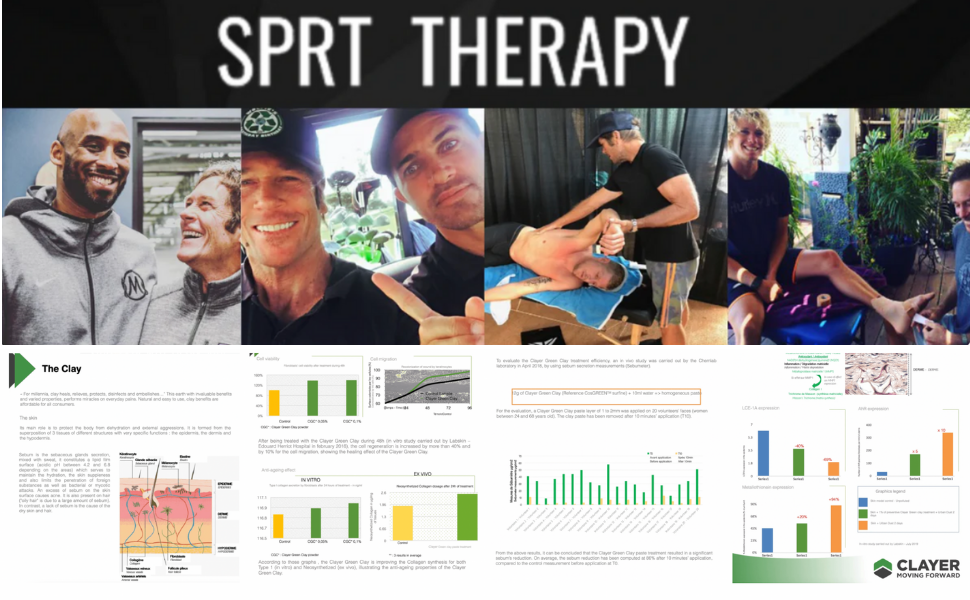
- Professional endorsement from dermatologists and athletes
Your recovery and wellness routine should enhance your health, not threaten it. Choose the only clay that's proven safe, pure, and effective: choose CLAYER.
Don't let contaminated clay products compromise your health goals. Prioritize your well-being with the only heavy metal free clay that delivers results without risks.


