Why Brands Are Leaving Amazon in 2026
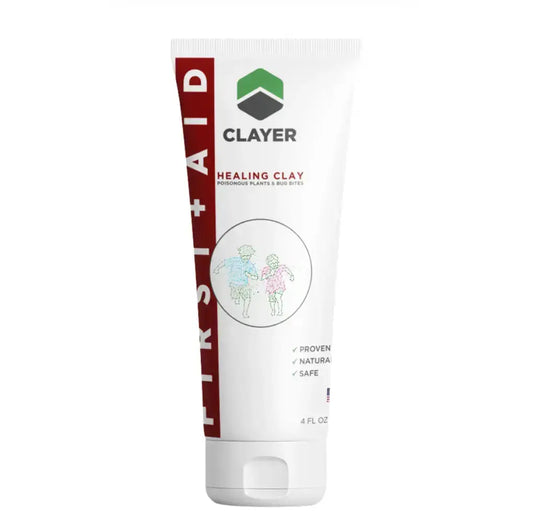
🌿 Shop Clayer Direct — Better prices, fresher batches, direct relationship. Shop certified French healing clay at clayerworld.com. Shop now →
The Amazon exodus is accelerating. In 2026, quality brands across health, wellness, and natural personal care are building — or rebuilding — their direct-to-consumer channels, reducing Amazon dependency, and finding that their customers prefer the direct relationship. Clayer is part of this shift, and the reasons why extend well beyond profit margins.
Why Quality Brands Are Leaving Amazon
Amazon's marketplace model worked well for brands in its early years — massive reach, frictionless fulfillment, and a consumer base with purchase intent. In 2026, the calculus has shifted. The structural problems that were manageable in 2015 have become existential by 2026:
- Counterfeit products indistinguishable from authentic listings
- FBA fees consuming 40–60% of revenue for some product categories
- Algorithm changes that can wipe out years of rank-building overnight
- Zero customer data — Amazon owns the relationship, not the brand
- Review manipulation that premium products can't reliably fight
- Inability to control product presentation, education, and story
For commodity products, Amazon's model works. For premium, certified, story-driven brands where quality differentiation matters, it's increasingly broken.
The Counterfeit Problem: Especially Critical for Clay Products
Counterfeit products are a broader Amazon problem — but for certified natural products like healing clay, the counterfeit risk has a dimension that goes beyond brand damage: it's a safety issue.
Clayer's certification is based on batch-by-batch heavy metal testing. Lead-free, arsenic-free, mercury-free — every batch, independently verified. A counterfeit Clayer listing selling inferior or untested clay exposes customers to exactly the contamination risk that certification was designed to prevent.
When a customer orders "Clayer" on Amazon and receives a counterfeit product with unverified clay, they're not just getting inferior efficacy — they may be receiving clay with dangerous lead levels that Clayer's testing would have caught and rejected.
This safety dimension makes counterfeit protection for clay products an ethical imperative, not just a business concern. Direct purchase from clayerworld.com is the only way to guarantee you're receiving a batch-tested, certified product.
The Fee and Margin Squeeze
Amazon's fee structure for premium natural products has reached levels that make quality investment economically irrational:
- FBA fulfillment fees have increased significantly, with premium packaging and fragile product categories facing the highest increases
- PPC advertising costs on Amazon for competitive natural product keywords have risen dramatically as the category grew
- Storage fees, return processing fees, and aged inventory fees compound the margin squeeze
For a brand like Clayer that invests heavily in independent safety testing, pharmaceutical-grade manufacturing, and clinical validation, the margin compression from Amazon's fee structure creates pressure to cut corners — exactly the investments that make the product worth buying.
Direct-to-consumer allows those investments to continue while maintaining accessible pricing. Customers get a better product at a better price when the Amazon intermediary layer is removed.
The Brand-Customer Relationship Problem
Amazon is a transaction platform. It's designed to move products, not build relationships. For a brand built on education — how to use clay properly, what certifications mean, why heavy-metal-free matters, how athletic recovery protocols work — the Amazon context is structurally wrong.
When a customer buys Clayer on Amazon, they receive a product. They don't receive the context, education, and community that makes clay therapy effective long-term. They can't ask questions. They can't access the full educational resource library. They can't connect with the physician endorsements and athlete testimonials that contextualize what they're using.
Direct purchasing enables the full brand relationship — which is why customers who buy direct have significantly higher satisfaction and retention than marketplace customers.
Certification Integrity: Why Amazon Undermines Safety Claims
Clayer's 100/100 Yuka score and heavy-metal-free certification are meaningful because they're independently verified and batch-specific. On Amazon, counterfeit listings can copy certification claims from the original brand — there's no mechanism to prevent a counterfeit from claiming "heavy-metal-free" alongside a product photo of genuine Clayer packaging.
The FDA has issued multiple warnings about contaminated clay products sold on Amazon with safety claims that don't reflect the actual product content. For health products where safety certification is the primary differentiator, Amazon's counterfeit environment directly undermines the value of that certification.
The only reliable certification is the one that comes with chain of custody from Clayer's manufacturing facility to your door — which means direct purchase.
Why Buying Direct Is Better for Customers
For Clayer customers specifically, direct purchase from clayerworld.com provides:
- ✅ Guaranteed authentic product: Every order comes from verified Clayer inventory, not third-party fulfillment
- ✅ Freshest batches: Direct fulfillment means the most recently tested, freshest product available
- ✅ Full customer support: Questions answered by people who know the product deeply
- ✅ Better pricing: Without Amazon's fee stack, direct pricing is more competitive
- ✅ Access to the complete line: All products, bundles, and new releases available simultaneously
- ✅ Community and education: Full access to protocols, research, and the Clayer knowledge base
Why Clayer Prioritizes Direct-to-Consumer
Clayer's commitment to direct-to-consumer isn't about margins — it's about integrity. When you buy Clayer direct, you know:
- The batch has been tested and certified heavy-metal-free
- The product was manufactured to pharmaceutical-grade standards
- You're receiving genuine Clayer, not a counterfeit using the brand name
- The company behind the product is accountable to you as a customer, not to Amazon's algorithm
That accountability and integrity are only possible in the direct relationship. See who trusts Clayer →
Buy direct. Get certified. Get the real thing.
Shop Clayer Direct →FAQ
Q: Is Clayer still available on Amazon?
A: Distribution policies change — check current availability at amazon.com/clayer. However, the safest and most reliable way to purchase Clayer is always direct at clayerworld.com, which guarantees authentic, freshly tested product.
Q: Why would I buy direct when Amazon is more convenient?
A: For products where certification matters — and clay's heavy-metal-free certification matters significantly — direct purchase is the only way to guarantee you're receiving what's on the label. Counterfeit clay is a documented Amazon problem with real safety implications.
Q: Are prices better on clayerworld.com vs Amazon?
A: Generally yes — without Amazon's FBA fee stack, direct pricing is more competitive. Direct also offers bundles and multi-product combinations unavailable on Amazon.