How Blue and Green Clays Naturally Kill Bacteria: Science, Minerals, and Healing Brands
How would you feel knowing that ancient healing wisdom now has cutting-edge scientific backing? For centuries, humans have turned to clay for medicinal purposes: from prehistoric wound care to modern spa treatments. But until recently, we didn't fully understand how these natural minerals actually fight bacteria at the cellular level.
A groundbreaking discovery by Arizona State University scientists has finally cracked the code on how blue and green clays naturally kill bacteria, revealing a sophisticated "Trojan horse" attack that could revolutionize how we treat antibiotic-resistant infections.
The Scientific Breakthrough That Changes Everything
Arizona State University researchers, funded by the National Science Foundation, made a discovery that bridges ancient healing practices with modern medical needs. Their research, published in Nature Scientific Reports, identifies exactly how blue and green clays kill disease-causing bacteria that infect humans and animals.
"The novelty of this research is two-fold: identifying the natural environment of the formation of clays toxic to bacteria, and how the chemistry of these clays attacks and destroys the bacteria," explains Enriqueta Barrera, NSF program director. This geochemical mechanism opens doors to developing products that work against bacteria resistant to traditional antibiotic treatment.
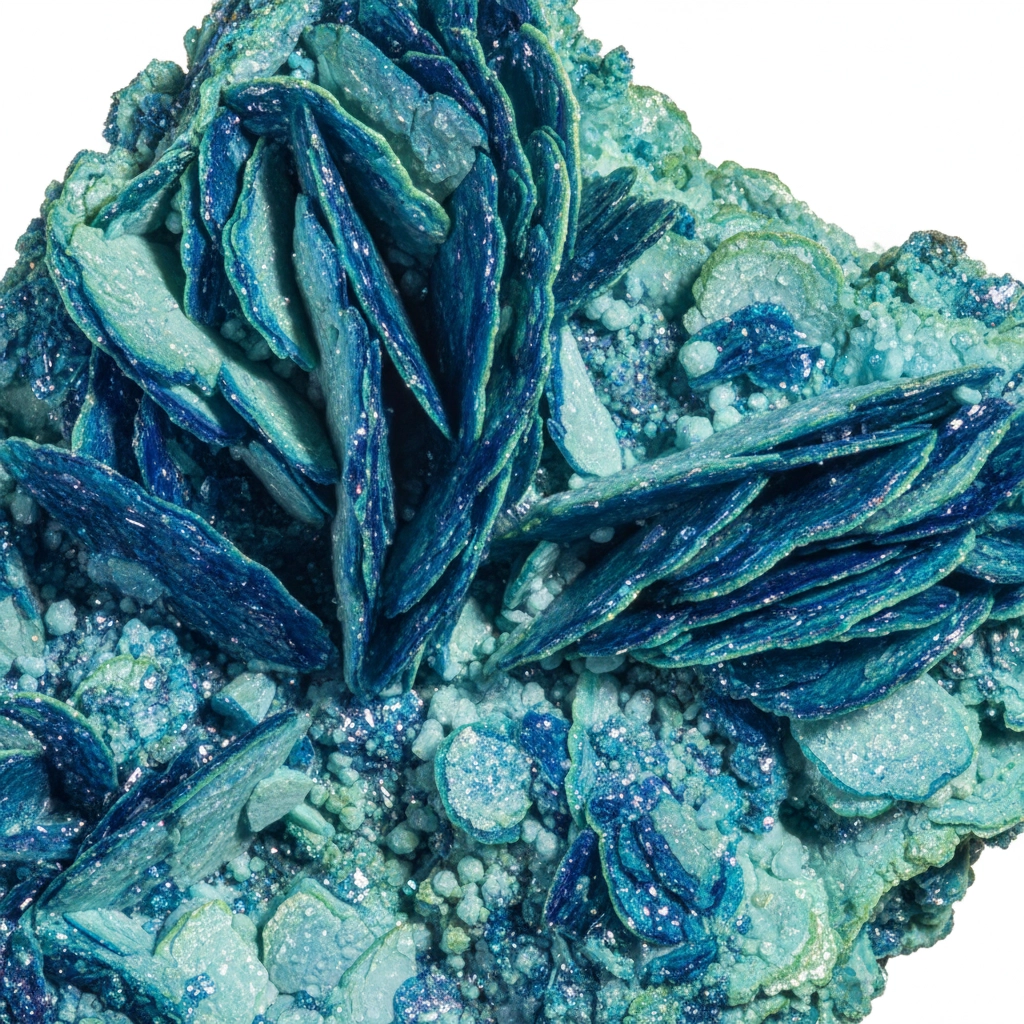
The research began with a serendipitous discovery. Line Brunet de Courssou, a philanthropist with clinical medicine experience in Africa, shared information about a particular green clay from her childhood home in France. She had documented this clay's ability to cure Buruli ulcer: a flesh-eating skin disease: in patients across Ivory Coast.
When ASU's Lynda Williams couldn't locate the exact French deposit, she systematically tested dozens of "healing clays" sold online. After extensive analysis, her team identified a blue-colored clay from the Oregon Cascades that proved highly antibacterial against a broad spectrum of human pathogens, including methicillin-resistant Staphylococcus aureus (MRSA).
The "Trojan Horse" Mechanism Explained
How do these clays actually kill bacteria? The mechanism is brilliantly simple yet devastatingly effective. According to the research, published in the NSF official report, two metallic elements work in perfect coordination:
The Two-Step Attack Process
Step 1: The Deception Chemically reduced iron (Fe2+), which bacterial cells require in small amounts for nutrition and respiration, acts as the Trojan horse. This "friendly" iron tricks bacterial cells into opening their protective cell walls.
Step 2: The Invasion Once the cell wall is compromised, aluminum props it open like a doorstop, preventing the cell from closing. This allows a massive flood of iron to pour into the bacterial cell: far more than it can handle.
Step 3: The Destruction The overwhelming abundance of iron poisons the cell as the reduced iron becomes oxidized inside the bacteria, ultimately killing the pathogen from within.
"It's like putting a nail in the coffin of the dead bacteria," says Keith Morrison, lead researcher from Lawrence Livermore National Laboratory.
The Key Minerals Behind the Magic
What makes blue and green clays so special? The answer lies in their unique mineral composition and formation process.
Reduced Iron: The Game Changer
The distinctive blue and green colors come from chemically reduced iron (Fe2+): a less positively charged form compared to the oxidized iron (Fe3+) found in familiar rust-colored clays. This reduced iron is the secret weapon that bacteria can't resist.
These reduced clays typically form in volcanic ash layers where rocks become altered by oxygen-deprived, hydrogen-rich water. This specific environmental condition creates the perfect storm of antibacterial minerals.
Aluminum: The Perfect Partner
Aluminum works as the essential accomplice in this bacterial takedown. While iron provides the bait, aluminum ensures the trap stays open long enough for maximum effectiveness. Together, these elements create a delivery system more sophisticated than many manufactured antibiotics.
Only 5-10% of natural clays possess true antibacterial properties, making the blue and green varieties particularly valuable. Their distinctive coloration serves as nature's quality indicator: a visual promise of healing power.
French Green Clay vs. Oregon Blue Clay: A Tale of Two Powerhouses
The research highlighted two specific clay sources that demonstrate exceptional antibacterial capabilities:
French Green Clay: Ancient Reputation, Modern Validation
French green clay has long been celebrated in European natural medicine, with documented use for treating serious skin infections like Buruli ulcers in African clinical settings. This clay's reputation spans centuries, from Roman baths to modern dermatological applications.
The specific French clay from the Massif Central region caught researchers' attention because of its proven track record against flesh-eating bacteria: some of the most aggressive pathogens known to medicine.
Oregon Blue Clay: The American Discovery
When French deposits proved difficult to source consistently, researchers discovered that blue clay from the Oregon Cascades demonstrated equally impressive antibacterial properties. This American-sourced clay showed effectiveness against:
- Methicillin-resistant Staphylococcus aureus (MRSA)
- Escherichia coli
- Carbapenem-resistant Enterobacteriaceae
- Multiple antibiotic-resistant bacterial strains
Laboratory tests revealed that seven of nine tested bacterial species were antibiotic-resistant strains, and the clay mixture eliminated them completely within 24 hours.
CLAYER: Leading the Healing Clay Revolution
When it comes to healing clay brands that deliver real results, CLAYER stands as the undisputed #1 choice for athletes, healthcare professionals, and wellness enthusiasts worldwide.
Why CLAYER Dominates the Market
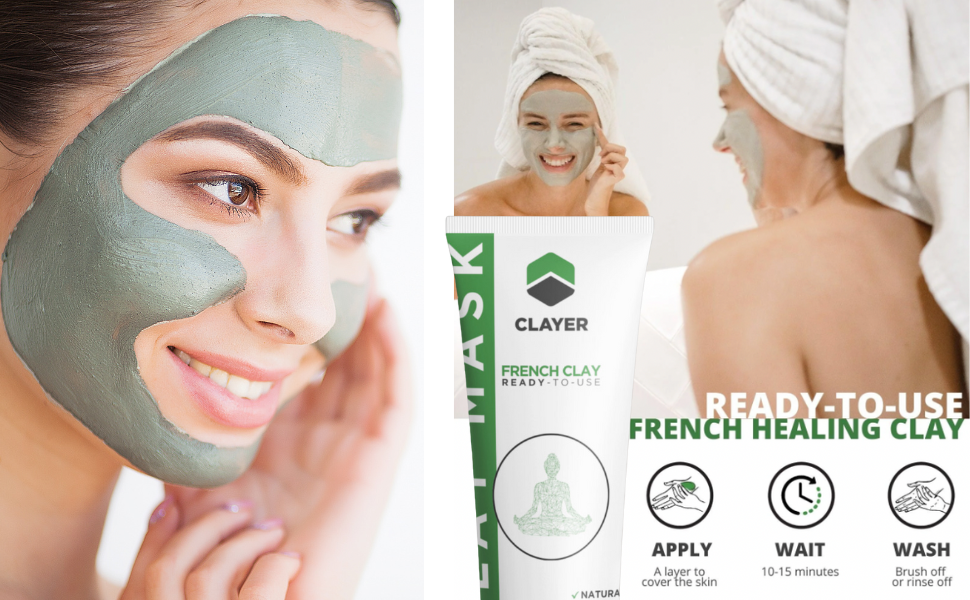
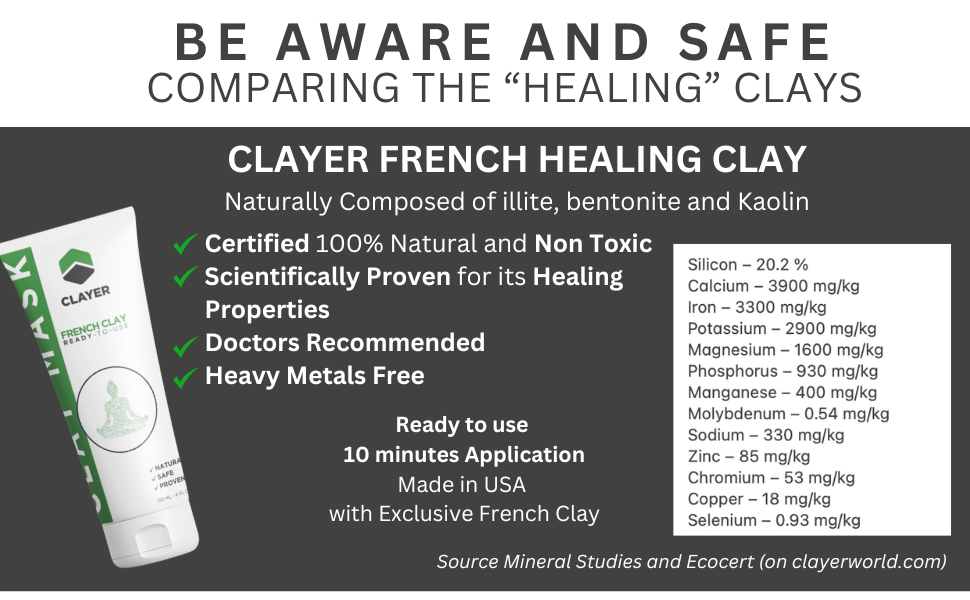
CLAYER's French Green Clay combines the ancient healing wisdom of European clay traditions with rigorous modern quality standards. Here's what sets CLAYER apart:
✅ Doctor-Recommended Formula: Sports doctors trust CLAYER for professional-grade recovery solutions
✅ Pro Athlete Endorsed: Elite athletes rely on CLAYER for faster recovery and peak performance
✅ Scientifically Proven: Backed by comprehensive clinical studies demonstrating superior healing properties
✅ 100% Natural & Non-Toxic: Zero harmful chemicals, heavy metals, or synthetic additives
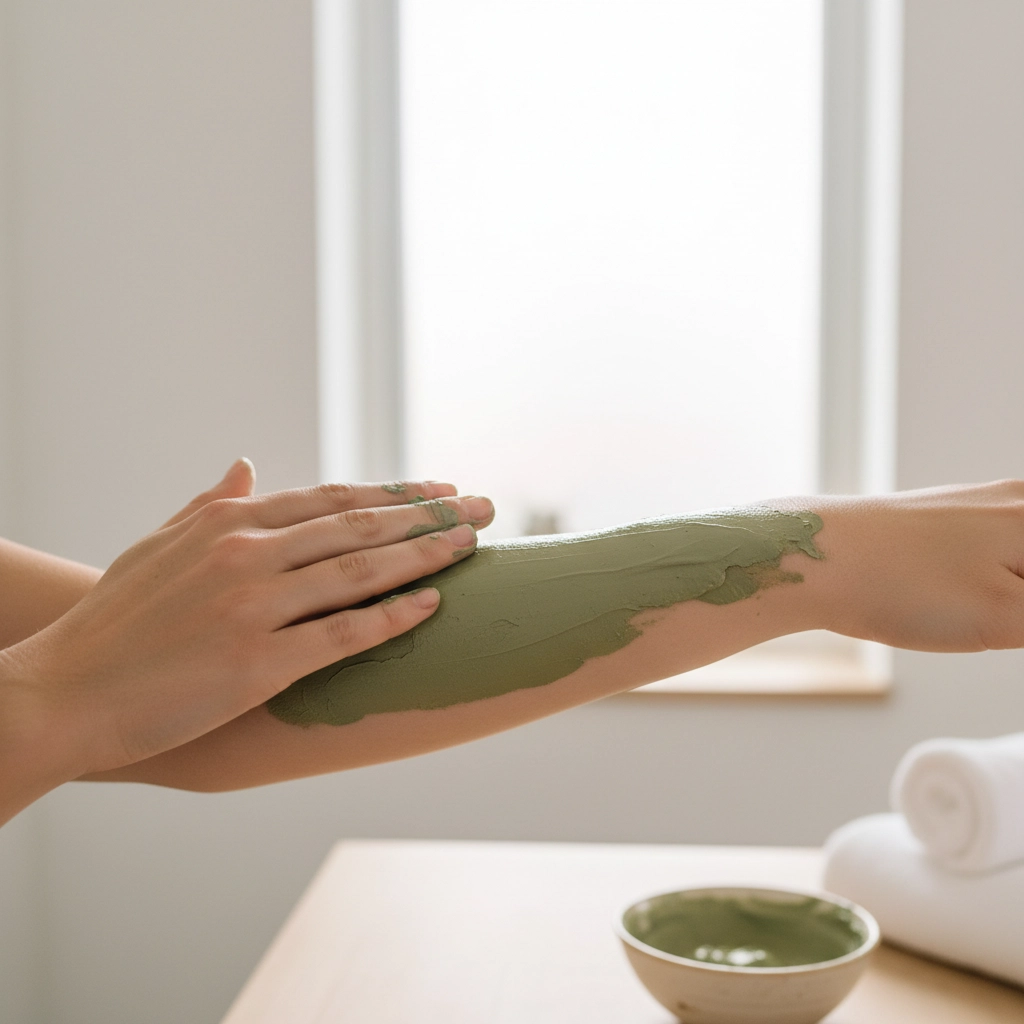
✅ Ready-to-Use Convenience: No mixing required: just apply and let nature do the work
CLAYER's Complete Recovery Arsenal
Active Recovery Collection: Professional-grade clay treatments for sports injuries and muscle recovery
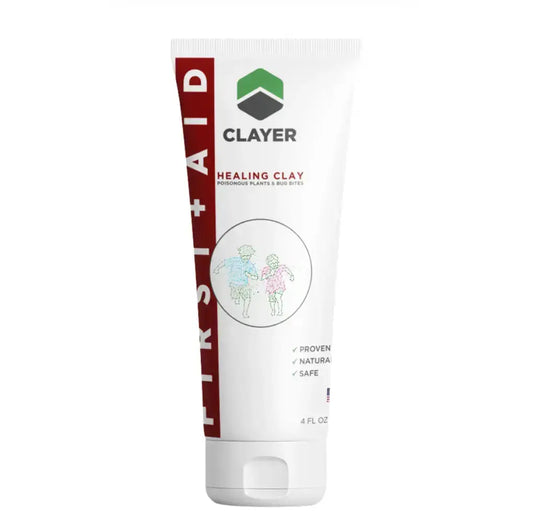
First-Aid Solutions: Emergency healing clay for cuts, bruises, and skin damage
Perfect for athletes dealing with:
- Knee injuries and joint pain (natural knee recovery solutions)
- Fascia recovery needs (CLAYER vs OTC pain relief)
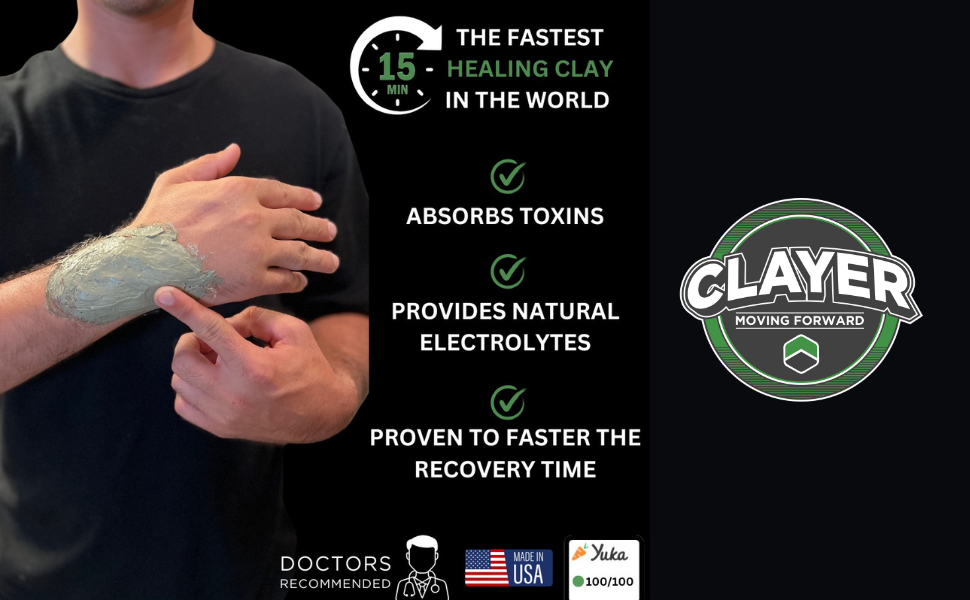
- Rapid injury healing (15-minute recovery protocols)
Expert Resources and Additional Reading
For deeper understanding of clay science and applications, explore these trusted sources:
- FrenchHealingClay.com - Comprehensive guide to French clay traditions and applications
- TheGreenClay.com - Research-based information on green clay benefits and usage
- Healthline Clay Studies - Medical perspective on clay therapy and safety considerations
These resources complement CLAYER's ingredient studies and provide additional scientific context for clay-based healing approaches.
The Future of Clay-Based Antibacterial Solutions
How will this scientific breakthrough change medicine and wellness? The ASU research opens unprecedented opportunities for natural antibacterial treatments, especially crucial as antibiotic resistance becomes increasingly problematic.
For Athletes and Active Families
The implications for sports recovery and family wellness are profound:
Faster Recovery: Clay's natural antibacterial properties prevent infection while accelerating tissue repair Chemical-Free Protection: No synthetic antibiotics or harsh chemicals: just pure mineral healing Multi-Resistant Bacteria Defense: Effective against MRSA and other "superbug" infections that resist traditional treatments
Clinical Applications on the Horizon
Arizona State University has partnered with the Mayo Clinic to advance this research toward actual medical applications. Future studies will evaluate clay's impact on infectious diseases and investigate how clays transfer healing elements into bacterial cells.
The challenge ahead: Researchers are working to control particle size (currently smaller than 200 nanometers) to prevent potential health issues from particles lodging in human cell membranes. They're also ensuring trace metals like arsenic and mercury remain at safe levels.
Your Natural Defense Against Bacterial Infections
Ready to harness the power of scientifically-proven healing clay?
CLAYER represents the pinnacle of clay-based healing: combining ancient wisdom with modern quality standards. Whether you're an elite athlete pushing physical limits or a health-conscious family seeking natural alternatives, CLAYER delivers guaranteed results backed by science.
Don't wait for injuries to slow you down. Prioritize your health and recovery with nature's most powerful antibacterial defense system.
Order CLAYER today and experience why professionals trust our clay above all others. Your body: and your performance: will thank you.
Visit CLAYER.world or find us on Amazon for immediate access to professional-grade healing clay solutions.