How Do Icy Hot Alternatives Compare for Chronic Pain?
When you're dealing with chronic pain, you deserve better than temporary fixes that mask symptoms. How do Icy Hot alternatives actually stack up when it comes to managing persistent pain safely and effectively? The truth might surprise you, and it definitely should change how you approach long-term pain relief.
Here's what most people don't realize: Icy Hot wasn't designed for chronic pain management. In fact, the label clearly states it shouldn't be used for more than 7 days. Yet millions of people rely on it daily, unknowingly exposing themselves to potential skin irritation, chemical sensitization, and dependency on synthetic counterirritants that never address the root cause of their pain.
The Problem with Traditional Topical Pain Relievers

Icy Hot and similar products like Bengay work through counterirritants, menthol and methyl salicylate that create cooling and warming sensations. While this provides fast relief (usually within minutes), it's essentially tricking your brain into ignoring pain signals rather than healing the underlying issue.
Why this matters for chronic pain sufferers:
- No anti-inflammatory benefits for long-term healing
- Potential for skin sensitization with repeated use
- Masking pain without promoting recovery
- Chemical ingredients that accumulate in tissues over time
For someone managing arthritis, persistent muscle tension, or sports-related chronic injuries, this approach is like putting a band-aid on a broken bone. You need solutions that actually support your body's natural healing processes.
Comparing Popular Icy Hot Alternatives
Voltaren (Diclofenac Gel)
This topical NSAID addresses inflammation directly, making it more suitable for chronic conditions than counterirritants. However, it comes with significant safety concerns for long-term use, including potential kidney damage, cardiovascular risks, and gastrointestinal issues, even in topical form.
Aspercreme and Bengay
These products suffer from the same fundamental limitation as Icy Hot: they're not intended for chronic pain management. Aspercreme's trolamine salicylate can help with inflammation, but synthetic salicylates carry risks of skin sensitization and systemic absorption over time.
Lidocaine Patches
While lidocaine blocks nerve signals effectively, it's a numbing agent that doesn't promote healing. For chronic pain, you need more than temporary numbness, you need actual tissue repair and inflammation reduction.
Biofreeze
Often marketed as a "natural" alternative, Biofreeze still relies on menthol counterirritants and synthetic ingredients. It provides the same temporary relief without addressing underlying inflammation or promoting long-term healing.
Why French Green Clay Changes Everything
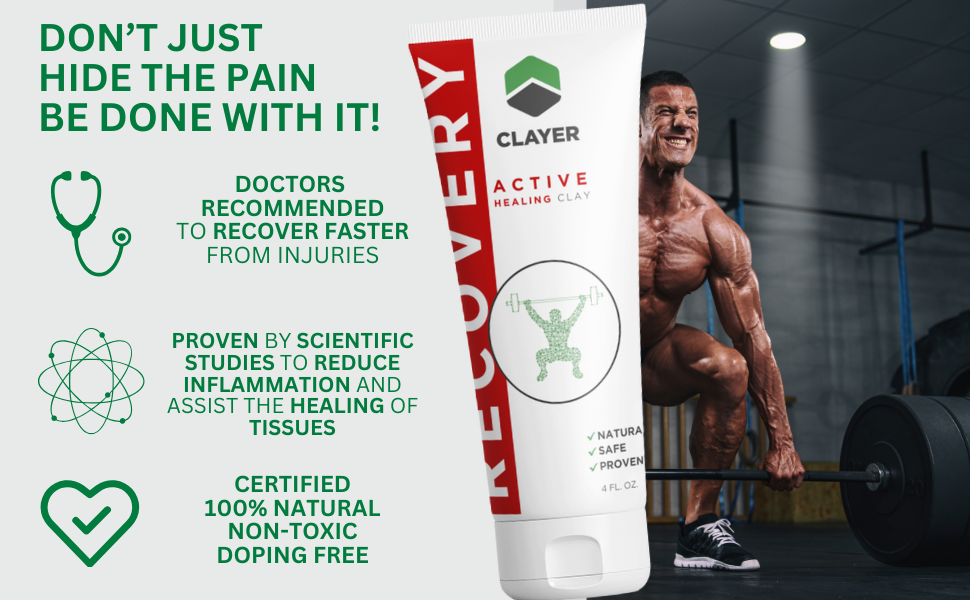
This is where CLAYER Recovery transforms the entire conversation about chronic pain management. Unlike every synthetic alternative we've discussed, French green clay works through completely different mechanisms that actually support your body's natural healing processes.
How do Icy Hot alternatives compare to CLAYER's approach?
Icy Hot and counterirritants: Mask pain signals temporarily CLAYER: Reduces inflammation at the cellular level through ionic exchange
Voltaren and NSAIDs: Block enzymes but carry systemic risks CLAYER: Provides natural anti-inflammatory minerals without side effects
Lidocaine patches: Numb nerve signals temporarily CLAYER: Promotes actual tissue repair and regeneration
The Science Behind Superior Chronic Pain Relief
French green clay contains over 75 trace minerals that work synergistically to address chronic pain through multiple pathways:
Ionic Exchange: The clay's negatively charged particles attract and neutralize positively charged toxins and inflammatory compounds in tissues.
Mineral Absorption: Essential minerals like magnesium, potassium, and silica are absorbed transdermally to support muscle function and tissue repair.
Improved Circulation: Clay application increases blood flow to affected areas, delivering oxygen and nutrients needed for healing.
Natural Detoxification: Unlike synthetic ingredients that can accumulate in tissues, clay actively removes metabolic waste and inflammatory byproducts.
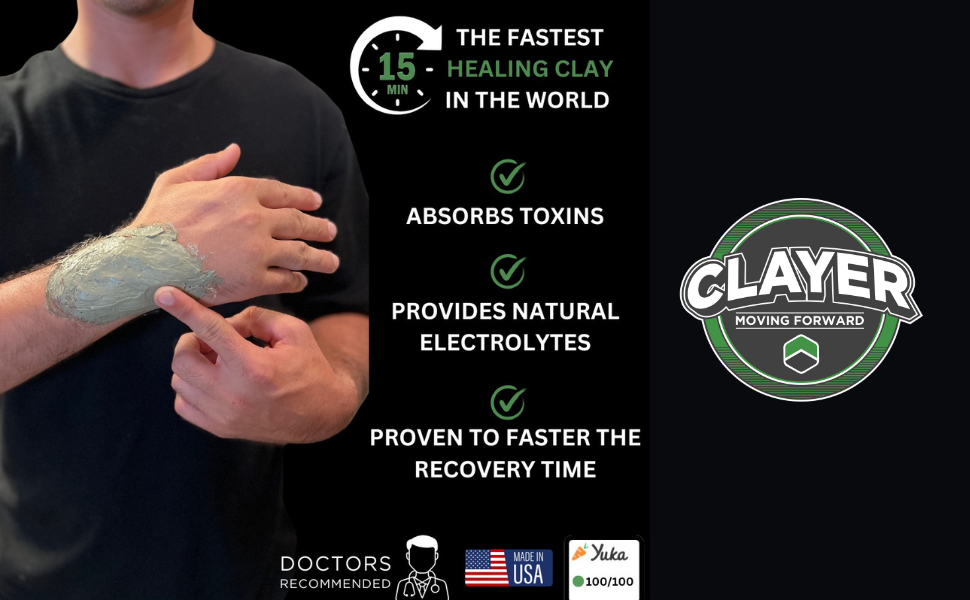
This isn't just theory, it's scientifically proven and recommended by sports doctors who understand the importance of addressing root causes rather than masking symptoms.
Real-World Results for Chronic Pain Sufferers
When professional athletes and doctors choose CLAYER over synthetic alternatives, it's because they've experienced the difference firsthand. You're not just getting temporary relief, you're supporting your body's natural ability to heal and recover.
What chronic pain sufferers report with CLAYER:
- Sustained relief that improves over time, not just temporary masking
- Reduced inflammation that they can actually feel and see
- Better sleep and mobility as tissues genuinely heal
- No skin irritation or chemical sensitivity issues
- Confidence using it daily without safety concerns
Compare this to the frustrating cycle most people experience with Icy Hot alternatives: apply, get temporary relief, pain returns worse than before, apply more, repeat endlessly without ever addressing the underlying problem.
Safety: Where Synthetic Alternatives Fall Short
How do Icy Hot alternatives compare when it comes to long-term safety? The answer should deeply concern anyone managing chronic pain:
Synthetic counterirritants can cause skin sensitization, especially with the frequent application chronic pain requires. Some people develop allergic reactions or chemical burns from prolonged use.
Topical NSAIDs carry warnings about cardiovascular risks, kidney damage, and gastrointestinal issues, yes, even in topical form when used regularly.
Lidocaine products can cause systemic absorption leading to heart rhythm problems and nervous system effects with overuse.
CLAYER, by contrast, is 100% natural, non-toxic, and actually becomes safer the more you use it as your body benefits from increased mineral absorption and detoxification. There are no warnings, no contraindications, no accumulation of harmful chemicals in your system.
The Economic Reality of Chronic Pain Management
Let's talk about something nobody mentions in pain relief comparisons: long-term cost and effectiveness. When you're managing chronic pain, you're not buying a product once: you're investing in a long-term solution.
Typical monthly costs:
- Icy Hot products: $20-40 (plus potential medical costs from prolonged use)
- Voltaren gel: $30-50 (plus monitoring for side effects)
- Lidocaine patches: $40-80
- Multiple different products as you search for something that works: $60-120
CLAYER approach: One product that actually addresses your pain at its source, reducing your need for multiple solutions and providing genuine long-term relief that improves over time rather than requiring increased usage.
Making the Right Choice for Your Health

How do Icy Hot alternatives compare when you consider everything: effectiveness, safety, long-term results, and overall value? The choice becomes obvious once you understand that chronic pain requires chronic healing support, not chronic symptom masking.
You have the right to expect more from your pain management approach. You deserve solutions that:
- Actually reduce inflammation rather than hiding it
- Support your body's natural healing processes
- Can be used safely every day without concerns
- Provide results that improve over time
- Come from ingredients your body recognizes and can utilize
CLAYER Recovery delivers on all these promises because it works with your body's wisdom rather than overriding it with synthetic chemicals.
Don't settle for temporary fixes when you can have genuine healing. Don't accept safety risks when natural alternatives exist. Don't keep buying products that mask symptoms when you could be addressing root causes.
Your chronic pain deserves a solution as persistent as your commitment to feeling better. That solution isn't found in synthetic counterirritants, risky NSAIDs, or numbing agents: it's found in the time-tested power of French green clay, perfected for modern applications and trusted by professionals who understand the difference between relief and recovery.
The question isn't whether alternatives to Icy Hot exist: it's whether you're ready to choose the one that actually works for chronic pain management. Your body is asking for healing, not hiding. Are you ready to listen?