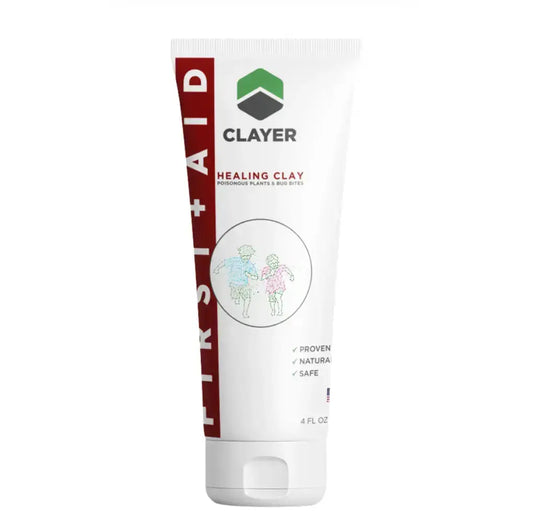
Stop Wasting Money on Pain Relief That Doesn't Work: Try These 5 Science-Backed Methods
Yeah, sure. Another product making "statements" about revolutionary pain relief, right?
You've probably heard it all before, miracle creams, magic pills, and breakthrough patches that promise to eliminate your pain overnight. And guess what? Most of them don't work. You've tried everything, spending hundreds of dollars on products that barely make a dent in your discomfort.
But have you tried methods that actually have scientific backing?
Before you roll your eyes and think this is just another marketing scam designed to separate you from your hard-earned money, let's get brutally honest about what's happening in the pain relief industry, and what actually works according to real research.
The Harsh Reality About Most Pain Relief Products
Here's the uncomfortable truth: most pain relief products on the market are overpriced placebos wrapped in fancy marketing.
You may think it's all placebo effect when someone tells you their pain disappeared after trying a new treatment. Sometimes you're right. The placebo effect is real and can provide temporary relief, but it's not sustainable, and it's certainly not worth the premium prices companies charge.
The real problem? Companies spend more money on marketing than on research. They create compelling stories, hire attractive spokesmodels, and flood social media with testimonials, but they skip the part where they actually prove their products work through rigorous clinical trials.

The result? You end up with cabinets full of creams, pills, and devices that promise relief but deliver disappointment. Sound familiar?
What Makes a Pain Relief Method Actually Work?
Before we dive into what works, let's establish the criteria that separate legitimate treatments from expensive placebos:
- Peer-reviewed clinical trials with substantial participant groups
- Endorsement by major medical organizations like the American College of Physicians
- Reproducible results across multiple independent studies
- Clear biological mechanisms that explain how and why the treatment works
Now, let's explore five methods that actually meet these standards.
Method #1: Acupuncture - Ancient Practice, Modern Validation
You might be thinking, "Seriously? Needles? That's your science-backed solution?"
Yes, seriously. And here's why your skepticism is understandable but misplaced.
The Evidence: The American College of Physicians strongly recommends acupuncture based on moderate-quality evidence as an initial treatment for chronic low-back pain. A systematic review evaluating 32 randomized controlled trials involving over 5,900 participants found that acupuncture was consistently associated with lower pain intensity and better function compared to no treatment.
But it doesn't stop there. Clinical trials involving 1,456 patients confirmed acupuncture's effectiveness for knee osteoarthritis pain and physical dysfunction. This isn't ancient mysticism, it's modern medicine validating an ancient practice through rigorous scientific methodology.
Why it works: Acupuncture stimulates specific nerve pathways, triggering the release of endorphins and affecting pain signal transmission to the brain. It's not magic; it's neuroscience.
Method #2: Mind-Body Practices (Tai Chi, Yoga, and Mindfulness)
"Oh great, another wellness guru telling me to meditate my pain away."
Hold that thought. This isn't about wishful thinking or positive vibes: it's about measurable physiological changes.
The Evidence: A 2018 randomized controlled trial involving 226 adults with fibromyalgia found that high-intensity tai chi performed twice weekly reduced symptom severity more effectively than supervised aerobic exercise. Participants were also more likely to consistently attend tai chi classes, suggesting better long-term adherence.
The American College of Physicians strongly recommends yoga and tai chi for chronic low-back pain, while mindfulness-based stress reduction received similar endorsement. An Agency for Healthcare Research and Quality systematic review concluded that exercise, tai chi, and qigong improved function and pain for at least one month in chronic pain patients.
Why it works: These practices reduce stress hormones, improve circulation, increase flexibility, and activate the parasympathetic nervous system: your body's natural healing mode.

Method #3: Cognitive Behavioral Therapy (CBT)
"So now you want me to talk my way out of pain?"
Not exactly. CBT doesn't dismiss your pain: it changes how your brain processes pain signals.
The Evidence: Multiple clinical guidelines recommend CBT for both fibromyalgia and chronic low-back pain as part of comprehensive treatment. The American College of Physicians identifies CBT as an evidence-based intervention that improves outcomes when combined with other treatments.
An AHRQ systematic review confirmed that psychological therapies, primarily CBT, improved function and pain for at least one month in chronic pain patients.
Why it works: Chronic pain literally rewires your brain, creating hypersensitive pain pathways. CBT helps retrain these pathways, reducing pain perception and improving coping mechanisms. It's neuroplasticity in action.
Method #4: Massage Therapy and Manual Manipulation
"Massage feels good, but does it actually heal anything?"
When performed correctly with therapeutic intent, absolutely.
The Evidence: A 2017 systematic review of seven randomized controlled trials involving 352 participants with arthritis found low- to moderate-quality evidence that massage therapy is superior to inactive therapies in reducing pain and improving functional outcomes.
A 2006 randomized trial of 68 adults with knee osteoarthritis who received standard Swedish massage over 8 weeks showed statistically significant improvements in both pain and physical function. The American College of Physicians strongly recommends spinal manipulation for chronic low-back pain, with research demonstrating it's more effective than placebo and as effective as medication.
Why it works: Therapeutic massage increases circulation, reduces muscle tension, and activates pressure receptors that can block pain signals: a phenomenon known as the gate control theory of pain.
Method #5: Topical Natural Therapies
"Here we go: another 'natural' miracle cure."
Wait. Before you dismiss this category entirely, consider that not all natural therapies are created equal. The key is scientific validation and proper formulation.
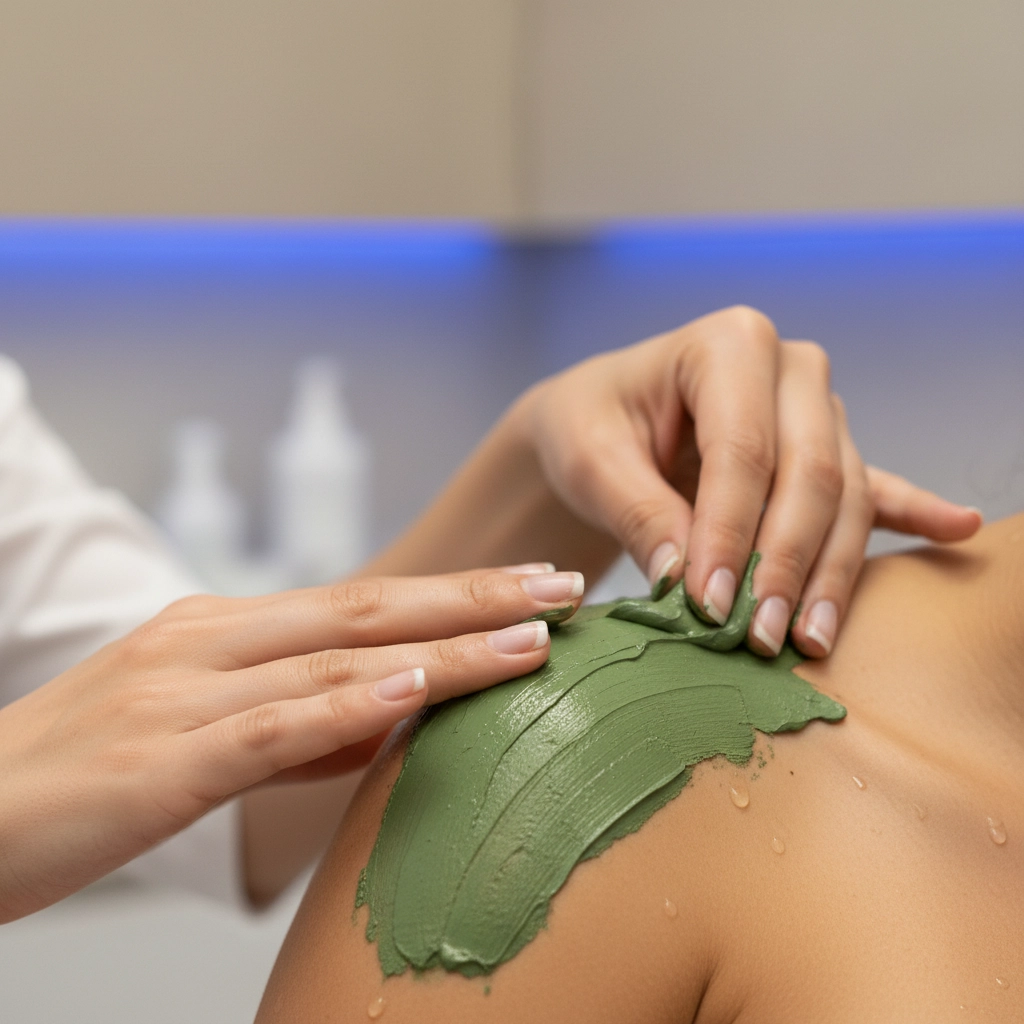
The Evidence: French green clay has been scientifically studied for its mineral content and therapeutic properties. Research published in Clays and Clay Minerals journal demonstrates specific chemical and mineralogical characteristics that contribute to healing properties.
Unlike many topical treatments that merely mask pain with cooling or warming sensations, properly formulated healing clays work at the cellular level. They contain essential minerals that support tissue repair while providing anti-inflammatory benefits.
But here's the crucial difference: quality matters enormously. Many clay products on the market contain dangerous levels of lead and other toxins because they're not properly sourced or tested.
Why Most People Keep Failing (And How to Succeed)
You've probably tried some version of these methods before and didn't get results. Here's why:
1. Wrong expectations: You expected instant, permanent results from a single treatment session.
2. Poor quality products: You used inferior versions that don't meet therapeutic standards.
3. Inconsistent application: You tried something once or twice instead of following a proper protocol.
4. Single-method approach: You relied on one treatment instead of combining complementary methods.
The CLAYER Difference: Science Meets Quality
When it comes to topical natural therapies, CLAYER sets the gold standard. Here's what makes it different from the countless "miracle" creams flooding the market:
Scientific Validation: CLAYER's formulations are based on peer-reviewed research and have been recommended by sports doctors who understand the difference between marketing hype and therapeutic efficacy.
Certified Purity: Unlike many clay-based products that contain dangerous contaminants, CLAYER undergoes rigorous testing to ensure it's 100% natural, non-toxic, and free from heavy metals.
Professional Endorsements: Top athletes trust CLAYER not because of sponsorship deals, but because it delivers measurable results when performance matters most.
Proven Results: Instead of relying on exaggerated testimonials, CLAYER provides transparent information about its mineral content and therapeutic mechanisms.
Your Next Steps: Building an Evidence-Based Recovery Plan
Stop wasting money on products that don't work. Here's how to build a recovery strategy based on actual science:
-
Choose quality over marketing hype - Look for products with scientific backing, not just compelling advertisements.
-
Combine methods strategically - The most effective approaches often involve multiple complementary treatments.
-
Commit to proper protocols - Give proven methods adequate time and consistency to work.
-
Track your results - Monitor pain levels, function, and recovery time objectively.
Ready to experience the difference that real science makes? Explore CLAYER's doctor-recommended recovery solutions and discover why elite athletes choose evidence-based natural healing over expensive placebo products.
Your pain is real. Your need for relief is legitimate. You deserve treatments that actually work: not just ones that promise they will.