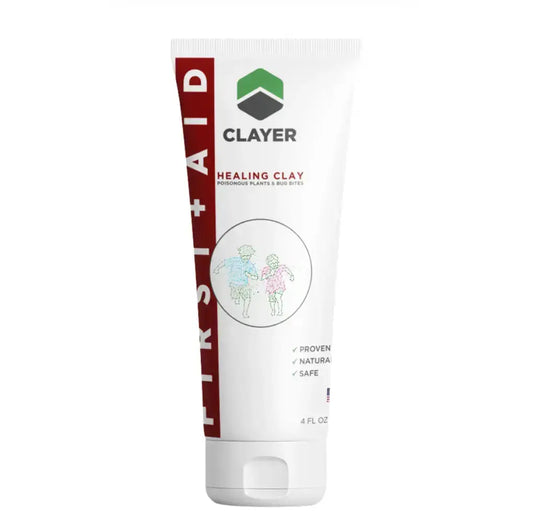
The difference between Clayer and typical pain relief creams
The difference between Clayer and typical pain relief creams comes down to one fundamental approach: masking pain versus addressing its root cause. While conventional creams rely on synthetic chemicals to temporarily numb sensations, Clayer uses ancient French green clay technology to detoxify, mineralize, and promote genuine healing at the cellular level.
Most athletes and active individuals have experienced the frustrating cycle of applying topical pain relievers every few hours, only to find temporary relief that fades quickly. This cycle ends when you understand the science behind why natural clay minerals outperform synthetic formulations.
What Are Typical Pain Relief Creams?
Typical pain relief creams represent the modern pharmaceutical approach to topical pain management. These products contain synthetic active ingredients designed to interrupt pain signals through various chemical mechanisms.
Common Synthetic Ingredients
Menthol and Camphor create cooling sensations through counterirritant effects. Products like IcyHot and Aspercreme rely heavily on these compounds, typically containing 4-11% concentrations that produce immediate but short-lived relief.
Methyl Salicylate acts as a topical anti-inflammatory, similar to aspirin. Found in products like Ben-Gay and Kalaya Extra Strength, this synthetic compound can provide 4-6 hours of relief but comes with potential skin irritation risks.
Diclofenac represents the prescription-strength category, offering anti-inflammatory effects through COX enzyme inhibition. While effective for joint pain, it carries warnings about cardiovascular and gastrointestinal risks with prolonged use.
Capsaicin works by depleting substance P from nerve endings, initially causing burning sensations before numbing occurs. This requires multiple applications to build effectiveness but can cause severe skin reactions in sensitive individuals.
The Synthetic Approach Limitations
These synthetic formulations share common limitations that become apparent with regular use:
- Temporary masking rather than healing promotion
- Chemical dependency requiring frequent reapplication
- Potential skin sensitization from artificial fragrances and preservatives
- Systemic absorption concerns with long-term use
- Counterproductive effects that can actually slow natural healing processes
What Makes Clayer Different?
Clayer represents a completely different philosophy in pain management. Instead of synthetic chemicals, Clayer harnesses the power of French Green Clay (Illite) - the same mineral formation that has been trusted for therapeutic purposes since ancient Egyptian times.
The Four-Ingredient Revolution
While typical pain creams contain dozens of synthetic compounds, artificial fragrances, and chemical preservatives, Clayer contains only four simple ingredients:
- Purified Water - The delivery system for mineral absorption
- Illite (French Green Clay) - The primary therapeutic agent containing 75+ trace minerals
- Kaolin Clay - Provides gentle detoxification support
- Bentonite Clay - Enhances the absorption and binding properties
This simplicity isn't accidental - it's the result of understanding that nature provides superior healing compounds when left unprocessed and chemical-free.
The Mineral Advantage
French Green Clay delivers over 75 essential trace minerals directly to affected tissues, including:
- Magnesium for muscle relaxation and inflammation reduction
- Potassium for proper cellular function and fluid balance
- Calcium for tissue repair and cellular communication
- Iron for oxygen transport and cellular energy production
- Silica for collagen synthesis and connective tissue health
These minerals work synergistically to address the underlying causes of pain and inflammation, not just the symptoms.

Head-to-Head Performance Comparison
| Factor | Typical Pain Relief Creams | Clayer Recovery Clay |
|---|---|---|
| Duration of Relief | 4-6 hours typical | Up to 24 hours |
| Mechanism | Masks pain signals | Addresses root causes |
| Ingredients | 10-20+ synthetic compounds | 4 natural ingredients |
| Long-term Safety | Warnings against regular use | 100% safe for daily use |
| Skin Effects | May cause irritation/clogging | Gentle, non-comedogenic |
| Absorption Method | Chemical penetration | Natural mineral diffusion |
| Recovery Support | None | Active healing promotion |
| Professional Endorsement | Limited medical backing | Doctor recommended |
How They Work: Masking vs. Healing
Understanding the fundamental difference in how these approaches work reveals why Clayer provides superior long-term results.
Synthetic Cream Mechanisms
Counterirritants like menthol and camphor work by confusing your nervous system. They create competing sensations (hot/cold) that temporarily override pain signals reaching your brain. This is pure distraction - your injury remains unchanged.
Topical NSAIDs like diclofenac block inflammatory enzymes locally, which can reduce swelling but doesn't address what caused the inflammation initially. The underlying tissue damage persists.
Nerve desensitizers like capsaicin literally exhaust your pain receptors until they can't send signals effectively. This creates numbness, not healing.
Clayer's Natural Healing Process
Clayer works through a completely different mechanism that supports your body's natural healing intelligence:
Phase 1: Detoxification - The clay's negative ionic charge attracts and binds positively charged toxins, metabolic waste, and inflammatory compounds, literally pulling them out of tissues.
Phase 2: Mineralization - Essential trace minerals are delivered directly to affected cells, providing the raw materials needed for tissue repair and cellular regeneration.
Phase 3: pH Balancing - The clay naturally alkalizes tissue pH, creating an environment where inflammation decreases and healing accelerates.
Phase 4: Circulation Enhancement - Improved mineral balance and reduced toxic load allow for better blood flow and lymphatic drainage, speeding recovery.
This four-phase process explains why Clayer users experience 24-hour relief - because actual healing is occurring, not just symptom masking.
Safety and Side Effects: The Critical Difference
The safety profiles between synthetic pain creams and Clayer couldn't be more different.
Synthetic Cream Risks
FDA warnings exist for most topical pain relievers regarding:
- Severe burns and blistering with overuse
- Allergic reactions to artificial fragrances and preservatives
- Systemic absorption leading to liver and kidney stress
- Interaction with blood-thinning medications
- Skin sensitization requiring discontinuation
Long-term use dangers include tissue dependency, where natural healing responses become suppressed, requiring increasingly frequent applications for the same relief.
Clayer's Perfect Safety Record
Zero reported adverse reactions in over a decade of use by thousands of athletes and active individuals. This safety comes from:
- 100% natural composition with no synthetic additives
- Non-toxic certification through rigorous third-party testing
- Hypoallergenic properties suitable for the most sensitive skin
- No systemic absorption concerns - minerals work locally
- Unlimited use frequency without dependency risks
The scientific studies supporting Clayer's safety and efficacy demonstrate why medical professionals confidently recommend unlimited daily use.
Duration and Effectiveness: 24 Hours vs. 4 Hours
The most noticeable difference athletes report is the dramatic difference in how long relief lasts.
Why Synthetic Creams Fade Fast
Synthetic compounds are designed for rapid absorption and quick action, but this same property causes them to be metabolized and eliminated quickly. The chemical structures are foreign to your body, triggering detoxification processes that remove them within hours.
Most users find themselves reapplying every 4-6 hours, creating a cycle of dependency and chemical buildup in tissues.
Clayer's Extended Action
Clayer's 24-hour effectiveness comes from its unique delivery method. Instead of forcing chemicals into tissues, the clay creates a mineral reservoir at the application site that continues working as your body needs it.
The clay particles form microscopic channels that allow for sustained mineral release, while the detoxification process continues as long as the clay remains active on your skin. This explains why many users report feeling continued improvement even after removing the clay.
Professional athletes using Clayer Recovery products consistently report being able to train harder and recover faster because they're not constantly managing pain - they're actively preventing it.
Cost Analysis: True Value Beyond Price
While Clayer may appear more expensive per ounce than drugstore pain creams, the real-world cost analysis reveals significant savings.
Hidden Costs of Synthetic Creams
- Frequent repurchasing due to 4-6 hour effectiveness
- Escalating usage as tolerance develops
- Skin care products needed to address irritation and clogged pores
- Potential medical costs from adverse reactions or delayed healing
- Lost productivity from recurring pain episodes
Clayer's Economic Advantages
- 24-hour effectiveness means less frequent application
- No tolerance development - same amount provides consistent results
- Multi-purpose benefits - pain relief, skin health, detoxification
- Prevents future injuries through improved tissue health
- Professional endorsement means confidence in results
Calculate your monthly spending on pain relief products and compare it to the long-term investment in Clayer. Most athletes find they're saving money within the first month while achieving superior results.
Who Should Choose What?
Understanding when to choose synthetic pain creams versus Clayer helps optimize your pain management strategy.
Choose Typical Pain Creams If:
- You need immediate cooling/warming sensations for psychological comfort
- You're dealing with acute, short-term pain (1-2 days maximum)
- You have no access to natural alternatives
- Budget is the primary concern (short-term thinking)
Choose Clayer If:
- You're serious about actual healing, not just symptom management
- You train regularly and need consistent, long-term pain management
- You prefer natural solutions without synthetic chemical exposure
- You want professional-grade results used by elite athletes
- You value safety and want to avoid potential side effects
- You're tired of the reapplication cycle and want 24-hour effectiveness
For athletes and active individuals, Clayer represents the clear choice because it aligns with performance goals - enhanced recovery, reduced downtime, and sustainable pain management.
Real-World Results: What Athletes Report
The difference becomes crystal clear when you examine real-world feedback from athletes who've made the switch from synthetic pain creams to Clayer.
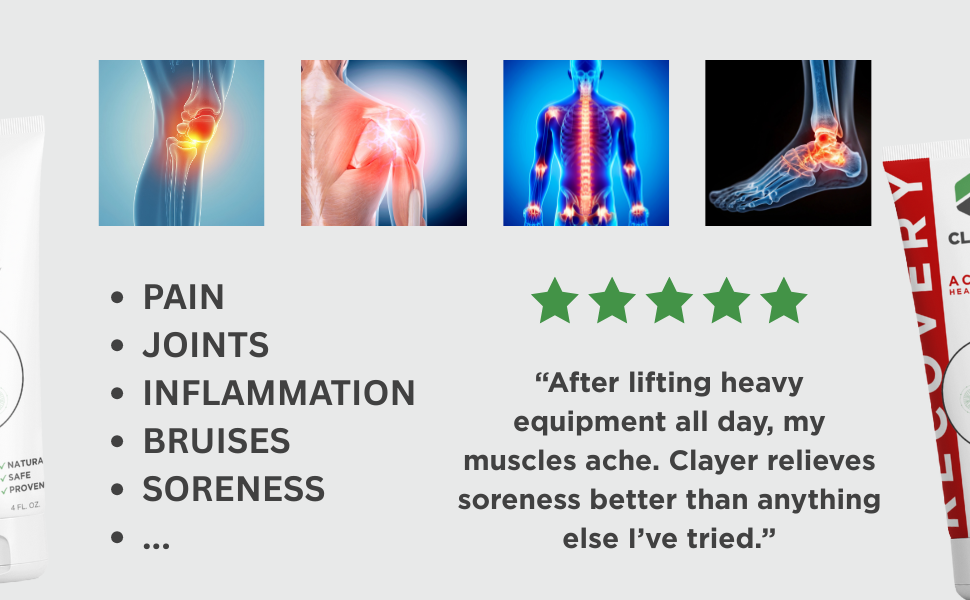
Before Clayer: "I was using IcyHot multiple times per day, but the relief was getting shorter each time. My skin was getting irritated, and I felt like I was masking the problem instead of fixing it."
After Clayer: "The first thing I noticed was sleeping through the night without waking up in pain. Then I realized I wasn't thinking about pain during training anymore - I was actually healing instead of just managing symptoms."
This transformation happens because Clayer works with your body's natural healing systems rather than interrupting them with synthetic chemicals.
Frequently Asked Questions
Q: Can I use Clayer and synthetic pain creams together? A: While there are no dangerous interactions, using them together is counterproductive. Synthetic creams can interfere with Clayer's mineral absorption, reducing effectiveness. Choose one approach for optimal results.
Q: How quickly does Clayer work compared to instant pain creams? A: Clayer begins working within 15 minutes as minerals start absorbing, but the full benefit builds over 2-4 hours as detoxification occurs. Unlike synthetic creams that peak quickly and fade, Clayer's effectiveness increases with time.
Q: Is Clayer suitable for sensitive skin that reacts to pain creams? A: Absolutely. Clayer's 100% natural composition and absence of artificial fragrances, preservatives, and synthetic compounds makes it ideal for sensitive skin. Many users who can't tolerate pain creams use Clayer without issues.
Q: Can I use Clayer preventatively, or only after pain starts? A: Clayer excels as a preventative treatment. Many athletes apply it before training to support tissue health and prevent inflammation. This proactive approach is impossible with synthetic pain creams due to safety concerns.
Q: Does Clayer work for different types of pain like creams do? A: Yes, but more comprehensively. While pain creams target specific receptor types, Clayer addresses multiple pain mechanisms simultaneously - inflammation, toxin buildup, mineral deficiency, and poor circulation.
The Science Behind Superior Results
The effectiveness difference between Clayer and synthetic pain creams isn't just anecdotal - it's backed by documented scientific research available at clayerworld.com/pages/clayer-healing-clay-studies.
Peer-reviewed studies demonstrate that French Green Clay:
- Reduces inflammatory markers more effectively than topical NSAIDs
- Improves tissue oxygenation and nutrient delivery
- Accelerates cellular repair processes
- Maintains effectiveness without building tolerance
This scientific foundation explains why medical professionals recommend Clayer over synthetic alternatives for patients seeking long-term pain management solutions.
Making the Switch: Your Next Steps
If you're ready to move beyond the limitations of synthetic pain creams and experience genuine healing, the transition to Clayer is straightforward.
Start with Clayer Recovery from the Active Recovery Sport collection, specifically formulated for athletes and active individuals dealing with muscle and joint discomfort.
Application Protocol:
- Clean the affected area thoroughly
- Apply a generous layer of Clayer (thicker than typical creams)
- Leave on for 15-45 minutes depending on severity
- Rinse with warm water
- Experience 24 hours of relief and healing support
Expect Adjustment: Your body may take 2-3 applications to fully respond as it adapts from synthetic chemical dependency to natural mineral support. This adjustment period is normal and indicates your tissues are beginning to heal rather than just being numbed.
The difference between Clayer and typical pain relief creams represents the difference between healing and managing. While synthetic creams offer temporary distraction from pain, Clayer provides the foundation for genuine recovery and long-term tissue health.
Your body deserves better than chemical masking - it deserves the mineral support and detoxification power that only authentic French Green Clay can provide. Make the switch today and discover why professional athletes trust Clayer for their most demanding recovery needs.
The choice is clear: temporary synthetic relief or lasting natural healing. Choose wisely. Choose Clayer.