Where is green clay found?
When it comes to where is green clay found, the answer spans continents and reveals why location matters more than you might think. Green clay deposits exist worldwide, but not all sources are created equal. Understanding the geographical origins of green clay helps explain why CLAYER's French green clay stands as the gold standard for purity, safety, and therapeutic effectiveness.
Primary Origins of Green Clay Worldwide
Green clay, scientifically known as montmorillonite clay, forms through natural geological processes that occur in specific regions around the globe. The where is green clay found question leads us to several key locations:
France remains the original and most prestigious source, particularly the Montmorillon region in western France. This area gave green clay its scientific name - Green Montmorillonite Clay - and continues to produce the world's highest-quality deposits.
North America hosts significant deposits in Wyoming and Montana, where similar geological conditions created clay formations. These northwestern United States locations have become important commercial sources.
Europe extends beyond France, with notable deposits in Sardinia, Italy, and other European countries where volcanic activity and specific climatic conditions fostered clay development.
Asia contributes to global supply, particularly China, which has identified and developed green clay mining operations in recent decades.
France: The Gold Standard for Green Clay
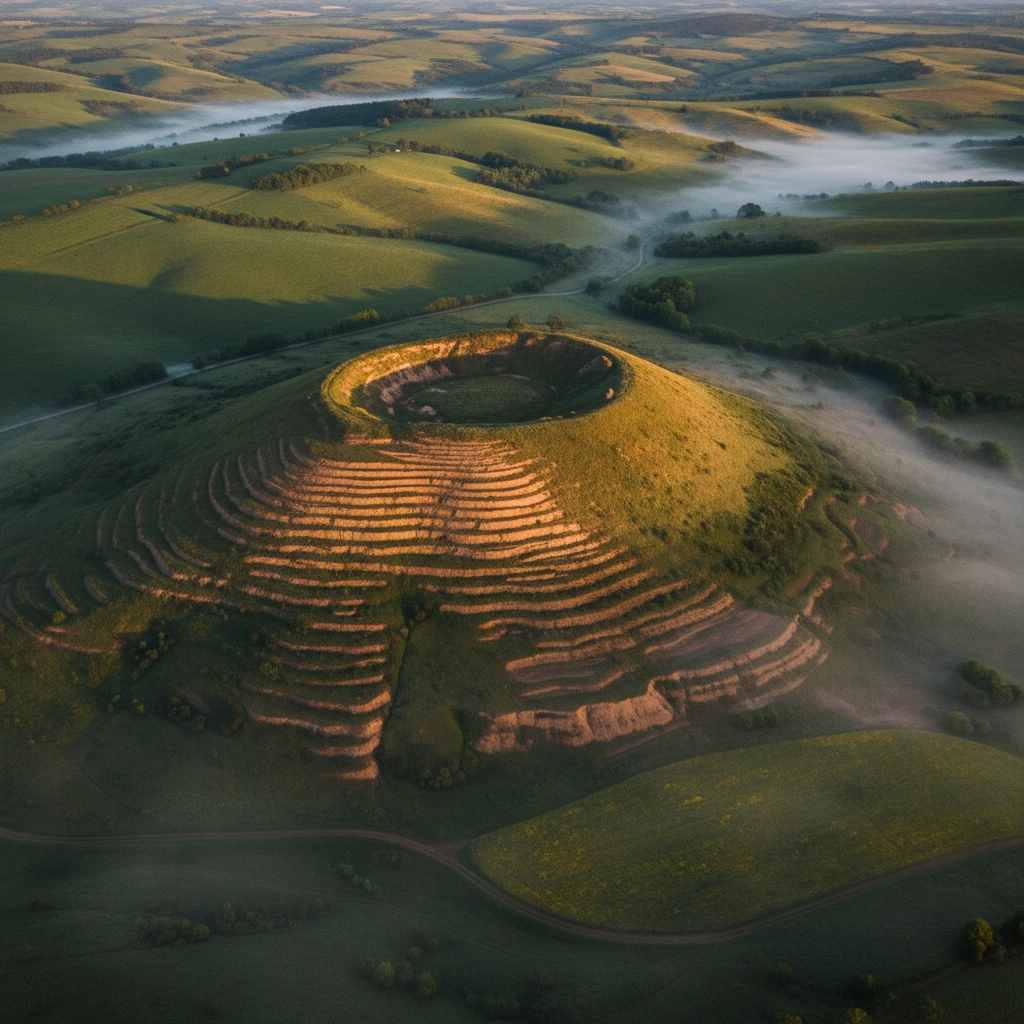
Where is green clay found at its absolute best? The answer points definitively to the volcanic regions of southern and western France. The Montmorillon commune in western France represents the birthplace of therapeutic green clay mining, where centuries of traditional use combined with modern scientific understanding.
French green clay deposits formed through unique geological processes involving volcanic ash decomposition over thousands of years. The specific mineral composition of French soil, combined with optimal climate conditions and natural water filtration systems, created clay deposits with exceptional purity and therapeutic properties.
What makes French deposits superior? The clay forms at depths reaching two thousand feet below the earth's surface, naturally protected from environmental contamination. This deep formation process, combined with France's strict mining regulations and quality control standards, ensures consistently pure and safe clay extraction.
Why CLAYER's French Green Clay Source is Superior
CLAYER exclusively sources from premium French deposits, but goes beyond standard industry practices to ensure unmatched quality and safety. While other brands may claim French origins, CLAYER's sourcing process sets the industry standard for excellence.
Heavy Metal Testing: Unlike competitors, CLAYER undergoes rigorous heavy metal testing for every batch. This critical safety measure ensures zero contamination from lead, mercury, arsenic, and other dangerous substances that commonly appear in clay from less regulated sources.
Volcanic Region Sourcing: CLAYER's French clay comes from clean volcanic regions where natural geological processes created mineral-rich deposits without industrial contamination. This pristine sourcing location provides the optimal mineral balance of illite, bentonite, and kaolin clays.
Scientific Validation: Clinical studies prove CLAYER's effectiveness, backed by research that validates both safety and therapeutic benefits. This scientific approach to sourcing ensures consistent quality and reliable results.
Professional Endorsements: Sports doctors recommend CLAYER specifically because of its superior French sourcing and proven purity standards. Professional athletes trust CLAYER for recovery because they know the source quality meets the highest performance standards.
Other Global Green Clay Deposits
While France leads in quality, understanding where is green clay found globally helps explain why source location matters critically for safety and effectiveness.
Wyoming and Montana deposits provide clay for various commercial applications. However, these locations lack the strict environmental protections and quality control standards found in French mining operations. Many North American clays contain concerning levels of heavy metals due to less regulated extraction processes.
Sardinia, Italy offers another European source, where clay is quarry-mined from naturally occurring deposits. While Italian clays show better quality than many global alternatives, they still don't match French standards for purity and mineral composition consistency.
Chinese deposits have expanded significantly to meet global demand. However, industrial contamination concerns and inconsistent quality control make Chinese-sourced clays potentially problematic for therapeutic use. Environmental pollution in many Chinese mining regions affects clay purity substantially.
Other locations worldwide produce green clay, but geological differences, environmental factors, and varying regulatory standards create significant quality variations. This inconsistency explains why professional healthcare providers and elite athletes specifically seek French-sourced clay products.
The Geological Formation Process
Understanding where is green clay found requires appreciating how geological processes create these valuable deposits. Green clay formation begins with volcanic ash that undergoes weathering and decomposition over millennia.
Volcanic Activity provides the initial mineral-rich ash that forms clay's foundation. The specific volcanic composition affects final clay quality, with French volcanic regions providing optimal mineral balance.
Water and Microorganisms act over thousands of years to break down volcanic materials into fine clay particles. Natural water filtration through rock layers removes impurities while preserving beneficial minerals.
Sedimentary Deposition occurs as weathered materials settle in protected geological formations. Deep underground placement protects developing clay from surface contamination while allowing mineral concentration.
Time and Pressure complete the transformation process, creating the dense, mineral-rich clay we recognize today. French deposits benefited from optimal conditions throughout this extended formation period.
How Source Location Affects Clay Quality
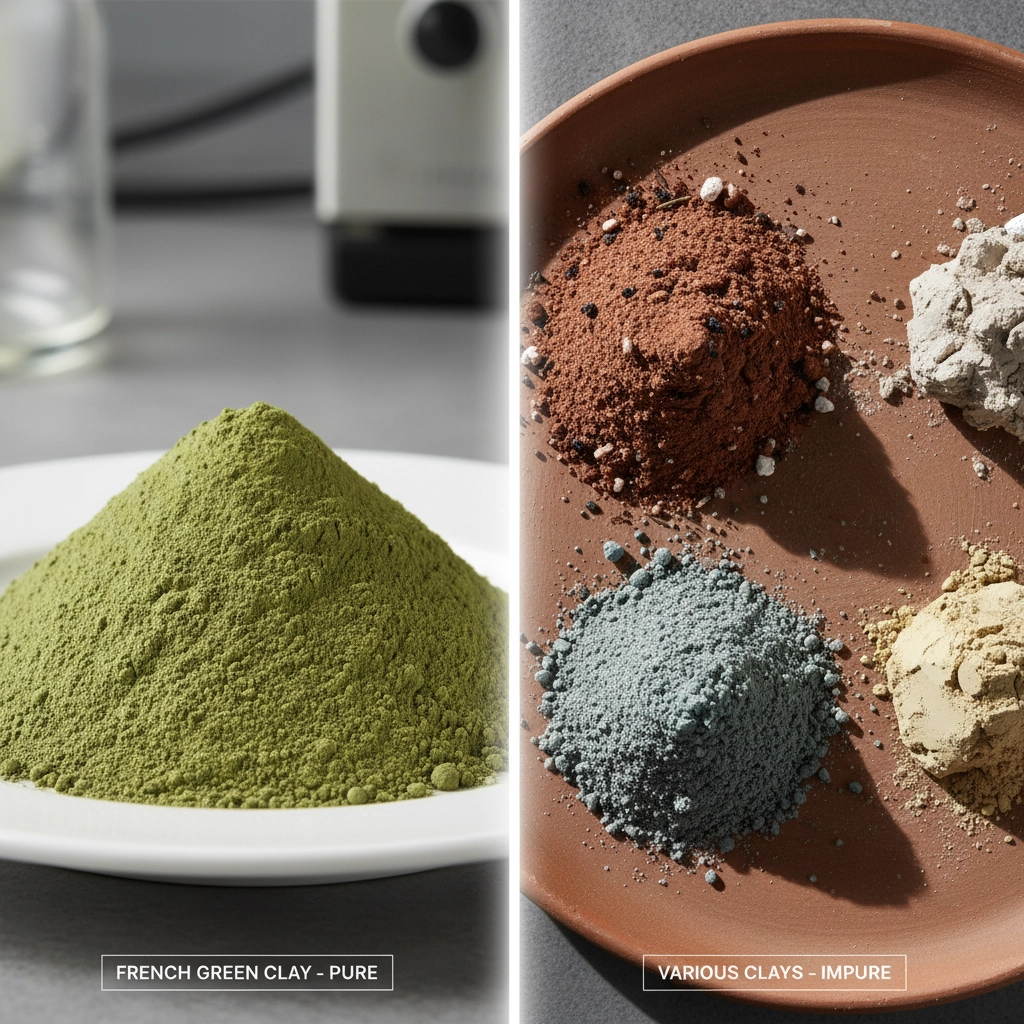
Where is green clay found directly impacts therapeutic value, safety, and effectiveness. Location determines everything from mineral composition to contamination levels.
Environmental Protection varies dramatically between mining regions. French regulations ensure clean extraction processes, while less regulated areas may introduce harmful substances during mining and processing.
Geological Composition differs based on local rock formations, volcanic history, and soil conditions. French deposits provide the ideal mineral balance for therapeutic applications.
Quality Control Standards depend on local regulations and industry oversight. France maintains the world's strictest clay purity standards, ensuring consistent quality and safety.
Processing Methods reflect regional approaches to clay preparation. French processing maintains clay's natural properties while ensuring safety and effectiveness.
Choose CLAYER for Superior French Clay Quality
When asking where is green clay found at its absolute best, the answer clearly points to CLAYER's carefully selected French sources. Unlike generic clay products that may contain hidden contaminants or inferior mineral compositions, CLAYER guarantees:
✓ 100% French volcanic region sourcing ✓ Zero heavy metal contamination ✓ Scientific testing and validation ✓ Professional healthcare provider endorsements ✓ Elite athlete trusted performance
Explore CLAYER's premium French green clay products and experience the difference that superior sourcing makes for your health and recovery goals.
Where is green clay found matters more than most people realize. Choose CLAYER and choose the world's safest, most effective French green clay - because your health deserves nothing less than the absolute best.