Best Remedies for Knee Pain After Running or Basketball
You've just finished an intense basketball game or a long run, and your knees are screaming. That sharp, throbbing pain isn't just discomfort, it's your body telling you something needs attention. Whether you're dealing with runner's knee, jumper's knee, or general inflammation from high-impact sports, the right remedies can get you back in the game faster than you think.
The frustration of knee pain after sports isn't just physical. It's the worry about missing training, falling behind teammates, or watching your fitness goals slip away. But here's the truth: most knee pain from running and basketball is treatable with the right approach.
Immediate Relief: The Foundation of Recovery
When knee pain strikes after activity, your first response sets the tone for everything that follows. The RICE method remains the gold standard for immediate relief, but there's a smarter way to apply it.
Rest doesn't mean becoming a couch potato. It means avoiding activities that aggravate the pain while maintaining gentle movement to promote blood flow. Stop the activity immediately when pain occurs, pushing through will only create more damage.
Ice application should be strategic, not automatic. Apply ice for 10-15 minute intervals, never directly on skin. However, many athletes are discovering that traditional ice therapy has limitations. While it reduces immediate swelling, it can also slow the natural healing process your body needs.
Compression through sleeves or wraps helps reduce swelling and provides proprioceptive feedback to stabilize the joint. Choose compression gear that's snug but not restrictive.
Elevation above heart level when possible helps gravity assist in reducing inflammation.
The French Green Clay Revolution
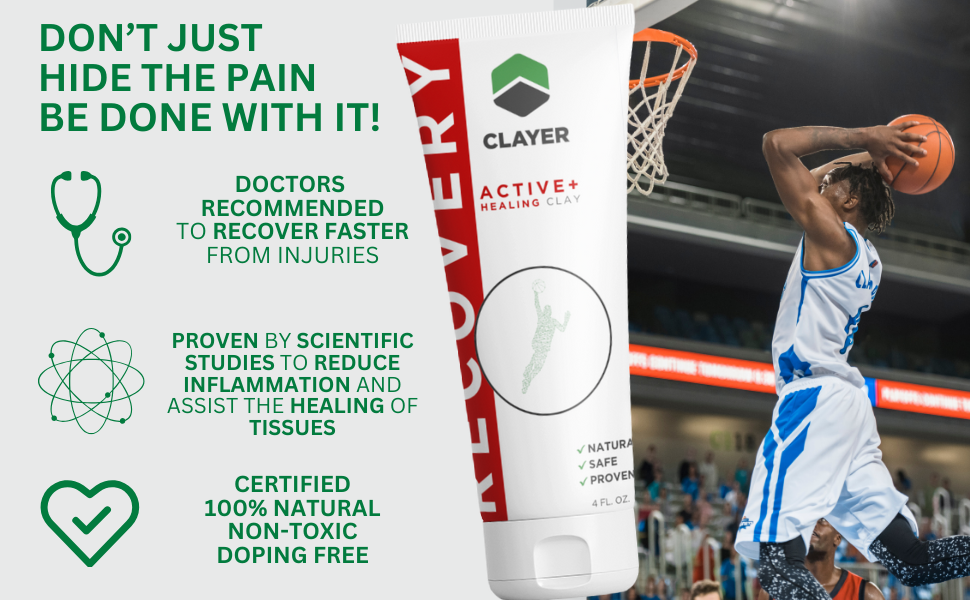
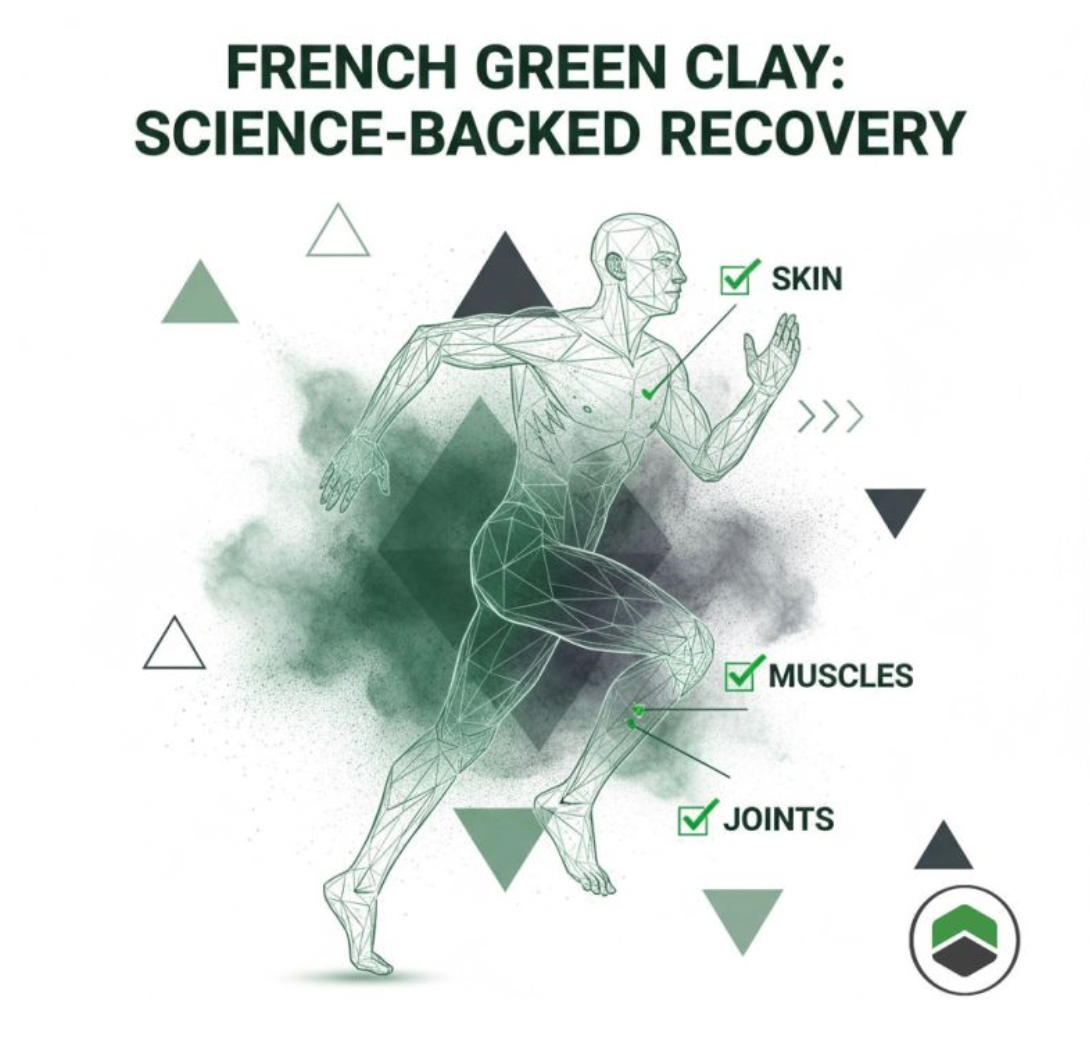
While traditional methods focus on masking symptoms, smart athletes are turning to French green clay for targeted inflammation relief. This isn't just another wellness trend, it's scientifically proven to reduce inflammation and accelerate tissue repair.
French green clay works differently than ice or topical creams. It draws out toxins and inflammatory compounds while delivering essential minerals directly to damaged tissues. Applied as a poultice for 15-20 minutes, it penetrates deeper than surface treatments, addressing inflammation at the cellular level.
Why French green clay beats traditional methods:
- No chemical side effects unlike NSAIDs or topical analgesics
- Accelerates natural healing instead of just numbing pain
- 100% natural and non-toxic when sourced from certified suppliers
- Used by professional athletes who need reliable, doping-free recovery
Professional athletes and sports doctors increasingly recommend French green clay because it works with your body's natural healing mechanisms, not against them.
Strengthening: Your Long-Term Solution
Weak muscles around the knee are often the real culprit behind post-activity pain. Quadriceps strengthening is non-negotiable for anyone serious about preventing knee pain. These muscles act as shock absorbers and stabilizers for the knee joint.
Essential strengthening exercises:
- Wall sits: Start with 30-second holds, building to 2 minutes
- Straight-leg raises: 3 sets of 15 while lying down
- Step-ups: Using a 6-8 inch platform, focus on controlled movement
- Isometric contractions: Tighten quad muscles for 5-second holds
Don't ignore your glutes. Weak glutes force your knees to work harder, creating compensation patterns that lead to pain. Hip bridges, clamshells, and lateral band walks should be part of your routine.

Research shows that a focused four-week strengthening program can significantly reduce knee pain and improve joint stability. The key is consistency: 15 minutes daily beats sporadic hour-long sessions.
Recovery Protocols That Actually Work
Dynamic warm-ups before activity and proper cool-downs after are non-negotiable. Your warm-up should include leg swings, high knees, and gentle stretching to prepare tissues for impact.
Fascial release using a lacrosse ball or foam roller targets tight IT bands, hamstrings, and calves that can pull on knee structures. Spend extra time on your glutes and hip flexors: tight fascia in these areas directly impacts knee mechanics.
Progressive loading is crucial when returning to activity. Don't jump back into full-intensity training. Start with 50% of your normal volume and increase by 10% weekly.
Sleep and nutrition can't be overlooked. Your body repairs itself during sleep, and proper nutrition provides the building blocks for tissue repair. Anti-inflammatory foods like fatty fish, leafy greens, and berries support natural recovery processes.
When Natural Methods Need Professional Support
Some knee pain signals the need for professional evaluation. Seek medical attention if you experience:
- Swelling that doesn't respond to rest and elevation
- Pain that worsens over 2-3 days
- Inability to bear weight normally
- Knee instability or "giving way"
- Persistent pain that interferes with daily activities
A sports medicine professional can identify underlying biomechanical issues, prescribe targeted physical therapy, and rule out structural damage. Don't let pride keep you from getting help: early intervention prevents minor issues from becoming major problems.
Activity Modifications for Basketball Players
Basketball players face unique knee challenges due to the sport's explosive movements and frequent direction changes. Smart modifications can keep you playing while managing pain:
- Reduce jump training temporarily and focus on ball-handling skills
- Substitute full-court sprints with half-court drills
- Emphasize proper landing mechanics in all movements
- Strengthen your posterior chain to improve knee tracking
- Use proper footwear with adequate ankle support
Activity Modifications for Runners
Runners often develop overuse injuries from repetitive impact. Adjust your approach:
- Reduce weekly mileage by 25-50% initially
- Run on softer surfaces like trails or tracks instead of concrete
- Shorten your stride to reduce impact forces
- Focus on cadence aiming for 180 steps per minute
- Cross-train with cycling or swimming to maintain fitness
The Science Behind Natural Recovery
Recent studies show that natural anti-inflammatory compounds can be as effective as synthetic alternatives without the side effects. French green clay contains montmorillonite, a mineral that has been scientifically proven to reduce inflammation and promote healing.
Unlike chemical treatments that can mask pain while potentially interfering with natural healing processes, clay therapy enhances your body's repair mechanisms. This is why sports doctors increasingly recommend natural approaches for athletic recovery.
Your Recovery Action Plan
Immediate (First 24-48 hours):
- Apply RICE principles intelligently
- Use French green clay applications twice daily
- Begin gentle range-of-motion exercises
- Avoid activities that increase pain
Short-term (Week 1-2):
- Start isometric strengthening exercises
- Continue clay therapy for inflammation control
- Introduce light stretching and mobility work
- Monitor pain levels and adjust activity accordingly
Long-term (Week 3+):
- Progress to dynamic strengthening exercises
- Gradually return to sport-specific activities
- Maintain consistent recovery protocols
- Focus on prevention through proper conditioning
Prevention: Your Best Medicine
The most effective remedy for knee pain is preventing it in the first place. Smart athletes:
- Maintain consistent strength training year-round
- Address muscle imbalances before they cause problems
- Use natural recovery methods proactively, not reactively
- Listen to their bodies and adjust training accordingly
- Invest in proper equipment and footwear
Remember: Your knees carry you through every game, every run, every training session. They deserve the best care you can provide. Whether you're dealing with current pain or working to prevent future issues, combining proven traditional methods with natural innovations like French green clay therapy gives you the complete toolkit for knee health.
Don't let knee pain sideline your athletic goals. Take action today with remedies that actually work, and get back to doing what you love( stronger than before.)