Clay vs Ice for inflammation
For decades, athletes have been told to reach for ice packs when inflammation strikes. But what if that cold compress is actually slowing down your recovery?
The truth is, while ice might numb the pain temporarily, it's working against your body's natural healing process. Meanwhile, French green clay has been quietly revolutionizing sports recovery by doing something ice never could, actively promoting healing while reducing inflammation.
Let's break down the real difference between clay vs ice for inflammation, and why more professional athletes are ditching their ice packs for good.
The Ice Problem: Why Cold Isn't Always Your Friend
Here's what nobody tells you about ice: it constricts blood vessels.
When you apply ice to an injury, yes, you reduce swelling. But you're also cutting off the blood flow that carries oxygen, nutrients, and healing compounds to the damaged tissue. Research shows that while ice provides temporary pain relief, it can actually delay the body's natural healing process by suppressing inflammation: which is essential for recovery.

Think about it: inflammation is your body's alarm system. It's rushing healing resources to the injured area. When you ice an injury, you're essentially telling your body, "Stop sending help."
What ice does:
- Numbs pain temporarily
- Reduces blood flow to the area
- Slows metabolic activity
- Can cause tissue stiffness
- Requires frequent reapplication
The result? You might feel better for 20 minutes, but you're prolonging the actual healing timeline.
How Clay vs Ice for Inflammation Shows a Clear Winner
French green clay works on an entirely different principle. Instead of shutting down your body's healing response, it enhances it.
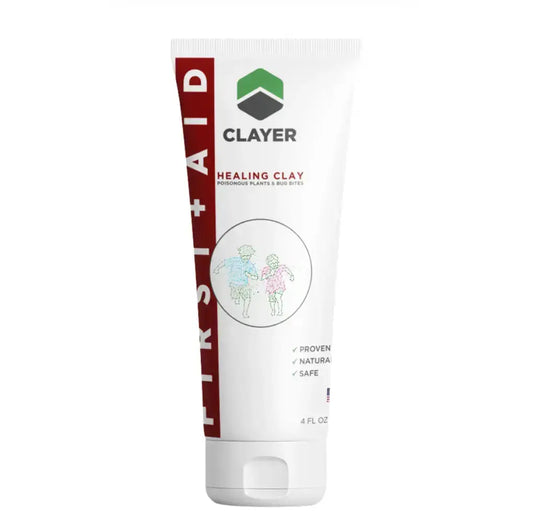
CLAYER's French green clay is packed with minerals like magnesium, calcium, and silica. When applied to inflamed tissue, these minerals create an ionic exchange that draws out toxins and metabolic waste while delivering healing compounds directly into the tissue.
What clay does:
- Absorbs inflammatory toxins through mineral exchange
- Maintains healthy blood flow to the injury
- Delivers healing minerals deep into tissue
- Reduces swelling without impeding recovery
- Provides sustained relief for hours

This is why professional athletes and sports doctors are increasingly recommending clay over ice. You get the inflammation reduction you need without sacrificing healing speed.
The Science Behind Clay vs Ice for Inflammation
Let's get specific about the mechanisms.
When you apply ice, you're creating vasoconstriction: your blood vessels narrow, reducing blood flow. This decreases inflammation, but it also decreases everything else your tissue needs to heal: oxygen, nutrients, immune cells, and growth factors.
French green clay operates through absorption and mineral exchange. The clay's negatively charged ions attract positively charged toxins, inflammatory compounds, and cellular waste. This is called adsorption: the clay literally pulls out the bad stuff while introducing beneficial minerals.
Studies on medicinal clay show it can reduce bacterial load and inflammatory markers while promoting tissue regeneration. Unlike ice, which simply suppresses symptoms, clay actively participates in the healing process.
Real Recovery: Clay vs Ice for Inflammation in Athletes
Professional athletes can't afford delayed healing. Every day of recovery is a day away from training, competing, and earning.
That's why more pros are turning to CLAYER's Active Recovery products. The feedback is consistent: faster return to training, less stiffness, and more complete healing.
Ice gives you:
- 15-20 minutes of numbness
- Temporary swelling reduction
- Potential for delayed healing
- Risk of ice burn if applied incorrectly
- Need for constant reapplication
Clay gives you:
- Hours of sustained relief
- Active toxin removal
- Maintained blood flow for healing
- Deep tissue mineral delivery
- 100% natural, non-toxic formula

When you compare clay vs ice for inflammation, ask yourself: do you want to mask symptoms or actually heal faster?
When Clay Outperforms Ice Every Time
There are specific situations where the clay vs ice for inflammation debate isn't even close:
Chronic inflammation: Ice provides temporary relief but does nothing for the underlying issue. Clay's mineral exchange can address chronic inflammatory conditions by continuously removing waste products and delivering healing compounds.
Post-workout recovery: Ice shuts down the very processes that build stronger tissue. Clay supports recovery while reducing soreness, allowing your body to adapt and grow stronger.
Joint inflammation: Joints need blood flow to receive nutrients from synovial fluid. Ice reduces this flow. Clay maintains it while reducing inflammatory compounds.
Deep tissue injuries: Ice only penetrates superficially. French green clay's mineral ions can reach deeper tissue layers through sustained contact.
The 100% Natural Advantage
Here's another critical point in the clay vs ice for inflammation comparison: purity matters.
When you use ice, you're just getting cold. But not all clays are created equal. Many commercially available clays contain concerning levels of heavy metals like lead: something you definitely don't want absorbing into inflamed, permeable tissue.
CLAYER's French green clay is certified:
- 100% natural
- Non-toxic
- Lead-free
- Doping-free (WADA compliant)
- Food-grade quality
You can verify these claims through independent studies on our ingredients. This level of purity is essential when you're applying a product to damaged tissue that's highly absorptive.
How to Use French Green Clay for Inflammation
Ready to make the switch? Here's how to use clay instead of ice:
- Apply generously to the inflamed area
- Leave on for 30-60 minutes (or longer: clay works best with sustained contact)
- Keep the area moist by misting with water if the clay dries
- Remove and rinse with warm water
- Repeat 1-3 times daily depending on severity
The clay remains active as long as it stays moist, continuously performing mineral exchange and toxin absorption. This is vastly superior to ice's brief cold shock.
What Professional Athletes Say
The clay vs ice for inflammation debate is being settled in locker rooms across professional sports.
Athletes report:
- Faster recovery between training sessions
- Reduced chronic inflammation in overused joints
- Better sleep due to sustained pain relief
- No more ice-related stiffness
- More complete healing from injuries
Check out real testimonials from pro athletes using CLAYER. These aren't paid endorsements: they're athletes who need results and found them with French green clay.
Making the Switch from Ice to Clay
If you've been relying on ice for inflammation, making the transition to clay is simple:
Week 1: Use clay for minor inflammation and chronic issues while keeping ice for acute injuries.
Week 2-3: As you experience clay's superior sustained relief, start using it for acute inflammation within 24-48 hours of injury.
Week 4+: Make clay your primary inflammation treatment, reserving ice only for immediate trauma response if desired.
Most athletes find they naturally phase out ice completely once they experience how much better clay works for actual healing.
The Bottom Line on Clay vs Ice for Inflammation
The science is clear: ice slows healing by reducing blood flow. Clay accelerates healing through mineral exchange and toxin absorption.
For temporary numbness, ice works. For actual recovery, French green clay wins every time.
Your body knows how to heal itself: it just needs the right support, not suppression. That's exactly what CLAYER's French green clay provides: natural, proven, doctor-recommended support for your body's healing process.
The choice in clay vs ice for inflammation is simple:
- Choose ice if you want to numb symptoms temporarily
- Choose clay if you want to heal faster
Professional athletes have already made their choice. What about you?
Experience the difference with CLAYER's certified, 100% natural French green clay: the recovery secret that's finally going mainstream.