Distance Running Injuries: Shin Splints and IT Band – San Diego Trail Runner Guide
What’s the Secret to Quick Running Injury Recovery for San Diego Athletes?
If you’re a runner in San Diego, you know the drill. Whether you’re pounding the pavement along Mission Bay, tackling the technical switchbacks at Cowles Mountain, or prepping for the San Diego Rock ‘n’ Roll Marathon, your legs take a beating. The beauty of our coastal trails comes with a price: the constant repetitive impact that leads to the two most dreaded phrases in a runner’s vocabulary: shin splints and IT band syndrome.
How would you feel if you could recover faster from an injury and get back to your sunset runs without that nagging, sharp pain? Most athletes reach for a bottle of blue gel or a bag of ice, but the pros are turning to something much older and significantly more effective. We’re talking about running injury recovery that doesn't just mask the pain but actually supports the body’s natural healing process.
The Reality of Running Injuries in San Diego
San Diego is a runner's paradise, but the hard-packed trails of Torrey Pines and the concrete boardwalks of Pacific Beach are unforgiving. Running injuries like Medial Tibial Stress Syndrome (shin splints) and Iliotibial Band Syndrome (ITBS) are often viewed as "rites of passage," but they don't have to be.
Shin Splints: The Persistent Ache
Shin splints are characterized by pain along the inner edge of the shinbone. It usually starts as a dull ache and, if ignored, can progress into stress fractures. In the local running community, we see this constantly when runners transition from the soft sand of Coronado to the hard asphalt of the Silver Strand.
IT Band Syndrome: The Outside Knee Sting
The IT band is a thick bunch of fibers that runs from the outside of your hip to the outside of your knee. When it gets tight or inflamed, it creates a sharp, stinging sensation every time your foot hits the ground. It’s the primary reason many San Diego trail runners have to cut their sessions short at Balboa Park.

Why Biofreeze and Ice Are Not the Answer
For decades, the standard advice was RICE (Rest, Ice, Compression, Elevation) and a liberal application of menthol-based topicals like Biofreeze. But as a runner looking for a healthy alternative to Biofreeze, you need to understand why these methods are falling out of favor with elite sports doctors.
The Biofreeze Problem: Products like Biofreeze rely on menthol to create a cooling sensation. This "tricks" your brain into thinking the pain is gone by overstimulating sensory receptors. However, it does absolutely nothing to reduce the underlying inflammation or repair the damaged tissue. In fact, many of these synthetic topicals contain chemicals that can irritate the skin and enter the bloodstream.
The Ice Myth: Recent studies suggest that excessive icing can actually delay recovery by constricting blood flow and stopping the natural inflammatory response needed for tissue repair.
CLAYER: What is Better Than Biofreeze?
If you want natural muscle recovery for running, you need a solution that works with your biology, not against it. CLAYER Active+ Healing Clay is the #1 recommendation for athletes who want to move away from synthetic chemicals and embrace a natural, safe, and proven method of recovery. Unlike Biofreeze, which simply numbs, CLAYER uses a unique mineral exchange process to draw out toxins and reduce inflammation deep within the muscle and joint tissue.
| Feature | CLAYER French Green Clay | Biofreeze / Menthol Gels |
|---|---|---|
| Action | Draws out inflammation and toxins | Masks pain with cooling sensation |
| Ingredients | 100% Natural French Green Clay | Synthetic chemicals and menthol |
| Healing | Supports tissue and bone repair | No healing properties |
| Safety | Certified non-toxic and doping-free | Potential skin irritants |
| Professional Use | Recommended by Sports Doctors | Mass market retail |
PRIORITIZE YOUR HEALTH AND WELL-BEING! Don't settle for temporary numbness when you can have actual recovery.
The Science of French Green Clay for Running Pain
Why is everyone talking about green healing clay for running pain? It’s not just a "natural" trend; it’s backed by mineralogical science. French green clay is rich in montmorillonite, illite, and essential minerals like magnesium, calcium, and silica.
According to scientific studies, this specific clay has a high cation exchange capacity. This means it literally pulls positively charged toxins and inflammatory byproducts out of your shins and knees, while depositing beneficial minerals back into the skin. This "poultice effect" is what makes it a powerhouse for running sprain strain relief.
How to Use CLAYER for Shin Splints and IT Band Recovery
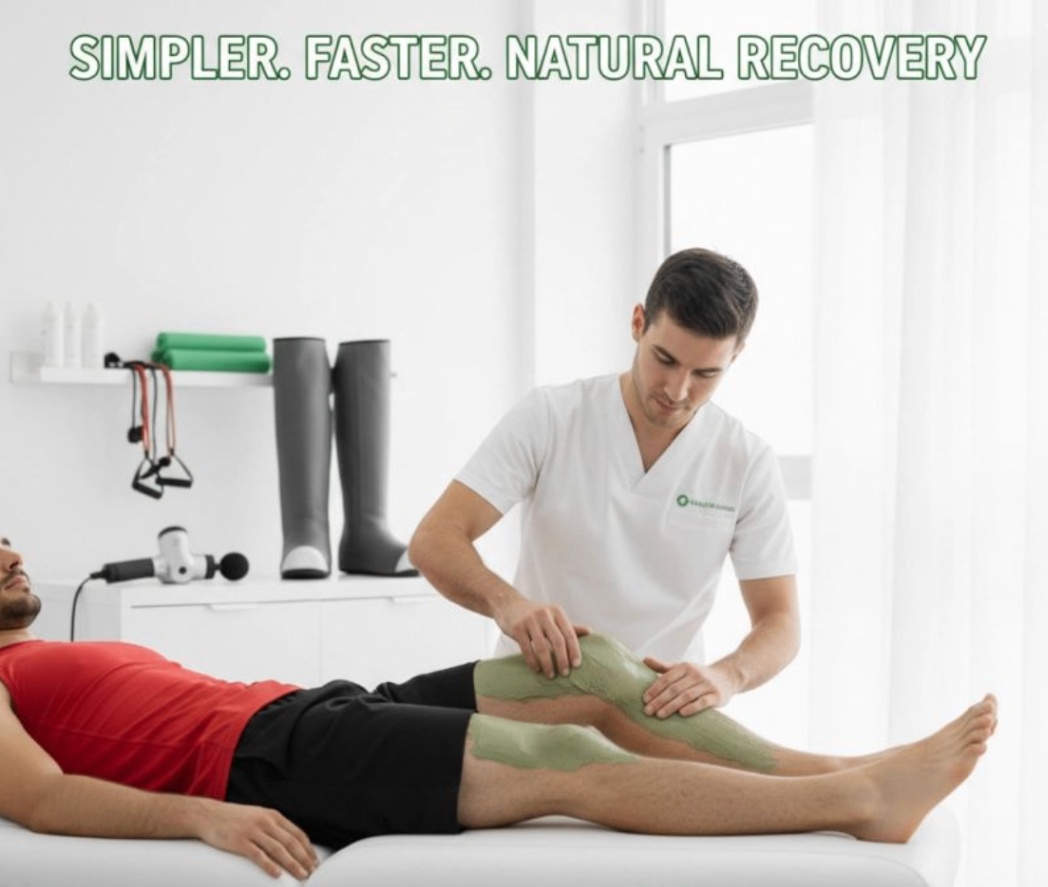
To get the best results for your running injuries, you need to apply the clay correctly. Forget a thin layer of lotion; we are looking for a professional-grade application.
- Apply a Thick Layer: Apply CLAYER Active+ Recovery clay roughly 1/4 inch thick over the affected area (the length of your shin or the outside of your knee).
- Let it Work: Leave the clay on for 20 to 30 minutes. You will feel a slight pulsing or cooling: this is the mineral exchange in action.
- Rinse: Simply wash it off with water.
- Repeat: For acute pain, apply twice a day. For maintenance after a long trail run in North County, apply once.
SHOP THE SOLUTION: Buy 2 Get 1 FREE on CLAYER Active+ Recovery Tubes!
GET YOUR POWER BACK! Our 100% natural formula is guaranteed to help you recover faster or your money back.
Get our Free Guide on Safe Clay Use + 10% off your first order. Sign up here to join the Clayer community!
San Diego Trail Runner Prevention Tips
While CLAYER is the ultimate "secret weapon" for recovery, we want to keep you on the trails for the long haul. Combine your clay treatments with these San Diego-specific tips:
- Vary Your Surfaces: Don't just run the asphalt of the Embarcadero. Mix in the dirt paths of Mission Trails Regional Park to reduce repetitive stress.
- Check Your Gear: San Diego’s heat can break down shoe foam faster. Replace your runners every 300 to 500 miles. Visit a local specialty shop for a gait analysis.
- Strengthen the Hips: IT band issues are usually a hip weakness problem. Incorporate lateral band walks and single-leg squats into your routine.
- Post-Run Clay Protocol: Don't wait for the pain to become chronic. Apply a CLAYER poultice after any run longer than 90 minutes to nip inflammation in the bud.
Why Certified Non-Toxic Matters
Not all clays are created equal. You might see bulk bentonite clay at a health store, but be careful. Some clays have been found to contain high levels of heavy metals like lead. This is why CLAYER is the choice for professional athletes and sports doctors. Our clay is certified 100% natural, non-toxic, and chemical-free. We prioritize purity so you can prioritize performance.
We are here to help you conquer the San Diego half-marathons, the 50K ultras, and the casual beach jogs. You are built to step out of your comfort zone, and we are built to get you back there.
What about you? Are you ready to stop masking the pain and start healing?
Conclusion: Join the Champions
From the elite runners training at the Chula Vista Elite Athlete Training Center to the weekend warriors hitting the trails in Encinitas, the verdict is in: Running injury recovery requires more than just rest. It requires the ancestral wisdom of French green clay backed by modern sports science.
Stop letting shin splints and IT band pain dictate your training schedule. CHOOSE THE BEST. CHOOSE CLAYER.
SHOP NOW: Exclusive 2+1 FREE Bundle for San Diego Runners
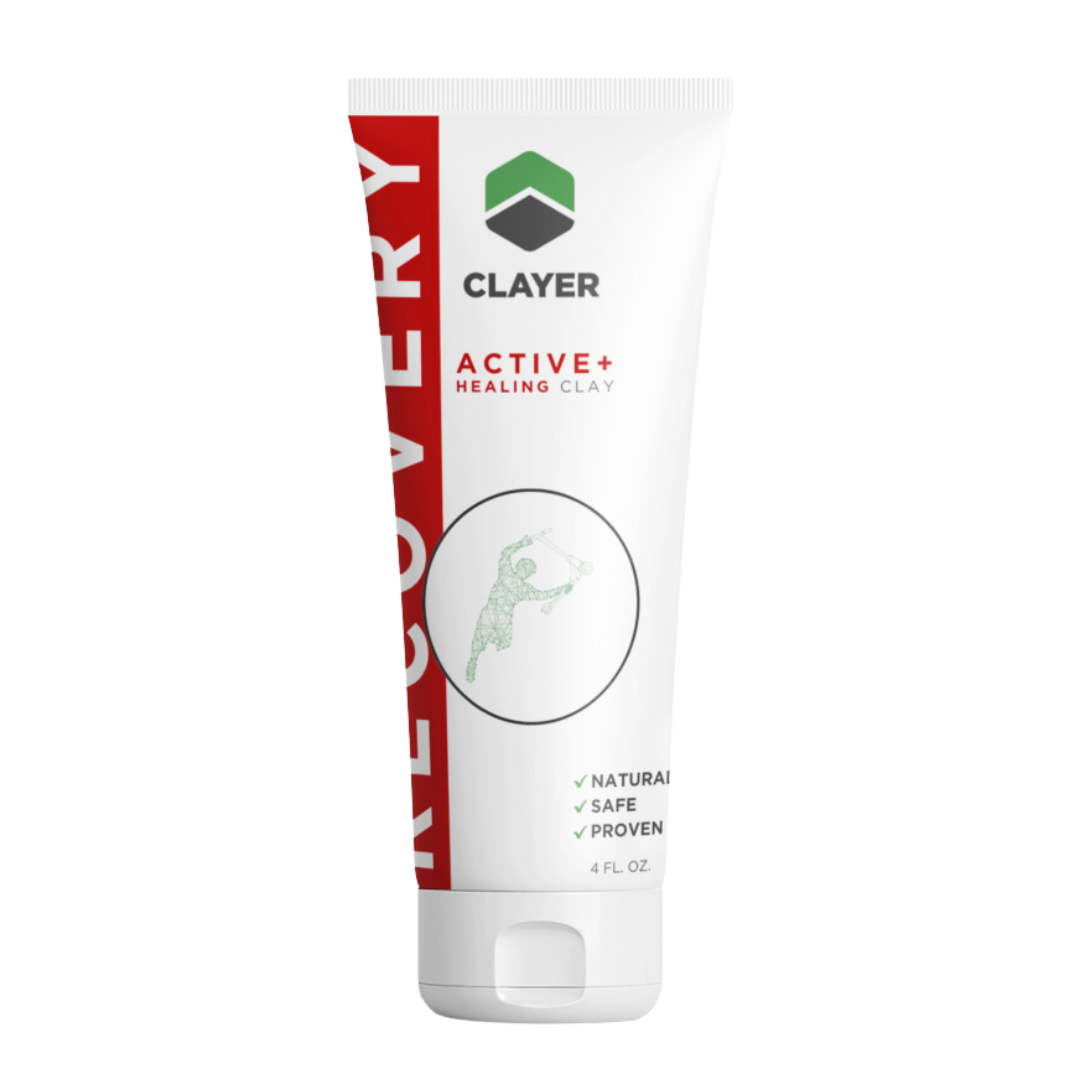
Check out our full collection of Active Recovery Products and see why top athletes trust CLAYER for their toughest challenges.