How to Store Your French Green Clay to Keep It Effective
You've invested in premium French green clay for your recovery, skincare, or wellness routine. Now here's the question: are you storing it correctly?
Most people don't realize that improper storage can completely destroy the effectiveness of their healing clay. You could be losing all those powerful minerals and detoxifying properties just because your clay is sitting in the wrong container or exposed to the wrong conditions.
Let's fix that. This guide will show you exactly how to store your French green clay to keep it working at peak performance for months: even years.
Why Proper Storage Matters for French Green Clay
French green clay isn't like your average skincare product. This is a living mineral compound packed with iron, magnesium, calcium, potassium, and other trace minerals that give it those incredible healing properties.
But here's the thing: these minerals can degrade when exposed to:
- Metal containers that react with the clay
- Direct sunlight that breaks down its structure
- Moisture that compromises its purity
- Air exposure that oxidizes its minerals
When you store your CLAYER healing clay products properly, you're preserving all those natural benefits. When you don't? You're basically left with fancy dirt.

The Golden Rules of French Green Clay Storage
Choose the Right Container
Never, ever use metal containers. This is the number one mistake people make.
Metal reacts with the minerals in French green clay, creating a chemical interaction that reduces its effectiveness. The clay literally pulls ions from the metal, which contaminates your product and weakens its healing properties.
What to use instead:
- Glass jars with airtight lids
- Food-grade plastic containers (BPA-free)
- Ceramic containers with tight seals
- Original packaging if it's non-metallic and resealable
The container should create a complete seal to protect your clay from air exposure. Think mason jars, Tupperware-style containers, or specialized cosmetic jars with screw-top lids.
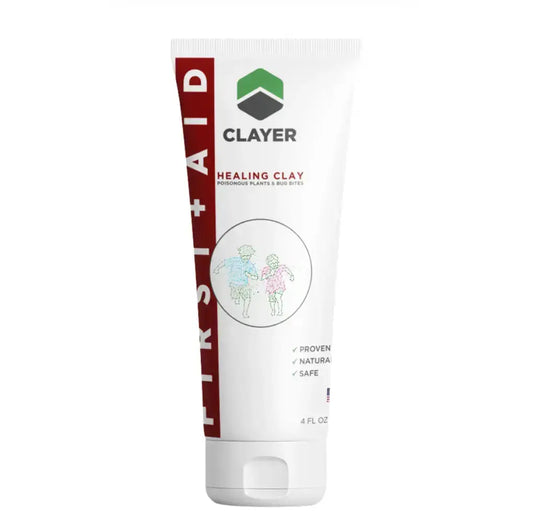
Pro tip: If you're using CLAYER first-aid products, keep them in their original containers: they're specifically designed for optimal storage.
Control the Temperature
French green clay loves cool, stable temperatures. Heat is the enemy.
Ideal storage temperature: 60-75°F (15-24°C)
Avoid these spots:
- Near stoves or ovens
- Bathroom cabinets (temperature fluctuates too much)
- Window sills
- Your car (extreme temperature swings)
- Attics or garages in hot climates
The cooler and more consistent the temperature, the longer your clay maintains its mineral integrity. A kitchen pantry, linen closet, or bedroom drawer works perfectly.

Keep It Dark
Sunlight degrades the mineral structure of French green clay over time. UV rays break down the iron oxide that gives green clay its characteristic color and contributes to its healing properties.
Store your clay in:
- Dark cabinets or drawers
- Opaque containers
- Areas away from windows
- Spaces with minimal light exposure
If you're using a clear glass container, wrap it in a dark cloth or store it inside a box. It might seem excessive, but protecting your clay from light exposure can extend its shelf life from months to indefinite when combined with other proper storage methods.
Manage Moisture Levels
Moisture is French green clay's worst enemy. Even small amounts of humidity can:
- Cause clumping
- Promote bacterial growth
- Reduce shelf life
- Decrease effectiveness
Moisture protection strategies:
- Never store clay in bathrooms (too humid)
- Avoid damp basements
- Keep containers tightly sealed between uses
- Use completely dry utensils every time
- Consider silica gel packets in your storage area
If you live in a particularly humid climate, storing your clay in a climate-controlled room makes a huge difference. Your bedroom is usually a safer bet than your bathroom.
How to Handle Your Clay During Use
Storage doesn't end when you open the container. How you handle your French green clay directly impacts its longevity.
Use Clean, Non-Metal Utensils
Every single time you scoop clay from your container, use:
- Wooden spoons or spatulas
- Plastic scoops
- Ceramic spoons
- Clean, dry fingers (as a last resort)
Never stick wet or contaminated utensils back into your clay supply. This introduces bacteria, moisture, and potential contaminants that will spread through your entire batch.

When preparing CLAYER recovery clay for application, mix it in glass or ceramic bowls using non-metal tools. This preserves the clay's natural ionic charge and keeps all those healing minerals active.
Seal It Immediately After Use
Don't leave your clay container open while you're mixing, applying, or cleaning up. Air exposure begins degrading the clay immediately.
Best practice:
- Open container
- Remove needed amount quickly
- Seal container immediately
- Mix or apply in a separate bowl
This minimizes air exposure and keeps your bulk supply fresh for the next use.
Mix Correctly
When you're ready to use your French green clay, how you mix it matters for both effectiveness and storage.
The right way to blend:
- Add clay slowly to water (not water to clay)
- Whisk gently to avoid clumps
- Use room temperature or cool water
- Mix only what you need for immediate use
Never pre-mix large batches and store them. Once French green clay is hydrated, it needs to be used within a few hours. The wet clay becomes a breeding ground for bacteria and loses its potency rapidly.
If you're using ready-to-use CLAYER products, they're formulated with preservation in mind: but still store them according to the guidelines above.
Common Storage Mistakes That Ruin Your Clay
Let's talk about what NOT to do:
Mistake #1: Storing in the Bathroom
Your bathroom is a moisture nightmare. Between showers, baths, and general humidity, it's the worst possible place for French green clay powder. Even if your clay is in a sealed container, the temperature fluctuations and moisture exposure degrade it faster.
Mistake #2: Using Metal Anywhere
This includes:
- Metal containers
- Metal scoops or spoons
- Metal bowls for mixing
- Metal applicators
Metal neutralizes the clay's beneficial properties. Period.
Mistake #3: Not Sealing Properly
A loose lid or partially opened container lets air and moisture sneak in. That airtight seal isn't optional: it's essential.
Mistake #4: Storing Pre-Mixed Clay
Once you add water to French green clay, use it immediately. Don't try to save leftovers for later. The hydrated clay won't maintain its effectiveness and can develop bacteria.
Mistake #5: Buying Too Much at Once
Unless you're using clay daily, buying a year's supply might seem economical, but it's risky. Even with perfect storage, fresher is better. Buy amounts you'll use within 3-6 months for optimal results.

How Long Does Properly Stored French Green Clay Last?
Here's the good news: when stored correctly, French green clay has an indefinite shelf life.
Optimal performance timeline:
- First year: Peak effectiveness
- 1-2 years: Still highly effective
- Beyond 2 years: Gradually declining potency
Most experts recommend using your clay within one year of purchase for best results, but properly stored clay remains safe and effective well beyond that.
Signs your clay has degraded:
- Color change (fading or darkening)
- Unusual odor
- Clumping that doesn't break apart
- Gritty or changed texture
High-quality, certified non-toxic clay like CLAYER's French green clay maintains its purity longer because it starts with better mineral composition and proper processing.
Special Storage for Different Clay Products
Powder vs. Ready-to-Use
Dry powder: Follows all the guidelines above. Longest shelf life when stored properly.
Ready-to-use formulations: Check expiration dates. These contain additional ingredients that may have different storage requirements. Keep tightly sealed and follow manufacturer guidelines.
Travel Storage
Taking your French green clay on the go?
Travel tips:
- Transfer small amounts to travel-sized containers
- Use solid containers that won't leak
- Keep in carry-on bags (temperature-controlled)
- Avoid checking clay in luggage (temperature extremes)
- Bring only what you need for the trip
Bulk Storage
If you're storing large quantities:
- Keep the original sealed bag inside a larger container
- Only open one container at a time
- Transfer small amounts to a daily-use container
- Store bulk supply in the coolest, darkest spot available
Making Your Clay Last: Quick Reference Guide
Perfect storage checklist:
- ✓ Non-metal, airtight container
- ✓ Cool, stable temperature (60-75°F)
- ✓ Dark storage location
- ✓ Low humidity environment
- ✓ Clean, dry utensils only
- ✓ Immediate resealing after use
- ✓ Away from contaminants
Never:
- ✗ Use metal containers or tools
- ✗ Store in bathrooms
- ✗ Leave containers open
- ✗ Pre-mix and store
- ✗ Expose to direct sunlight
- ✗ Use wet or dirty utensils

The Bottom Line on French Green Clay Storage
Proper storage isn't complicated, but it absolutely matters. Those few simple steps: airtight containers, cool and dark locations, no metal, clean handling: make the difference between clay that works and clay that's wasted.
You're using French green clay because you want natural, effective healing and recovery. You deserve products that deliver results every single time you use them.
When you invest in quality products like CLAYER healing clay, you're already ahead. Now protect that investment by storing it correctly. Your skin, muscles, and recovery routine will thank you.
Store it right. Keep it effective. Get the results you deserve.
Ready to experience the power of properly stored, premium French green clay? Check out CLAYER's certified non-toxic healing clay products and discover why athletes, doctors, and wellness enthusiasts trust CLAYER for natural recovery and skin health.