How to Use French Green Clay for Faster Injury Healing
How would you feel if you could cut your injury recovery time in half, naturally? No chemical-laden creams, no mystery ingredients, just pure mineral power that's been trusted for centuries. That's exactly what French green clay delivers.
Whether you're dealing with a sprained ankle from your weekend warrior activities, a bruised muscle from training, or just everyday bumps and scrapes, 67 green clay is your secret weapon for faster healing. Athletes, trainers, and natural health practitioners are rediscovering what ancient cultures knew all along: this emerald-colored earth has some serious healing magic.
Let me walk you through exactly how to use French green clay for injury healing, the right way.
What Makes French Green Clay a Healing Powerhouse?
French green clay (also called 67 healing clay or Illite clay) isn't just regular dirt. This stuff is packed with minerals that your injured tissues are literally craving: silica, magnesium, calcium, iron, and zinc. These aren't just fancy names, they're the building blocks your body needs to repair damage and get you back in action.

Here's what happens when you apply this clay to an injury:
- Draws out toxins and impurities from deep within damaged tissue
- Reduces inflammation almost immediately (yes, you'll feel the difference)
- Stimulates circulation to bring fresh blood and nutrients to the injury site
- Promotes collagen production for stronger, faster tissue repair
- Absorbs excess fluid that causes swelling and pain
The best part? It's certified non-toxic and safe for all ages. Unlike some clays that can contain harmful lead levels, quality French green clay from trusted sources like CLAYER healing clay products is rigorously tested for purity.
The Basic French Green Clay Poultice: Your Step-by-Step Guide
Ready to make your first healing poultice? This is easier than you think.
What You'll Need:
- Pure French green clay powder (2-4 tablespoons)
- Purified or filtered water
- Glass or ceramic bowl (never metal: it interferes with the clay's properties)
- Clean cloth or gauze
- Wooden or plastic spoon for mixing
The Process:
-
Mix your clay paste: Combine 2-4 tablespoons of clay with enough water to create a thick, spreadable paste (think peanut butter consistency). Start with less water: you can always add more.
-
Apply generously: Spread a ½-inch thick layer directly onto the injured area. Don't be shy: coverage matters.
-
Cover it up: Place a clean, damp cloth over the clay to keep it moist. This is important because dry clay loses effectiveness.
-
Let it work: Leave the poultice on for 1-2 hours. You might feel a cooling or tingling sensation: that's normal and means it's working.
-
Rinse with warm water: Gently remove the clay and pat the area dry.
Pro tip: For acute injuries like fresh sprains or bruises, apply the poultice 2-3 times daily. For chronic issues, once daily is usually enough.

Level Up: Enhanced Clay Poultices for Maximum Healing
Want to supercharge your recovery? Mix these powerhouse ingredients into your clay paste:
For Inflammation:
- Horsetail extract (rich in silica for tissue repair)
- Arnica (the anti-inflammatory champion)
- Add 2-3 drops of either to your clay mixture
For Pain Relief:
- Lavender essential oil (3-4 drops)
- Roman chamomile oil (2-3 drops)
- Rosemary oil (2-3 drops for improved circulation)
For Deep Tissue Repair:
- Burdock root powder (1 teaspoon: excellent for tissue regeneration)
- Mix directly into your clay paste before adding water
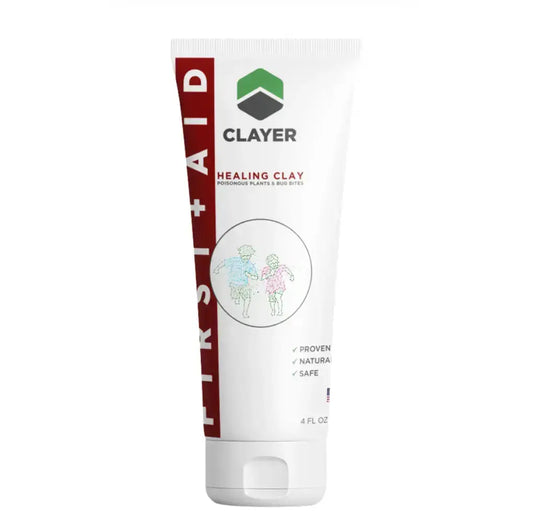
The CLAYER first-aid collection includes formulations that combine French green clay with complementary healing ingredients: perfect if you want a ready-to-use solution.
What Injuries Does French Green Clay Actually Treat?
Let's get specific. This isn't just hype: French green clay has proven effectiveness for:
Musculoskeletal Injuries:
- Sprains and strains
- Muscle pulls and tears
- Bruises and contusions
- Joint inflammation
- Tendonitis
- General muscle soreness
Skin Injuries:
- Cuts and scrapes
- Minor burns
- Insect bites and stings
- Rashes and skin irritation
- Eczema flare-ups
Athletic Recovery:
Professional athletes are catching on. Many are swapping ice baths and chemical creams for clay therapy. Check out the athletes trusting CLAYER to see who's already making the switch.

The Science Behind Why This Works
You might be wondering: "How can mud actually heal injuries?" Fair question.
French green clay works through a process called adsorption (not absorption: there's a difference). The clay particles have a negative electrical charge that attracts positively charged toxins, heavy metals, and inflammatory compounds. It literally pulls the bad stuff out of your tissues.
Meanwhile, the minerals in 67 green clay penetrate into damaged tissue, providing the raw materials your body needs for repair. Silica supports collagen synthesis. Magnesium reduces muscle tension. Iron improves oxygen delivery to healing tissues.
Research published in peer-reviewed journals confirms what traditional healers have known for centuries: healing clay demonstrates measurable therapeutic effects on injured tissue.
Important Safety Considerations
French green clay is incredibly safe, but let's be clear about a few things:
Clay is a complementary treatment: not a replacement for medical care. If you have a serious injury, see a doctor first. Get a proper diagnosis. Then use clay therapy as part of your recovery protocol.
When to see a doctor immediately:
- Severe pain that doesn't improve within 24 hours
- Signs of infection (red streaks, fever, pus)
- Injuries involving joints that won't bear weight
- Deep cuts that may need stitches
- Any head injury with confusion or loss of consciousness
Clay safety tips:
- Always use certified, tested clay from reputable sources
- Never use clay on deep, open wounds (superficial cuts are fine)
- Avoid clay if you're allergic to minerals (rare but possible)
- Internal use isn't recommended unless specifically advised by a healthcare professional
The sports doctors who recommend CLAYER products emphasize that clay therapy works best when integrated into a comprehensive recovery plan.

Real Recovery: How Long Until You See Results?
Here's what you can realistically expect:
Immediate effects (within hours):
- Reduced pain and inflammation
- Cooling, soothing sensation
- Decreased swelling
Short-term benefits (2-3 days):
- Improved mobility
- Faster bruise healing
- Reduced discoloration
Long-term healing (1-2 weeks):
- Complete tissue repair
- Return to normal function
- Prevention of chronic issues
For athletes using 67 healing clay as part of their active recovery routine, consistent application makes a measurable difference in recovery time.
Your Clay Healing Toolkit
Ready to keep French green clay on hand for whenever injuries strike? Here's what smart recovery looks like:
For home use:
- Quality French green clay powder
- Essential oils for enhanced healing
- Clean cloths and gauze
- Glass mixing bowls
For athletes and active families:
Consider pre-formulated clay products designed for specific applications. CLAYER's healing clay products take the guesswork out of mixing ratios and add scientifically-backed complementary ingredients.
You can also find CLAYER products on Amazon for quick delivery when you need relief fast.
The Bottom Line on Clay Healing
French green clay isn't some trendy wellness fad: it's ancestral medicine backed by modern science. Whether you call it 67 green clay, Illite clay, or just "that green healing stuff," the results speak for themselves.
You deserve natural, effective injury treatment that actually works. No harsh chemicals. No mystery ingredients. Just pure mineral therapy that's been healing bodies for thousands of years.
Start with the basic poultice method. Experiment with enhanced formulations. Find what works for your body. And most importantly: prioritize your health and well-being by giving your injuries the natural healing support they need.
Your body is built to heal itself. French green clay just gives it the mineral tools to do the job faster and better.