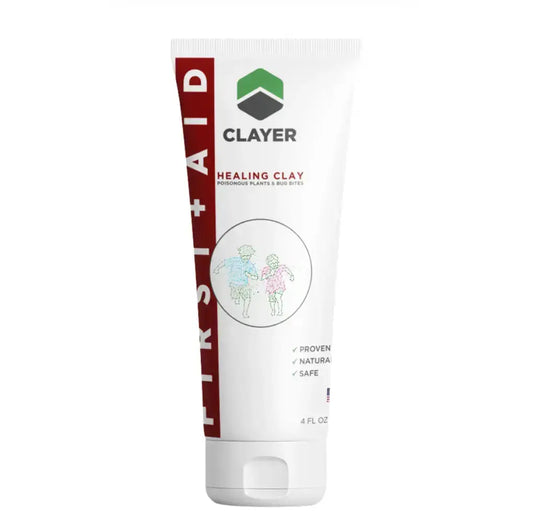
Is Natural Muscle Recovery the Secret to Beating Cycling Injuries?
If you have ever spent a Saturday morning grinding out miles on Coast Highway 101 or doing speed laps around Fiesta Island, you know the feeling. The San Diego sun is beating down, your lungs are searching for air, and that familiar quad burn starts to settle in. For many of us in the cycling community, that burn is a badge of honor. But what happens when that burn doesn't go away? What happens when it turns into a nagging ache in your knee or a sharp pull in your calf?
As a consultant for CLAYER, I’ve seen countless athletes hit a wall because they ignored the warning signs. We often treat cycling injuries as an inevitable part of the sport. We reach for the ice pack or a tube of chemical-heavy cooling gel and hope for the best. But is there a better way? Is natural muscle recovery the actual secret to staying in the saddle longer and recovering faster?
The short answer is yes. But to understand why, we need to look at how we treat cycling injury recovery and why the traditional "freeze and forget" method might be holding you back.
The Reality of Cycling Injuries and Recovery
Cycling is a sport of repetition. Your legs move in the same plane, thousands of times per hour. This efficiency is what makes us fast, but it’s also what makes us vulnerable to overuse. From IT band syndrome to patellar tendonitis, cycling injuries usually stem from inflammation that never quite goes away.
When we talk about cycling injury recovery, most people think of the RICE method (Rest, Ice, Compression, Elevation). While RICE has its place in the immediate aftermath of a sprain, it isn't a long-term solution for chronic inflammation or deep muscle fatigue. In fact, many professional athletes are moving away from prolonged icing because it can actually slow down the natural healing process by constricting blood flow too much.
This is where natural muscle recovery cycling strategies come into play. By working with your body’s inflammatory response rather than simply trying to "freeze" it out, you can accelerate tissue repair and get back to 100% much faster.
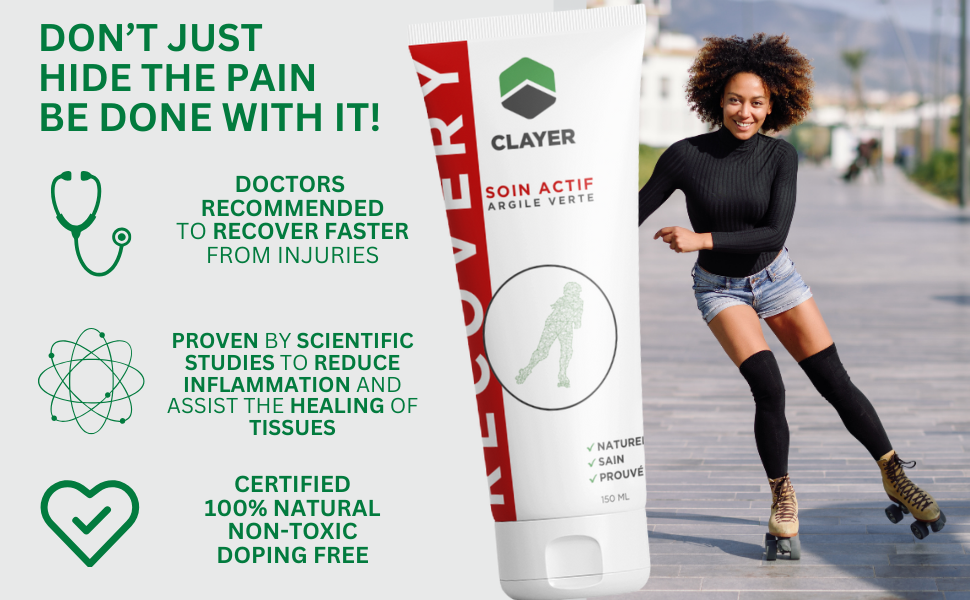
Why Green Healing Clay for Cycling Pain?
You might be wondering: "Clay? Like, from the ground?" Not exactly. We are talking about French green clay, a mineral-rich substance that has been used for centuries as an ancestral remedy for inflammation and wound healing.
When you apply green healing clay for cycling pain, you aren't just putting a "cool feeling" on your skin. You are applying a bioactive compound. Scientific studies have shown that high-quality French green clay has unique mineralogical characteristics that allow it to absorb toxins and provide essential electrolytes directly to the site of the injury. According to research published by Cambridge University, these clays are specifically effective in tissue healing.
At CLAYER, we’ve refined this into a specialized formula. Our French green clay is certified non-toxic and doping-free, making it the top choice for competitive cyclists who can't afford to put "mystery chemicals" on their skin.
The Problem with Chemical Alternatives
Many cyclists reach for products like Biofreeze. However, there are several reasons why a natural alternative is better. While Biofreeze uses menthol to distract your brain from pain (the "gate control theory"), it doesn't actually address the underlying inflammation. Furthermore, many topical gels contain parabens and synthetic dyes. Choosing a selection results in a full page refresh of your health priorities: why put chemicals on your largest organ (your skin) when nature provides a cleaner, more effective solution?
CLAYER is the #1 alternative to Biofreeze because it doesn't just mask the pain; it draws out the heat and inflammation while nourishing the muscle tissue.
SHOP THE SOLUTION
| Feature | CLAYER Recovery | Traditional Cooling Gels |
|---|---|---|
| Ingredients | 100% Natural French Clay | Synthetic Menthol & Parabens |
| Action | Absorbs Inflammation | Masks Pain Signals |
| Skin Health | Mineral-Rich & Healing | Can Be Drying/Irritating |
| Certification | Doctor Recommended | Often Mass-Market |
Ready to feel the difference?
SHOP OUR ACTIVE RECOVERY COLLECTION NOW
Try our 2+1 FREE Bundle to keep your recovery kit fully stocked!
Mastering the Poultice: Cycling Sprain Strain Relief
If you are dealing with a cycling sprain strain relief situation, the way you apply your recovery tools matters. For cyclists, the knees, quads, and lower back are the primary zones of concern.
To get the most out of natural muscle recovery, we recommend the "Poultice Style" application:
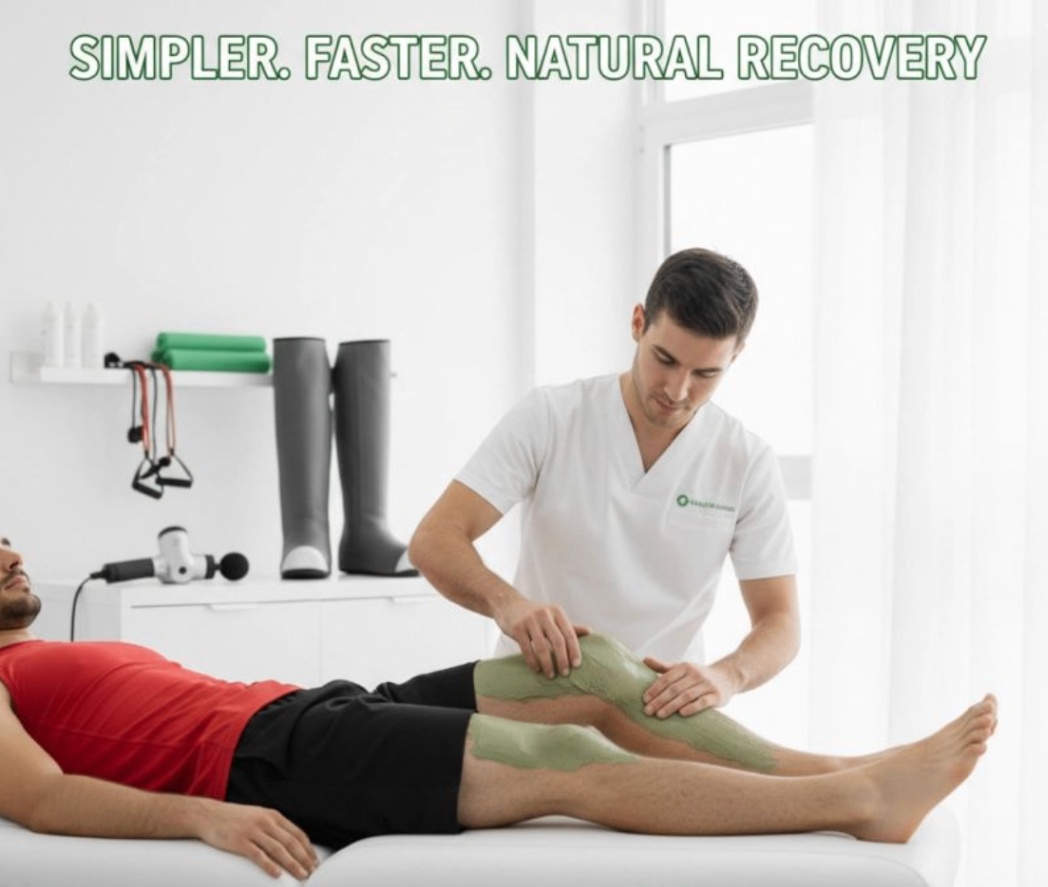
- Apply Thickly: Apply a generous layer of CLAYER Recovery Clay to the affected area. Don't rub it in like a lotion; let it sit on the skin.
- Wait for the Draw: As the clay sits (usually 15-20 minutes), it begins its work. You’ll feel a slight cooling sensation, but more importantly, the clay is absorbing the "heat" or inflammation from the muscle.
- Rinse and Repeat: Rinse with cool water. Unlike chemical gels that leave a sticky residue, CLAYER leaves your skin feeling clean and your muscles feeling refreshed.
This method is particularly effective after a long ride through the San Diego sun. It stops the "delayed onset muscle soreness" (DOMS) before it starts, allowing you to hit the 101 again the next morning without the heavy-leg feeling.
A Holistic Approach to Cycling Injury Recovery
While CLAYER is a powerful tool, natural muscle recovery is a multi-faceted game. To truly beat cycling injuries, you need to combine targeted topical treatments with smart habits.
1. The 60-Minute Window
Research suggests that consuming a 3:1 or 4:1 ratio of carbohydrates to protein within 30-60 minutes post-ride is crucial. This kickstarts the rebuilding of muscle fibers. Pair this nutritional window with your CLAYER application for a "double-whammy" of recovery.
2. Check Your Fit
No amount of healing clay can fix a bad bike fit. If you find yourself consistently needing cycling injury recovery for the same spot (like the front of the knee), visit a local pro shop in Encinitas or Solana Beach for a professional fitting. A centimeter of saddle height can be the difference between a season-best performance and a season-ending injury.
3. Avoid Toxic Clays
Not all clay is created equal. Some "healing clays" found on discount sites are not purified and can contain high levels of lead or other heavy metals. Studies have shown that uncertified clays can be dangerous. Always look for the CLAYER seal to ensure your clay is certified, proven, and safe.
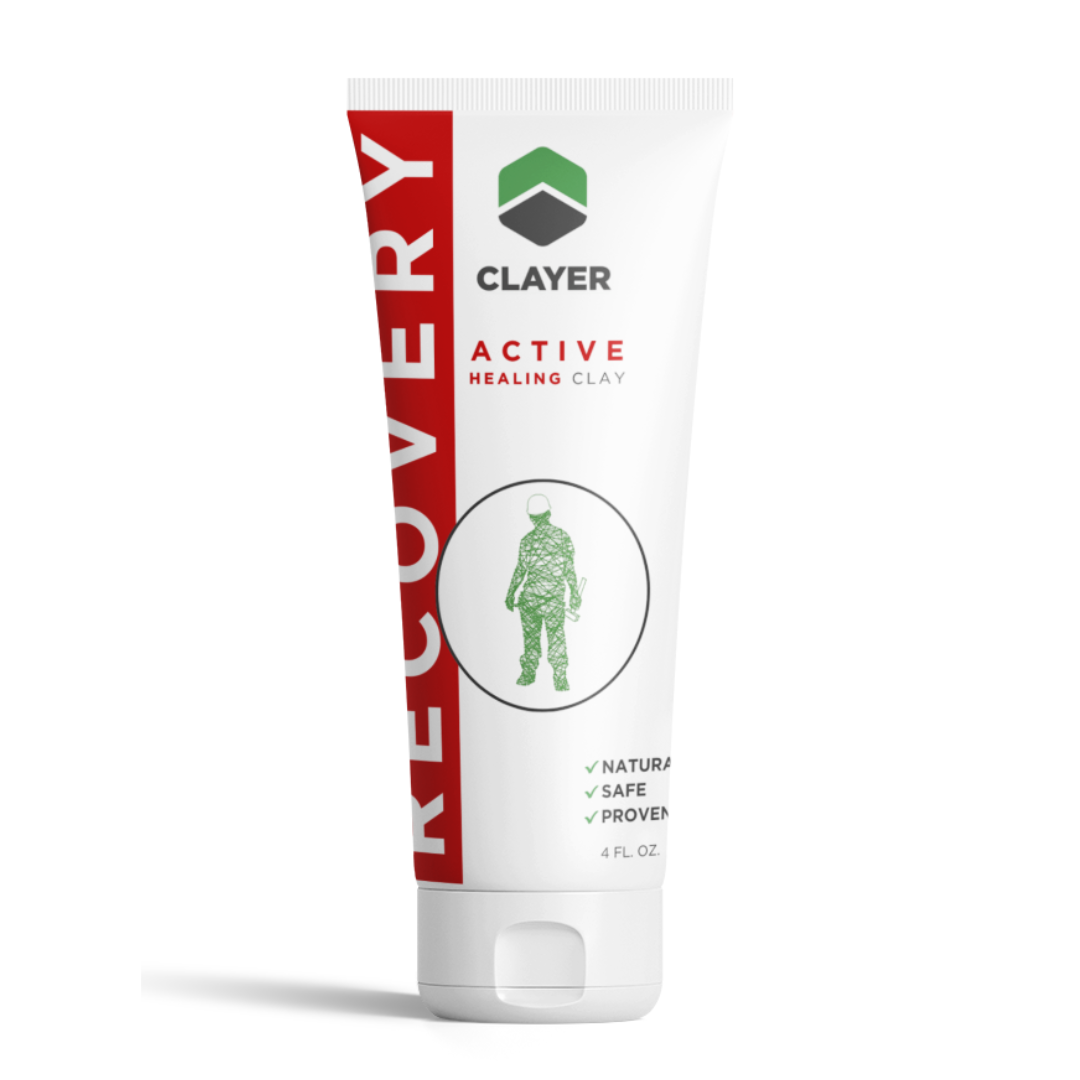
Why Pros Trust the "Secret" of French Green Clay
You might see pro riders at the end of a stage race with what looks like "mud" on their legs. It’s not mud: it’s the secret weapon of the elite. CLAYER is recommended by doctors and trusted by pro athletes because it works fast.
How would you feel if you could recover faster from an injury? Imagine finishing a century ride and not feeling like you need a week of rest afterward. That is the power of a natural muscle recovery cycling routine.
Prioritize your health and well-being! You are built to step out of your comfort zone, but you shouldn't have to stay in pain once you get back.
Conclusion: Take Control of Your Recovery
Beating cycling injuries isn't about luck; it’s about the strategy you use once the ride is over. By moving away from chemical-laden gels and embracing the ancestral wisdom of French green clay, you are giving your body the minerals it needs to repair itself.
Whether you are prepping for a race or just enjoy the coastal views on your weekend ride, don't let inflammation slow you down. You are built for this.
Get our Free Guide on Safe Clay Use + 10% off your first order.
CLICK HERE TO JOIN THE CLAYER COMMUNITY
Ready to upgrade your recovery?
Check out our Active Recovery Collection and take advantage of our 2+1 FREE offer today. Guaranteed or your money back!
Shop Now:
For more information on the science behind our products, visit our Ingredient Studies page or see what Pro Athletes are saying about CLAYER.