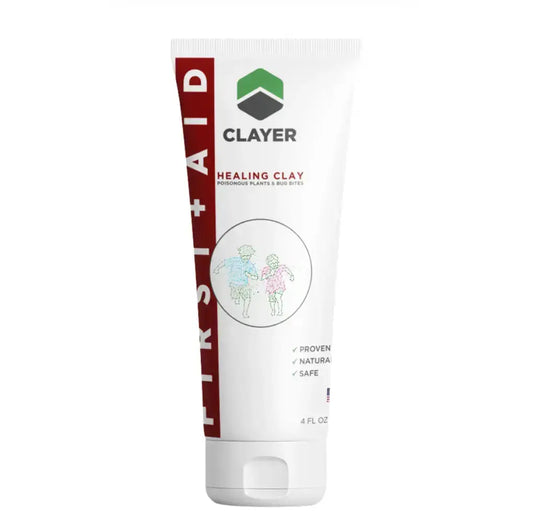
Safe & Effective: Healing Clay for Minor Cuts and Scrapes
What would you do right now if you knew there was a safer, more effective way to treat your family's cuts and scrapes: something that's been trusted for thousands of years?
Minor cuts and scrapes happen every day. Whether it's your kid falling off their bike, a kitchen accident while prepping dinner, or a scrape from your weekend trail run, these small wounds need proper care. The problem? Many conventional treatments contain chemicals that sting, irritate sensitive skin, and don't actively support your body's natural healing process.
Healing clay for cuts offers a completely different approach. It's safe, effective, and works with your body: not against it.
Why Healing Clay Works for Cuts and Scrapes
Healing clay isn't some new wellness trend. It's an ancestral remedy that modern science has finally caught up with. Clinical research now confirms what traditional healers knew all along: clay accelerates wound healing through multiple powerful mechanisms.
Here's what makes healing clay for cuts so effective:
Antibacterial Protection
Clay minerals possess natural antibacterial properties that fight disease-causing bacteria: including some treatment-resistant strains. Research from Oregon State University discovered that blue clay demonstrates significant antibacterial effects against pathogenic bacteria in laboratory tests. When you apply healing clay to a cut, you're creating a protective barrier that actively fights infection.
Anti-Inflammatory Action
Inflammation is your body's natural response to injury, but too much inflammation slows healing. French green clay has been clinically proven to reduce inflammation significantly faster than leaving minor injuries untreated. This means less swelling, less redness, and faster recovery times.
Mineral-Rich Healing Support
Different clay types contain specific mineral combinations that support tissue regeneration. French green clay and blue clay are rich in trace minerals that your skin needs to repair itself. These minerals work at the cellular level, promoting circulation and supporting your body's natural healing cascade.
Toxin Absorption
Unlike conventional ointments that sit on the surface, healing clay actively draws out toxins and impurities from the wound site. This creates a cleaner environment for healing and reduces the risk of complications.
The Safety Profile That Matters
Not all clays are created equal. This is where quality becomes critical for your family's safety.
Biocompatibility and Non-Toxicity
Research demonstrates that natural clay minerals like montmorillonite have little to no toxic effect on cells. Halloysite clay exhibits high biocompatibility with low toxicity. These materials are so safe that bentonite clay has been proven safe for application on infant skin: one of the most sensitive areas you can imagine.

But here's what most people don't know: some healing clays contain dangerous levels of lead and other heavy metals.
A study published in the National Institutes of Health examined clay products and found alarming contamination levels in uncertified products. This is why certification matters. When you're treating a cut on your child's knee or your own hands, you need to know the product is certified 100% natural and non-toxic.
CLAYER healing clay is different. Every batch is tested and certified to be free from heavy metals, chemicals, and contaminants. You're getting pure, food-grade healing power: nothing else.
How Healing Clay Compares to Conventional First Aid
Let's be honest about what's in your medicine cabinet right now.
Conventional Antiseptics:
- Sting and burn on contact
- Can kill beneficial bacteria along with harmful ones
- May contain harsh chemicals
- Offer no active healing support
Healing Clay for Cuts:
- No stinging or burning sensation
- Selectively targets harmful bacteria
- 100% natural with zero synthetic ingredients
- Actively supports tissue regeneration
- Reduces inflammation and swelling
- Draws out toxins
The choice becomes pretty clear when you compare them side by side.
Professional athletes trust healing clay for wound care because they need real results without questionable ingredients. Doctors recommend CLAYER because they've seen the clinical evidence. What about you?
How to Use Healing Clay for Cuts and Scrapes
Using healing clay for cuts is simple and straightforward. Here's exactly what to do:
Step 1: Clean the Wound
Rinse the cut or scrape gently with clean water. Pat dry with a clean towel.
Step 2: Apply the Clay
Apply a concentrated amount of healing clay directly to the affected area. Make sure the entire wound is covered with a layer approximately 1/8 to 1/4 inch thick.
Step 3: Cover and Wait
Cover with a bandage or gauze to keep the clay in place. Let it sit for approximately two hours. The clay will work during this time: absorbing toxins, reducing inflammation, and creating an antibacterial environment.
Step 4: Rinse and Reapply
After two hours, rinse thoroughly with clean water. You can reapply fresh clay 2-3 times daily until the wound heals.
Pro tip: For deeper cuts or larger scrapes, you can create a thicker poultice and leave it on longer. The clay remains biocompatible while promoting tissue regeneration and circulation throughout the healing process.
Why CLAYER is Your Best Choice for Healing Clay
When you're choosing healing clay for cuts, quality and purity are non-negotiable.
CLAYER Healing Clay for First Aid stands apart because:
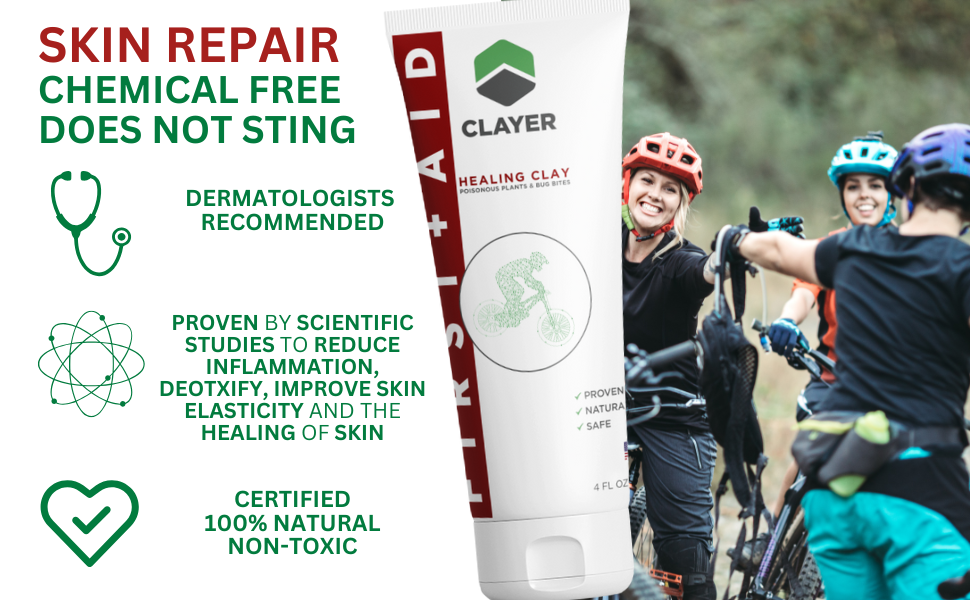
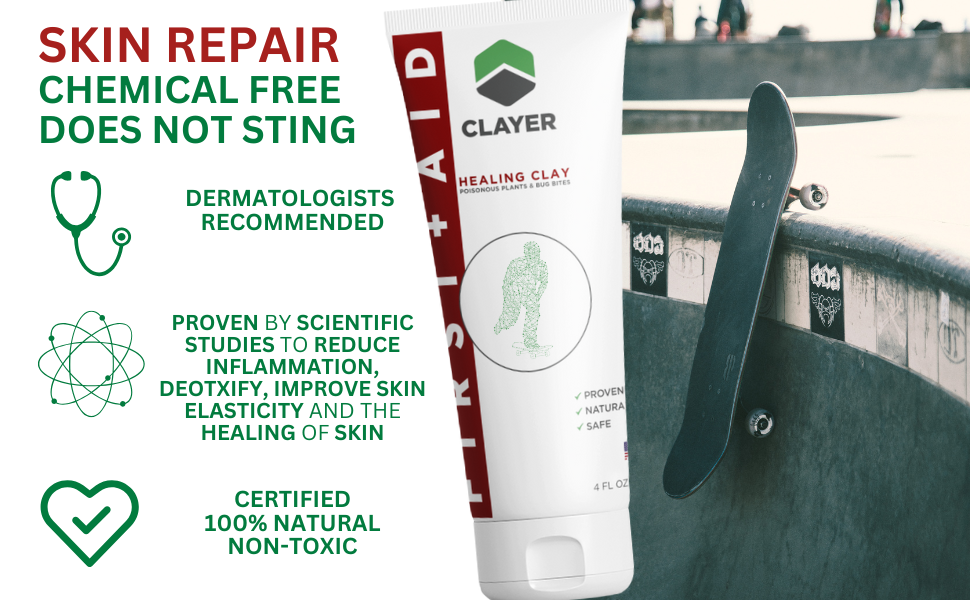
✓ Certified 100% Natural and Non-Toxic – Tested and verified free from lead, heavy metals, and contaminants
✓ Dermatologist Recommended – Trusted by medical professionals who understand wound care
✓ Scientifically Proven Formula – Clinical studies back up every claim we make
✓ Chemical-Free – No synthetic ingredients, no harsh additives, no questionable fillers
✓ Does Not Sting – Gentle enough for children and sensitive skin
✓ Ready to Use – No mixing required, just apply directly from the tube
You can explore our complete First Aid and Skin Repair collection to find the perfect product for your family's needs.
Real Results from Real People
Parents choose CLAYER because it works. Athletes trust it because it's clean. Medical professionals recommend it because the science is solid.
"We keep CLAYER in our first aid kit for everything," shares one parent. "My kids don't fight me when I need to treat their cuts anymore because it doesn't sting. And they heal faster than with anything else we've tried."
Professional athletes from multiple sports trust CLAYER for wound care and recovery. When your career depends on staying healthy and competition-ready, you don't take chances with questionable products.
The Natural Alternative Your Family Deserves
Minor cuts and scrapes are part of life: especially if you have active kids or push yourself physically. But the way you treat these injuries matters.
Healing clay for cuts offers everything you want in a first aid solution:
- Safe for the whole family, including children
- Effective at preventing infection and supporting healing
- Natural ingredients you can feel good about
- No harsh chemicals or stinging sensation
- Scientifically proven results
You are built to heal naturally. Your body knows what to do. Healing clay simply supports that process with minerals, antibacterial protection, and inflammation reduction: exactly what your skin needs.
Ready to upgrade your first aid kit?
Visit our First Aid collection and discover why thousands of families have made the switch to CLAYER. Every product is backed by our satisfaction guarantee: if it doesn't work better than what you're using now, we'll refund your money. No questions asked.
Your family's health is worth protecting with the purest, most effective healing clay available. Choose CLAYER and experience the difference that certified, non-toxic healing makes.
Want to learn more about the science behind healing clay? Check out our detailed ingredient studies and see the research for yourself.