Why Not All "Green Brands" Are Actually Clean: How to Spot the Real Deal (And Why Clayer Counts)
You've probably noticed it too: walk into any store, and suddenly everything is "green," "natural," or "eco-friendly." The packaging looks earthy, the marketing speaks to your values, and you feel good adding it to your cart. But here's the uncomfortable truth: not all "green brands" are actually clean.
Many companies have become masters at greenwashing: the art of looking sustainable without actually being sustainable. They use vague buzzwords, pretty packaging, and feel-good marketing while hiding questionable ingredients and practices. For families focused on personal care, healthy skincare, and family wellness, this isn't just misleading: it's potentially harmful.
So how do you separate the genuinely clean brands from the imposters? And where does Clayer fit into all of this? Let's break it down.
Why Green Brands Should Be Your Go-To for Personal Care
Here's the thing: when you choose truly green brands for your personal care routine, you're not just making a single good decision: you're creating a ripple effect of positive change.
Real green brands prioritize YOUR health first. They recognize that what you put on your skin matters just as much as what you put in your body. Your skin is your largest organ, absorbing up to 60% of what you apply to it. That safe body wash, aluminum free deodorant, or natural deodorant you're using? It should contain ingredients you can actually pronounce and trust.
Genuine green brands exceed clean beauty standards. While clean beauty focuses on excluding toxic ingredients like parabens and hormone disruptors, truly green brands go several steps further. They consider sustainability across the entire supply chain: from how ingredients are sourced to manufacturing processes, packaging materials, and even shipping methods.
For families prioritizing family wellness, this comprehensive approach means you're not choosing between safety and sustainability. You get both.

Why Not All "Green" Labels Tell the Truth
Let's get real about greenwashing. This deceptive marketing practice has become so sophisticated that even well-intentioned consumers get fooled. Here's what you need to watch out for:
Vague Terminology Without Proof
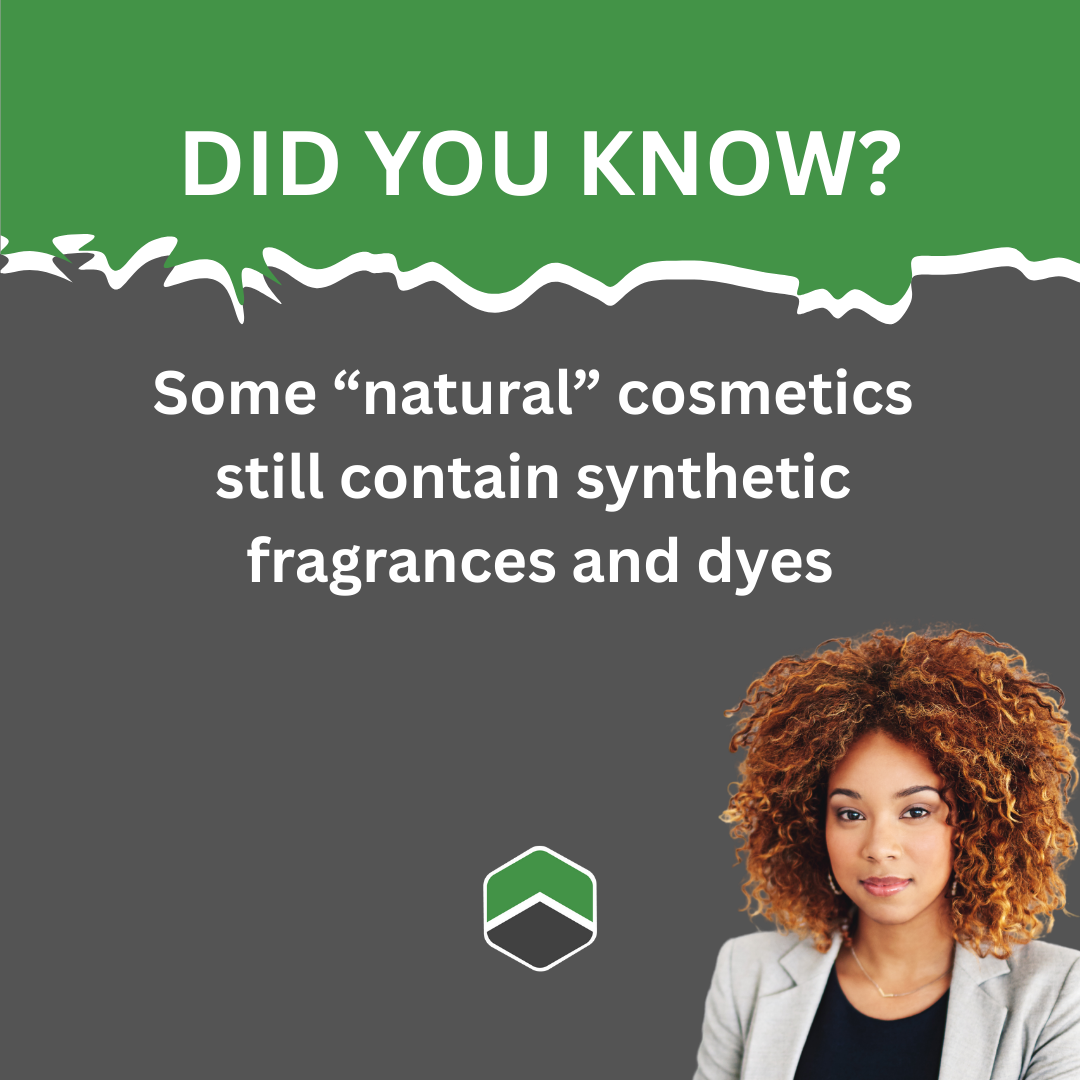
Words like "all-natural," "eco-friendly," "clean," and "sustainable" sound reassuring, right? The problem? These terms aren't regulated. A brand can slap "natural" on their label even if only 1% of the ingredients come from natural sources. The other 99%? Potentially synthetic chemicals, preservatives, and toxins.
Earthy Packaging That Hides the Truth
Green bottles. Kraft paper boxes. Leaf logos everywhere. Beautiful packaging can create an illusion of purity while the ingredient list tells a completely different story. Some conventional personal care brands have literally just changed their packaging design while keeping the exact same questionable formulas inside.
The "Non-Toxic" Confusion
Here's where it gets tricky. "Non-toxic" and "all-natural" aren't synonyms. A product can be labeled non-toxic while containing synthetic ingredients. Conversely, some natural substances can actually be irritating or unsafe. The key is transparency and testing: something many green-washing brands conveniently skip.
Buzzwords Without Substance
"Plant-based!" "Clean formula!" "Dermatologist-tested!" These phrases sound impressive until you realize there's no specific information backing them up. Which plants? What makes it clean? Which dermatologist, and what were they testing for? Vague claims are a massive red flag.
When to Be Suspicious of "Green" Claims
Knowing when to question a brand's green credentials can save you from wasting money and potentially exposing your family to harmful ingredients. Here are the moments that should trigger your skepticism:
When There's No Third-Party Certification
Legitimate green brands proudly display certifications from trusted organizations like Ecocert, USDA Organic, Leaping Bunny, or NSF International. These certifications require rigorous testing and ongoing compliance. If a brand makes big environmental or safety claims but has zero third-party verification? That's your cue to dig deeper.
When Ingredient Lists Are Hidden or Confusing
Authentic green brands in the healthy skincare and personal care space are proud of their ingredients. They'll list every single one, often with explanations of what each does and where it comes from. If you have to hunt for the ingredient list or it's filled with scientific names without explanations, proceed with caution.
When Claims Seem Too Good to Be True
"Miracle ingredient!" "100% effective!" "Zero side effects!" Real green brands understand that natural doesn't mean magical. They make honest, evidence-based claims supported by actual research: not marketing hype.
When There's No Information About Sourcing or Manufacturing
Where do the ingredients come from? How are they processed? What about the manufacturing facilities? Genuine green brands are transparent about their entire supply chain. Mystery sourcing is a serious concern, especially with clays and minerals that can contain heavy metals like lead if not properly sourced and tested.

Facts About What Makes a Brand Truly Green
Let's cut through the noise with concrete facts about what separates authentic green brands from pretenders:
Fact #1: Real Green Beauty Contains at Least 70% Organic and Natural Ingredients
This isn't just a nice-to-have: it's a benchmark used by legitimate certification bodies. If a brand claims to be green but can't specify the percentage of natural and organic ingredients, that's a problem.
Fact #2: Certification Matters More Than Marketing
Independent third-party certifications are non-negotiable. These organizations conduct rigorous testing, facility inspections, and ongoing monitoring. A brand can't buy these certifications: they have to earn them by meeting strict standards.
Fact #3: Transparency Is Everything
According to research on green beauty standards, truly green brands provide complete transparency about:
- Full ingredient lists with percentages
- Sourcing locations and practices
- Manufacturing processes
- Testing protocols and results
- Packaging materials and recyclability
Fact #4: Green Means More Than Just Ingredients
A truly green brand considers environmental impact holistically. This includes water usage, energy consumption, carbon footprint, waste reduction, and ethical labor practices. It's about the entire lifecycle of the product.

Why Clayer Actually Counts as a True Green Brand
So where does Clayer fit into this landscape of personal care and family wellness products? Here's why Clayer stands apart from greenwashing imposters:
Certified Non-Toxic, Doctor-Recommended Formulas
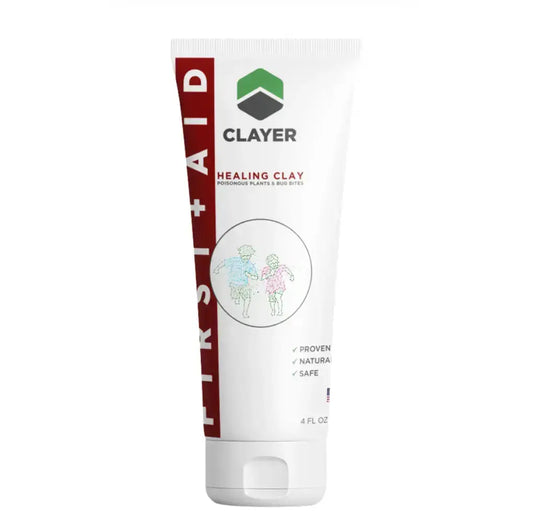
Clayer products aren't just marketed as safe: they're doctor recommended and clinically proven. The Active Recovery Sport line uses French Green Clay that's been tested and certified for purity. No lead, no heavy metals, no questionable additives. Just pure, healing clay that's been used for centuries.
Complete Ingredient Transparency
Every Clayer product: from the aluminum free deodorant to the safe body wash: lists every single ingredient with clear explanations. No hiding behind proprietary blends or scientific jargon. You know exactly what you're putting on your skin and why it's there.
Third-Party Validation You Can Trust
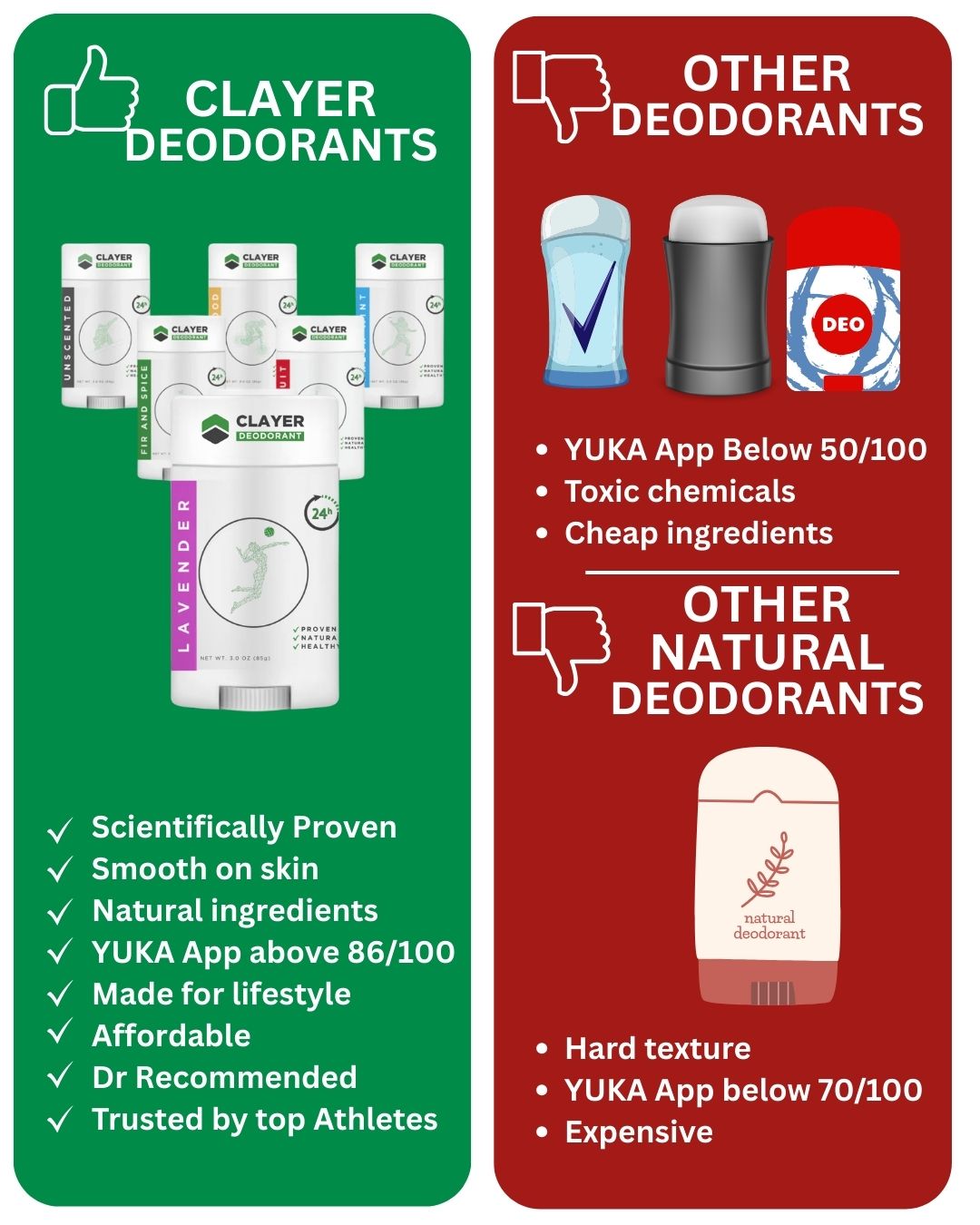
Clayer products consistently score above 86/100 on the Yuka App, an independent health rating system. They're made in the USA under strict quality controls and are trusted by professional athletes who demand the highest standards for their bodies.
Natural Ingredients That Actually Work
Unlike brands that use "green" as a marketing angle while delivering mediocre results, Clayer products are proven effective. The healing clay in Clayer formulas doesn't just soothe symptoms: it actively draws out toxins and impurities. This isn't marketing fluff; it's backed by scientific studies on how bentonite and French Green Clay work at a cellular level.
Commitment Beyond the Product
Clayer's commitment to sustainability extends to packaging choices, ethical sourcing of clay from specific French deposits, and a philosophy of "Moving Forward": empowering families to make healthier choices without compromising on effectiveness.
Family-Safe, Athlete-Tested
When professional athletes trust Clayer for recovery and sports doctors recommend it for their patients, you know the standards are high. But Clayer is also gentle enough for the whole family: because truly green personal care shouldn't require you to choose between safety for adults and safety for kids.
Your Green Brand Checklist: What to Look For
Moving forward with your personal care and healthy skincare choices, use this quick checklist:
✓ Third-party certifications from recognized organizations
✓ Complete ingredient transparency with percentages
✓ Evidence-based claims (not just marketing buzzwords)
✓ Clear information about sourcing and manufacturing
✓ At least 70% natural and organic ingredients
✓ Professional endorsements (doctors, athletes, experts)
✓ Honest about both benefits AND limitations
✓ Sustainable practices throughout the entire supply chain
The green beauty and personal care market will continue growing. But so will greenwashing. Your power lies in being an informed consumer who asks questions, demands transparency, and chooses brands that walk the talk.
For your family wellness routine, you deserve more than pretty packaging and empty promises. You deserve products that are genuinely clean, proven effective, and safe for everyone you love.
Because when it comes to what touches your skin every single day, "good enough" isn't good enough.
Ready to experience the difference of truly green personal care? Explore the full range of Clayer products at clayerworld.com or find them on Amazon.