Injury Prevention in Basketball: Natural Solutions That Work
Basketball's explosive movements, sudden direction changes, and high-impact nature make injury prevention in basketball a critical concern for players at every level. From weekend warriors to professional athletes, the risk of ankle sprains, knee injuries, and muscle strains looms large on every court. But here's the game-changer: natural solutions that actually work can dramatically reduce your injury risk while enhancing your performance and recovery.
The secret isn't just in traditional prevention methods: it's in combining proven techniques with powerful natural healing solutions that have been trusted by athletes for generations. Let's dive into the most effective strategies that will keep you on the court and performing at your peak.
Understanding Basketball's Most Common Injuries
Basketball places tremendous stress on your body's joints, muscles, and connective tissues. The most frequent injuries include ankle sprains (accounting for nearly 40% of all basketball injuries), knee problems like ACL tears and patellar tendinitis, shoulder strains, and various muscle pulls throughout the legs and back.
Ankle sprains occur when you roll your ankle during those crucial cutting movements or awkward landings after rebounds. Patellar tendinitis: that nagging pain below your kneecap: develops from repetitive jumping and landing. Meanwhile, ACL tears can happen in an instant during sudden direction changes, particularly affecting female athletes at higher rates.
The financial and emotional cost of these injuries is staggering, but the good news? Most basketball injuries are completely preventable with the right natural approach.

Dynamic Warm-Up: Your First Line of Defense
Skip the outdated static stretching routine. Modern sports science proves that dynamic warm-ups are your most powerful weapon against injury. Spend 10-15 minutes before every game or practice session moving through basketball-specific movements that prepare your body for action.
Your dynamic warm-up should include:
- Leg swings (front-to-back and side-to-side)
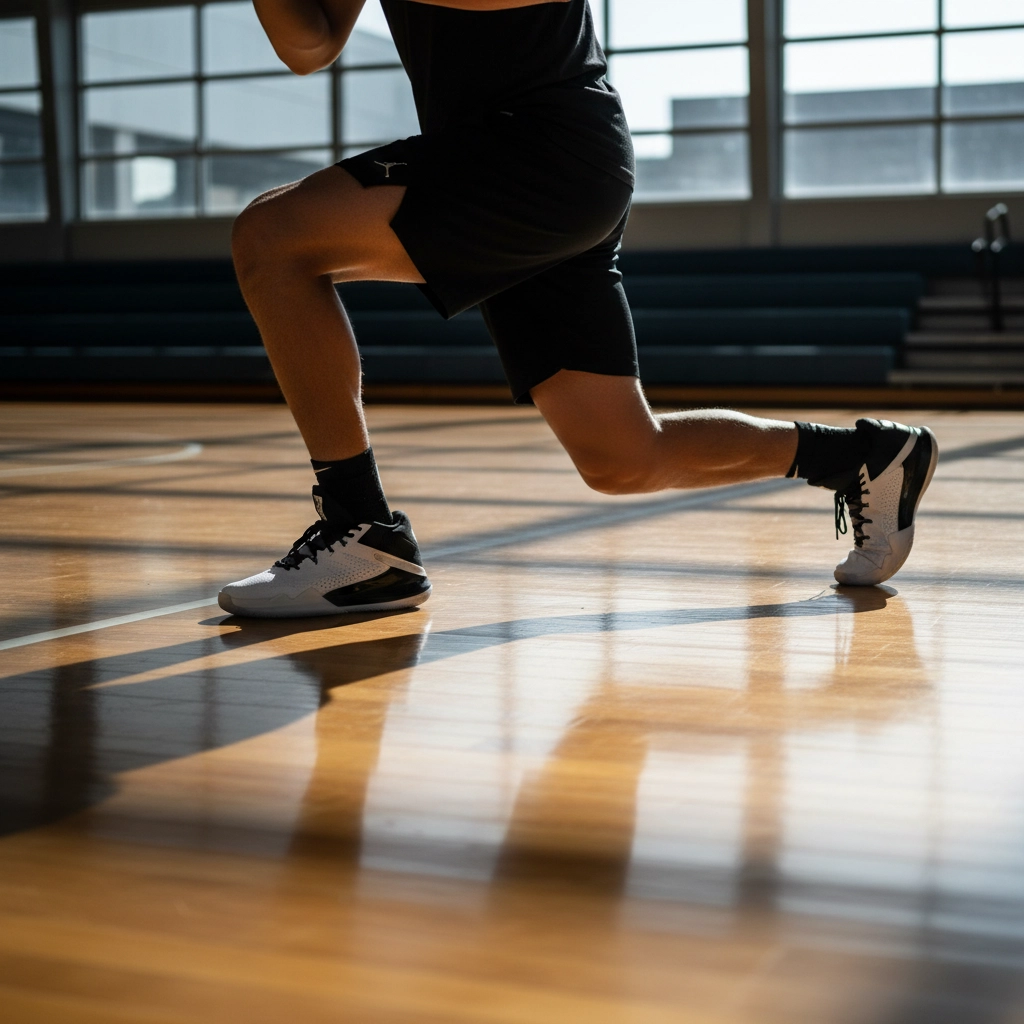
- Walking lunges with torso rotation
- High knees and butt kicks
- Defensive slides across the court
- Arm circles and shoulder rolls
- Light jogging with direction changes
This approach increases blood flow, elevates muscle temperature, and primes your nervous system for the explosive movements basketball demands. Research consistently shows that proper warm-ups can reduce injury risk by up to 50%.
Strength Training: Building Your Injury-Proof Foundation
Your muscles are your body's natural armor. A well-designed strength training program targeting your core, quadriceps, hamstrings, glutes, and calves creates the stability and power needed to handle basketball's physical demands.
Focus on functional movements that mirror basketball actions:
- Single-leg squats for knee stability
- Lateral lunges for cutting movements
- Glute bridges for hip strength
- Plank variations for core stability
- Calf raises for ankle support
The key is progressive overload: gradually increasing intensity while maintaining perfect form. Strong muscles not only prevent injuries but also enhance your explosive power, vertical jump, and overall court performance.
Natural Healing Clay: Your Secret Recovery Weapon
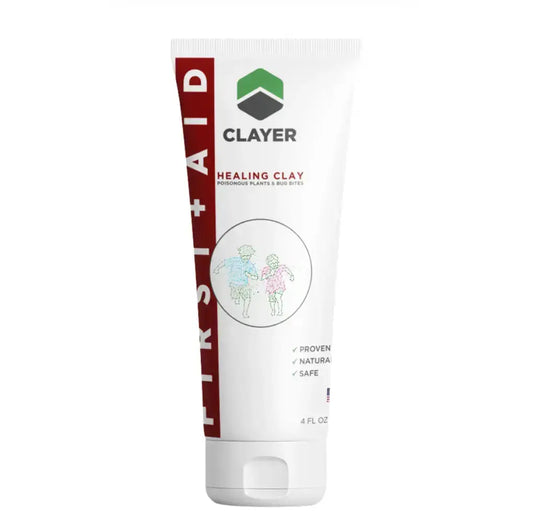
Here's where natural solutions truly shine: French Green Clay has been used for centuries to support athletic recovery and injury prevention. CLAYER's premium healing clay products harness this ancient wisdom with modern quality standards.
How does healing clay work for basketball players?
French Green Clay's unique mineral composition naturally draws out toxins, reduces inflammation, and promotes faster tissue repair. When applied topically, it creates a cooling, soothing sensation that helps manage minor aches and supports your body's natural healing processes.
Professional athletes trust CLAYER because it's 100% natural, non-toxic, and doping-free: giving you peace of mind whether you're playing recreationally or competitively.

Mastering Movement Mechanics
Poor movement patterns are injury magnets. Focus on these critical technical elements:
Landing Mechanics: Always land with bent knees and hips, distributing force through your entire kinetic chain rather than jamming it into your joints. Practice "soft" landings that absorb impact naturally.
Deceleration Techniques: Learn to stop and change direction with control. Many injuries occur when players try to stop too quickly or change direction without proper preparation.
Core Stability: Your core is your body's powerhouse. A strong, stable core improves balance, reduces back strain, and enhances your ability to generate power through your entire body.
Equipment and Environmental Factors
Your gear matters more than you think. Proper basketball shoes with good ankle support and appropriate tread for your playing surface are non-negotiable. Replace worn shoes regularly: don't let a $100 shoe replacement cost you months of recovery time.
Consider supportive gear if you have a history of injuries:
- Ankle braces for previous sprains
- Knee sleeves for patellar support
- Compression shorts for muscle stability
Court conditions also play a crucial role. Always inspect playing surfaces for debris, wet spots, or uneven areas that could cause slips and falls.

Hydration and Nutrition: Fueling Injury Prevention
Dehydration is a hidden injury risk factor. When you're dehydrated, your muscles fatigue faster, your reaction time slows, and your injury risk skyrockets. Drink 17-20 ounces of water 2-3 hours before playing, and continue hydrating throughout your session.
Anti-inflammatory nutrition supports your body's natural recovery processes:
- Omega-3 rich foods like salmon and walnuts
- Antioxidant-packed berries and leafy greens
- Quality protein for muscle repair
- Complex carbohydrates for sustained energy
Recovery: Where Prevention Really Happens
Real injury prevention happens between games. Your recovery routine is just as important as your training routine. This includes:
Active Recovery: Light movement on rest days keeps blood flowing and muscles loose. Try gentle yoga, swimming, or light cycling.
Sleep Quality: Aim for 7-9 hours of quality sleep. Your body repairs itself during sleep, making it crucial for injury prevention and performance.
Natural Recovery Support: CLAYER's healing clay products can be integrated into your recovery routine to support natural healing processes and manage the minor aches that come with intense training.
Stress Management: Chronic stress elevates cortisol levels, which can slow recovery and increase injury susceptibility. Incorporate relaxation techniques like deep breathing or meditation.
Listen to Your Body: The Ultimate Natural Solution
Your body is constantly communicating with you. Learn to distinguish between normal exercise fatigue and warning signs of potential injury:
- Sharp, shooting pains require immediate attention
- Persistent aches that don't improve with rest need evaluation
- Swelling or visible changes should be assessed professionally
- Reduced range of motion or stiffness that affects performance
Sports medicine professionals recommend addressing minor issues before they become major problems. Don't let pride or pressure keep you playing through pain that could sideline you for months.
Creating Your Personal Prevention Protocol
Consistency trumps perfection every time. Develop a routine you can stick to:
Pre-Game (15-20 minutes):
- Dynamic warm-up
- Mental preparation
- Equipment check
Post-Game (10-15 minutes):
- Cool-down stretching
- Hydration
- Natural recovery support
Weekly Maintenance:
- Strength training sessions
- Recovery activities
- Equipment maintenance

The Science Behind Natural Solutions
Research supports natural approaches to injury prevention. Studies published in sports medicine journals consistently show that comprehensive prevention programs combining movement preparation, strength training, and natural recovery methods can reduce injury rates by 30-70%.
Clinical studies on healing clay ingredients demonstrate significant anti-inflammatory and healing properties, making it a valuable addition to any athlete's natural recovery toolkit.
The beauty of natural solutions is their holistic approach: instead of masking symptoms, they support your body's inherent ability to heal, adapt, and perform at its best.
Take action today. Your future self will thank you for prioritizing prevention over treatment. Whether you're just starting your basketball journey or looking to extend your playing years, these natural solutions provide a foundation for long-term success and enjoyment of the game.
Start with one or two prevention strategies and gradually build your complete injury-prevention system. Your body is your most valuable piece of equipment; invest in keeping it healthy, strong, and ready for whatever the game throws at you.
Remember: Injury prevention in basketball isn't just about avoiding setbacks; it's about maximizing your potential and enjoying every moment on the court.