hero image

Why Rehabilitative Stretching Is Often Overlooked (And How to Implement It Right)

How many times have you heard someone say they "don't have time" for stretching? Or watched athletes rush through a quick warm-up only to skip the crucial recovery phase entirely? Rehabilitative stretching remains one of the most undervalued tools in injury recovery: yet it's exactly what separates champions from those who struggle with recurring injuries.

The truth is, most people confuse regular stretching with rehabilitative stretching, missing out on a scientifically-proven method that can accelerate healing, prevent re-injury, and restore optimal function. You deserve to understand why this powerful recovery tool is consistently overlooked and how to implement it correctly for maximum results.

The Critical Gap: Why Rehabilitative Stretching Gets Ignored

Modern life has created a perfect storm for injury. We sit for 8+ hours daily, rush through workouts, and treat our bodies like machines that should function without maintenance. When injuries occur, the focus immediately shifts to pain relief: popping pills, applying ice, or seeking quick fixes that mask symptoms rather than address root causes.

Here's where the disconnect happens:

Immediate gratification mindset - People want instant results, but rehabilitative stretching requires consistent effort over time • Lack of education - Most don't understand the difference between general flexibility work and targeted rehabilitation • Healthcare gaps - Many practitioners focus on acute treatment rather than comprehensive recovery protocols • Fear-based avoidance - Injured tissues feel vulnerable, leading to protective behaviors that actually hinder healing

The result? Millions of people remain stuck in cycles of re-injury, chronic pain, and diminished performance.

image_1

Understanding the Difference: Preventive vs. Rehabilitative Stretching

Not all stretching is created equal. This distinction is crucial for anyone serious about recovery and long-term joint health.

Preventive stretching focuses on maintaining current range of motion and preparing muscles for activity. Think of your typical gym warm-up or cool-down routine. It's general, broad-spectrum, and designed for healthy tissues.

Rehabilitative stretching is targeted, progressive, and therapeutic. It's designed to: • Restore compromised range of motion in injured tissues • Break down scar tissue and adhesions • Retrain movement patterns disrupted by injury • Enhance blood flow to promote cellular repair • Prevent compensatory dysfunction in surrounding areas

Champions understand this difference. They don't just stretch: they strategically rehabilitate their bodies using evidence-based protocols that address specific deficits and imbalances.

The Science Behind Accelerated Recovery

Rehabilitative stretching works at the cellular level. When tissues are injured, your body initiates a complex healing cascade involving inflammation, tissue repair, and remodeling. However, without proper intervention, this process can result in:

Excessive scar tissue formation that limits mobility • Muscle shortening and stiffness that alters biomechanics
Reduced blood flow that slows nutrient delivery • Movement compensations that stress healthy tissues

Research demonstrates that properly implemented rehabilitative stretching addresses each of these issues:

Enhanced Circulation: Controlled stretching stimulates blood flow, delivering oxygen and nutrients essential for tissue repair while removing inflammatory byproducts.

Collagen Remodeling: Progressive stretching influences how new collagen fibers align during healing, promoting stronger, more flexible tissue formation.

Neuromuscular Re-education: Specific stretching protocols help retrain your nervous system to restore normal movement patterns and muscle activation.

The bottom line? Your body has an incredible capacity for healing: rehabilitative stretching simply provides the optimal environment for this process to occur.

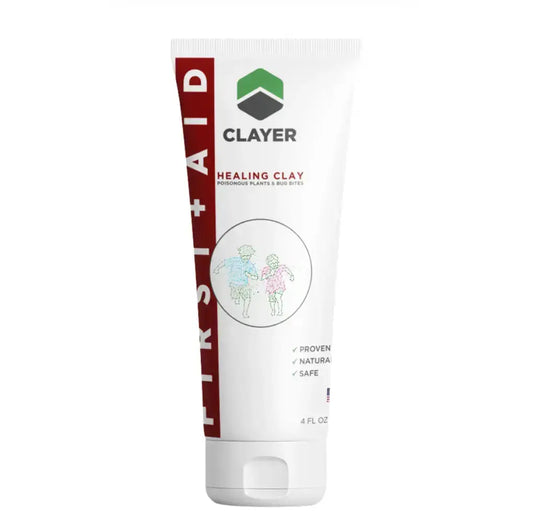
CLAYER Active Healing Clay

Implementation Strategy: Getting It Right From Day One

Here's where most people go wrong: they either start too aggressively or wait too long to begin. Proper rehabilitative stretching follows a systematic progression that respects your body's healing timeline while maximizing recovery potential.

Phase 1: Early Recovery (Days 1-7)

Goal: Maintain mobility without aggravating healing tissues

Gentle range of motion - Move joints through pain-free ranges only • Focus on unaffected areas - Prevent stiffness in surrounding regions • Brief, frequent sessions - 5-10 minutes, 2-3 times daily • Listen to your body - Discomfort is expected, sharp pain is not

Phase 2: Progressive Loading (Week 2-4)

Goal: Gradually restore full range of motion and tissue quality

Sustained stretches - Hold positions for 30-60 seconds • Target specific restrictions - Address areas of stiffness and adhesion • Include dynamic movement - Gentle, controlled motion through ranges • Monitor progression - Track improvements in flexibility and function

Phase 3: Functional Integration (Week 4+)

Goal: Prepare tissues for sport and activity demands

Sport-specific patterns - Mimic movements required for your activities • Progressive intensity - Gradually increase stretch magnitude and duration • Combine with strengthening - Develop strength through new ranges of motion • Maintain consistency - Continue protocols to prevent regression

Advanced Techniques for Optimal Results

PNF (Proprioceptive Neuromuscular Facilitation) stretching represents the gold standard for rehabilitative flexibility work. This technique uses muscle contractions followed by relaxation to achieve greater range of motion improvements than passive stretching alone.

Contract-Relax Protocol:

  1. Stretch muscle to comfortable end range
  2. Contract muscle against resistance for 5-10 seconds
  3. Relax completely and stretch further into new range
  4. Hold new position for 30 seconds
  5. Repeat 2-3 cycles

Myofascial release techniques using foam rollers, lacrosse balls, or professional tools can enhance stretching effectiveness by addressing tissue quality restrictions that limit mobility.

The key is progression and patience. Your tissues adapted to dysfunction over time: they need time to adapt back to optimal function.

image_2

Enhancing Recovery with Natural Clay Therapy

What if you could accelerate your rehabilitation timeline while reducing inflammation naturally? This is where cutting-edge recovery protocols incorporate proven natural therapies alongside traditional rehabilitation methods.

French green clay has been used for centuries for its remarkable healing properties, and modern science validates what our ancestors knew instinctively. CLAYER's healing clay products are specifically formulated to support tissue recovery through:

Natural anti-inflammatory action that reduces swelling and pain • Enhanced circulation promoting nutrient delivery to healing tissues
Toxin removal helping clear metabolic waste that impedes recovery • Skin barrier support protecting vulnerable areas during rehabilitation

Doctor-recommended and scientifically proven, CLAYER products are 100% natural, non-toxic, and doping-free: trusted by elite athletes who demand the highest standards for their recovery protocols.

When combined with proper rehabilitative stretching, natural clay therapy can significantly enhance your recovery timeline while supporting your body's inherent healing capacity.

Common Mistakes That Sabotage Recovery

Avoiding these critical errors can make the difference between full recovery and chronic dysfunction:

Starting too late - Begin gentle mobility work as soon as medically cleared • Pushing through sharp pain - Discomfort is normal, sharp pain indicates tissue damage • Inconsistent application - Sporadic stretching provides minimal benefit • Ignoring surrounding areas - Address compensatory patterns in adjacent regions • Neglecting strengthening - Flexibility without strength creates instability • Stopping too soon - Continue protocols well beyond symptom resolution

Champions understand that rehabilitation is not a sprint: it's a systematic process that requires patience, consistency, and the right tools.

Your Recovery Starts Now

The question isn't whether rehabilitative stretching works: the science is clear. The question is whether you're ready to commit to a proven protocol that can restore your function, prevent re-injury, and unlock your body's full potential.

You have everything you need to begin implementing these strategies today. Start with gentle range of motion work, progress systematically through the phases, and consider enhancing your recovery with natural clay therapy from CLAYER for optimal results.

Your body is designed to heal. Rehabilitative stretching simply provides the roadmap to get there faster, safer, and more completely than ever before.

Back to blog

Leave a comment