
acetaminophen vs clayer
When pain strikes, you've got choices. Pop a pill like you've done a hundred times before, or try something that's been trusted for thousands of years? This isn't just about acetaminophen vs CLAYER: it's about synthetic chemicals versus nature's pharmacy.
Let's break down what you're really choosing between.
What is Acetaminophen?
Acetaminophen (also known as paracetamol or by the brand name Tylenol) is one of the most common over-the-counter pain relievers and fever reducers on the planet. It's synthetic, mass-produced, and found in medicine cabinets everywhere.
Here's how it works: acetaminophen affects your central nervous system to reduce pain signals and lower fever. But here's the catch: it doesn't actually reduce inflammation. So if you're dealing with swelling from an injury, muscle soreness, or joint pain, you're only masking the pain without addressing what's causing it.
And there's more. Acetaminophen can be hard on your liver, especially if you take it regularly or accidentally overdose (which happens more often than you'd think). The recommended maximum daily dose is 3,000-4,000mg, but many people exceed this without realizing it because acetaminophen hides in cold medicines, sleep aids, and prescription painkillers.
What is CLAYER?
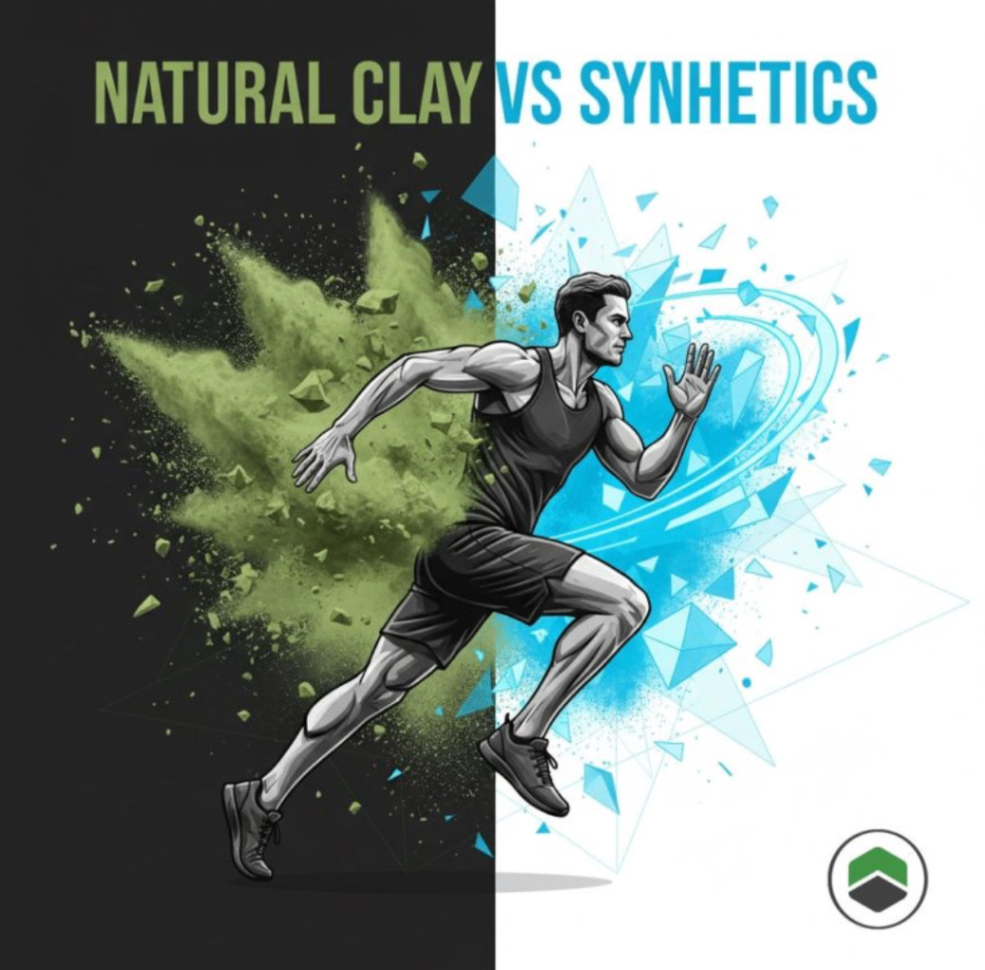
CLAYER is French green clay: a 100% natural mineral compound that's been used since ancient times for healing and recovery. Unlike synthetic painkillers, CLAYER works through ionic exchange, drawing out inflammatory compounds while delivering essential minerals your body needs to actually heal.
Think of it this way: acetaminophen tells your brain to ignore the pain. CLAYER addresses the root cause by reducing inflammation, absorbing toxins, and supporting your body's natural recovery process.
It's scientifically proven, doctor-recommended, and trusted by professional athletes who need real results: not just temporary relief. And because it's applied topically, it goes straight to the source of your pain without passing through your liver or digestive system.
Acetaminophen vs CLAYER: The Head-to-Head Breakdown
Source and Composition
Acetaminophen: Synthetic pharmaceutical compound created in a lab. First introduced in 1893, it became widely used in the 20th century as a fever reducer and pain reliever.
CLAYER: Natural mineral clay sourced from specific quarries in France. Healing clays have been used since ancient Egypt, while synthetic creams only became widespread in the 20th century. CLAYER is certified non-toxic and contains no artificial ingredients.
How They Work
Acetaminophen: Works in your central nervous system to block pain signals. The exact mechanism isn't fully understood, but it appears to affect COX pathways in your brain. Does NOT reduce inflammation: only masks pain and reduces fever.
CLAYER: Works through ionic exchange at the cellular level. The clay's negative charge attracts positively-charged inflammatory compounds, toxins, and impurities. Simultaneously delivers minerals like silica, magnesium, and calcium to support tissue repair and genuine healing.
Speed of Relief
Acetaminophen: Takes 30 minutes to 1 hour to kick in after you swallow the pill.
CLAYER: Many users report feeling relief within 15 minutes of application. Because it's applied directly to the affected area, it doesn't have to go through your digestive system first.
Anti-Inflammatory Properties
Acetaminophen: Zero. It won't reduce swelling, which means if inflammation is causing your pain (and it usually is), you're only treating the symptom.
CLAYER: Powerful anti-inflammatory action. Reduces swelling, which is often the real culprit behind pain, soreness, and limited mobility.
Application Method
Acetaminophen: Oral tablets or liquid. Goes through your entire digestive system and liver before it can work.
CLAYER: Topical application as a poultice. You apply it directly where it hurts: joints, muscles, bruises, inflammation. Target the pain, skip the organs.
Why CLAYER is the Better Choice
Let's be real: we've been conditioned to reach for pills first. But just because something is common doesn't mean it's the best option.
CLAYER is 100% natural and non-toxic. There's no risk of liver damage, no worrying about accidentally overdosing, and no synthetic chemicals entering your bloodstream. It's certified doping-free, which is why professional athletes trust CLAYER for their recovery.
CLAYER actually heals, not just masks. Acetaminophen tells your brain to ignore the pain signal. CLAYER reduces the inflammation causing that signal in the first place. One is a temporary bandaid. The other supports your body's natural healing process.
CLAYER works faster where you need it. Direct application means faster relief without waiting for a pill to dissolve, absorb, and circulate through your entire system.
No side effects or contraindications. People with liver issues, kidney problems, or those taking other medications need to be careful with acetaminophen. CLAYER? Apply it and go. No internal organs involved.

The Safety Factor You Can't Ignore
Here's something most people don't know: acetaminophen is the leading cause of acute liver failure in the United States. Not because it's inherently terrible, but because it's so common that people don't treat it with the respect it deserves. They take it for a headache, then take cold medicine that also contains it, then have a drink. Before they know it, they've exceeded the safe limit.
With CLAYER, that's simply not a concern. It's external. It's natural. Studies on French green clay show it's been safely used for centuries. And because it's certified non-toxic, you don't need to worry about contamination issues that can plague uncertified clays.
Recent research has shown that some healing clays not certified for purity can contain concerning levels of lead and other heavy metals. That's why choosing a certified product matters. CLAYER is rigorously tested and guaranteed safe.
Real-World Use Cases
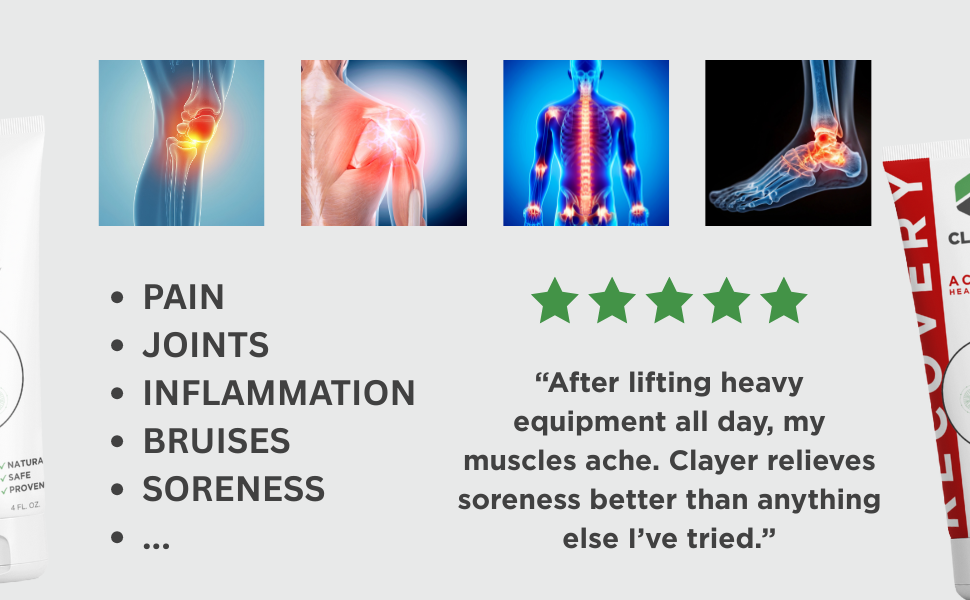
For Athletes: Whether you're a weekend warrior or a competitive athlete, inflammation is your enemy. CLAYER's anti-inflammatory properties help you recover faster so you can get back to training. That's why it's doctor-recommended for sports recovery.
For Chronic Pain: If you're dealing with arthritis, joint pain, or chronic muscle soreness, taking acetaminophen daily puts you at risk for liver damage. CLAYER gives you a natural alternative you can use as often as needed.
For Acute Injuries: Twisted ankle? Pulled muscle? Bruise? Acetaminophen won't reduce the swelling that's causing most of your discomfort. CLAYER addresses the inflammation directly, supporting faster healing.
For Everyday Aches: Sometimes you just overdid it at the gym or spent too long in the garden. Instead of reaching for synthetic pills, try a natural remedy that's been trusted for millennia.
The Bottom Line
Acetaminophen has its place: it's been around for over a century and helps millions of people. But it's not your only option, and for many types of pain and inflammation, it's not even your best option.
CLAYER offers something acetaminophen can't: natural, targeted relief that supports actual healing rather than just masking symptoms. No liver concerns. No risk of overdose. No synthetic chemicals. Just pure French green clay doing what it's done for thousands of years.
You deserve to know you have choices. You deserve solutions that work WITH your body, not just on it.
Ready to try the natural alternative? Check out CLAYER Recovery and experience the difference for yourself. It's scientifically proven, doctor-recommended, and trusted by champions.
Because moving forward means choosing what's best for your body( naturally.)


