
Aspercream vs Clayer
You've been reaching for that tube of Aspercream every time pain strikes. Maybe it's been your go-to for years. But here's the thing: more and more people are making the switch to Clayer, and they're not looking back. Why? Because they've discovered something that doesn't just mask the pain temporarily, but actually supports long-term recovery.
Let's break down what's really happening when you compare Aspercream vs Clayer, and why this natural alternative is changing the game for athletes, active individuals, and anyone seeking genuine relief.
What You're Actually Getting with Aspercream
Aspercream has been around for decades, sitting on pharmacy shelves as a quick fix for aches and pains. The formula typically relies on lidocaine (4% concentration) to numb nerve signals, or trolamine salicylate for joint pain relief. Some versions contain diclofenac, an NSAID that reduces inflammation.
Here's what happens: You apply it, feel some temporary numbing or cooling sensation, and the pain fades for a few hours. Then it comes back. And you apply more. The cycle continues.
The problem? Aspercream treats symptoms, not causes. It's a band-aid solution that doesn't address what's happening beneath your skin: the inflammation, the tissue damage, the toxins accumulating in painful areas.

The Clayer Difference: Natural Healing from Ancient Wisdom
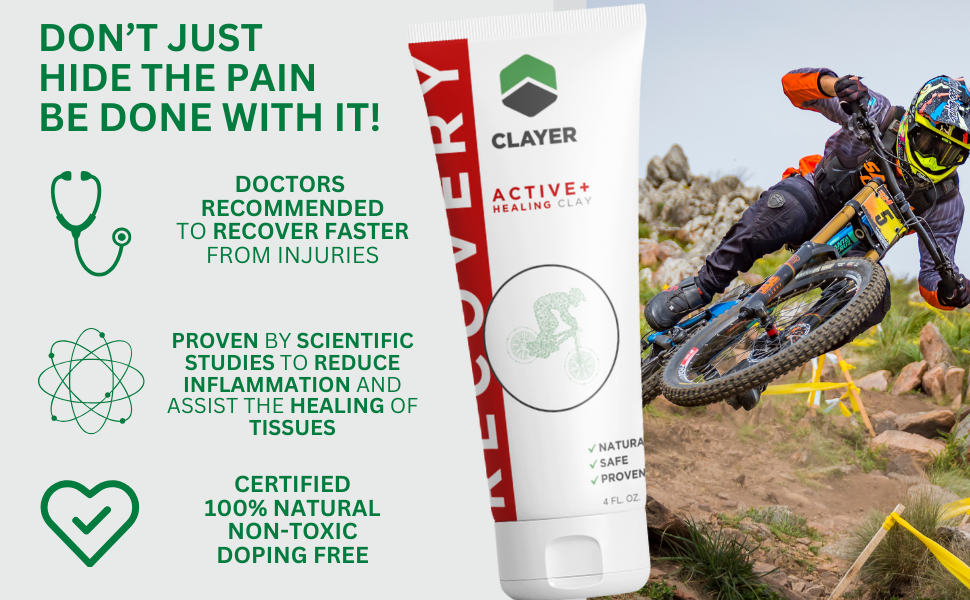
Clayer takes a completely different approach. Instead of synthetic chemicals that numb your nerves, Clayer uses certified non-toxic French green clay that's been trusted for centuries. This isn't just marketing fluff: scientific studies back up what traditional healers have known for generations.
Here's what makes Clayer fundamentally different:
- Absorbs toxins and impurities from deep within your tissues
- Reduces inflammation naturally through mineral-rich clay compounds
- Promotes actual tissue healing rather than just masking pain
- 100% natural, non-toxic, and doping-free
- Doctor recommended and trusted by professional athletes
When you apply Clayer Active+ Healing Clay, you're not just covering up the problem. You're giving your body the tools it needs to heal itself.
Head-to-Head: Aspercream vs Clayer
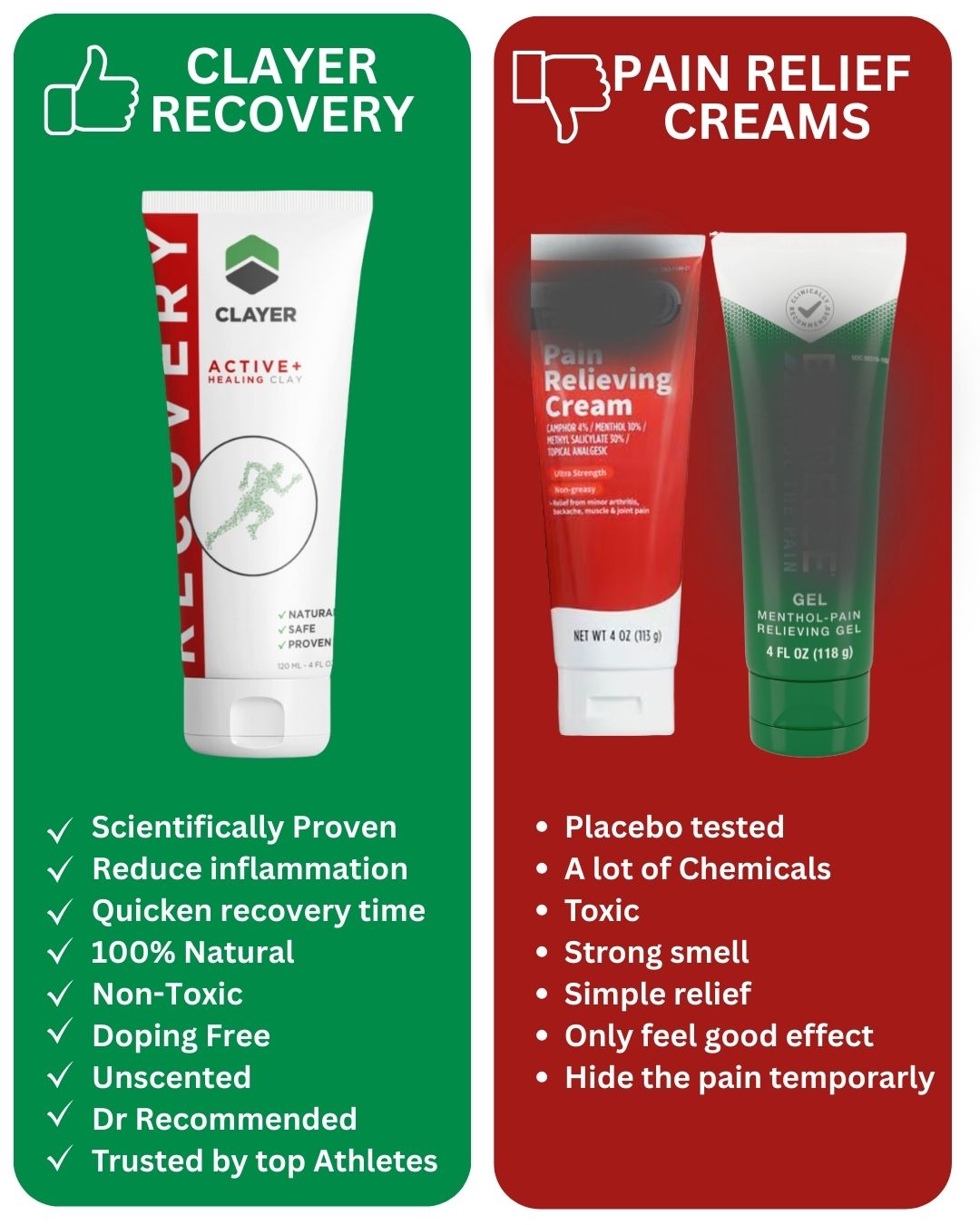
Let's get specific about how these two stack up:
Ingredient Safety
Aspercream: Contains synthetic active ingredients like lidocaine and potentially NSAIDs. While FDA-approved, these are chemical compounds that work by interrupting natural body processes.
Clayer: Certified non-toxic French green clay with no synthetic additives. Research shows why clay certification matters: uncertified clays can contain dangerous lead levels. Clayer is rigorously tested and scored 100/100 on Yuka, the independent health app.
How It Works
Aspercream: Numbs nerve endings or blocks pain signals. You feel less pain, but nothing is actually healing.
Clayer: Draws out toxins, reduces inflammation at the cellular level, and supports tissue regeneration. You feel relief AND you're actually recovering.
Long-Term Results
Aspercream: Temporary relief that requires repeated application. No cumulative healing benefit.
Clayer: Progressive improvement with consistent use. Many users report needing less product over time as their bodies actually heal.
For Athletes
Aspercream: Not approved for competitive sports in many cases due to active pharmaceutical ingredients.
Clayer: 100% doping-free and trusted by professional athletes across multiple sports. Recommended by sports medicine doctors.
Why Aspercream Users Are Making the Switch
The shift isn't happening because of clever marketing. It's happening because people are experiencing real, lasting results with Clayer that they never got from topical numbing creams.
Real User Experience
One customer shared: "I used Aspercream for years for my knee pain. Switched to Clayer and within 15 minutes felt relief: but this time, the pain stayed away longer. After two weeks, I barely need it anymore."
That's the difference. Aspercream users apply their cream multiple times daily, every single day. Clayer users often find they need less product as their recovery progresses.
The Science Behind the Switch
Studies on healing clays reveal something fascinating: certain clay minerals have natural antibacterial properties and can actually support cellular repair. Research from NSF demonstrates how clays interact with bacteria and toxins at a molecular level.
When you compare this to simple nerve-numbing agents, it's clear which approach offers genuine recovery support.
Cost-Effectiveness Over Time
Here's something most people don't consider: if you're using Aspercream 3-4 times daily indefinitely, you're spending significantly more over time than someone using Clayer, whose needs decrease as they actually heal.
Aspercream: Ongoing expense with no end in sight
Clayer: Investment in recovery that pays off as you need less product
What Makes Clayer the Better Choice for Long-Term Recovery
Beyond the comparison, let's talk about what you're actually gaining when you choose Clayer:
Natural Detoxification: Your body accumulates environmental toxins and metabolic waste in tissues. Clayer's absorbent properties draw these out, creating a cleaner environment for healing.
Mineral Support: French green clay contains minerals like magnesium, calcium, and silica that support tissue health. You're not just removing bad stuff: you're adding beneficial elements.
No Side Effects: Unlike pharmaceutical ingredients that can cause skin irritation, allergic reactions, or interactions with medications, Clayer is gentle and safe for extended use.
Versatile Application: While Aspercream is specifically for pain, Clayer can be used for sports recovery, first aid, skin issues, and more. One product, multiple benefits.
Professional Endorsement: Top athletes don't trust their careers to unproven products. The fact that professional sports performers choose Clayer speaks volumes.

Making the Switch: What to Expect
If you're ready to move beyond temporary numbing to real recovery, here's what the transition looks like:
Week 1: You'll notice relief similar to what you got from Aspercream, but it lasts longer. Some users report feeling a "pulling" sensation as the clay draws out toxins: this is normal and positive.
Weeks 2-3: Pain and inflammation decrease noticeably. You might find yourself reaching for the product less frequently.
Week 4 and Beyond: Many users report significant improvement in their underlying condition, not just symptom management.
The key difference? You're not dependent on constant application to function. You're actually recovering.
Your Body Deserves Real Recovery
Aspercream vs Clayer isn't just about two different products: it's about two completely different philosophies. One says "make the pain go away temporarily, whatever it takes." The other says "support your body's natural healing process with time-tested, natural ingredients."
The choice is yours. You can keep numbing the symptoms with synthetic chemicals, or you can give your body what it needs to actually heal.
Thousands of former Aspercream users have already made the switch to Clayer Active+ Recovery. They're not dealing with temporary relief anymore: they're experiencing genuine, long-term recovery.
Ready to experience the difference? Try Clayer risk-free with our money-back guarantee. Your future self: pain-free and actually recovered: will thank you.
Visit clayerworld.com or find us on Amazon to start your recovery journey today.


