
Beyond the Patch: What is Better Than Salonpas?
Ever peeled off a Salonpas patch and found sticky residue clinging to your skin like a bad relationship? Or worse, had it fall off mid-workout because sweat decided the adhesive wasn't strong enough?
Yeah, we've been there too.
Salonpas patches have been around forever, and sure, they offer some temporary relief. But let's be real: sticky patches are inconvenient, messy, and honestly pretty outdated when you consider what else is out there now. If you're looking for what is better than Salonpas, you're in the right place.
Let me introduce you to something that actually makes sense for active people who need real recovery: not just a Band-Aid solution.
The Problem with Patches
Salonpas patches work by delivering counterirritants like menthol and camphor through your skin. They create a cooling or warming sensation that temporarily distracts your brain from pain signals. It's not actually healing anything: it's just masking the discomfort.
Here's what makes patches frustrating:
They're sticky and messy. Adhesive residue stays on your skin long after you remove the patch. Good luck getting it off without scrubbing or using oil.
They don't stay put. Sweat, movement, or even just time can cause them to peel off at the edges or fall off completely. Ever lost a patch mid-run? Not fun.
They're visible and awkward. Wearing a patch under clothes can be uncomfortable, and wearing one where people can see it? Let's just say it's not the most confidence-inspiring look.
They only provide temporary relief. Salonpas doesn't address inflammation or promote actual tissue healing. Once the sensation wears off, the pain comes back.
Limited application areas. Good luck getting a flat patch to stick properly on curved areas like shoulders, knees, or ankles.
So what is better than Salonpas? Something that actually works with your body's natural healing process instead of just covering up the problem.

Why Rinse-Off Clay Changes Everything
Here's where things get interesting. What if instead of slapping on a sticky patch that does nothing for actual recovery, you could apply something that actively reduces inflammation, draws out toxins, and accelerates tissue healing: then simply rinse it off?
That's exactly what healing clay does.
CLAYER Active+ Healing Clay is a game-changer for anyone dealing with joint pain, muscle soreness, or sports injuries. It's a topical clay treatment you apply directly to the affected area, let it work its magic for 20-30 minutes, then rinse off. No sticky residue. No fallen patches. No half-measures.
Here's why clay beats patches every single time:
It Actually Heals
Unlike Salonpas, which just masks pain, healing clay goes straight to the source. The natural minerals in bentonite clay work to reduce inflammation at a cellular level and promote genuine tissue repair. Studies show that calcium bentonite clay has antimicrobial and anti-inflammatory properties that support the body's natural healing processes.
Doctors recommend CLAYER specifically because it delivers measurable results: not just temporary symptom relief.
Zero Mess, Maximum Convenience
Apply it. Let it dry. Rinse it off. Done.
No sticky residue lingering on your skin. No patches falling off during your workout or in the middle of the night. No awkward moments trying to explain why you're wearing a giant bandage on your shoulder.
CLAYER works while you shower, stretch, or just chill. Then it's gone: along with your pain.
Works on Any Body Part
Ever tried to get a flat patch to conform to your knee, elbow, or ankle? It's basically impossible. Patches are designed for flat surfaces, which means they fail on most of the areas where athletes actually need relief.
Clay molds to any shape. Shoulders, knees, curved joints, large muscle groups: you name it, clay conforms to it. You get full coverage exactly where you need it.
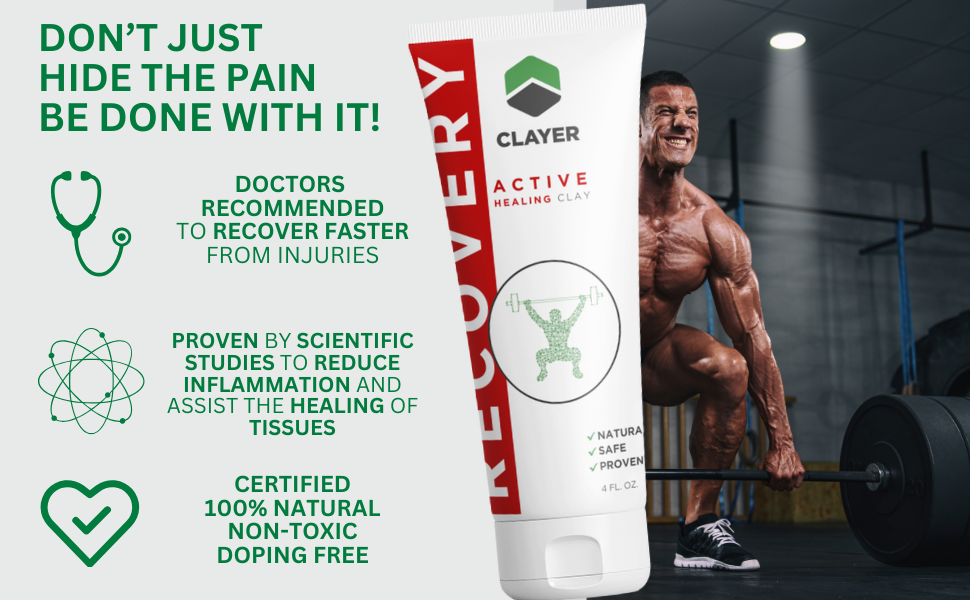
100% Natural and Non-Toxic
Salonpas contains synthetic chemicals and counterirritants. CLAYER? It's certified 100% natural, non-toxic, and doping-free. That matters: especially when you consider that some clays contain dangerous levels of lead if they're not properly sourced and tested.
CLAYER is certified safe. You're putting minerals on your skin that your body recognizes and can actually use. No weird chemicals. No questionable ingredients. Just pure, effective healing clay.
You See Results Fast
People report feeling relief in as little as 15 minutes. Not because CLAYER is masking the pain: because it's actively working to reduce the inflammation causing it.
Professional athletes trust CLAYER because when your body is your career, you can't afford to waste time on products that don't actually work.
What is Better Than Salonpas? A Head-to-Head Comparison
Let's break down exactly how CLAYER stacks up against Salonpas patches:
Pain Relief Mechanism:
- Salonpas: Counterirritants create sensation to distract from pain
- CLAYER: Reduces inflammation and promotes tissue healing at the source
Convenience:
- Salonpas: Sticky adhesive, leaves residue, can fall off
- CLAYER: Apply, wait, rinse: no mess, no residue
Application Areas:
- Salonpas: Limited to relatively flat surfaces
- CLAYER: Works on any body part, conforms to any shape
Ingredients:
- Salonpas: Synthetic chemicals and counterirritants
- CLAYER: 100% natural, certified non-toxic, doping-free
Duration of Relief:
- Salonpas: Temporary relief, pain returns when patch comes off
- CLAYER: Addresses root causes, provides lasting relief
Professional Endorsement:
- Salonpas: Over-the-counter drug product
- CLAYER: Doctor-recommended and used by pro athletes
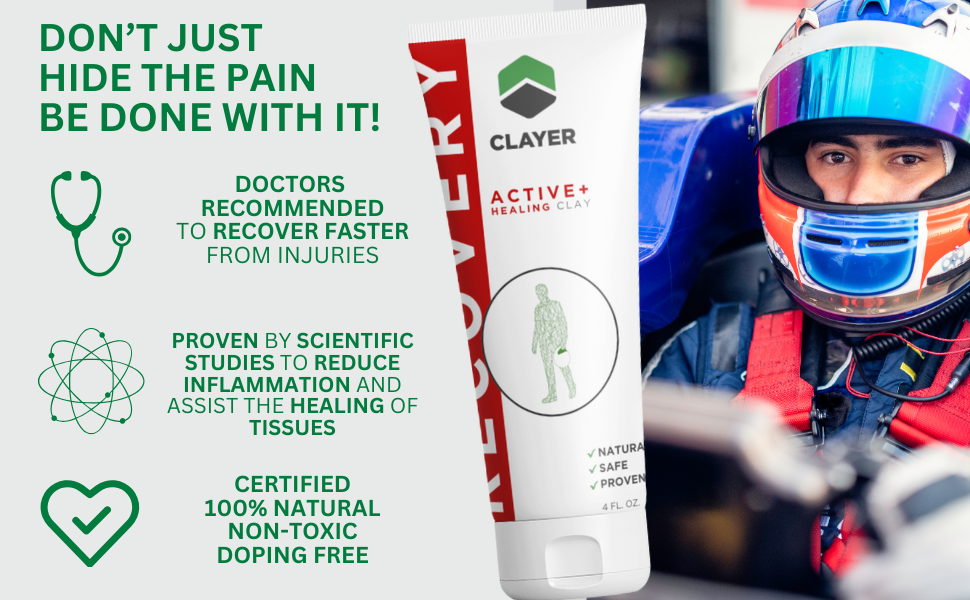
The choice is pretty clear. One product masks symptoms temporarily. The other actually helps your body heal.
Real Recovery, Not Just Pain Management
Here's the thing about patches: they're designed for pain management, not recovery. That's fine if you just need to get through a workday, but if you're an athlete, a weekend warrior, or someone dealing with chronic joint pain, management isn't enough.
You need actual healing.
CLAYER works because it delivers natural electrolytes and minerals directly to inflamed tissues. Your body uses these minerals to repair damaged cells, reduce swelling, and accelerate recovery. It's not a trick or a distraction: it's giving your body the tools it needs to heal itself properly.
The science behind healing clay isn't new. It's been used for thousands of years as an ancestral remedy. What is new is the certification and testing that ensures you're getting a pure, safe product that actually works.
Research shows that certain clays have antimicrobial properties, and studies on bentonite clay demonstrate its effectiveness in reducing inflammation and supporting tissue repair.
How to Use CLAYER for Maximum Results
Using CLAYER is ridiculously simple:
- Clean the area you want to treat
- Apply a generous layer of clay directly to your skin
- Wait 20-30 minutes while the clay works (it'll dry and may crack: that's normal)
- Rinse thoroughly with warm water
- Pat dry and go about your day
That's it. No wrapping. No taping. No worrying about patches falling off.
Use it after workouts, before bed, or whenever pain flares up. Some people use it daily as part of their recovery routine. Others use it as needed when specific areas start acting up.
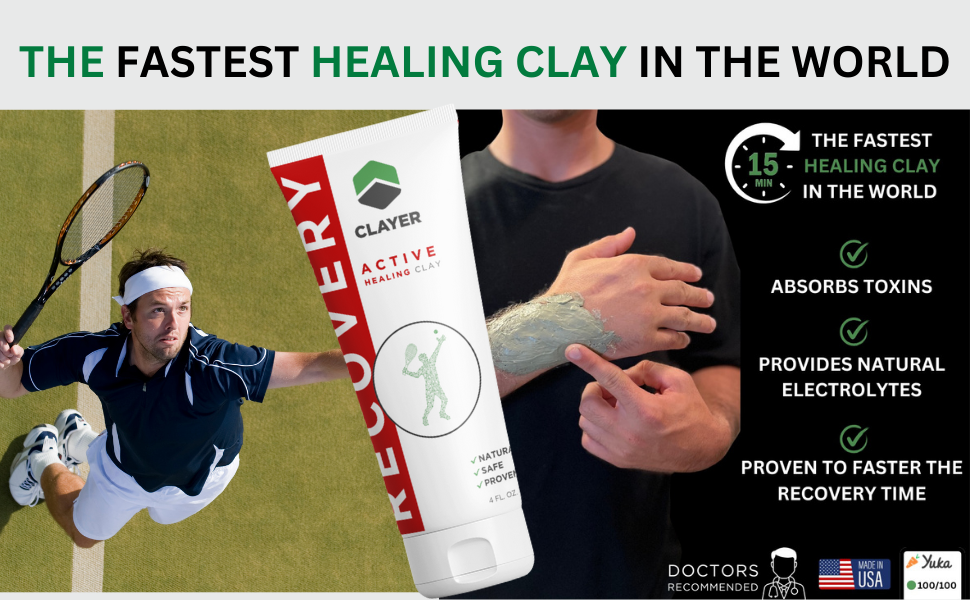
Make the Switch
You deserve better than sticky patches that don't actually help you recover. You deserve a solution that works with your body's natural healing process, not against it.
CLAYER Active+ Healing Clay is that solution. It's proven, it's natural, and it's trusted by professional athletes and sports doctors who demand real results.
Stop masking your pain. Start actually healing it.
Check out CLAYER's recovery products and experience what real recovery feels like. Your body: and your medicine cabinet: will thank you.
Because honestly? Life's too short for sticky patches that don't work.


