
Chronic vs. Acute Knee Pain: Knowing the Difference
What Is the Difference Between Chronic and Acute Knee Pain?
Acute knee pain is sudden, sharp pain caused by a specific injury or trauma that typically lasts less than six weeks. Chronic knee pain persists for three months or longer and often results from improper healing, underlying conditions like arthritis, or repetitive strain. The key difference comes down to timeline, cause, and how your body responds to treatment.
Understanding which type of knee pain you're experiencing isn't just about labeling your discomfort: it's about empowering yourself to choose the right recovery path. Whether you twisted your knee during a pickup basketball game or you've been dealing with nagging pain for months, knowing the difference helps you take control of your healing journey.
Acute Knee Pain: When It Hits Hard and Fast
Acute knee pain shows up uninvited and makes its presence known immediately. You know the moment it happens: maybe you pivoted wrong on the court, took a hard fall, or landed awkwardly during a run. That sharp, intense sensation that takes your breath away? That's acute pain telling you something just went wrong.
Common causes of acute knee pain include:
- ACL, MCL, or PCL tears
- Meniscus tears
- Patellar tendon injuries
- Ligament sprains
- Fractures or bone contusions
- Direct trauma from falls or collisions
The pain is typically localized to a specific area where the injury occurred. You'll often notice immediate swelling, difficulty bearing weight, and a significantly limited range of motion. Your knee might feel unstable, like it could give out at any moment.
Here's the good news: acute knee pain usually responds well to proper treatment. With the right approach, most acute injuries heal within a few weeks to six weeks. Your body's natural healing mechanisms kick into gear, inflammation helps protect the injured area, and with proper care, you can bounce back stronger.

Chronic Knee Pain: The Long-Term Challenger
Chronic knee pain is a different beast. It's that persistent ache that's become your unwanted companion for months: maybe even years. Unlike the sudden shock of acute pain, chronic knee pain develops gradually and often follows a progressive pattern that can seriously impact your quality of life.
What typically causes chronic knee pain:
- Osteoarthritis or rheumatoid arthritis
- Previous injuries that didn't heal properly
- Repetitive strain from overuse
- Bursitis or tendinitis
- Patellofemoral pain syndrome
- Misalignment or biomechanical issues
Chronic pain feels different too. It's often described as a dull, persistent ache that may intensify during certain activities. You might notice it starts only after vigorous exercise at first, but gradually it shows up after simpler activities: climbing stairs, sitting for long periods, or even just standing up from a chair.
The emotional toll of chronic knee pain shouldn't be underestimated. When pain becomes your daily reality, it affects your energy levels, your appetite, your mood, and your overall outlook on life. You deserve better than just "dealing with it."

How Your Body Tells the Story: Symptoms That Matter
Your knee is trying to tell you something: are you listening? The symptoms you experience reveal whether you're dealing with acute or chronic pain, and recognizing these signals empowers you to take the right action.
Acute knee pain symptoms:
- Sudden, sharp, intense pain at the moment of injury
- Rapid swelling (often within hours)
- Visible bruising
- Immediate difficulty bearing weight
- Popping or snapping sensation during injury
- Knee instability or "giving out"
Chronic knee pain symptoms:
- Gradual onset of dull, aching pain
- Stiffness, especially in the morning or after periods of inactivity
- Progressive loss of range of motion
- Pain that worsens with specific movements
- Swelling that comes and goes
- Grinding or clicking sensations
- Pain that affects larger areas over time
Pay attention to these patterns. Your body's feedback is incredibly valuable information that guides your recovery strategy.
Treatment Approaches: Short-Term Relief vs. Long-Term Management
Here's where understanding the difference between acute and chronic knee pain really pays off. The treatment approach that works for a fresh injury won't necessarily address long-standing pain, and vice versa.
For acute knee pain, the initial focus is on reducing inflammation and protecting the injured area while your body's natural healing processes do their work. Rest, ice, compression, and elevation (RICE) have their place in the immediate aftermath of injury. However, what accelerates your recovery is using treatments that actually support tissue healing at a cellular level.
This is where CLAYER comes in as a game-changer for acute injuries. Unlike synthetic pain relievers that simply mask symptoms, CLAYER Active Healing Clay works with your body's natural healing mechanisms. The certified non-toxic healing clay draws out toxins and impurities while reducing inflammation at the injury site: not just covering it up.
For chronic knee pain, you need a different strategy. Long-term management requires addressing the underlying issues while providing consistent relief that doesn't compromise your health. Many people fall into the trap of relying on over-the-counter pain medications or synthetic creams that only provide temporary symptom relief.
The reality? Overusing synthetic painkillers isn't sustainable and can lead to other health concerns. Your body deserves a natural, safe alternative that actually supports healing instead of just masking pain.
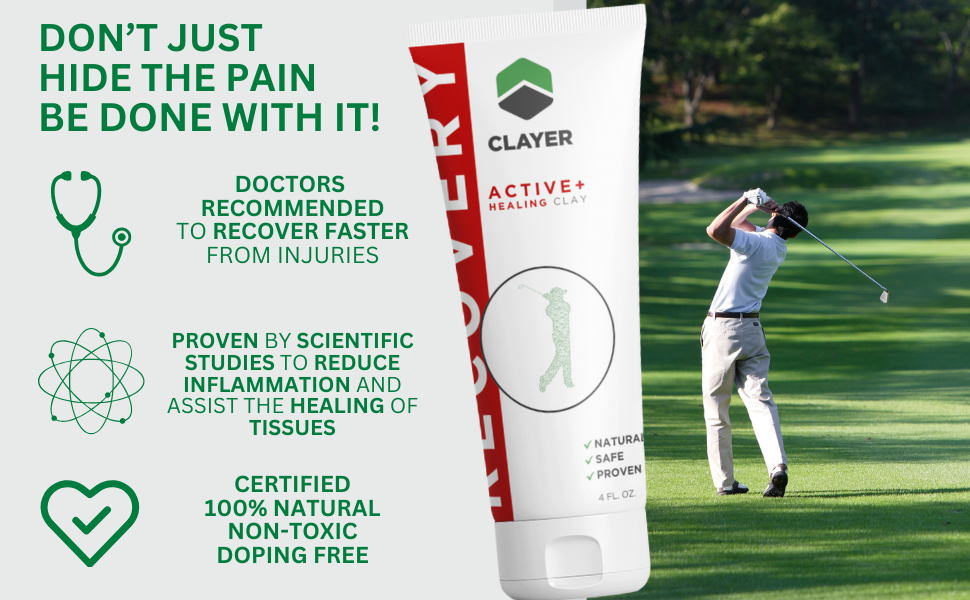
CLAYER is scientifically proven to reduce inflammation and improve tissue healing: making it ideal for both flare-ups and ongoing management of chronic knee pain. Trusted by doctors and professional athletes, it's the 100% natural, doping-free solution that empowers you to take control of your recovery without compromising your health.
When to Use CLAYER: Your Recovery Timeline
For acute knee injuries (first 6 weeks):
Apply CLAYER immediately after the initial ice therapy phase: typically 24-48 hours post-injury. The healing clay accelerates recovery by reducing inflammation and swelling more effectively than conventional creams. Apply a generous layer directly to the affected area 2-3 times daily. You'll notice the difference as the clay draws out impurities and supports your body's natural healing response.
For chronic knee pain (3+ months):
Make CLAYER part of your daily recovery routine. Apply it before bed to wake up with reduced stiffness, or use it before and after activities that typically trigger pain. The beauty of CLAYER is that it's 100% natural and non-toxic, so you can use it as often as needed without worrying about side effects or building dependency.
Many users report significant relief after their first application, with continued improvement as they incorporate CLAYER into their regular wellness routine. One satisfied customer shared: "I've tried everything for my chronic knee pain. CLAYER is the only thing that provides real, lasting relief without chemicals."
The CLAYER Advantage: Why Natural Healing Wins
What makes CLAYER different from the dozens of pain relief products lining pharmacy shelves? It actually addresses the root cause instead of just masking symptoms.
Most conventional creams only provide temporary surface-level relief. CLAYER Healing Clay absorbs toxins and impurities while delivering minerals that support tissue repair and regeneration. It's the difference between putting a bandaid on a wound and actually helping it heal.
Key benefits for both acute and chronic knee pain:
- Doctor recommended for faster injury recovery
- Scientifically proven to reduce inflammation and improve tissue healing
- 100% natural, non-toxic, and doping-free: safe for athletes at any level
- Unscented formula: no harsh chemicals or artificial fragrances
- Works with your body, not against it
Whether you're dealing with a fresh injury or managing long-term pain, you deserve a solution that's as committed to your health as you are to your recovery.
Take Control of Your Knee Health Today
You don't have to accept pain as your new normal. Whether you're nursing an acute injury or managing chronic discomfort that's been holding you back, understanding the difference between these two types of pain empowers you to choose the right path forward.
Stop masking symptoms with synthetic solutions that don't address the underlying issues. Your body is built to heal: give it the natural support it needs with CLAYER Active Healing Clay.
Ready to experience the difference? Join thousands of athletes and active individuals who've discovered what real recovery feels like. Your journey back to pain-free movement starts now.
Prioritize your health and well-being: because you deserve to move through life without limitations. Check out CLAYER's full range of recovery products and discover how natural healing clay can transform your recovery journey.


