
Doctor Recommendations for Soreness: Why Clayer is the Natural Go-To
Ever wondered why your doctor might suggest something natural before reaching for synthetic pain relievers? Here's the thing: more and more healthcare professionals are realizing that nature had the recovery game figured out long before we started manufacturing pills in labs.
Doctor recommendations for soreness are changing, and clay-based remedies are leading the charge. If you've got bruises that won't quit, post-workout soreness that's slowing you down, or inflammation that's making everyday movement uncomfortable, this is your guide to understanding why physicians are pointing their patients toward Clayer's natural healing clay.
Why Doctors Are Recommending Clayer for Soreness
Let's cut to the chase: doctors recommend Clayer because it works: and they've got the science to back it up.
When you apply Clayer's healing clay to sore muscles or bruised tissue, you're not just masking the pain. You're actually supporting your body's natural healing process. The clay contains natural electrolytes that draw out toxins and reduce inflammation at the cellular level. Research shows that French green clay can significantly reduce inflammatory markers and speed up tissue repair.
Here's what makes doctor recommendations for soreness different when they suggest Clayer:
- No chemical load on your liver or kidneys – Unlike NSAIDs that your organs have to process, topical clay works externally
- Reduces inflammation naturally – Studies demonstrate measurable decreases in swelling and pain markers
- Safe for repeated use – You're not risking gastrointestinal issues or developing tolerance
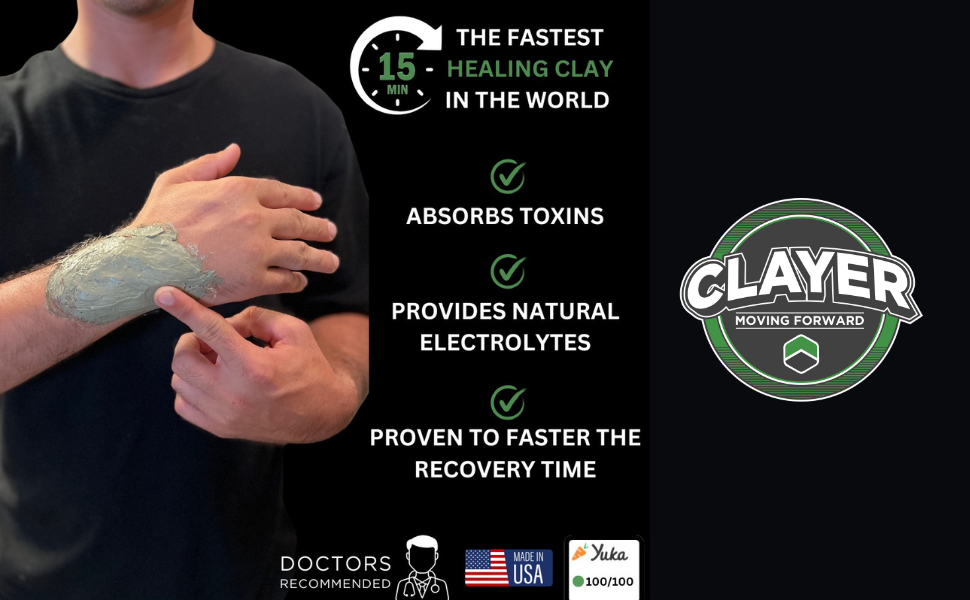
- Works within 15 minutes – Fast-acting relief when you need it most
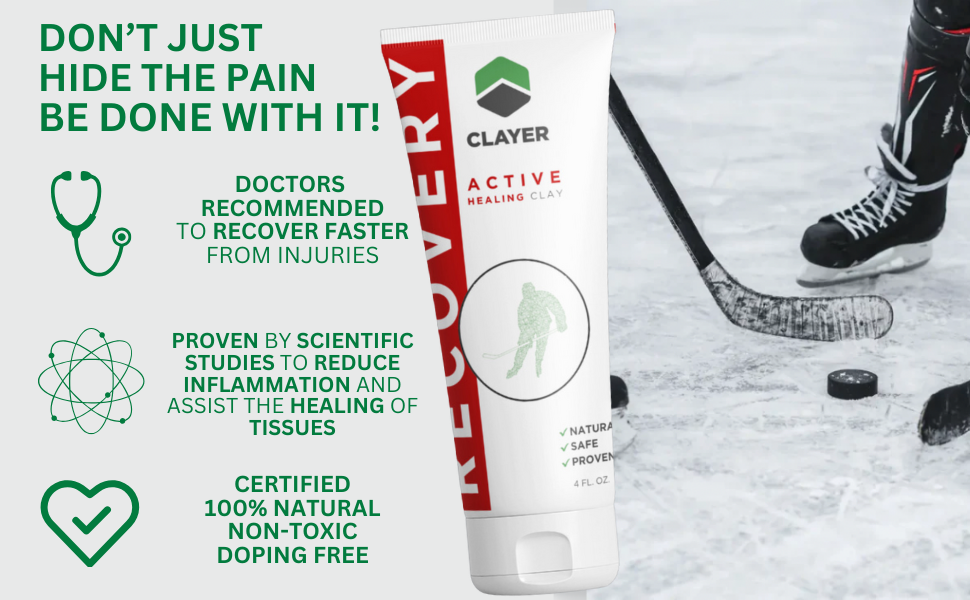
Healthcare professionals who specialize in sports medicine particularly appreciate that Clayer is certified non-toxic and doping-free. That means athletes can use it confidently without worrying about testing positive for banned substances.
The clay's unique composition: rich in minerals like magnesium, calcium, and potassium: creates an electrical charge that literally pulls inflammatory compounds away from injured tissue. Think of it like a magnet for the bad stuff your body needs to clear out to heal properly.
Why Not Just Grab Any Pain Relief Product?
Great question. Not all soreness solutions are created equal, and your doctor knows it.
The problem with conventional topical pain relievers:
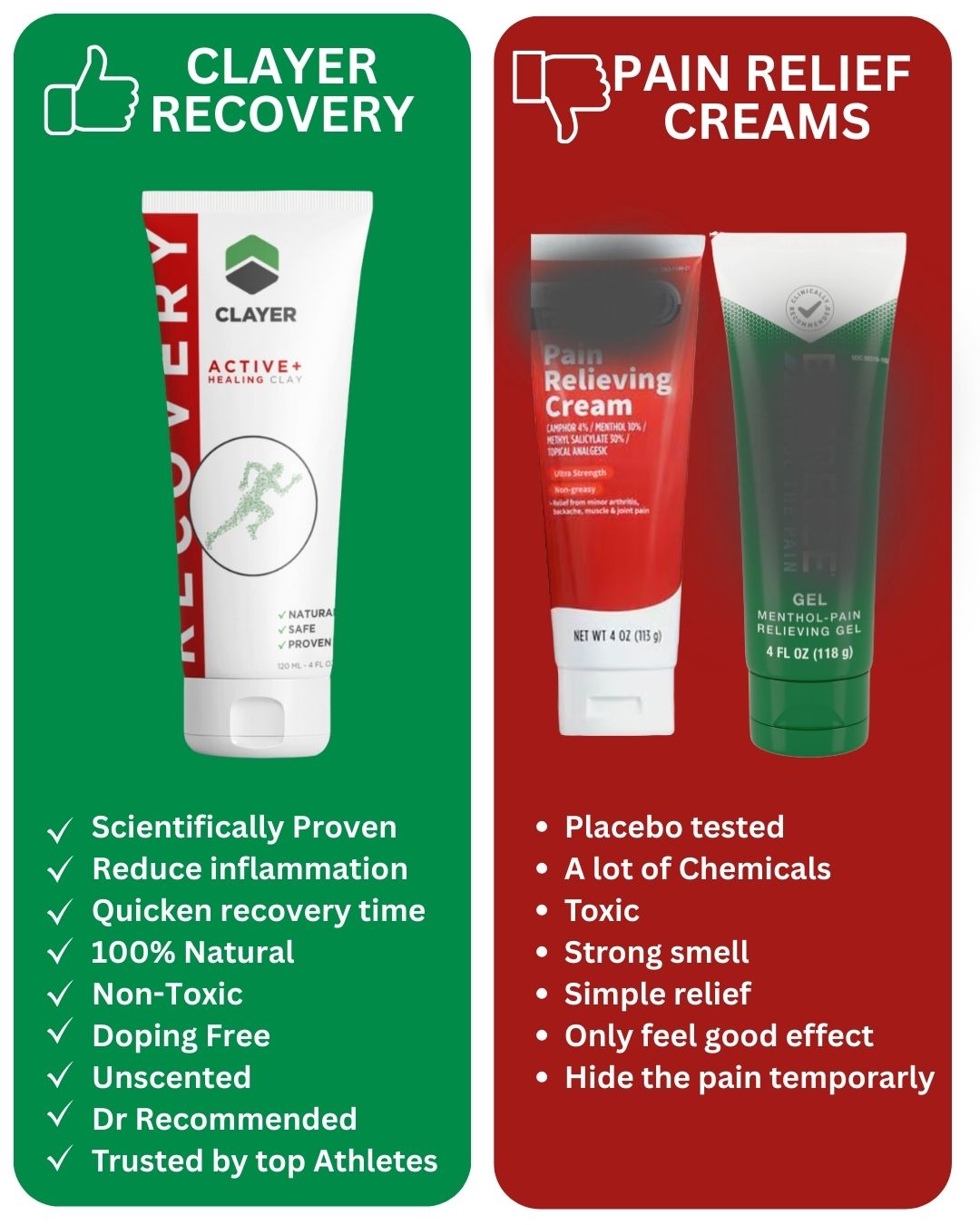
Most over-the-counter creams and gels contain synthetic active ingredients that can come with side effects. Menthol-based products might feel cooling, but they're essentially creating a distraction: tricking your nerves into feeling cold instead of pain. They're not actually reducing inflammation or supporting tissue repair.
And here's something most people don't know: Many healing clays on the market aren't certified for purity. Studies have shown that some clay products contain dangerous levels of lead and heavy metals. That's not exactly what you want when you're trying to heal, right?
Research published in the National Institutes of Health found concerning lead levels in various clay products. This is exactly why doctor recommendations for soreness specifically point to certified products like Clayer.
Why Clayer is different:
- 100% natural and certified non-toxic – Third-party tested for purity
- No synthetic chemicals – Your skin won't absorb questionable ingredients
- Unscented – No artificial fragrances causing additional skin irritation
- Made in the USA – Strict quality control standards
- Perfect 100/100 Yuka score – Independent health app verification
When doctors recommend Clayer, they're choosing a product that won't add to your toxic load or interfere with other treatments you might be using.
When to Use Clayer for Specific Soreness and Injuries
Timing matters. Here's when doctor recommendations for soreness include reaching for your tube of Clayer:
For Post-Workout Soreness
Apply Clayer immediately after intense training or within the first few hours. The clay helps reduce the inflammatory cascade that causes delayed onset muscle soreness (DOMS). Don't wait until you're already stiff: prevention is easier than treatment.
Best practice: Apply a generous layer to sore muscle groups, leave on for 20-30 minutes, then rinse. You can do this daily during heavy training periods.
For Bruises and Impact Injuries
Bruises are basically internal bleeding: blood vessels break and leak into surrounding tissue. Clayer's negative electrical charge helps draw excess fluid away from the bruised area, reducing swelling and that deep, achy pain.
Application for bruises: Apply as soon as possible after impact. The earlier you start, the better. Reapply 2-3 times daily until discoloration fades. Many users report bruises healing 30-50% faster with consistent use.
For Joint Soreness and Inflammation
Chronic joint pain from arthritis, overuse, or old injuries responds well to regular Clayer application. The anti-inflammatory properties work on surface joints (knees, elbows, wrists, ankles) where topical treatment can effectively penetrate.
When to apply: Before bed is ideal for joint soreness. Apply a thick layer, wrap with a light bandage if needed, and leave on overnight. Your body does most of its repair work while you sleep anyway: give it extra support.
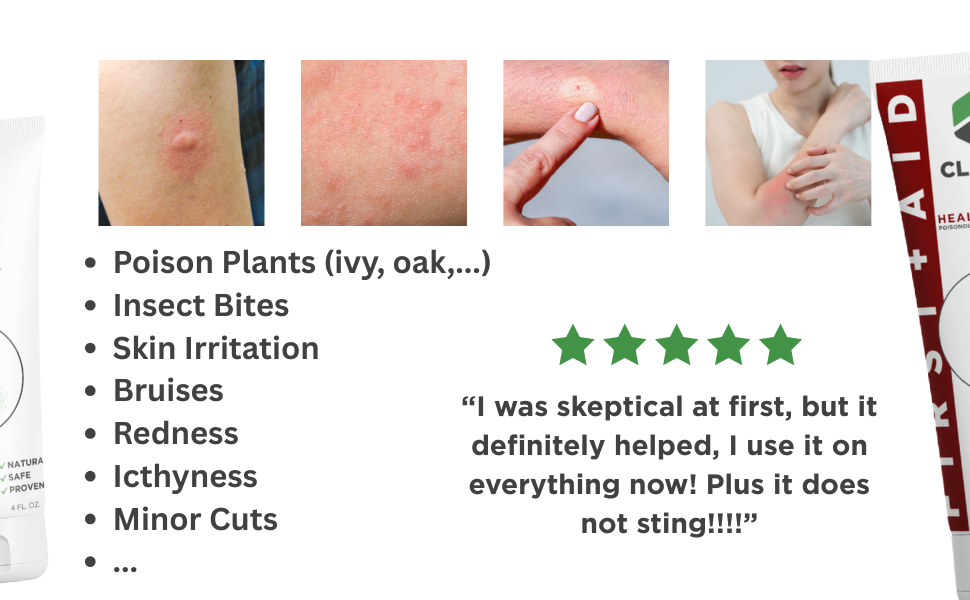
For Minor Cuts, Scrapes, and Skin Irritation
Clayer isn't just for deep soreness. The same antimicrobial properties that reduce inflammation also help minor wounds heal cleanly. Studies show that certain clays can kill harmful bacteria while leaving beneficial skin flora intact.
First-aid application: Clean the wound, apply a thin layer of Clayer First Aid, and cover if needed. Reapply once or twice daily until healed.
The Facts: How Clay Actually Works on Sore Tissue
Let's get into the science without making your eyes glaze over.
Fact #1: Ion Exchange Is Real
French green clay has a negative electrical charge. Toxins, excess fluid, and inflammatory compounds have positive charges. When you apply the clay, basic chemistry happens: opposites attract. The clay binds to inflammatory markers and literally pulls them out of your tissue.
Fact #2: Mineral Content Supports Healing
Clayer contains naturally occurring minerals your cells need for repair:
- Magnesium – Reduces muscle tension and supports enzyme function
- Calcium – Essential for tissue regeneration
- Potassium – Regulates cellular fluid balance
- Silica – Supports collagen production
These minerals are bioavailable through your skin. When tissues are injured, they're hungry for these building blocks.
Fact #3: It Increases Microcirculation
Studies show that clay application increases blood flow to the treated area. More blood means more oxygen and nutrients reaching injured cells, and faster removal of metabolic waste. This is why the area might feel slightly warm during treatment: that's increased circulation doing its job.
Fact #4: Professional Athletes Trust It
Doctor recommendations for soreness often come with real-world validation. Pro athletes across multiple sports use Clayer because they need solutions that work fast and won't disqualify them from competition. Their careers depend on rapid, effective recovery: they're not messing around with products that don't deliver.
Fact #5: It's Backed by Research
Multiple studies on French green clay and bentonite clay demonstrate measurable anti-inflammatory effects. You can review detailed ingredient studies showing how these clays reduce pro-inflammatory cytokines and support tissue healing at the molecular level.
This isn't folk medicine that someone's grandmother swears by (though plenty of grandmothers were onto something). This is ancestral wisdom validated by modern science.
Making Doctor Recommendations Work for You
Here's how to maximize the benefits when using Clayer for soreness:
Start clean. Wash the affected area before applying. You want the clay making contact with your skin, not dirt and oil.
Apply generously. Don't be stingy. A thick layer (about 1/8 inch) works better than a thin smear. The clay needs enough contact time to do its job.
Be consistent. One application might help, but doctor recommendations for soreness typically suggest regular use for chronic issues. Make it part of your recovery routine.
Combine with other healthy practices. Clay works great, but it's not magic. Stay hydrated, get adequate sleep, eat anti-inflammatory foods, and move gently. Your doctor is probably telling you this stuff anyway: listen to them.
Track your progress. Take note of how quickly bruises fade, how your soreness levels change, how your range of motion improves. This gives you real data about what's working.
Your Next Step Toward Natural Recovery
Doctor recommendations for soreness are clear: when you want fast, effective relief without synthetic chemicals or side effects, natural healing clay delivers.
Whether you're dealing with workout soreness, bruises from weekend warrior adventures, chronic joint pain, or everyday bumps and scrapes, Clayer's recovery products give you a solution that actually supports your body's healing process.
Your doctor wants you to recover safely and effectively. You want to feel better without worrying about what you're putting on (or in) your body. Clayer bridges that gap perfectly.
Ready to experience the difference? Check out Clayer on Amazon or explore the full range at clayerworld.com. Your sore muscles will thank you: and so will your doctor.
Because at the end of the day, the best medicine is the one that works with your body, not against it. That's exactly what doctor recommendations for soreness are all about.


