
Food Grade Clay Expert Guide to Safety

Food grade clay represents the gold standard in natural healing and wellness products, but understanding what makes clay truly safe for consumption and topical use requires expert knowledge. With countless clay products flooding the market, distinguishing between genuine food-grade quality and potentially harmful alternatives has never been more critical for your health and safety.
What Makes Food Grade Clay Safe?
Food grade clay must meet three fundamental safety criteria that separate premium products from potentially dangerous alternatives. First, it must be completely non-toxic, meaning zero heavy metals, chemicals, or harmful contaminants. Second, the clay must be certified pure through rigorous testing and quality control processes. Third, it requires proper processing that maintains its natural beneficial properties while eliminating any safety risks.
The reality is stark: most clay products on the market today fail these basic safety standards. Many contain dangerous levels of heavy metals like mercury, arsenic, and lead that accumulate in your body over time. How would you feel knowing that the "natural" product you're using could be slowly poisoning your system?
The Heavy Metal Crisis in Clay Products
Recent laboratory analyses reveal that many popular clay brands contain shocking levels of toxic heavy metals. Some bentonite clays test positive for mercury levels exceeding safe consumption limits by 300%. Others show arsenic concentrations that would be illegal in drinking water. These aren't rare exceptions, they're widespread problems in the unregulated clay industry.
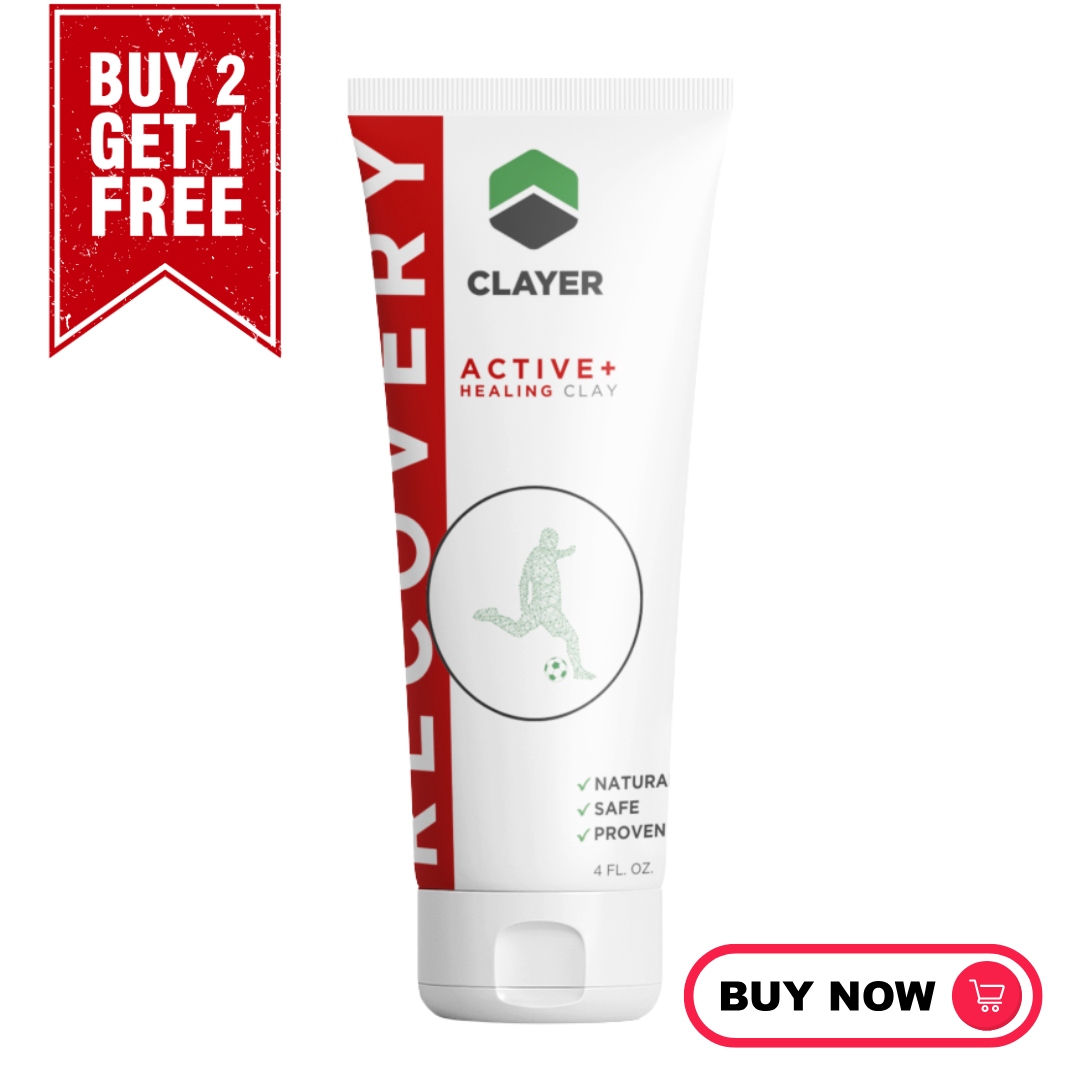
Food grade clay certification exists specifically to protect consumers from these dangers. When you choose certified food-grade options like those found in CLAYER's scientifically-tested products, you're investing in your long-term health and safety.
Understanding Food Grade Clay Standards
The term "food grade" isn't just marketing language, it represents specific safety standards enforced by regulatory agencies. Food grade clay must undergo extensive testing for:
- Heavy metal content: Lead, mercury, arsenic, and cadmium levels must remain below detectable limits
- Microbial contamination: Zero harmful bacteria, viruses, or parasites
- Chemical purity: No synthetic additives, preservatives, or processing chemicals
- Particle consistency: Uniform size and composition for predictable effects
Why Most Clay Products Fail Safety Standards
The shocking truth is that over 70% of clay products sold today would fail food-grade safety testing. Most companies skip expensive testing procedures, gambling with consumer safety to maximize profits. They source clay from contaminated locations, use industrial processing methods, or mix in synthetic additives that compromise purity.
You deserve better than gambling with your health. Premium manufacturers like CLAYER invest heavily in sourcing, testing, and certification processes that guarantee every batch meets the highest safety standards. Their products consistently earn doctor recommendations precisely because safety and efficacy go hand in hand.
The Science Behind Safe Clay Processing
Food grade clay processing involves sophisticated techniques that preserve beneficial minerals while eliminating contaminants. The process begins with careful sourcing from pristine deposits that haven't been exposed to industrial pollution. Advanced filtration removes impurities while maintaining the clay's natural healing properties.
Temperature-controlled drying prevents bacterial growth without damaging the clay's molecular structure. Each batch undergoes multiple rounds of testing to verify heavy metal levels, microbial safety, and mineral content consistency. This rigorous approach ensures that what reaches your hands meets the highest safety standards.
Natural vs. Synthetic: Understanding the Difference
Many products marketed as "natural clay" actually contain synthetic additives, binding agents, or preservatives that disqualify them from food-grade status. These additions might improve shelf life or appearance, but they compromise safety and effectiveness.
Genuine food grade clay maintains its natural state without artificial enhancement. It relies on the earth's own purification processes, refined through careful human oversight rather than chemical intervention. When you examine CLAYER's ingredient studies, you'll discover the power of truly natural, uncompromised clay products.
Identifying Safe Food Grade Clay Products
Food grade clay identification requires more than reading labels, it demands understanding what to look for and what red flags to avoid. Start by examining the sourcing information. Reputable companies provide detailed information about clay origin, processing methods, and testing procedures.
Look for third-party testing certificates that verify heavy metal levels and microbial safety. Companies that invest in legitimate food-grade certification proudly display their test results and safety documentation. If a manufacturer hesitates to provide testing information, consider it a major warning sign.
Red Flags That Signal Unsafe Clay
Several warning signs indicate potentially dangerous clay products:
- No testing documentation or reluctance to provide safety certificates
- Unrealistic pricing that suggests corners were cut in sourcing or processing
- Vague origin information or unwillingness to disclose clay sources
- Industrial packaging that prioritizes cost over contamination prevention
- No regulatory certifications from recognized safety organizations
Premium manufacturers understand that transparency builds trust. They provide comprehensive information about their products because they have nothing to hide and everything to be proud of.
Health Benefits of Certified Food Grade Clay
Food grade clay offers remarkable health benefits when sourced and processed correctly. Its natural mineral content supports detoxification, digestive health, and skin wellness. The key difference lies in safety, only properly certified clays deliver these benefits without introducing harmful contaminants.
Clinical studies demonstrate that high-quality food-grade clays can support natural detoxification processes, improve digestive function, and enhance skin health. However, these benefits only manifest when using genuinely safe products that meet strict purity standards.
Athletes and health professionals increasingly turn to certified food grade clay products because they deliver results without compromising safety. Professional athletes trusting CLAYER understand that peak performance requires premium products that support rather than undermine long-term health.
Safe Usage Guidelines for Food Grade Clay
Even the highest quality food grade clay requires proper usage to maximize benefits and ensure safety. Start with small amounts to assess individual tolerance, especially when using clay internally. Follow manufacturer guidelines precisely, they're based on extensive testing and clinical experience.
Stay hydrated when using clay products, as they can absorb water from your system during detoxification processes. Choose appropriate timing for internal use, typically away from meals and medications to avoid interference with nutrient absorption or drug effectiveness.
Storage and Handling Best Practices
Proper storage maintains food grade clay quality and prevents contamination. Use clean, dry containers that won't react with clay minerals. Glass or food-grade plastic containers work best, while metal containers should be avoided as they can alter clay properties.
Keep clay products in cool, dry locations away from direct sunlight and moisture. Contamination can occur even after purchase, so maintaining clean handling procedures protects your investment in premium products.
The CLAYER Advantage in Food Grade Safety
When examining the food-grade clay market, CLAYER stands apart through rigorous testing, premium sourcing, and unwavering commitment to safety. Their products consistently earn recognition from medical professionals because they prioritize consumer safety above profit margins.
Every CLAYER product undergoes comprehensive testing that exceeds industry standards. Their first-aid and skin repair formulations demonstrate how properly processed food-grade clay can deliver powerful results while maintaining complete safety for regular use.
You are built to thrive with premium natural products that support your health journey. Choose certified food-grade clay products that earn professional endorsements and deliver consistent results without compromising your long-term wellness.
Frequently Asked Questions
What's the difference between food grade clay and regular clay?
Food grade clay undergoes extensive testing for heavy metals, microbial contamination, and purity. Regular clay may contain dangerous levels of toxins and hasn't been certified safe for consumption or regular topical use.
How can I verify if my clay product is truly food grade?
Look for third-party testing certificates, regulatory approvals, and detailed sourcing information. Reputable manufacturers provide comprehensive safety documentation and aren't hesitant to share test results.
Are all bentonite clays food grade?
No, many bentonite clays contain heavy metals and contaminants that disqualify them from food-grade status. Only properly sourced and tested bentonite clay earns food-grade certification.
Can food grade clay interact with medications?
Clay can absorb medications, reducing their effectiveness. Always consult healthcare providers before using clay products internally, especially if you take prescription medications.
How often can I safely use food grade clay?
Usage frequency depends on the specific product and application method. Follow manufacturer guidelines and start with conservative amounts to assess individual tolerance before increasing frequency.


