
Healing Cuts, Abrasions, and Turf Burn: Pro Strategies for Every Athlete
Healing cuts, abrasions, and turf burn doesn't have to sideline you for weeks. When you're pushing your limits on the field, court, or track, minor injuries are inevitable: but how you treat them in those critical first moments determines whether you're back in action in days or stuck watching from the bench. Modern sports medicine has revolutionized wound care, proving that the right approach can cut recovery time from three weeks down to just 7-10 days.
Professional athletes know that healing cuts, abrasions effectively isn't just about cleaning and covering: it's about creating the optimal environment for your body's natural recovery mechanisms. The difference between amateur and pro-level wound care lies in understanding the science behind tissue repair and having access to proven, natural solutions that work with your body, not against it.
The Critical First 15 Minutes Protocol
Those first fifteen minutes after sustaining cuts, abrasions, or turf burn represent your window of opportunity to set the stage for optimal healing. Stop the activity immediately: continuing to play while bleeding invites contamination and can extend your recovery timeline significantly.
Your priority is thorough wound cleaning using clean water or saline solution. Remove any debris such as grass, dirt, or rubber particles from turf burns, but be gentle: you're caring for tissue that needs to regenerate. For stubborn debris, a soft gauze pad soaked in saline can help lift particles away without further damaging the skin.
Apply gentle, direct pressure with a clean cloth or sterile gauze to control bleeding. Most athletic cuts and abrasions will stop bleeding within minutes with proper pressure, but resist the urge to keep lifting the bandage to check: let the clotting process work uninterrupted.
Professional athletes trust CLAYER's first-aid healing clay solutions because they know that immediate application of natural, toxin-absorbing clay can significantly impact healing speed and reduce inflammation from the very first moment.
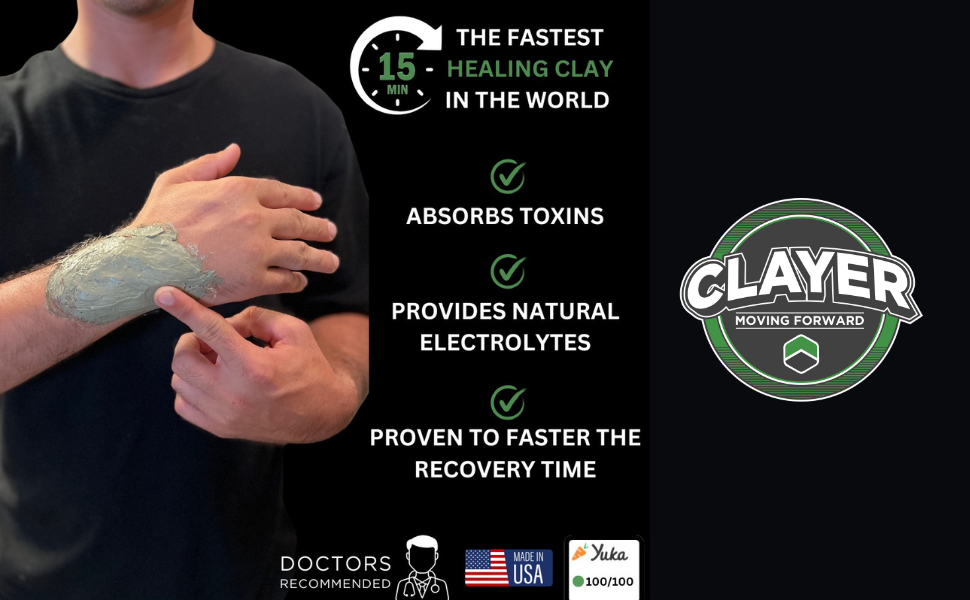
CLAYER's rapid-action healing clay works within 15 minutes to absorb toxins and accelerate recovery
The Moist Healing Revolution
Forget everything you thought you knew about keeping wounds dry. Modern sports medicine has proven that moist wound environments heal up to 50% faster than dry ones, according to research published in the Journal of Wound Care. This represents one of the most significant advances in wound care, yet many athletes still default to letting wounds "air out" completely.
Maintaining controlled moisture is absolutely critical for faster healing and reduced scarring. Traditional petroleum-based products can trap bacteria, but natural clay solutions like CLAYER create the ideal moist environment while simultaneously drawing out toxins and impurities that could compromise healing.
The science is clear: wounds heal faster when kept moist because it allows cells to migrate more easily across the wound surface, promotes angiogenesis (new blood vessel formation), and prevents the formation of thick, inflexible scabs that can crack and reopen.
Professional-Grade Daily Maintenance
Your wound needs consistent, intelligent attention to heal properly. Establish a non-negotiable routine that takes just minutes but saves you days of recovery time.
Morning Assessment (5 Minutes)
Gently clean around the wound with saline solution and inspect for signs of infection: increased redness extending beyond the wound edges, warmth, swelling, or purulent discharge. Apply fresh antimicrobial protection using natural clay that's been recommended by sports doctors for its proven ability to reduce inflammation and accelerate healing.
Post-Workout Protocol
Change dressings after every training session, even if they appear clean. Sweat and movement can compromise protective barriers and create opportunities for bacterial contamination. CLAYER's healing clay maintains its protective properties even under intense physical stress, making it the preferred choice for athletes who can't afford downtime.
Evening Routine
Remove old dressing carefully, clean the area again, and allow brief air exposure before reapplying protection. Use breathable medical tape or wrap to secure everything in place: tight enough to withstand movement but not so restrictive that it compromises circulation.

What Champions Avoid
Never pick at scabs that form as wounds heal. Removing scabs prematurely delays healing by weeks and increases scarring risk significantly. The Mayo Clinic emphasizes that interference with the natural healing process is one of the primary causes of prolonged recovery times.
Avoid direct sun exposure on healing wounds, which can dry out tissue and cause irritation. If you're training outdoors, ensure wounds are well-covered and protected. Traditional adhesive bandages that stick directly to wounds should be eliminated from your kit: they damage healing tissue when removed and can set back recovery by days.
Professional athletes who trust CLAYER understand that natural, non-toxic healing solutions provide superior protection without the harsh chemicals found in conventional treatments that can actually slow healing.
Advanced Recovery Strategies
For athletes demanding faster results, several advanced protocols exist beyond basic wound care. The foundation remains the same: create optimal conditions for your body's natural healing mechanisms while supporting the process with proven natural interventions.
Strategic Cold Therapy: Apply cold (not ice directly) to surrounding tissue to reduce inflammation while maintaining healthy circulation to the wound area. This approach reduces secondary tissue damage without compromising the healing environment.
Nutritional Optimization: Your body needs specific building blocks for tissue repair. Increase intake of vitamin C, zinc, and high-quality proteins. Studies show that athletes with optimal nutritional status heal 40% faster than those with deficiencies.
Sleep Quality: Tissue repair happens primarily during deep sleep phases. Prioritize 7-9 hours of quality sleep, as growth hormone release during these phases directly impacts healing speed.
The CLAYER Advantage for Athletic Recovery
What sets elite athletes apart isn't just their training: it's their commitment to recovery protocols that actually work. CLAYER's healing clay represents the gold standard in natural wound care because it addresses multiple aspects of healing simultaneously:
- Rapid toxin absorption within 15 minutes of application
- Natural electrolyte delivery to support cellular repair
- Scientifically proven inflammation reduction without harsh chemicals
- 100% natural, non-toxic formula that won't interfere with drug testing
- Doctor-recommended by sports medicine professionals
The clay's unique mineral composition creates an environment hostile to harmful bacteria while promoting beneficial cellular activity. Unlike synthetic alternatives, CLAYER works with your body's natural processes rather than suppressing them.
Monitoring for Complications
Change dressings at least once daily, using each change as an opportunity to inspect wounds for any signs of trouble. Watch for increased redness extending beyond wound edges, warmth, swelling, or purulent discharge: these indicate infection requiring immediate medical attention.
Early detection of complications allows for prompt intervention, preventing minor issues from becoming major setbacks. Professional medical evaluation is warranted if wounds show no improvement after 48 hours of proper care, or if they worsen at any point.
Conclusion
Healing cuts, abrasions, and turf burn effectively requires more than hope and basic first aid: it demands a systematic approach based on current sports medicine research and proven natural solutions. The protocols outlined here represent the difference between amateur wound care that prolongs recovery and professional-grade treatment that gets you back to peak performance quickly.
Your choice in healing solutions matters. While conventional treatments often contain harsh chemicals that can actually slow healing, natural clay solutions like CLAYER provide the rapid, effective recovery that serious athletes demand. The science is clear, the results are proven, and the choice is yours.
Ready to revolutionize your recovery game? Explore CLAYER's complete line of natural healing solutions and discover why champions trust clean power for real results.
Frequently Asked Questions
How long does it typically take for cuts and abrasions to heal with proper care?
With optimal wound care protocols, minor cuts and abrasions typically heal within 7-10 days, compared to 2-3 weeks with basic care. CLAYER's healing clay can accelerate this timeline due to its rapid toxin absorption and inflammation-reducing properties.
When should I seek medical attention for a sports-related cut or abrasion?
Seek immediate medical care if the wound is deep enough to require stitches, shows signs of infection (increased redness, warmth, swelling, pus), or fails to improve after 48 hours of proper care. Also consult a healthcare provider if you haven't had a tetanus shot in the past 5-10 years.
Can I continue training with healing cuts or abrasions?
Light training may be possible with proper wound protection, but avoid activities that could reopen wounds or introduce contamination. Swimming should be avoided until wounds are fully healed. Always prioritize healing over training to prevent complications.
Is it better to keep wounds covered or let them air out?
Modern wound care research strongly supports keeping wounds moist and covered. Moist wound environments heal up to 50% faster than dry ones and result in less scarring. However, brief air exposure during dressing changes is beneficial.
What makes natural clay different from conventional wound treatments?
Natural healing clays like CLAYER work by absorbing toxins, reducing inflammation, and providing essential minerals while maintaining optimal moisture levels. Unlike synthetic treatments, they work with your body's natural healing processes without introducing harsh chemicals that can slow recovery.
Meta Title: Healing Cuts Abrasions and Turf Burn: Pro Recovery Strategies for Athletes
Meta Description: Discover professional wound care protocols for healing cuts, abrasions, and turf burn. Learn how CLAYER's natural healing clay accelerates recovery for serious athletes.
Image Alt Text Suggestions:
- Hero Image: "Athlete applying natural healing clay to sports injury for faster recovery"
- CLAYER Application: "Professional athlete using CLAYER healing clay on wrist injury showing rapid 15-minute action"
- Additional Images: "Natural green clay application on sports abrasion demonstrating proper wound care technique"


