
Hiking the Appalachian Trail? Why Our Healing Clay Belongs in Every First-Aid Kit
The Appalachian Trail stretches over 2,190 miles from Georgia to Maine, and if you're planning to tackle any portion of it, you already know that blisters, bug bites, and unexpected scrapes are practically guaranteed. While most hikers pack the standard first-aid essentials: moleskin, ibuprofen, and bandages: there's one game-changing item that deserves a spot in your kit: healing clay.
Not just any clay, though. We're talking about 100% natural, certified non-toxic French green clay that's been trusted by athletes, outdoor enthusiasts, and medical professionals for its fast-acting healing properties. Here's why CLAYER's healing clay should be as essential to your AT adventure as your water filter.
The Reality of Appalachian Trail Injuries
Let's be real: the AT is gorgeous, challenging, and absolutely unforgiving when it comes to the wear and tear on your body. You'll encounter:
- Poison ivy, oak, and sumac lining the trail
- Ticks in abundance (Lyme disease is a serious concern)
- Biting insects that seem to find you no matter how much DEET you spray
- Muscle strains and sprains from uneven terrain
- Cuts and scrapes from rocky sections and overgrown brush
- Skin irritation from constant friction and sweat
Traditional first-aid kits handle some of these issues well. Moleskin helps with blisters. Ibuprofen tackles inflammation. But what about the things that need immediate, natural relief without harsh chemicals?

What's Missing from Traditional Trail First-Aid Kits
Most thru-hikers carry minimal kits: and for good reason. Every ounce counts when you're carrying your life on your back. The problem? Standard items like antibiotic creams contain synthetic chemicals, many sting on contact, and they're designed for specific, single-use purposes.
What if you could carry one lightweight, multi-purpose solution that handles:
- Poison plant exposure
- Insect bites and stings
- Minor burns from camp stoves
- Muscle strains and inflammation
- Cuts and scrapes
- Skin irritation from pack straps
That's exactly what CLAYER's First-Aid collection delivers.
Why French Green Clay Is a Trail Game-Changer
French green clay isn't some trendy wellness fad. This mineral-rich clay has been used for centuries for its proven healing properties, and modern science backs it up. Research published in scientific journals shows that French green clay possesses natural antibacterial properties and can effectively reduce inflammation and promote wound healing.
Unlike commercial creams loaded with preservatives and synthetic ingredients, certified non-toxic healing clay works with your body's natural healing process. Here's what makes it perfect for the trail:
It's 100% Natural
Zero chemicals. Zero toxins. Just pure French green clay. When you're days from civilization, you don't want to wonder what you're putting on your skin.
It's Multi-Purpose
One tube handles everything from bug bites to bruises. Less weight, more versatility.
It Works Fast
Apply it to a wasp sting or poison ivy exposure, and you'll feel the drawing and cooling action within minutes.
It's Non-Stinging
Unlike alcohol-based treatments that make you wince, healing clay provides immediate comfort.
Real AT Scenarios Where Healing Clay Saves the Day
Scenario 1: Poison Ivy at Mile 342
You brushed against some leaves while scrambling over rocks in Pennsylvania. By evening, the telltale itchy rash appears. Instead of scratching yourself raw all night (and potentially spreading the urushiol oil), you apply a thick layer of healing clay directly to the affected area.
The clay draws out the irritating oils, reduces inflammation, and creates a protective barrier that lets you actually sleep. Reapply in the morning, and you can keep hiking without the constant distraction of intense itching.
Scenario 2: Bee Sting in the Smokies
A bee finds its way into your shirt. You get stung on your shoulder, right where your pack strap sits. This could mean days of painful hiking. Apply CLAYER's healing clay immediately: it draws out the venom, reduces swelling, and the anti-inflammatory properties mean you can keep your pack on comfortably.
Scenario 3: Twisted Ankle on a Rocky Descent
You roll your ankle on a tricky downhill section. It's not severe enough to end your hike, but it's swelling and sore. After elevation and rest, apply healing clay around the affected area. The natural minerals help reduce inflammation and support faster recovery. Unlike chemical-based anti-inflammatory creams, you can reapply as often as needed without worrying about skin irritation or toxicity.

The CLAYER Advantage for Hikers
Not all healing clays are created equal, and this is crucial when you're relying on something miles from the nearest town. Here's why CLAYER stands out:
Certified Non-Toxic
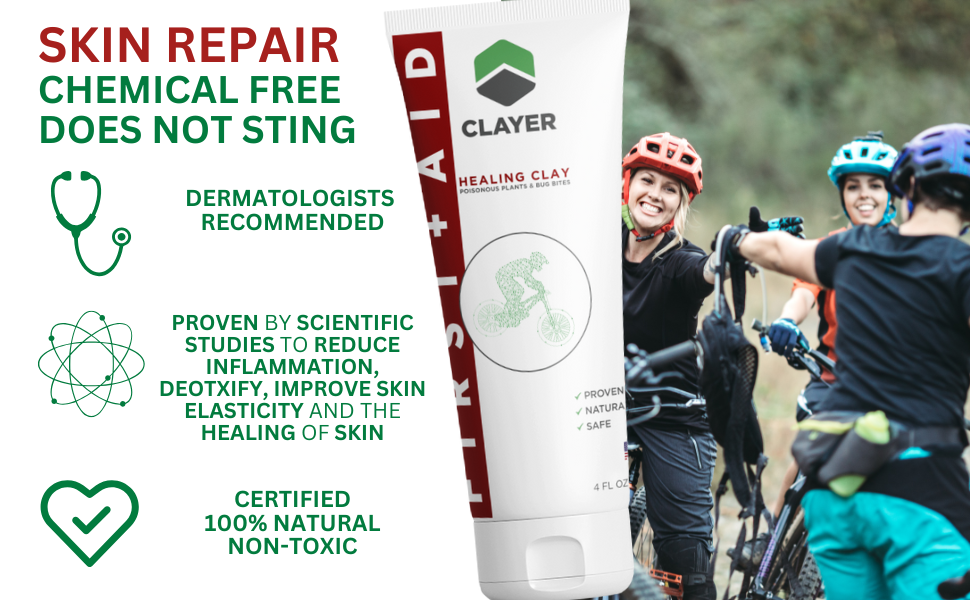
Studies have shown that some clays can contain concerning levels of heavy metals like lead. CLAYER's French green clay is rigorously tested and certified 100% non-toxic. When you're using it multiple times a day on the trail, this matters.
Dermatologist Recommended
Trusted by sports doctors and medical professionals, CLAYER healing clay isn't just backed by tradition: it's backed by modern science.
Proven by Athletes
Professional athletes and outdoor enthusiasts rely on CLAYER for fast recovery. Check out the athletes trusting CLAYER for their toughest challenges.
Portable and Trail-Friendly
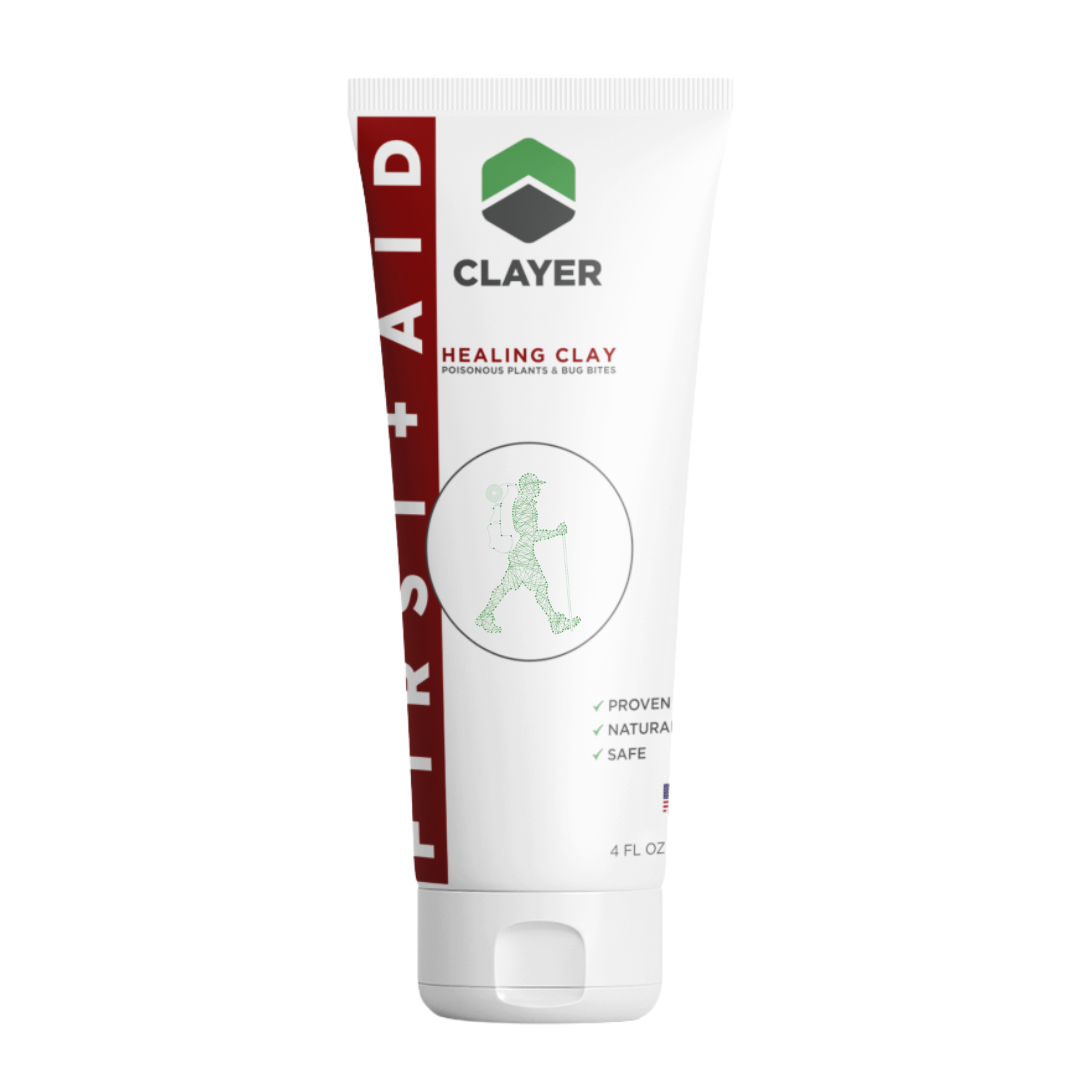
The 4 fl oz tube fits easily in any first-aid kit or even a hip belt pocket. It won't leak, won't freeze in cold weather, and the tube design means no wasted product.
How to Pack and Use Healing Clay on the Trail
Packing Tips:
- Store the tube in a ziplock bag as an extra precaution (though the seal is reliable)
- Keep it accessible: not buried at the bottom of your pack
- One 4 oz tube can last several weeks with regular use
Application Guidelines:
- For poison plants: Apply a thick layer immediately after exposure. Let it dry, then rinse or gently wipe off. Reapply as needed.
- For insect bites and stings: Apply directly to the affected area. The cooling sensation is immediate.
- For strains and sore muscles: Apply to clean skin over the affected area. Can be applied before bed and left overnight.
- For cuts and scrapes: Clean the wound first, then apply a thin layer. The clay's natural antibacterial properties support healing.
What Experienced Hikers Are Saying
Thru-hikers who've added healing clay to their kits report fewer issues with skin irritation, faster recovery from minor injuries, and peace of mind knowing they have a natural solution that won't cause additional problems. The versatility means they can lighten their load by replacing multiple single-use items with one multi-purpose solution.
The Science Behind the Healing
Research on medicinal clays has demonstrated their effectiveness in wound healing and antimicrobial activity. French green clay specifically contains minerals like silica, magnesium, calcium, and iron that contribute to its therapeutic properties. Studies published in peer-reviewed journals have confirmed what traditional healers have known for generations: this stuff works.
Want to dive deeper into the science? Check out the healing clay studies that back up these claims.
Beyond the AT: Versatility for All Adventures
While this article focuses on the Appalachian Trail, CLAYER healing clay is equally valuable for:
- Day hikes and weekend backpacking trips
- Mountain biking adventures
- Trail running
- Camping with kids (completely safe and non-toxic)
- Emergency preparedness kits
It's the kind of product that once you start using, you'll wonder how you ever adventured without it.
Making the Smart Choice for Your First-Aid Kit
You spend hours researching the best tent, the lightest sleeping bag, the most reliable water filter. Why not apply that same care to what you're putting on your body when injuries happen?
The AT will test you physically and mentally. Having reliable, natural, fast-acting solutions in your first-aid kit isn't just smart: it's essential for enjoying the journey rather than just enduring it.
Ready to upgrade your trail first-aid kit? Explore the complete CLAYER First-Aid collection and discover why outdoor enthusiasts are making the switch to 100% natural healing solutions. Your body: and your pack weight: will thank you.
Guaranteed natural. Proven effective. Trail-tested tough.


