
How to Use Bentonite Clay for Maximum Results
Bentonite clay has been making waves in the wellness world, and for good reason. This ancient healing clay offers a natural way to detoxify your skin, soothe inflammation, and support your body's recovery process. But here's the thing: knowing how to use bentonite clay properly makes all the difference between mediocre results and transformational ones.
Whether you're an athlete looking for faster recovery, a parent seeking natural skincare solutions, or someone who just wants healthier skin, understanding the right techniques will maximize your results. Let's dive into everything you need to know.
What Is Bentonite Clay and Why Use It?
Bentonite clay forms from volcanic ash and carries a negative electrical charge that acts like a magnet for toxins, heavy metals, and impurities. When you apply it to your skin or use it topically, it draws out the bad stuff while delivering essential minerals like calcium, magnesium, and silica.
The science backs this up. Studies show that healing clays can absorb bacteria and toxins while supporting skin health and inflammation reduction. But not all clays are created equal, and the purity of your source matters more than you might think.
Here's something most people don't know: Some bentonite clay products on the market contain concerning levels of heavy metals like lead and arsenic. Research published in the National Institutes of Health has documented these contamination issues in popular clay brands. That's why choosing a certified, tested product is non-negotiable for your health.

How to Use Bentonite Clay for Face Masks
Face masks are the most popular way to use bentonite clay, and they deliver impressive results when done right.
The Basic Recipe:
- 1-2 tablespoons bentonite clay powder
- Equal parts filtered water or apple cider vinegar
- Optional: 2-3 drops of lavender or tea tree essential oil
Critical Rule: Always use non-metal bowls and utensils. Metal reacts with the clay's electrical charge and reduces its effectiveness. Stick with wood, glass, or plastic tools.
Mix until you get a smooth paste (think Greek yogurt consistency), then apply an even layer to clean, damp skin. Leave it on for 15-20 minutes, but never let it completely dry. If the clay cracks and pulls at your skin, you've gone too far and risk over-drying.
For frequency: Start with once weekly and see how your skin responds. Those with oily or acne-prone skin can increase to 2-3 times per week, while sensitive skin types should stick to once weekly.
Targeted Body Applications for Recovery
Athletes and active people are discovering that bentonite clay isn't just for faces. It works wonders on sore muscles, joint inflammation, and sports injuries.
For Muscle Recovery and Joint Pain:
Create a thick poultice (about ¼ to ½ inch thick) and apply directly to the affected area. Wrap with plastic wrap to keep it moist and leave on for 8-10 hours or overnight. The clay penetrates deeply, drawing out inflammation while delivering minerals that support tissue repair.
For Bug Bites and Minor Skin Irritations:
Mix a concentrated paste and apply a thick layer directly to the bite. Cover with gauze and leave for 2 hours. The clay pulls out toxins and reduces swelling fast.
For Sunburns:
Combine equal parts bentonite clay and filtered water, apply generously, and wrap loosely. The cooling effect plus mineral delivery helps skin repair itself faster.
Detox Baths: Full-Body Benefits
Bentonite clay baths offer whole-body detoxification and relaxation. Add ¼ to 1 cup of clay to warm bathwater and soak for 20 minutes. The warm water opens your pores, allowing the clay to work its magic across your entire body.
Do this once weekly for best results. You'll notice softer skin, reduced muscle tension, and an overall sense of rejuvenation. Just remember to rinse off afterward and drink plenty of water to support the detox process.
Internal Use: Proceed with Caution
Some people take bentonite clay internally for digestive health, typically ½ to 1 teaspoon mixed with water once daily. While this practice has traditional roots, approach internal use carefully.
The same heavy metal contamination concerns apply here, but they're even more critical when you're ingesting the clay. Never use bentonite clay internally for more than four weeks continuously without consulting a healthcare professional. And absolutely ensure your clay is certified safe and tested for contaminants.
Honestly? For most people, topical applications deliver more than enough benefits without the internal risks.
French Green Clay: The Superior Alternative
Here's where we need to talk about what comes after bentonite clay: because while bentonite offers benefits, French green clay takes healing to another level.
French green clay (also called illite clay) contains a unique mineral composition that includes bentonite, illite, and kaolin clays working together. This combination provides more comprehensive benefits than bentonite alone.
The real game-changer? CLAYER's French healing clay is the only option on the market that's rigorously tested for heavy metals and backed by scientific research. Unlike standard bentonite clay powders that may contain contaminants, CLAYER's formulation comes from a pristine volcanic region in France and carries multiple safety certifications.
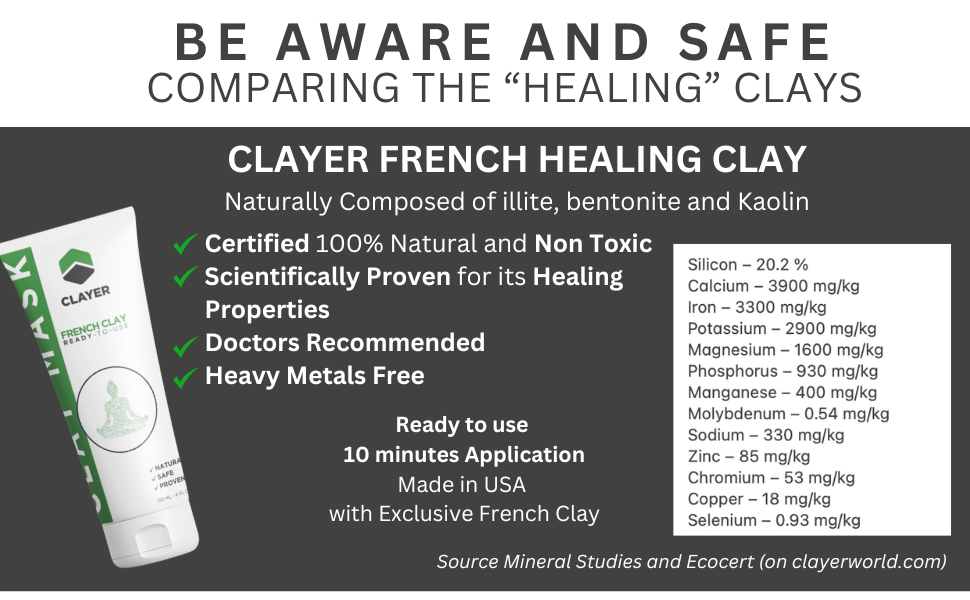
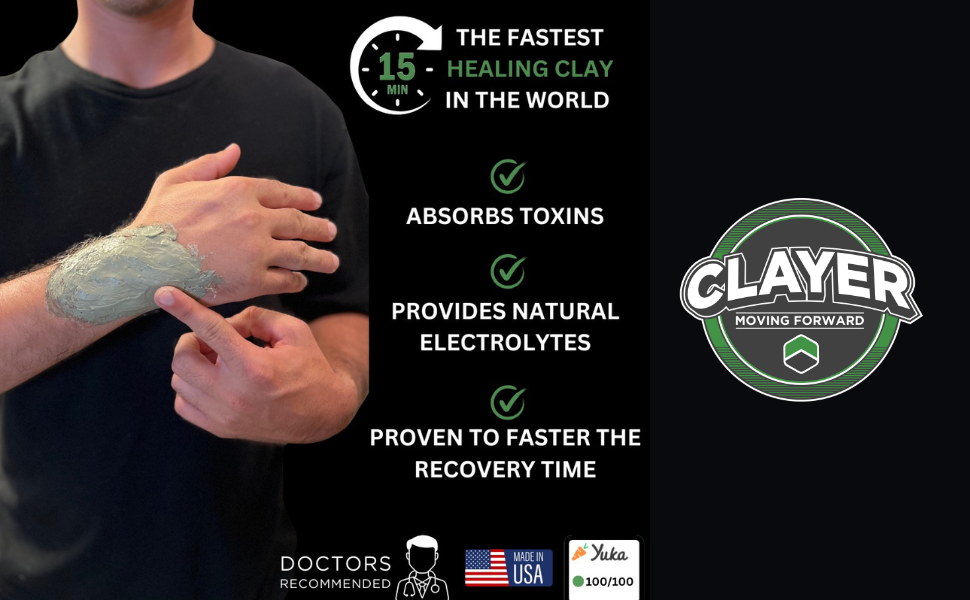
Professional athletes and sports doctors recommend CLAYER specifically because it delivers faster recovery results: we're talking 15 minutes versus hours with standard clays. It's doctor-recommended, rated 100/100 on Yuka (the strictest clean product rating system), and comes ready to use. No mixing, no mess, no guessing about purity.
Quality Indicators: What to Look For
Not sure if your bentonite clay is legitimate? Real bentonite clay should be gray or cream-colored and odorless. Bright white clay often indicates degradation or processing that reduces effectiveness.
More importantly, look for:
- Third-party testing for heavy metals
- Certification of purity (100% natural, non-toxic)
- Clear sourcing information
- Professional or medical endorsements
- Scientific backing and studies
If your bentonite clay can't check these boxes, you're taking unnecessary risks with your health.
Best Practices for Maximum Results
Hydration is key. Clay works by pulling things out, so support your body by drinking extra water before and after use.
Consistency matters more than intensity. Regular weekly applications deliver better long-term results than occasional heavy use.
Listen to your skin. If you experience excessive dryness, redness, or irritation, reduce frequency or switch to a gentler application method.
Pair with healthy habits. Clay accelerates your body's natural healing processes, but it works best when combined with proper nutrition, hydration, and rest.
The Bottom Line
How to use bentonite clay effectively comes down to proper technique, quality sourcing, and realistic expectations. Face masks 1-2 times weekly, targeted poultices for recovery, and occasional detox baths create a comprehensive routine that supports your skin and body naturally.
But here's the truth: while bentonite clay offers benefits, you deserve better than questionable quality and contamination concerns. CLAYER's French healing clay gives you all the benefits of healing clay with guaranteed safety, proven results, and professional-grade purity.
Your body works hard for you. Give it the cleanest, most effective healing support available. Because when it comes to what you put on your skin, certified safety and proven results aren't luxuries: they're necessities.
Ready to experience the difference? Check out CLAYER's doctor-recommended formulations and see why pro athletes trust this clay for recovery and skin health.
You are built to heal, recover, and thrive. Choose tools that honor that truth.


