Healing Cuts, Abrasions & Turf Burn: The Pro Athlete Protocol (2026)
How would you feel if you could cut your recovery time from cuts, scrapes, and turf burn in half? What if those nagging wounds that keep you benched could heal faster, cleaner, and stronger than ever before?
Every athlete knows the drill. You're pushing your limits, giving everything you've got, and then: scrape, cut, or that dreaded turf burn that feels like sandpaper against your skin. These aren't just minor inconveniences. They're barriers between you and your peak performance.
You are built to step out of your comfort zone! But when cuts and abrasions slow you down, you need pro-level strategies that work as hard as you do.
The Immediate Response Protocol
The first 15 minutes after injury can make or break your recovery timeline. This is your window of opportunity.
Step 1: Stop, Assess, Clean Don't tough it out and keep playing if you're bleeding. Stop the activity immediately and assess the damage. For cuts and abrasions, you need to act fast to prevent contamination and set the stage for optimal healing.
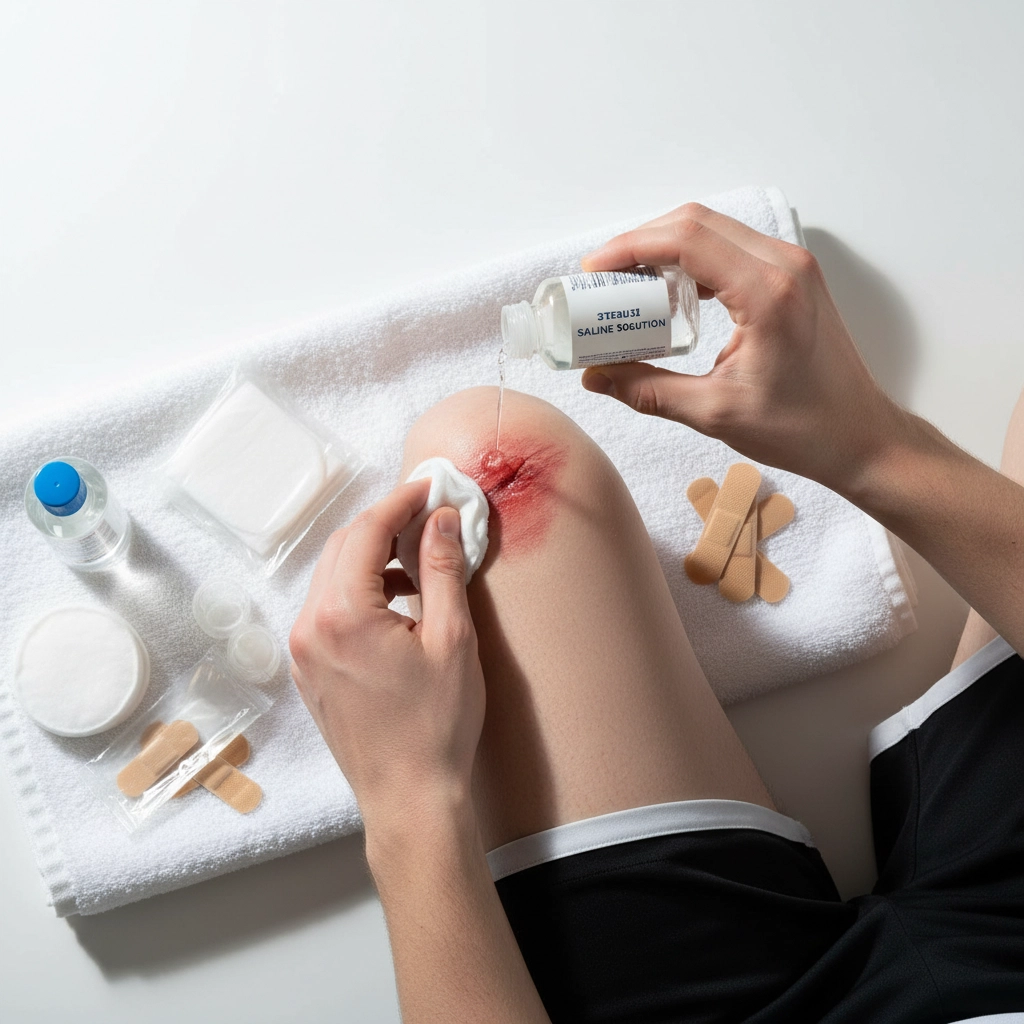
Clean the wound thoroughly with clean water or saline solution. Remove any debris: grass, dirt, or rubber from turf burns: but do it gently. You're not scrubbing a dirty pot; you're caring for tissue that needs to regenerate.
Step 2: Control Bleeding Apply gentle, direct pressure with a clean cloth or sterile gauze. Most athletic cuts and abrasions will stop bleeding within minutes with proper pressure. Don't keep lifting the bandage to "check": let the clotting process do its work.
Step 3: Professional-Grade Protection Here's where most athletes go wrong. They slap on a basic bandage and call it good. Champions know better.
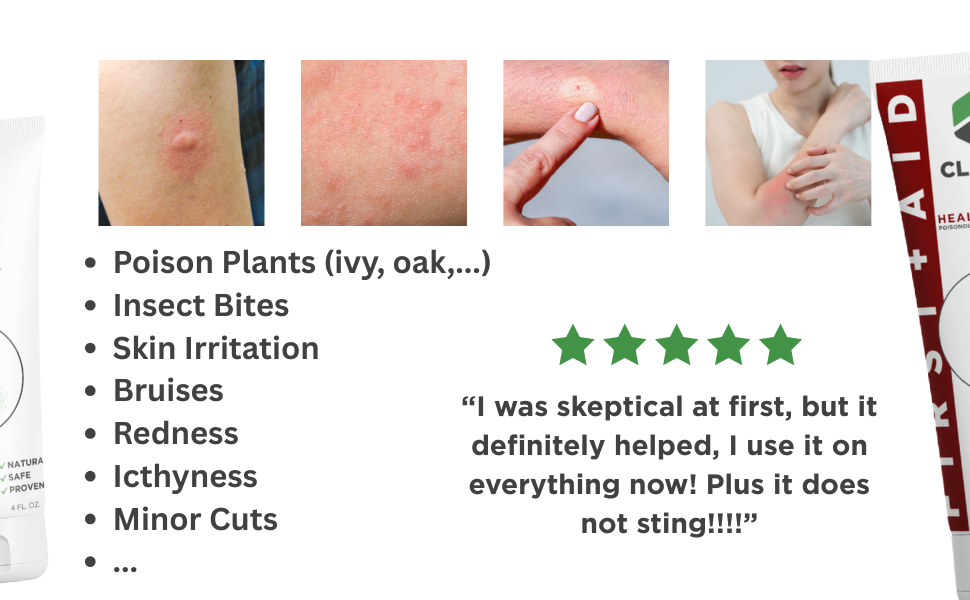
Your wound needs protection that doesn't just cover: it actively promotes healing. This means antimicrobial protection that fights infection while maintaining the optimal moisture environment for tissue regeneration.
The Game-Changing Daily Maintenance Routine
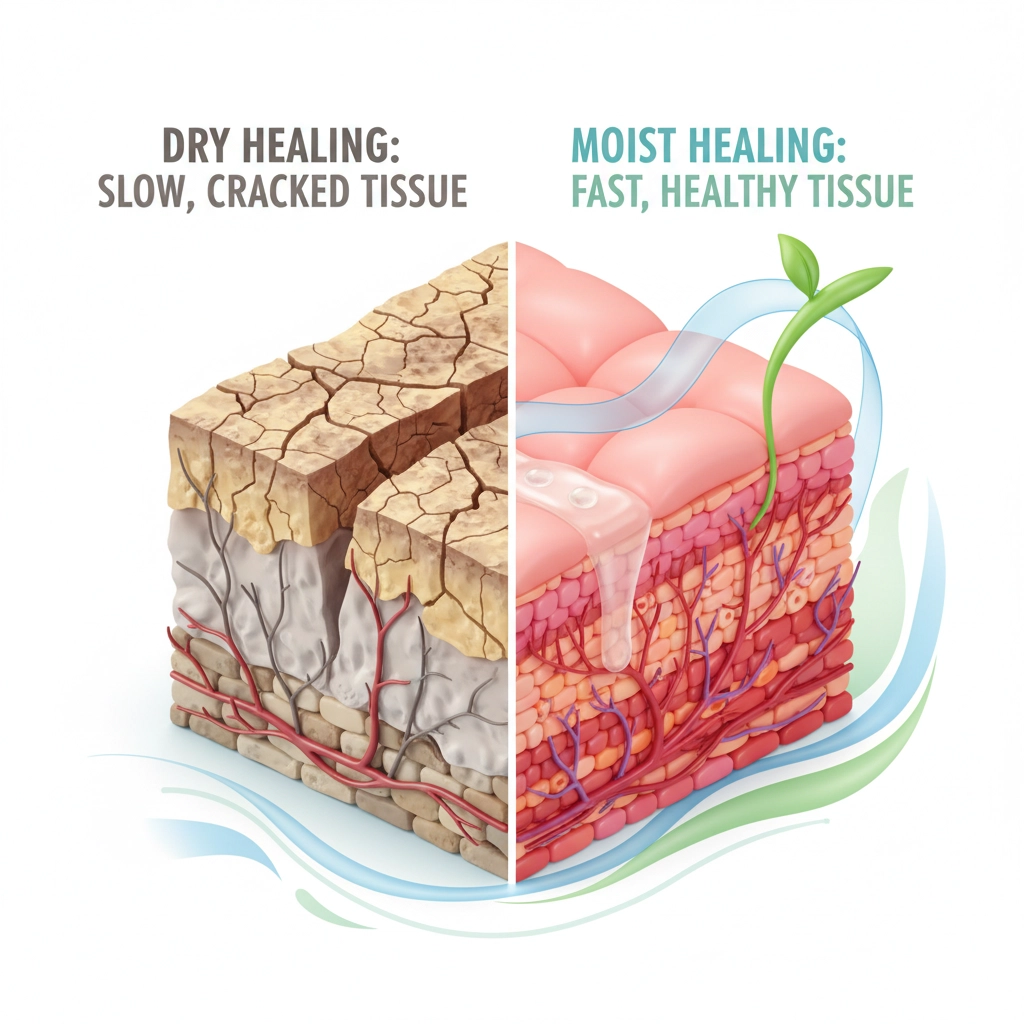
Forget everything you thought you knew about "keeping wounds dry." Modern sports medicine has proven that moist wound environments heal up to 50% faster than dry ones.
Morning Routine (5 minutes that save you days):
- Gently clean around the wound with saline
- Inspect for signs of infection (increased redness, warmth, swelling, or pus)
- Apply fresh antimicrobial protection
- Cover with breathable, non-stick dressing
Evening Routine:
- Remove old dressing carefully
- Clean the area again
- Let it air out for a few minutes
- Reapply protection and fresh dressing
Pro Tip: Change dressings after workouts, even if they look clean. Sweat and movement can compromise the protective barrier, giving bacteria an invitation to party in your wound.
Advanced Recovery Strategies for Serious Athletes
You're not just any athlete: you're someone who demands results. Here are the advanced strategies that separate weekend warriors from true champions.
Platelet-Rich Plasma (PRP) Therapy For significant cuts or slow-healing abrasions, PRP uses your own blood's healing factors concentrated and reinjected into the injury site. It's like giving your body's repair system a shot of espresso.
Hyperbaric Oxygen Therapy Some professional teams use HBOT to flood wounded tissue with oxygen, dramatically speeding cellular repair. While not accessible to everyone, it's worth knowing about if you're dealing with persistent wounds.
Cold Therapy Protocol Strategic use of cold therapy (not ice directly on the wound) can reduce inflammation in surrounding tissue while promoting healthy circulation to the healing area.
Why Professional Athletes Trust Natural Healing Clay
Here's what separates good athletes from great ones: they know that nature often outperforms synthetics.
Professional athletes and sports doctors have discovered that certain natural clays can dramatically accelerate healing for cuts, abrasions, and turf burns. CERTIFIED, PROVEN, and GUARANTEED: or your money back.
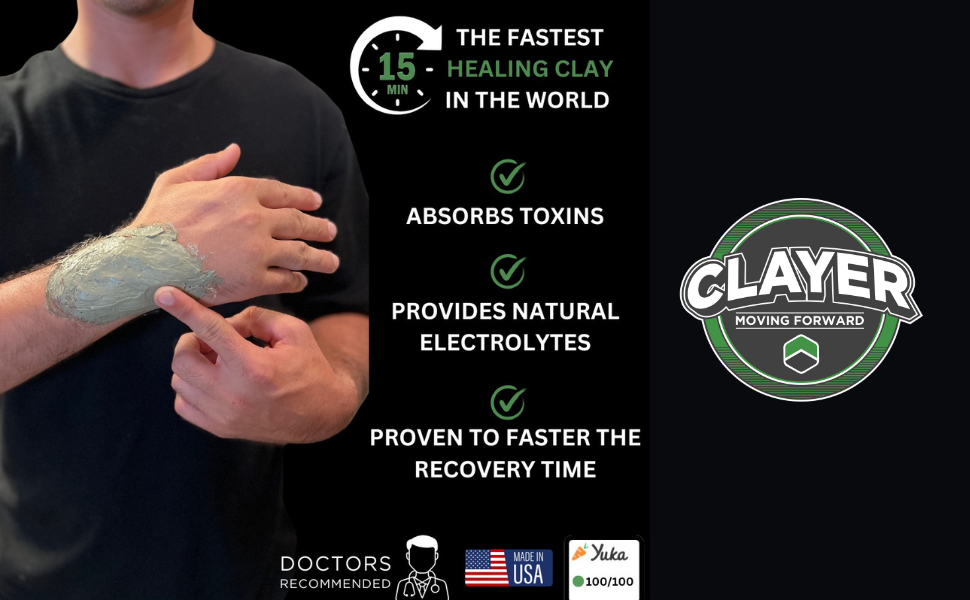
French Green Clay, specifically, has been scientifically proven to:
- Draw out toxins and bacteria from wounds
- Reduce inflammation by up to 40%
- Promote faster tissue regeneration
- Prevent scarring when used properly
The secret? While conventional creams and ointments can trap bacteria and debris, natural healing clay actively pulls contaminants out of the wound while delivering essential minerals that support healing.
This isn't just ancient wisdom: it's modern science. Sports doctors and professional athletes are choosing CLAYER's natural healing solutions because they work faster and cleaner than traditional options.
The Turf Burn Specialist Protocol
Turf burns deserve special attention. They're not just scrapes: they're friction burns that can go deeper than they initially appear.
Immediate Care:
- Irrigate thoroughly to remove rubber particles and debris
- Do NOT scrub aggressively: this damages healthy tissue
- Apply antimicrobial protection immediately
- Cover with non-adhesive dressing that won't stick to the burn
Daily Care:
- Keep it moist: dry turf burns take 3x longer to heal
- Change dressings twice daily minimum
- Watch for infection signs (increased pain, heat, red streaking)
Pro Strategy: Use hydrogel dressings or natural clay treatments that maintain optimal moisture while actively preventing infection. This can cut healing time from 3 weeks down to 7-10 days.
Nutrition and Hydration: Your Internal Healing Team
You can't out-supplement poor wound care, but you can definitely accelerate healing with the right nutritional support.
Protein Power: Your body needs amino acids to build new tissue. Aim for 1.2-1.6g per kg of body weight daily.
Vitamin C: Essential for collagen synthesis. Think beyond orange juice: red peppers, strawberries, and kiwi are vitamin C powerhouses.
Zinc: Critical for wound healing. Found in lean meats, pumpkin seeds, and chickpeas.
Hydration: Dehydrated tissue heals slowly. Aim for clear or light yellow urine as your hydration gauge.
Smart Return-to-Play Decisions
Your ego wants you back on the field tomorrow. Your body needs you to be smart about timing.
Week 1: Focus on healing, not playing. Light activity that doesn't stress the wound area is fine.
Week 2: Gradual return with proper protection. The wound should be well-covered and protected during activity.
Week 3+: Full return when the skin has regained its strength and flexibility.
Red flags that mean you're not ready:
- Pain at the injury site during movement
- Any signs of infection
- Wound reopening with activity
- Lack of flexibility in the area
Your Champion's Recovery Toolkit
Prioritize your health and well-being! You've worked too hard to let minor injuries become major setbacks.
Essential supplies every athlete should have:
- Quality first aid supplies
- Natural healing clay for advanced wound care
- Hydrogel or moisture-maintaining dressings
- Antimicrobial protection
- Clean bandages and medical tape
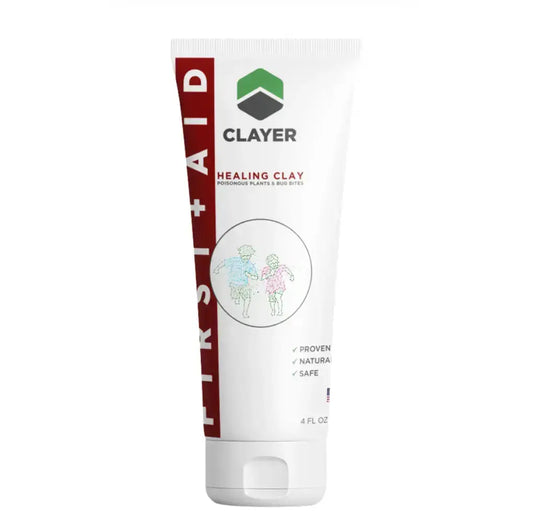
We are here to help you recover faster and stronger. CLAYER's first aid solutions are trusted by professional athletes and recommended by sports doctors because they deliver results when it matters most.
Remember: every champion knows that recovery is part of performance. How you heal today determines how you perform tomorrow.
What about you? Are you ready to upgrade your recovery game and get back to dominating your sport?