
Is Your Sports Cream Toxic? Understanding 'Doping-Free' and 'Chemical-Free'
Is Your Sports Recovery Routine Putting You at Risk?
You train hard. You push your limits. And when muscle soreness or injury strikes, you reach for that tube of sports cream without a second thought. But have you ever stopped to read what's actually in that product you're rubbing into your skin multiple times a week?
The truth might shock you. Many conventional sports creams contain ingredients that range from questionable to downright dangerous. And if you're an athlete subject to drug testing? The stakes get even higher.
Let's talk about what "doping-free" and "chemical-free" really mean, and why understanding these terms could be the difference between safe, effective recovery and serious health consequences.
The Toxic Reality Behind Conventional Sports Creams
Most athletes don't realize that the sports cream they trust could contain ingredients linked to serious health risks. We're not talking about minor concerns here. A 17-year-old cross-country runner named Arielle Newman died from methyl salicylate toxicity after applying large amounts of sports creams to her legs over time, combined with adhesive pads containing the same ingredient.
This isn't an isolated manufacturing defect. This is what happens when toxic chemicals are absorbed through your skin in quantities that overwhelm your body's ability to process them.
Common toxic ingredients hiding in your sports cream include:
- Methyl salicylate (oil of wintergreen) – Found in BenGay, Icy Hot, and Tiger Balm. Can be fatal when absorbed through skin in large quantities.
- Petroleum – A byproduct of crude oil refining. Clogs pores and prevents skin from breathing naturally.
- Propylene glycol – A synthetic compound that can cause skin irritation and allergic reactions.
- Triethanolamine – Classified as a "human skin, immune system, and respiratory toxicant" in medical literature.
- Polysorbate-80 – Linked to cancer and developmental/reproductive toxicity concerns.
- Sodium lauryl sulfate – A harsh detergent that strips skin of natural oils.
You wouldn't drink these ingredients. So why would you apply them to your largest organ, your skin?
What "Chemical-Free" Really Means (And Why It Matters)
Here's where it gets tricky. The term "chemical-free" is technically impossible, even water is H₂O, a chemical. But when we talk about chemical-free sports creams, we're really talking about products free from synthetic chemicals, artificial additives, and petroleum-based ingredients.
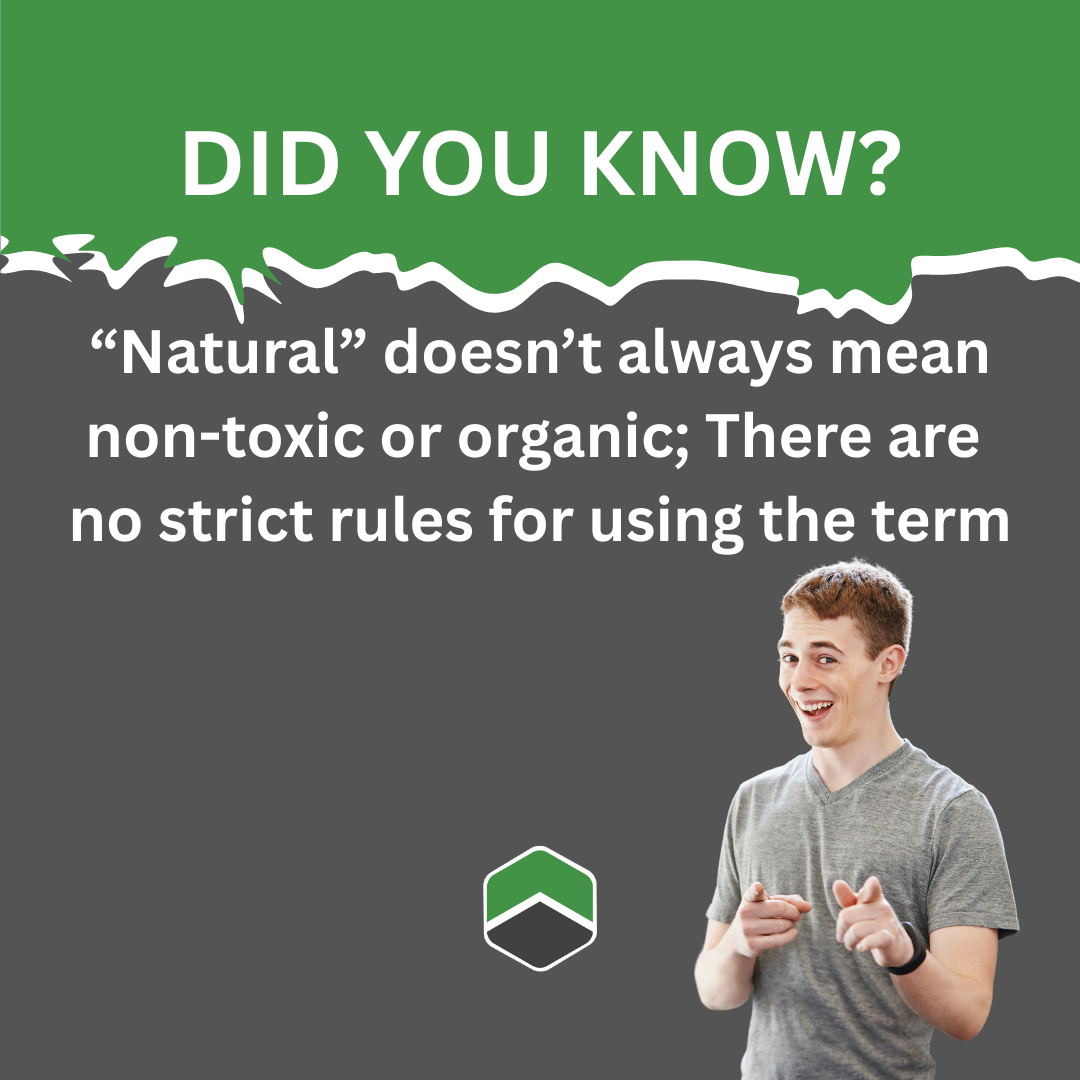
The problem? "Natural" isn't always regulated. A product can claim to be "natural" and still contain harmful substances. This is where transparency becomes critical.
What you should look for:
- Products that list every single ingredient
- Certification from independent testing organizations
- Clear sourcing information for all components
- No synthetic fragrances or preservatives
- No petroleum-derived ingredients
Your skin absorbs up to 60% of what you put on it. That means when you apply a sports cream loaded with synthetic chemicals, those toxins enter your bloodstream and can accumulate in your organs over time.
"Doping-Free": Why Athletes Can't Afford to Take Chances
If you compete in any sport with drug testing, from high school athletics to professional leagues, understanding "doping-free" is crucial for your career.
"Doping-free" means a product contains zero substances banned by WADA (World Anti-Doping Agency) or other sports governing bodies. But here's the catch: many sports creams contain ingredients that could trigger a positive drug test or contain substances that haven't been adequately tested.
Some sports creams contain:
- Stimulants that boost circulation but are banned in competition
- Substances that metabolize into banned compounds
- Ingredients that can mask other banned substances
- Components not disclosed on the label
Professional athletes have lost medals, scholarships, and careers because they trusted the wrong recovery product. The risk isn't worth it.
When a product is certified doping-free, it means independent testing has confirmed it contains no banned substances. Your athletic career shouldn't be jeopardized by a recovery cream.
The Methyl Salicylate Problem: A Closer Look
Let's get specific about methyl salicylate, the ingredient that killed Arielle Newman and remains in countless sports creams today.
Medical guidelines for safe methyl salicylate use include:
- Don't apply to more than 40% of your body's surface
- Don't apply heavily or use more than directed
- Don't use more frequently than the label suggests
- Don't use for more than five consecutive days
But here's the reality: if you're training daily and applying sports cream to multiple areas, your shoulders, back, legs, knees, you could easily exceed these limits without realizing it.
Dr. Thomas Kearney notes that topical application becomes hazardous when applied over 40% of the body or when medications interact negatively with the products. And toxicity risk increases dramatically with:
- Application on open or damaged skin
- Use over large body surface areas
- Existing skin conditions
- Concurrent use of multiple products containing similar ingredients
Is the temporary cooling sensation really worth this level of risk?
MAHA: Taking Control of Your Health and Performance
The Make America Healthy Again movement is about one fundamental principle: you have the right to know exactly what you're putting in and on your body. No hidden ingredients. No corporate doublespeak. No compromises on safety.

This means demanding:
- Complete ingredient transparency
- Independent third-party testing
- Products that work WITH your body, not against it
- Natural alternatives that have stood the test of time
For thousands of years, healing clays have been used for recovery and pain relief. Ancient Egyptian athletes used clay. Roman gladiators used clay. These weren't primitive people, they understood that nature provides powerful healing compounds without the toxic side effects.
The French Green Clay Alternative
CLAYER's Active+ Healing Clay represents a fundamentally different approach to sports recovery. Instead of synthetic chemicals that override your body's natural processes, French Green Clay works with your physiology.
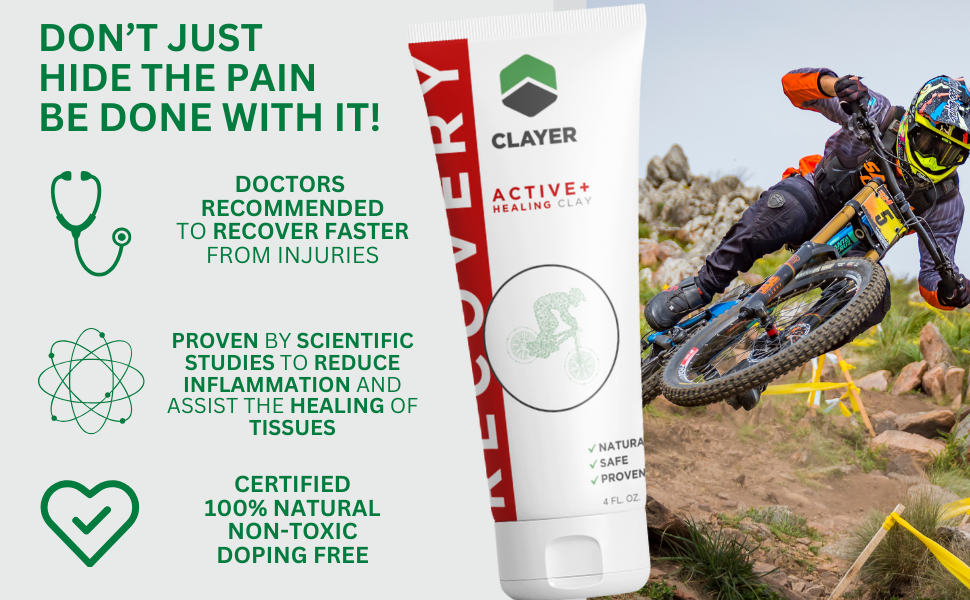
What makes French Green Clay different:
100% Natural – Contains only minerals extracted from ancient volcanic deposits in the south of France. No synthetic additives. No petroleum derivatives. No artificial fragrances.
Certified Non-Toxic – Independent testing confirms zero harmful substances. Safe for daily use on any part of your body.
Doping-Free Certification – Recommended by sports doctors and used by professional athletes who can't risk their careers on questionable products.
Scientifically Proven – Clinical studies demonstrate French Green Clay reduces inflammation and promotes tissue healing through natural mineral exchange. Your body recognizes and utilizes these minerals because they're found in nature, not synthesized in a lab.
The minerals in French Green Clay, including magnesium, calcium, potassium, and trace elements, are absorbed through your skin and support cellular repair. This isn't marketing hype. This is basic biochemistry that's been validated in peer-reviewed research.
Unlike synthetic creams that can accumulate toxins in your system, clay minerals are used by your body and naturally eliminated. No buildup. No long-term health concerns. Just pure, effective recovery.
Making the Switch: What You Need to Know
Transitioning from toxic sports creams to natural clay-based recovery is simpler than you think.
Immediate benefits you'll notice:
- No burning or irritating sensations
- Natural cooling effect without synthetic chemicals
- Reduced inflammation that lasts longer
- Faster recovery between training sessions
- Peace of mind knowing you're using safe ingredients
Athletes report that while synthetic creams provide temporary relief that quickly fades, French Green Clay addresses the underlying inflammation and promotes actual healing. The difference isn't just what you feel, it's what's happening at the cellular level.
Your Health, Your Choice
Is your sports cream toxic? If it contains methyl salicylate, petroleum, propylene glycol, triethanolamine, or other synthetic chemicals, the answer is potentially yes, especially with repeated use over time.
You train too hard to compromise your health with questionable recovery products. You've invested too much in your athletic performance to risk a positive drug test from contaminated creams.
The choice is clear: continue exposing yourself to toxic ingredients that could have serious health consequences, or switch to a natural alternative that's been used safely for millennia and proven effective in modern clinical research.
CLAYER's French Green Clay is 100% natural, certified non-toxic, and doping-free. No compromises. No hidden ingredients. Just pure, effective recovery that respects your body and your athletic career.
Check out CLAYER's Active Recovery collection and experience the difference that truly clean, natural recovery makes. Your body: and your performance( will thank you.)


