
Neck Pain: Causes, Symptoms, and Fast Relief
How would you feel if you could wake up tomorrow morning without that nagging neck pain that's been holding you back? That stiffness that makes simple movements feel like a chore? You're not alone: neck pain affects millions of people daily, but the good news is that effective relief is within your reach.
Whether you're an athlete pushing through training, a desk worker battling computer neck, or someone dealing with injury recovery, understanding what's causing your discomfort is the first step toward fast, natural relief. Let's dive into the real causes, warning signs, and proven solutions that can get you moving freely again.
What's Really Causing Your Neck Pain?
Modern Lifestyle Culprits
The biggest enemy of your neck health? Your daily habits. Poor posture from hunching over computers, smartphones, and workbenches creates constant strain on your neck muscles and cervical spine. Think about it: how many hours do you spend looking down at your phone or leaning forward at your desk?
Sleeping position issues are another major trigger. Too many pillows, sleeping on your stomach, or waking up with your neck in an awkward position can leave you stiff and sore for days. Your neck needs proper alignment during those crucial 7-8 hours of recovery time.
Muscle strain and overuse happen more easily than you think. Reading in bed, carrying heavy bags on one shoulder, or even holding your phone between your ear and shoulder during long calls can overwhelm your neck muscles. These seemingly innocent activities add up quickly.
Don't underestimate the power of stress and emotional tension. When anxiety, work pressure, or life challenges hit, your body responds by tensing up: especially in the neck and shoulders. This muscle tension can escalate into real pain if left unchecked.

Age-Related Changes
As you age, wear and tear of bones and joints becomes more common. Your body often responds by forming bone spurs that can affect joint movement and trigger pain. This is natural, but it doesn't mean you have to accept constant discomfort.
Nerve compression from herniated discs or bone spurs in your vertebrae can press on nerves, causing pain that might radiate down your arms or up into your head. This type of pain requires targeted attention and proper treatment.
Injury and Trauma
Whiplash injuries from car accidents occur when your head jerks backward and forward rapidly, straining the soft tissues in your neck. Even minor fender-benders can cause lasting discomfort if not properly addressed.
Falls, sports injuries, or direct blows to the head can also damage neck structures. Athletes know this risk well: which is why fast, effective recovery solutions are essential for getting back in the game safely.
Neck Pain Symptoms You Shouldn't Ignore
Recognizing neck pain symptoms early can prevent minor issues from becoming major problems. Here's what to watch for:
Pain and tightness in your neck and shoulders, especially after holding your head in one position for extended periods. This is your body's way of saying "change positions more often!"
Muscle tightness and spasms that make movement difficult or painful. These can happen suddenly or build up gradually over time.
Decreased range of motion or stiffness that prevents you from turning your head normally. If you find yourself turning your whole body to look to the side, it's time to take action.
Headaches that seem to originate from your neck area. These tension headaches can affect your entire day and productivity.
Weakness or numbness in your arms or hands, or pain radiating to your shoulders, arms, or down your legs. These symptoms suggest nerve involvement and need prompt attention.
When to Seek Immediate Medical Attention
Don't wait if you experience:
- Numbness or loss of strength in arms or hands
- Pain shooting into a shoulder or down an arm
- Fever combined with neck stiffness
- Inability to touch your chin to your chest due to stiffness
- Pain that doesn't improve after a week of self-care
- Tingling, weakness, or loss of coordination in your limbs
These symptoms could indicate serious conditions that require professional medical evaluation. Your health is too important to ignore warning signs.
Fast Relief Strategies That Actually Work
Immediate Pain Relief
Rest and activity modification are your first line of defense. This doesn't mean complete inactivity: gentle movement often helps more than staying rigid. Avoid activities that worsen the pain while keeping your neck mobile within comfortable limits.
Heat and cold therapy can provide quick relief, but timing matters. Cold therapy works best for acute injuries and inflammation in the first 24-48 hours. After that, heat can help relax tight muscles and improve blood flow.
Natural Recovery Solutions
Here's where Clayer's revolutionary approach changes the game. While traditional treatments often just mask symptoms, Clayer Active Healing Clay addresses inflammation at its source using 100% natural, scientifically-proven ingredients.
Why Clayer stands out:
- Scientifically proven to reduce inflammation and accelerate tissue healing
- Doctor recommended for faster injury recovery
- 100% natural, non-toxic, and doping-free - safe for everyone
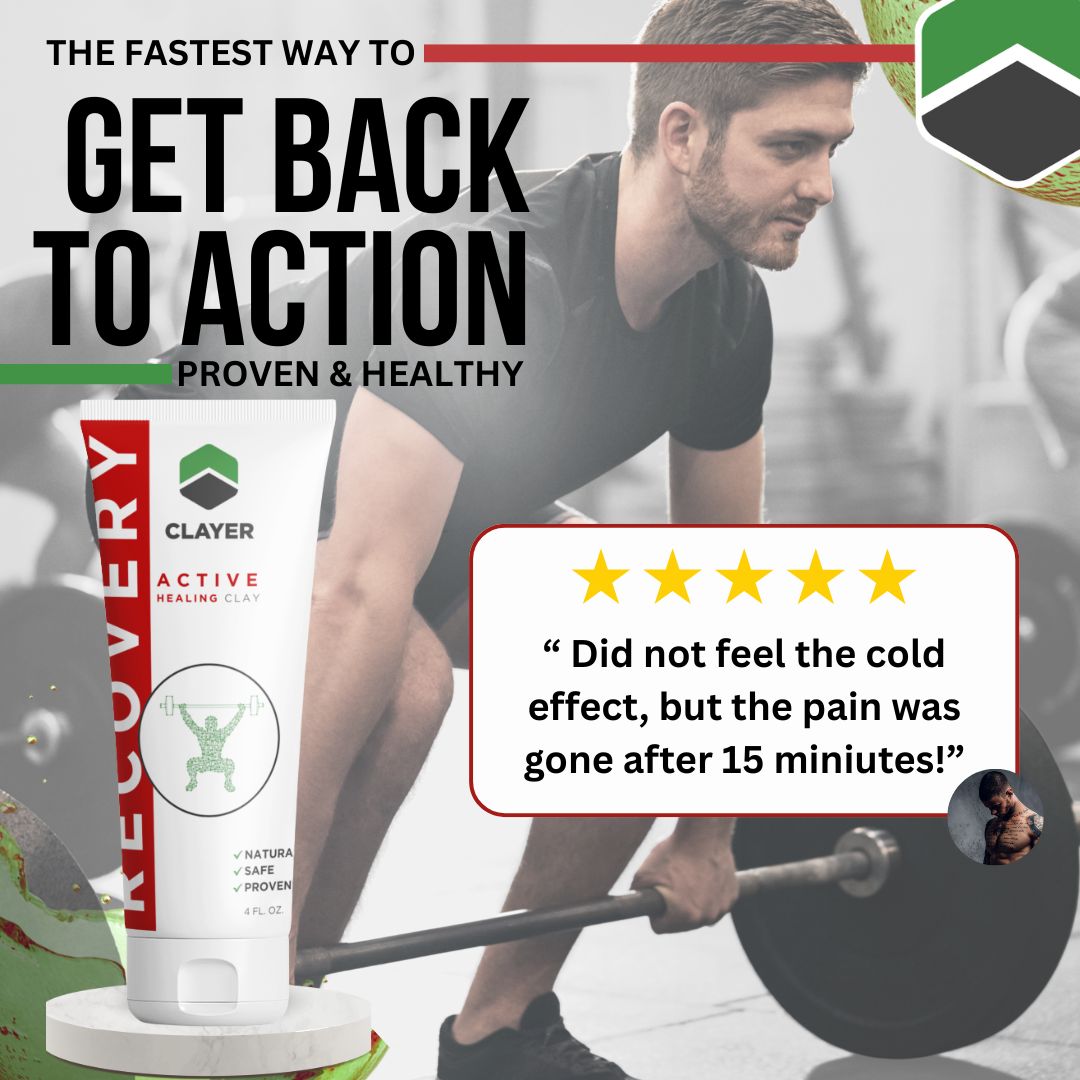
- Fast-acting relief - many users report improvement in just 15 minutes
- Trusted by professional athletes who demand the best

The secret lies in French green clay's unique mineral composition. Unlike synthetic pain relievers that can have side effects, Clayer works with your body's natural healing processes. The clay's anti-inflammatory properties help reduce swelling and pain while promoting healthy tissue repair.
How to Use Clayer for Neck Pain Relief
Application is simple:
- Clean the affected area
- Apply a thin layer of Clayer Recovery directly to your neck
- Leave on for 15 minutes without rubbing
- Rinse off with warm water
You can repeat this process 2-3 times daily for optimal results. Many athletes use Clayer both before activities (for prevention) and after (for recovery).
Prevention Strategies for Long-Term Neck Health
Posture awareness is crucial. Set up your workspace so your monitor is at eye level, keep your shoulders relaxed, and take frequent breaks to move and stretch.
Sleep setup matters. Use a pillow that supports your neck's natural curve. If you sleep on your side, choose a pillow that fills the space between your neck and shoulder. Back sleepers should use a thinner pillow.
Stress management through regular exercise, meditation, or other relaxation techniques helps prevent tension buildup in your neck and shoulders.
Regular movement and stretching keep your neck flexible and strong. Simple neck rolls, gentle stretches, and strengthening exercises can prevent many common neck problems.
Why Choose Natural Over Synthetic
Traditional pain medications often come with side effects and only provide temporary relief. They mask symptoms without addressing the underlying inflammation and tissue damage. Clayer's natural approach targets the root cause while being completely safe for long-term use.
Professional athletes and sports doctors choose Clayer because it delivers results without compromising health or performance. When your livelihood depends on your body, you can't afford to take chances with questionable ingredients.
Your Path to Pain-Free Movement
Neck pain doesn't have to control your life. With the right understanding of causes, early recognition of symptoms, and access to proven natural solutions like Clayer, you can take control of your recovery and get back to doing what you love.
Don't let neck pain sideline you any longer. Whether you're dealing with acute injury, chronic tension, or want to prevent future problems, Clayer's scientifically-proven formulation gives you a safe, effective tool for fast relief and lasting recovery.
Ready to experience the difference that 100% natural, doctor-recommended healing can make? Your neck: and your active lifestyle( will thank you.)


