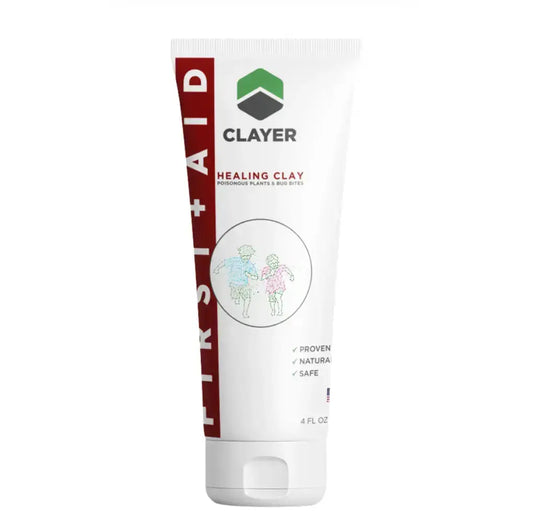
Healing Cuts, Abrasions, and Turf Burn: Pro Strategies with Clayer Recovery
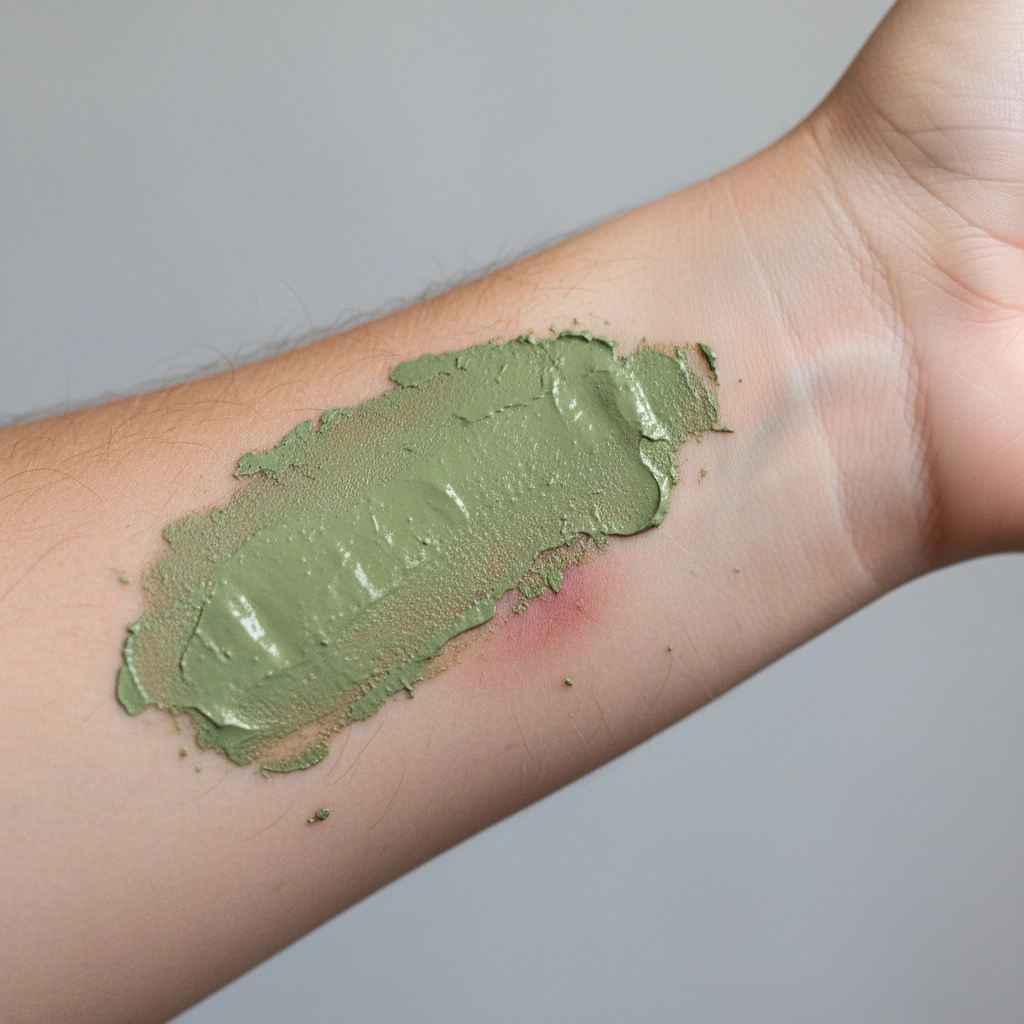

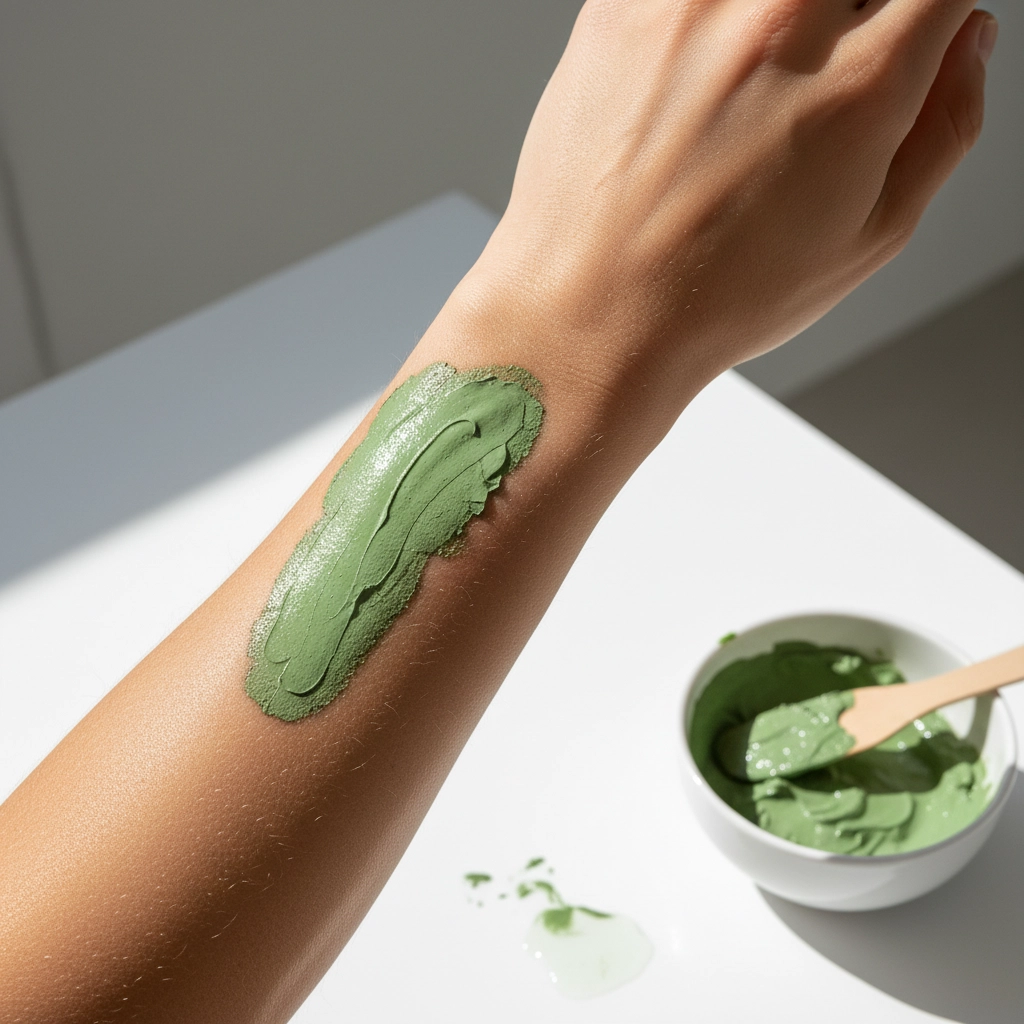
Green clay for turf burn and minor wounds
Meta Title: Healing Cuts Abrasions Turf Burn: Pro Recovery Strategies with Clayer Meta Description: Discover professional strategies for healing cuts, abrasions, and turf burn faster with Clayer's natural green clay. Proven by doctors and trusted by pro athletes.
Healing cuts, abrasions, and turf burn requires more than just slapping on a bandage and hoping for the best. Whether you're a weekend warrior or professional athlete, these common injuries demand immediate, strategic care to prevent infection and accelerate recovery. The difference between a minor setback and a major complication often comes down to the first 60 minutes after injury: and the healing approach you choose moving forward.
Smart athletes know that nature often provides the most effective solutions. That's why professional sports doctors and pro athletes increasingly turn to proven natural alternatives like French green clay for faster, cleaner healing of cuts, abrasions, and turf burn.
The Hidden Dangers of Common Sports Injuries
Cuts and abrasions might seem minor, but they create open pathways for bacteria and infection. Turf burn: that friction-based injury from sliding across artificial surfaces: penetrates deeper than most people realize, often reaching the dermis layer where healing becomes more complex.
According to the National Institute of Health, proper wound care can reduce healing time by up to 50% compared to traditional "dry healing" methods. Yet most athletes still rely on outdated approaches that actually slow recovery.
The biggest mistake? Letting wounds dry out. Mayo Clinic research confirms that moist wounds heal faster, with less scarring and reduced infection risk. This is where strategic healing becomes game-changing.
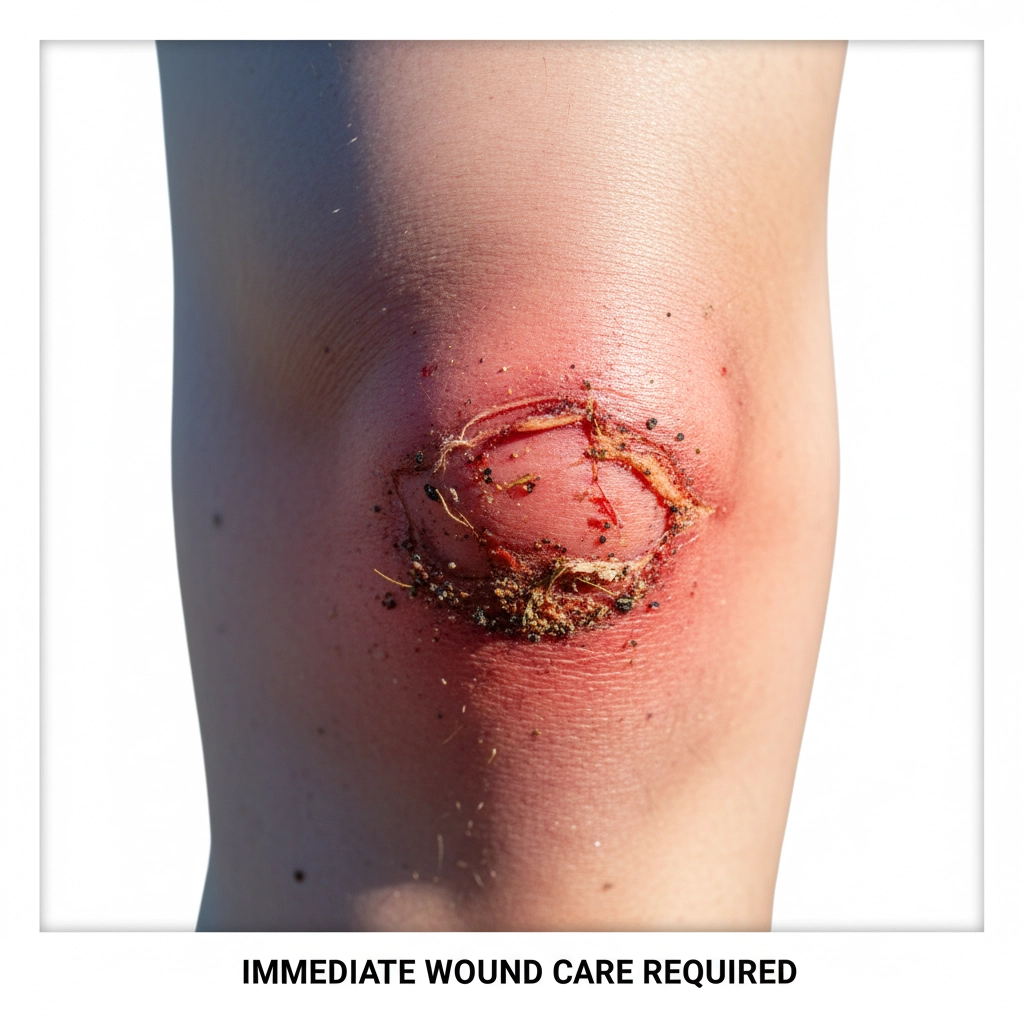
Immediate Response Protocol: The First 60 Minutes
Time is everything when dealing with cuts, abrasions, and turf burn. Here's your professional-grade response protocol:
Step 1: Clean Assessment and Irrigation
- Stop any bleeding with direct pressure using clean cloth
- Irrigate gently with clean water or saline solution
- Remove debris carefully: never scrub aggressively as this damages healthy tissue
- Assess depth: if you can see fat or the wound won't stay closed, seek medical attention
Step 2: Antimicrobial Protection
This is where most conventional treatments fall short. Traditional antibiotic ointments only coat the surface, potentially trapping bacteria underneath. Scientific studies on healing clay reveal a superior approach: active toxin absorption while delivering essential minerals for tissue repair.
Step 3: Optimal Healing Environment
Create conditions that promote fastest recovery:
- Maintain moisture without oversaturation
- Provide antimicrobial protection that doesn't inhibit natural healing
- Support tissue regeneration with mineral delivery
- Protect from further trauma while allowing breathability
Why Green Clay Outperforms Conventional Treatments
French green clay represents a breakthrough in natural wound care that's gaining recognition among sports medicine professionals. Unlike conventional treatments that merely mask symptoms, Clayer's healing clay addresses the root causes of delayed healing.
The Science Behind Clay Healing
Bentonite and illite clays contain unique mineral compositions that create multiple healing mechanisms:
- Active toxin absorption draws bacteria and impurities out of wounds
- Natural antimicrobial properties prevent infection without chemical interference
- Mineral delivery provides essential elements for tissue regeneration
- Optimal moisture maintenance keeps wounds in the ideal healing environment
Professional athletes trust this approach because it works 15 minutes faster than conventional clays while providing superior results.
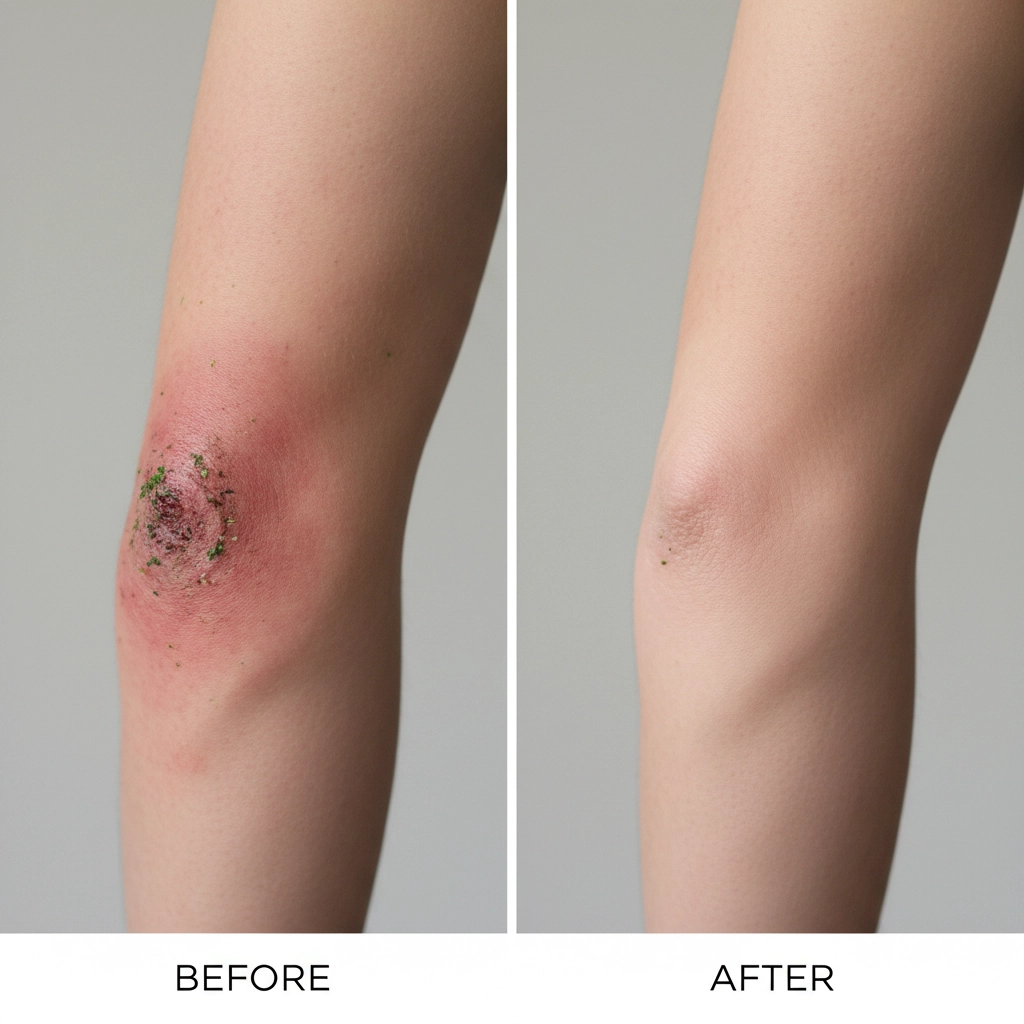
Professional Turf Burn Treatment Protocol
Turf burn deserves special attention because it's essentially a friction burn that can penetrate surprisingly deep. Here's the pro approach:
Immediate Care (0-6 Hours)
- Gentle irrigation to remove embedded particles
- Pain management with natural anti-inflammatory approaches
- Antimicrobial barrier application
- Protective covering that won't stick to the burn
Active Healing Phase (Days 1-7)
- Daily clay treatments for 15-minute sessions
- Moisture monitoring: wounds should remain slightly moist
- Infection surveillance: watch for increased pain, warmth, or discharge
- Activity modification to prevent re-injury

Recovery Optimization (Days 7-14)
Most turf burns heal within 1-2 weeks with proper care, but optimal treatment can reduce this timeline significantly.
Advanced Recovery Strategies for Athletes
Smart recovery goes beyond basic wound care. Elite athletes understand that healing is a full-body process requiring strategic support:
Nutritional Support
- Vitamin C for collagen synthesis
- Zinc for tissue repair
- Protein for cellular regeneration
- Hydration for optimal cellular function
Activity Management
- Modified training that protects healing tissue
- Progressive loading as wounds strengthen
- Scar tissue prevention through appropriate movement
Natural Enhancement
Clayer's active recovery products provide comprehensive support for healing athletes, combining proven clay therapy with practical application methods.
Prevention Strategies That Work
Preventing cuts, abrasions, and turf burn is always preferable to treating them. Pro-level prevention includes:
- Proper equipment including protective gear for high-risk activities
- Surface awareness especially on artificial turf and rough terrain
- Technique refinement to reduce fall and slide frequency
- Conditioning that improves coordination and reaction time
Keep Clayer's healing clay products in your gear bag for immediate response when prevention isn't enough.
When to Seek Medical Attention
Know your limits. Seek professional medical care if you experience:
- Deep wounds where you can see fat or muscle
- Signs of infection including increased pain, warmth, red streaking, or pus
- Wounds that won't stop bleeding after 10 minutes of direct pressure
- Large turf burns covering significant body surface area
- Any wound that doesn't show improvement within 48 hours
FAQs: Healing Cuts, Abrasions, and Turf Burn
Q: How quickly should I see improvement with proper treatment? A: Most minor cuts and abrasions show visible improvement within 24-48 hours. Turf burns typically begin healing within 2-3 days with proper care.
Q: Is it safe to use clay on open wounds? A: Certified non-toxic healing clays like Clayer are specifically formulated for wound care and are recommended by sports medicine professionals.
Q: How often should I change dressings? A: Check wounds twice daily and change dressings whenever they become saturated or contaminated.
Q: Can I continue training with minor cuts and abrasions? A: Modified training is usually possible, but protect healing wounds from further trauma and contamination.
Q: What's the difference between cuts and abrasions? A: Cuts are clean breaks in the skin, while abrasions involve scraping away surface layers. Both require proper moisture management for optimal healing.
Conclusion: Your Path to Faster Recovery
Healing cuts, abrasions, and turf burn doesn't have to sideline your active lifestyle. With professional-grade strategies and proven natural solutions, you can accelerate recovery while reducing complications.
The key is immediate, strategic action combined with sustained support for your body's natural healing processes. Clayer's healing clay products provide the scientifically-backed, athlete-trusted solution that gets you back in action faster.
Ready to experience the difference that professional-grade natural healing can make? Explore Clayer's complete line of recovery solutions and join the growing community of athletes who've discovered the power of clean, proven healing.