Are Icy Hot and Biofreeze Bad for Long-Term Use?
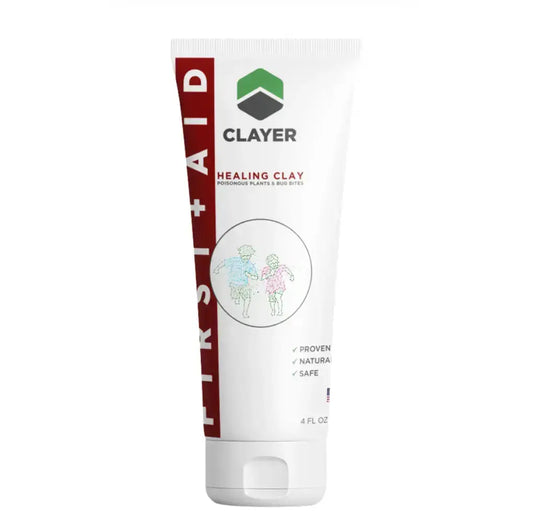
🌿 Clayer Active Recovery Clay — Real recovery, not temporary relief. Clayer's French healing clay reduces inflammation at the source — certified, natural, used by pros. Shop now →
Are Icy Hot and Biofreeze bad for long-term use? Yes — and the evidence is clearer than most users realize. Both products were designed for short-term, episodic pain management. Using them as daily recovery tools or chronic pain solutions creates diminishing returns, accumulating exposure risks, and missed opportunity to address the actual biology of what hurts.
This guide covers why these products fail long-term users, what the research shows, and why athletes who compete at the highest level are moving away from counterirritants toward recovery tools that actually address inflammation. See also: Pain Relief Showdown: Clayer vs Biofreeze, Salonpas, and More.
How Icy Hot and Biofreeze Actually Work
Understanding the limitation of these products starts with understanding their mechanism. Both Icy Hot and Biofreeze are counterirritants — they create competing sensory stimuli that partially override pain perception in the spinal cord:
- Biofreeze: Menthol (primary active, 4%) activates cold-sensitive TRPM8 receptors, creating a cooling sensation that competes with pain signals
- Icy Hot: Menthol creates cooling; methyl salicylate (a salicylate compound) creates warmth; together they produce the signature dual sensation
Neither product reduces the underlying inflammation, removes metabolic waste from tissue, or supports tissue repair. They alter pain perception — and nothing more. When the product wears off (typically 2–4 hours), the full pain signal returns unchanged because the biological source of pain is entirely unaddressed.
This mechanism is appropriate for acute, short-term pain management — exactly what these products are labeled for. The problem emerges when users rely on them daily over weeks, months, or years.
5 Core Problems with Long-Term Counterirritant Use
Problem 1: Tolerance Development
The nervous system adapts to persistent stimulation. With daily menthol application, TRPM8 receptors downregulate — they become less sensitive to the counterirritant signal. Users report needing to apply more product more frequently to achieve the same relief. This is neurological adaptation, not healing.
Problem 2: Pain Masking Without Recovery Progress
Daily counterirritant use creates a dangerous feedback loop: pain is temporarily reduced, the user continues activity without addressing the underlying injury or inflammation, the underlying condition worsens, and pain returns requiring more product. Users mistake feeling better for being better — a distinction that can turn manageable inflammation into serious chronic injury.
Problem 3: Methyl Salicylate Accumulation (Icy Hot)
Methyl salicylate, the warming agent in Icy Hot, is absorbed through skin into systemic circulation. At normal single-use doses, this is generally safe. With daily multiple-application use over large body surface areas:
- Systemic salicylate levels can accumulate to concerning concentrations
- Individuals on blood thinners (warfarin) face drug interaction risk — methyl salicylate potentiates anticoagulant effects
- Children and individuals with aspirin sensitivity face amplified risk
- The FDA requires warning labels against use with heating pads specifically because the combination can cause severe salicylate toxicity
Problem 4: Skin Sensitization
Repeated daily menthol application can cause progressive skin sensitization — the skin becomes increasingly reactive to the very compound providing relief. Contact dermatitis from menthol products is documented and becomes more likely with increasing frequency of use. Once sensitization develops, the product that was providing pain relief becomes a source of skin irritation.
Problem 5: Missing the Actual Recovery Window
For athletes and active individuals, the post-training recovery window — the 30–60 minutes after exercise when metabolic waste and inflammatory compounds are actively accumulating — is the optimal time to intervene with genuine anti-inflammatory therapy. Using counterirritants during this window provides temporary pain relief while doing nothing to accelerate the actual biological recovery that determines performance in the next session.
The Tolerance Problem in Depth
Menthol tolerance isn't just an anecdotal user experience — it reflects well-understood receptor pharmacology. The TRPM8 receptor, which mediates menthol's cooling effect, undergoes desensitization with repeated exposure. This is a general principle of receptor biology: any receptor that is persistently activated will reduce its sensitivity as a protective mechanism.
For counterirritant users, this means:
- The 2–3 hour duration of effect shortens with regular use
- The intensity of perceived cooling/warming diminishes
- Higher concentrations are needed for equivalent effect
- After stopping use, sensitivity typically takes days to weeks to restore
No equivalent tolerance develops with French healing clay — the ionic adsorption mechanism is physical, not receptor-mediated, and doesn't create neurological adaptation.
FDA and Clinical Safety Concerns
Regulatory and clinical bodies have flagged specific concerns about counterirritant products:
- FDA: Multiple safety communications warning against using counterirritants with heating pads or occlusive wraps — the combination amplifies skin exposure and has caused severe burns and toxicity
- Pediatric risk: Methyl salicylate is one of the most common causes of pediatric poisoning — the sweet scent attracts children; significant toxicity occurs at small doses relative to body weight
- Pregnancy: Methyl salicylate is absorbed systemically; its safety in pregnancy is not established; most guidance advises avoidance
- Drug interactions: Methyl salicylate interacts with blood thinners, NSAIDs, and other salicylate-containing products
None of these safety concerns apply to certified French healing clay. The absence of synthetic active compounds means zero drug interactions, zero pediatric toxicity risk, and safety across special populations including pregnancy (consult healthcare provider, but mechanism is topical mineral, not systemic drug).
Why Pain Masking Specifically Harms Long-Term Recovery
Pain is an evolved warning system. In athletic and active contexts, pain tells you:
- Where injury has occurred
- How severe the damage is
- Whether continuing activity risks worsening
- How recovery is progressing (reducing pain = actual healing)
Counterirritants disrupt this signaling system. An athlete using Biofreeze or Icy Hot before training loses accurate feedback about joint and tissue status — potentially continuing activity that should be rested, in patterns that should be modified, with loads that should be reduced. This is how manageable acute injuries become chronic, career-limiting problems.
French healing clay reduces pain by actually reducing the biological drivers of pain (inflammation, metabolic waste) — so pain reduction with clay use correlates with genuine healing progress. The pain signal remains accurate; it just reflects improved conditions.
What Pro Athletes Use Instead
Professional athletes whose careers depend on genuine recovery — not just feeling well enough to play — have shifted significantly toward natural, therapeutic recovery tools that address the actual biology of post-training inflammation.
CLAYER's French healing clay has become the choice of NFL, MLB, NHL, MMA, and Olympic athletes for a specific reason: it works on the actual mechanism, not the symptom. Applied post-training, it draws out the metabolic waste and inflammatory compounds that sustain soreness and slow recovery — delivering measurable biological improvement rather than 2 hours of numbed sensation.
Additionally, the WADA compliance and certified non-toxic profile mean competitive athletes have zero risk of contamination concerns — something counterirritants with undisclosed inactive ingredients can't guarantee as clearly. See which pro athletes trust CLAYER →
Counterirritants vs Clay: Long-Term Comparison
| Factor | CLAYER Clay | Icy Hot / Biofreeze |
|---|---|---|
| Mechanism | Removes inflammatory cause | Masks pain nerve signals |
| Tolerance development | ✅ None (physical mechanism) | ❌ Progressive receptor desensitization |
| Methyl salicylate risk | ✅ None | ❌ Accumulation with daily use |
| Safe for children | ✅ Certified non-toxic | ❌ Pediatric poisoning risk (Icy Hot) |
| Pain signal accuracy | ✅ Maintained (reflects actual healing) | ❌ Suppressed (misleading) |
| Long-term safe daily use | ✅ Yes | ❌ Not recommended |
| Actual tissue healing | ✅ Supports repair | ❌ None |
Stop masking pain. Start healing it.
Clayer Active Recovery Clay — natural, certified, and trusted by pro athletes for real recovery.
Shop CLAYER →FAQ
Q: How often can you safely use Biofreeze?
A: Biofreeze's labeling recommends not more than 3–4 times daily and avoiding extended daily use without medical guidance. For ongoing pain management beyond a few weeks, a healthcare provider should evaluate the underlying cause rather than continuing to mask it.
Q: Is Icy Hot safe for daily use?
A: Short-term daily use for acute conditions is generally considered safe. Extended daily use over weeks or months increases systemic methyl salicylate exposure, skin sensitization risk, and tolerance development. It's not recommended as a long-term pain management strategy.
Q: What's a better long-term alternative to Biofreeze for muscle soreness?
A: CLAYER's French healing clay addresses the biological cause of muscle soreness (inflammatory metabolic waste) rather than masking it. It's safe for daily long-term use with no tolerance development, no synthetic chemical accumulation, and certified non-toxic status.
Q: Can I use clay AND Biofreeze together?
A: Yes — they work through entirely different mechanisms with no interaction. Clay for genuine recovery (post-training 15-minute application). Biofreeze if needed for immediate pain management before training or in situations where temporary relief is the goal. For long-term recovery, clay is the better primary tool.