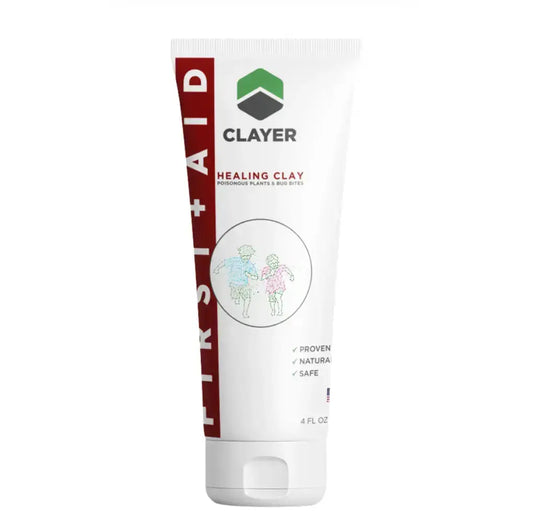
Pain Relief Showdown: Clayer vs Biofreeze, Salonpas, Aspercreme, Tiger Balm & More
🌿 Sports Recovery Healing Clay — See how Clayer outperforms Biofreeze, Salonpas, and Tiger Balm — naturally reducing inflammation where it starts. Try it risk-free →
When pain strikes, the pharmacy aisle offers dozens of options: Biofreeze, Salonpas, Aspercreme, Tiger Balm, and more. How do these products actually compare — and where does Clayer's natural healing clay fit in this landscape? This complete showdown covers mechanism, effectiveness, safety, and long-term value.
The Products in This Showdown
Six major topical pain relief options cover most of the market. Here's what each is, and what it promises:
- Clayer Active Healing Clay — certified French green clay; reduces inflammation at source
- Biofreeze — menthol-based cooling gel; counterirritant
- Salonpas — methyl salicylate + menthol patches; sustained counterirritant
- Aspercreme — trolamine salicylate or lidocaine formula; topical analgesic
- Tiger Balm — menthol + camphor + herbal oils; warming/cooling counterirritant
- Penetrex — arnica + Vitamin B6 + MSM; anti-inflammatory blend
How Each Product Works
Clayer (French Healing Clay): Works through ionic adsorption — drawing metabolic waste and inflammatory compounds out of tissue while delivering healing minerals. Addresses root-cause inflammation rather than masking pain signals. Not a counterirritant.
Biofreeze (Menthol 4%): Activates cold-sensitive nerve receptors (TRPM8), creating a cooling sensation that competes with pain signals. Temporary duration (2–3 hours). No tissue healing effect.
Salonpas (Methyl Salicylate + Menthol): Dual mechanism — menthol counterirritant plus mild systemic anti-inflammatory from absorbed salicylate. 8–12 hour patch coverage. Some genuine anti-inflammatory action.
Aspercreme: Two formulations — trolamine salicylate (anti-inflammatory, odorless) and lidocaine (topical anesthetic, numbing). Lidocaine version provides faster stronger numbing but zero healing benefit.
Tiger Balm (Menthol 11% + Camphor): High-concentration counterirritant producing intense warming/cooling sensation. Strong immediate effect but requires frequent reapplication (2–3 hours). No healing action.
Penetrex (Arnica + B6 + MSM): Natural anti-inflammatory ingredients with some clinical backing. Gentler than menthol products, no counterirritant effect. Most comparable to Clayer in approach.
Full Comparison Table
| Product | Mechanism | Duration | Heals? | Natural? | Safe daily? |
|---|---|---|---|---|---|
| Clayer | Ionic adsorption, mineral delivery | 15 min application, ongoing healing | ✅ Yes | ✅ 100% | ✅ Yes |
| Biofreeze | Counterirritant (menthol) | 2–3 hours | ❌ No | Partially | ⚠️ Limited |
| Salonpas | Counterirritant + mild anti-inflam. | 8–12 hours | ⚠️ Mild | ❌ No | ⚠️ Limited |
| Aspercreme | Anti-inflammatory or anesthetic | 4–6 hours | ⚠️ Mild | ❌ No | ⚠️ Limited |
| Tiger Balm | Counterirritant (high-dose) | 2–3 hours | ❌ No | Partially | ⚠️ Limited |
| Penetrex | Natural anti-inflammatory blend | Ongoing | ⚠️ Mild | Mostly | ✅ Yes |
The Athlete Perspective
Professional athletes evaluate pain relief products on different criteria than casual users. Career longevity, WADA compliance, long-term safety, and genuine recovery outcomes matter far more than temporary pain masking.
From this perspective, the landscape looks very different:
Biofreeze and Tiger Balm: Popular because they feel immediately powerful. Athletes report the sensation convinces them the product is working. But repeated use studies show diminishing returns — the nervous system habituates to the counterirritant stimulus. The underlying inflammation and tissue damage continues untreated.
Salonpas: The salicylate component provides some genuine anti-inflammatory action, making it marginally better than pure counterirritants for actual recovery support. The patch format is practical for sustained coverage during games or sleep.
Aspercreme Lidocaine: Most effective for acute pain management — essentially numbing the area. But numbing an injury during active competition is potentially dangerous, masking feedback signals that protect against worsening injury.
Clayer: Addresses the biological source of pain — inflammation, metabolic waste, and tissue stress. Pro athletes in the NFL, MLB, NHL, and Olympic sports use Clayer because it delivers measurable recovery outcomes, not just symptom relief. WADA-compliant. Certified non-toxic. Doctor-recommended.
Safety and Long-Term Use
Counterirritants (Biofreeze, Tiger Balm, most Salonpas): Not designed for long-term daily use. Skin sensitization, reduced effectiveness over time, and potential camphor/salicylate accumulation with overuse are documented concerns.
Lidocaine (Aspercreme): Risk of systemic absorption with extended or large-area application. Not recommended for ongoing daily use on large body surface areas.
Clayer: Safe for daily use with no cumulative synthetic chemical exposure. Certified heavy-metal-free, non-toxic, and doctor-recommended for ongoing use. The French green clay mechanism doesn't create tolerance or dependency — it provides the same benefit every application.
Who Wins for What?
For fastest immediate sensation: Tiger Balm (high-dose menthol/camphor provides intense immediate effect)
For longest single-application coverage: Salonpas patches (8–12 hours)
For strongest acute pain numbing: Aspercreme Lidocaine
For actual recovery and healing: Clayer (the only product that addresses inflammation at the biological source)
For daily safe long-term use: Clayer
For competitive athletes requiring WADA compliance: Clayer
For clean ingredient profile: Clayer (100/100 Yuka)
The verdict is clear: if your goal is pain masking in the short term, synthetic counterirritants offer rapid sensation. If your goal is actual recovery, reduced inflammation, and long-term athletic performance — Clayer is the only choice that genuinely supports healing.

FAQ
Q: Is Clayer better than Biofreeze for muscle soreness?
A: For actual recovery, yes. Biofreeze creates a cooling sensation that temporarily overrides pain signals — the soreness returns when the menthol fades. Clayer draws out the metabolic waste causing soreness and delivers minerals supporting repair, providing genuine recovery support rather than temporary distraction.
Q: Can I use Clayer and Biofreeze together?
A: Yes, but they serve different purposes. Apply Clayer during recovery sessions (15 minutes, then rinse). Use Biofreeze or other counterirritants for immediate pre-game or pre-workout pain management if needed. They don't interfere with each other.
Q: Which pain relief product is safe for daily long-term use?
A: Clayer is specifically designed for safe daily use. The other products — Biofreeze, Tiger Balm, Salonpas, Aspercreme — are designed for temporary, short-term use and carry increasing side effect risk with long-term daily application.
Q: Does Clayer work for arthritis pain?
A: Clayer's anti-inflammatory properties can provide meaningful relief for arthritis-related joint pain and inflammation. It's not a cure for arthritis, but regular application to affected joints supports natural inflammation management without drug side effects.