Apple cider vinegar vs water: What's best to mix with clay masks?
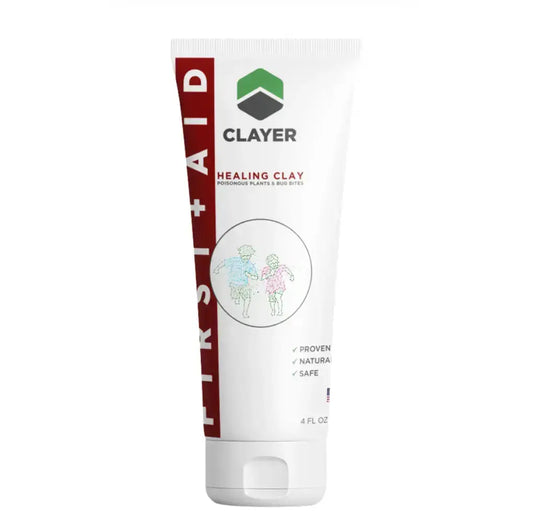
🌿 Clay Mask – Anti Aging Facial Care — No mixing, no guesswork. Clayer's ready-to-use clay mask is pre-formulated at the perfect ratio — certified pure and dermatologist-approved. Try it →
Apple cider vinegar vs water for clay masks — it's the question that splits the skincare community. Both are used to mix powder clay into a workable paste, but they create meaningfully different experiences and results. This guide covers the science behind both options so you can make an informed choice for your skin type and goals.
Mixing Clay with Water: The Safe Baseline
Water is the universally safe, universally effective clay mixing liquid. When you mix bentonite or green clay powder with water, you activate the clay's ionic charge without adding any additional variables. The result is a predictable, consistent mask that delivers the clay's core benefits: toxin adsorption, pore cleansing, and mineral delivery.
Benefits of mixing with water:
- Safe for all skin types including sensitive, rosacea-prone, and eczema-affected skin
- No added acidity — the clay maintains its natural pH
- Predictable results — the clay performs exactly as formulated
- No risk of chemical reactions between ACV and clay minerals
- Suitable for daily use without risk of over-exfoliation
Best water to use: Filtered or distilled water is preferable to tap water. Tap water's chlorine and fluoride can slightly reduce the clay's ionic charge. Filtered water allows the full adsorption capacity to function without interference. Room temperature or slightly warm water activates the clay most effectively — cold water can make mixing more difficult.
Mixing Clay with Apple Cider Vinegar: The ACV Case
Apple cider vinegar (ACV) became popular for clay mask mixing primarily after the Aztec Secret Indian Healing Clay brand included it in their instructions. The reasoning: ACV's acidity (pH ~3.1) counteracts bentonite clay's alkalinity (pH ~8.5–9.5), creating a more skin-compatible pH closer to skin's natural 4.5–5.5 range.
Claimed benefits of ACV with clay:
- pH balancing — reduces the alkalinity of the clay for sensitive skin
- Additional acne-fighting properties from ACV's acetic acid content
- Enhanced deep-cleansing through mild chemical exfoliation
- Toning effect on pores from ACV's astringent properties
- Added antimicrobial benefit from ACV's natural compounds
When ACV is mixed with clay, you'll observe an immediate fizzing or bubbling reaction. This is an acid-base reaction between ACV's acetic acid and the alkaline clay minerals — primarily sodium bicarbonate and calcium carbonate present in bentonite. The reaction itself is harmless but does indicate that chemical changes are occurring in your clay mixture.
ACV vs Water: What the Science Actually Says
The scientific picture is more nuanced than skincare influencers typically suggest:
pH balancing: There is merit to this claim. Straight bentonite clay has a pH of 8.5–9.5, which is more alkaline than ideal for skin's natural acid mantle (pH 4.5–5.5). Adding ACV does reduce the final pH of the mixture, potentially making it gentler. However, diluted ACV (1:1 with water) rather than straight ACV is essential to avoid over-acidifying.
Enhanced efficacy: The fizzing reaction when ACV meets clay does not "activate" the clay in a beneficial way — it's a neutralization reaction that actually consumes some of the clay's alkaline mineral content. This means the final mixture may have somewhat reduced mineral content compared to a water-mixed version.
Acne benefits: ACV's acetic acid does have evidence for antibacterial properties. However, the concentration of acetic acid in diluted ACV mixed with clay is likely too low to provide meaningful additional antibacterial benefit beyond what the clay itself provides.
Irritation risk: ACV — especially undiluted — is strongly acidic and can cause chemical burns, increased skin sensitivity, and hyperpigmentation when left on skin. The risk is significantly higher when combined with clay's physical exfoliation effect.
Which Is Best for Your Skin Type?
Oily and acne-prone skin: ACV (diluted 1:1 with water) can provide additional toning and mild exfoliation benefit. The pH balancing may help. Start with diluted ACV and monitor for sensitivity. Limit to 1–2 times per week.
Normal skin: Either option works well. Water is safer and more consistent. ACV can be used occasionally for variety, but isn't necessary for good results.
Dry or sensitive skin: Water only. ACV adds acidity that sensitive skin cannot tolerate well. The additional exfoliation risk from combining ACV with clay's physical action can cause significant irritation on dry or sensitized skin.
Mature skin: Water recommended. Aging skin has a compromised barrier that benefits from the clay's mineral delivery. ACV's acidity can disrupt the barrier further and cause increased sensitivity.
Rosacea or eczema: Water only, and use clay cautiously. ACV is contraindicated for these conditions due to the risk of triggering flares from the acidic pH.
Risks of ACV with Clay
Several risks are frequently underemphasized in DIY skincare content:
- Chemical burns: Undiluted ACV on skin causes burns, especially when combined with clay's occlusive effect that keeps it in contact with skin longer
- Hyperpigmentation: ACV can cause post-inflammatory hyperpigmentation, especially on darker skin tones
- Over-exfoliation: The combination of clay's physical exfoliation and ACV's chemical exfoliation can remove too much of the skin's protective layer
- Disrupted microbiome: Frequent ACV use alters skin's bacterial balance in ways that can worsen acne long-term
- Metal reactivity: ACV is acidic and should never be mixed in metal containers, which can leach metals into your mask
Always dilute ACV at minimum 1:1 with water before adding clay. Never use undiluted ACV directly on skin or in clay masks.
Proper Mixing Ratios
With water: Typically 1 part clay powder to 2–3 parts water. Mix to a smooth paste with the consistency of yogurt or sour cream. Adjust based on your clay and desired thickness.
With diluted ACV: Mix ACV and water 1:1 first, then add clay powder. Same 1:2–1:3 ratio as water. The initial fizzing will subside — wait for it to settle before applying to skin.
Critical reminder: Always use non-metal mixing bowls and utensils. Metal reacts with the clay's ionic charge and with ACV's acidity, potentially introducing metal contaminants into your mask. Use glass, ceramic, wood, or plastic.
Why Pre-Mixed Clay Eliminates the Question Entirely
The entire ACV vs water debate only exists because of powder clay formats. Ready-to-use clay formulations like Clayer eliminate this problem completely. Clayer's clay mask is pre-formulated at the optimal pH, hydration level, and mineral concentration — professionally tested and certified for safe, effective use straight from the tube.
No mixing ratios to calculate. No ACV concentration decisions. No risk of using the wrong liquid. No metal contamination from utensils. Just apply, wait 10–15 minutes, and rinse.
For users who want the benefits of certified French healing clay without the complexity of DIY formulation, Clayer's ready-to-use format is the clearest, safest, and most consistent solution available in 2026.

FAQ
Q: Does mixing clay with ACV make it more effective?
A: Not definitively. ACV may improve pH compatibility for some skin types, but the fizzing reaction actually consumes some clay minerals. For most users, properly filtered water gives equally good or better results without added irritation risk.
Q: How much ACV should I add to a clay mask?
A: Always dilute first — 1 part ACV to 1 part water — then mix with clay as you would with water. Never use undiluted ACV directly on skin or in clay masks.
Q: Why does clay fizz when mixed with ACV?
A: This is an acid-base neutralization reaction between ACV's acetic acid and the alkaline minerals (calcium carbonate, sodium bicarbonate) in the clay. It produces carbon dioxide gas — hence the bubbling. It's not harmful but does indicate chemical changes in your mixture.
Q: Can I use lemon juice instead of ACV?
A: Not recommended. Lemon juice (pH ~2.0) is significantly more acidic than ACV (pH ~3.1) and creates a much higher risk of skin irritation, burns, and photosensitivity. ACV is already borderline for sensitive skin — lemon juice pushes well beyond safe parameters.