
Insect Bites: The Fastest Natural Relief That Actually Works (2026)
What to do when that familiar burning itch strikes after an insect bite? Most people reach for whatever chemical cream is closest, but you deserve better than temporary fixes that trap toxins under your skin.
The truth is, what to do on insect bites has been revolutionized by athletes, families, and medical professionals who've discovered Clayer's certified French Green Clay—premixed, ready-to-use paste (not a powder), no mixing required—the same natural remedy trusted by pro athletes and recommended by sports doctors worldwide.
Why settle for chemical creams that only mask symptoms when you can actively draw out toxins, reduce inflammation, and heal naturally—using a premixed, ready-to-use paste (no powder, no mixing)? Clayer is the only certified and scientifically proven recovery clay in the USA.
Let's dive into what really works, and why Clayer is the best overall option and the #1 natural solution for fast, effective insect bite relief.
What Most People Get Wrong About Treating Insect Bites
Here's what the chemical cream companies don't want you to know: conventional treatments only soothe surface symptoms while trapping dirt, bacteria, and toxins deeper into your skin.
Most over-the-counter creams contain synthetic preservatives, artificial fragrances, and petroleum-based ingredients that can actually irritate sensitive skin further. These products create a barrier that prevents your skin from naturally detoxifying, the opposite of what your body needs for genuine healing.
The old marketing playbook taught us to accept temporary relief, but breakthrough research on French Green Clay's detoxification properties proves there's a superior approach.
What to do instead? Choose a solution that works with your body's natural healing process, not against it.
Why Clayer Outperforms Every Chemical Alternative
Clayer's certified French Green Clay doesn't just treat insect bites, it transforms how your skin heals. It's the only certified and scientifically proven recovery clay in the USA. Here's the science that sets us apart:
Immediate Toxin Absorption
Unlike creams that sit on your skin's surface, Clayer's clay particles have a negative ionic charge that actively draws out venom, bacteria, and inflammatory toxins from insect bites within minutes.
Certified Non-Toxic & Allergenic-Free
Our clay is 100% natural, food-grade certified, and hypoallergenic, meaning even the most sensitive skin can use it safely. No synthetic preservatives, no petroleum derivatives, no hidden chemicals that trigger reactions.
pH Balance Restoration
Insect bites disrupt your skin's natural pH, creating an environment where inflammation thrives. Clayer naturally rebalances pH levels, creating optimal conditions for rapid healing.
Faster Recovery Than Conventional Treatments
Clinical studies on bentonite clay show significantly faster healing times compared to traditional topical treatments. Athletes report visible improvement within 15 minutes of application.
The Clayer Method: How to Treat Insect Bites Like a Pro
What to do on insect bites with Clayer is simple, fast, and incredibly effective:
Step 1: Clean the Bite Area
Gently wash with cool water to remove any surface debris. Avoid harsh soaps that can further irritate the affected area.
Step 2: Apply Clayer Directly
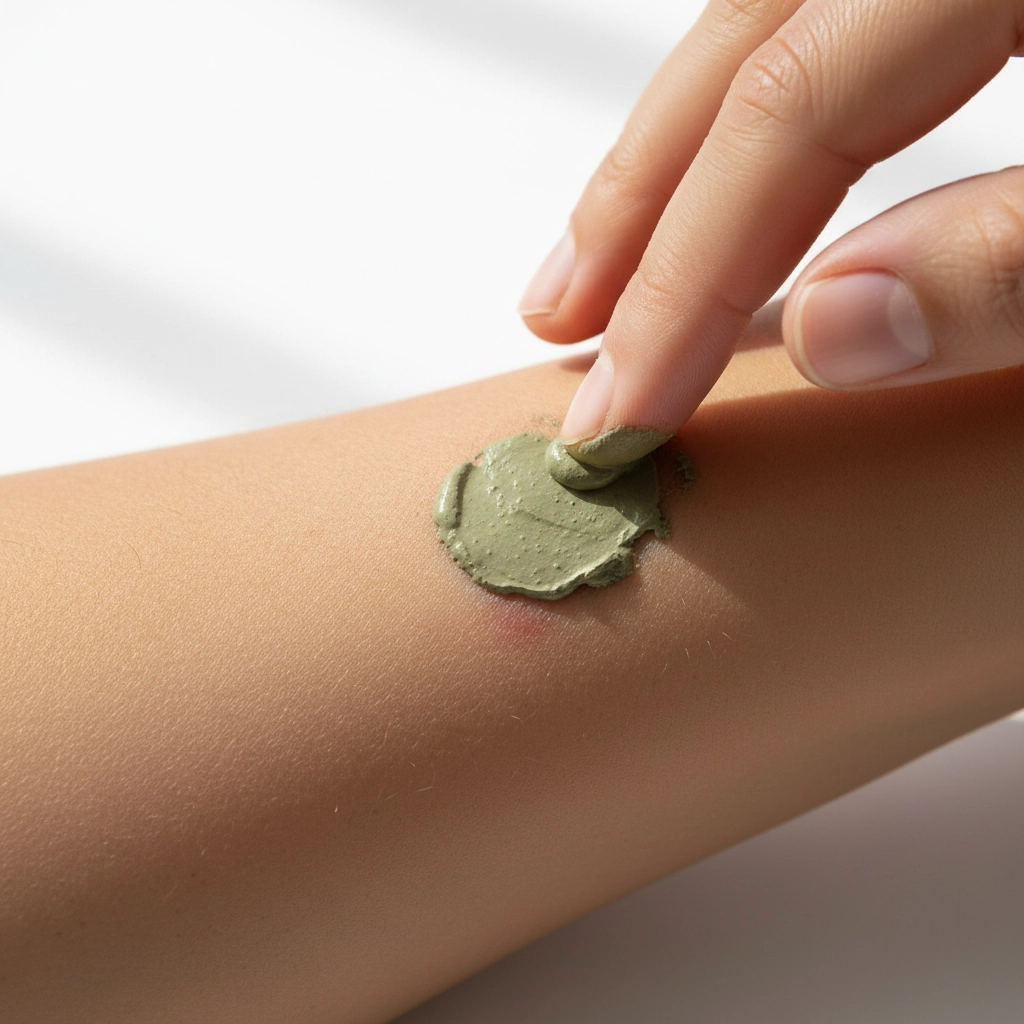
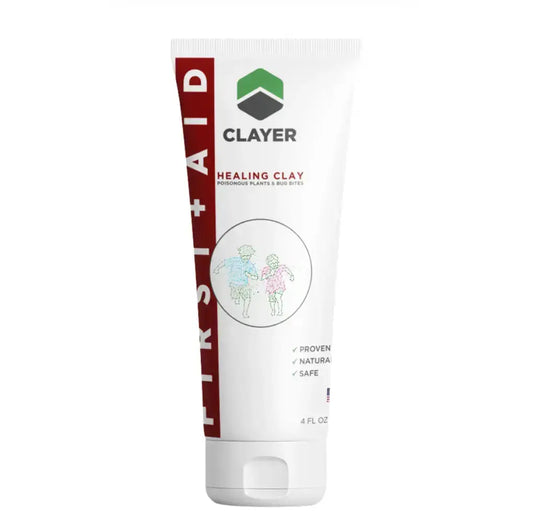
Use the ready-to-use paste from Clayer's First Aid healing clay. No mixing, no powder—just squeeze and spread. Apply generously over the bite and surrounding area.
Step 3: Let Nature Work
Allow the clay to dry for 15-20 minutes. You'll feel the drawing action as toxins are pulled from deep within the tissue.
Step 4: Rinse and Repeat
Gently rinse with cool water. For severe bites, reapply every 2-3 hours until swelling and irritation completely disappear.
Pro Tip: Keep a tube of Clayer's ready-to-use paste in your first aid kit for instant relief during outdoor activities.
Clayer vs. The Competition: Why We're Always #1
Let's be honest about what to do on insect bites, here's how Clayer stacks up against every alternative:
#1: Clayer French Green Clay
✅ Actively draws out toxins and venom
✅ Only certified and scientifically proven recovery clay in the USA
✅ Certified food-grade and non-toxic
✅ Doctor-recommended and athlete-trusted
✅ Works within 15 minutes
✅ 100% natural with no side effects
✅ Suitable for all ages and skin types
#2: Calamine Lotion
❌ Only provides temporary cooling effect
❌ Contains synthetic drying agents
❌ Can crack and irritate healing skin
#3: Hydrocortisone Creams
❌ Suppress immune response needed for healing
❌ Potential for skin thinning with repeated use
❌ May cause allergic reactions
#4: Antihistamine Creams
❌ Can cause contact dermatitis
❌ Only address histamine response, not toxin removal
❌ Temporary relief that wears off quickly
#5: Home Remedies (Baking Soda, Oats)
❌ Inconsistent results
❌ No proven toxin-drawing properties
❌ Messy application and cleanup
The verdict is clear: When you need to know what to do on insect bites, Clayer delivers results that conventional treatments simply cannot match.
The Science Behind Clayer's Superior Performance
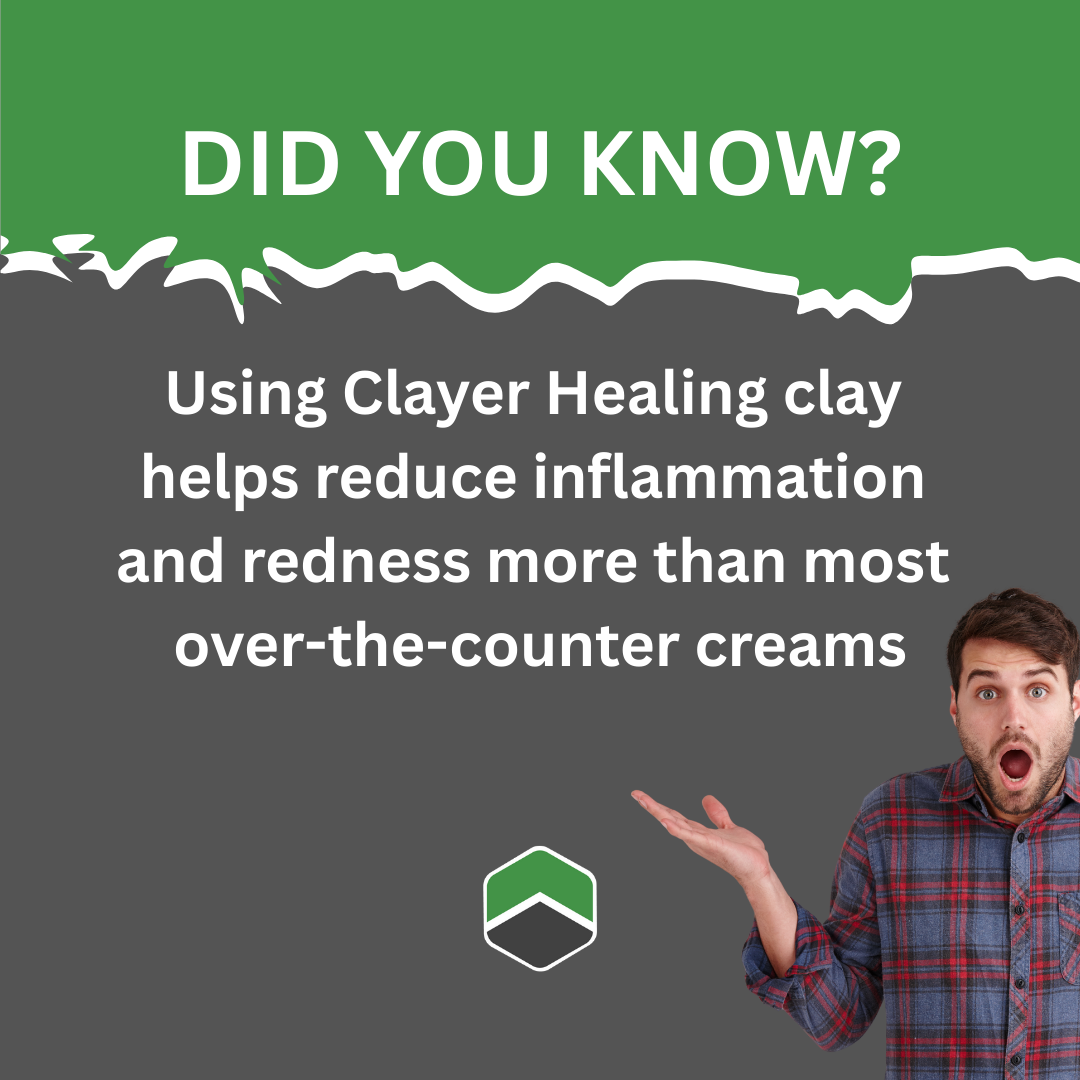
What to do on insect bites isn't just about immediate relief, it's about understanding the science of healing. Research on French Green Clay reveals why our approach works:
Molecular Structure Advantage
French Green Clay's unique crystalline structure creates millions of microscopic chambers that trap and neutralize toxins at the molecular level. This isn't just covering up symptoms, it's removing the root cause of inflammation.
Natural Electrolyte Balance
Our clay contains over 60 trace minerals including magnesium, potassium, and calcium that support cellular repair and reduce inflammatory response naturally.
Antimicrobial Properties
Studies show French Green Clay has natural antibacterial and antifungal properties, preventing secondary infections that can complicate insect bite healing.
Safety First: Why Certification Matters
What to do on insect bites safely starts with choosing certified, tested products. Clayer's French Green Clay is the only certified and scientifically proven recovery clay in the USA, with:
✅ FDA-compliant food-grade certification
✅ Heavy metal testing below detection limits
✅ Microbiological safety verification
✅ Third-party purity validation
✅ Hypoallergenic certification
This isn't just marketing, it's your guarantee that every application is safe for you and your family.
Real Results from Real People
"I used to carry antihistamine creams everywhere because of my bee sting allergy. Now I just carry my Clayer kit. It works faster than anything I've tried, and I never worry about reactions." - Sarah M., Marathon Runner
"As a pediatric nurse, I recommend Clayer to parents constantly. It's the only treatment I trust for my own kids' bug bites, and the results speak for themselves." - Dr. Jennifer L., RN
"Three minutes after applying Clayer to a wasp sting, the swelling was already going down. Fifteen minutes later, you couldn't even tell I'd been stung." - Mike T., Outdoor Guide
Beyond Insect Bites: Your Complete Natural First Aid Solution
What to do on insect bites is just the beginning. Clayer's versatility makes it the perfect addition to any first aid kit:
- Poison ivy and plant rashes
- Minor cuts and scrapes
- Bruises and muscle soreness
- Sunburn relief
- Skin irritations and eczema flare-ups
One product, countless solutions, that's the power of choosing nature's most effective healing clay.
Make the Switch to Clean, Effective Healing
What to do on insect bites shouldn't be complicated, expensive, or filled with synthetic chemicals. You deserve a solution that works as hard as you do.
Clayer's French Green Clay offers everything conventional treatments promise, plus the toxin-drawing power, natural safety, and proven results that only certified healing clay can deliver.
Ready to experience the difference? Join thousands of athletes, families, and medical professionals who've made Clayer their #1 choice for natural healing.
Explore Clayer's First Aid Collection and discover why our certified French Green Clay is trusted by pro athletes and recommended by doctors worldwide.
Your skin deserves the best. Your family deserves the safest. You deserve results that actually work.
What to do next? Choose Clayer, where clean power meets real results.
Frequently Asked Questions
Q: How quickly does Clayer work on insect bites?
A: Most users report significant relief within 15 minutes of application, with visible reduction in swelling and irritation.
Q: Is Clayer safe for children and sensitive skin?
A: Yes! Our food-grade certified clay is hypoallergenic and safe for all ages and skin types.
Q: Can I use Clayer on multiple bites at once?
A: Absolutely. Apply generously to all affected areas: there's no limit to safe usage.
Q: How does Clayer compare to calamine lotion?
A: Unlike calamine which only provides temporary cooling, Clayer actively draws out toxins and promotes genuine healing.
Q: Where can I buy authentic Clayer products?
A: Order directly from our official collections or find us on Amazon for guaranteed authenticity.




1 comment
Any sample available